AUM

Meditation Simplified: 5 Steps to Self-Discovery

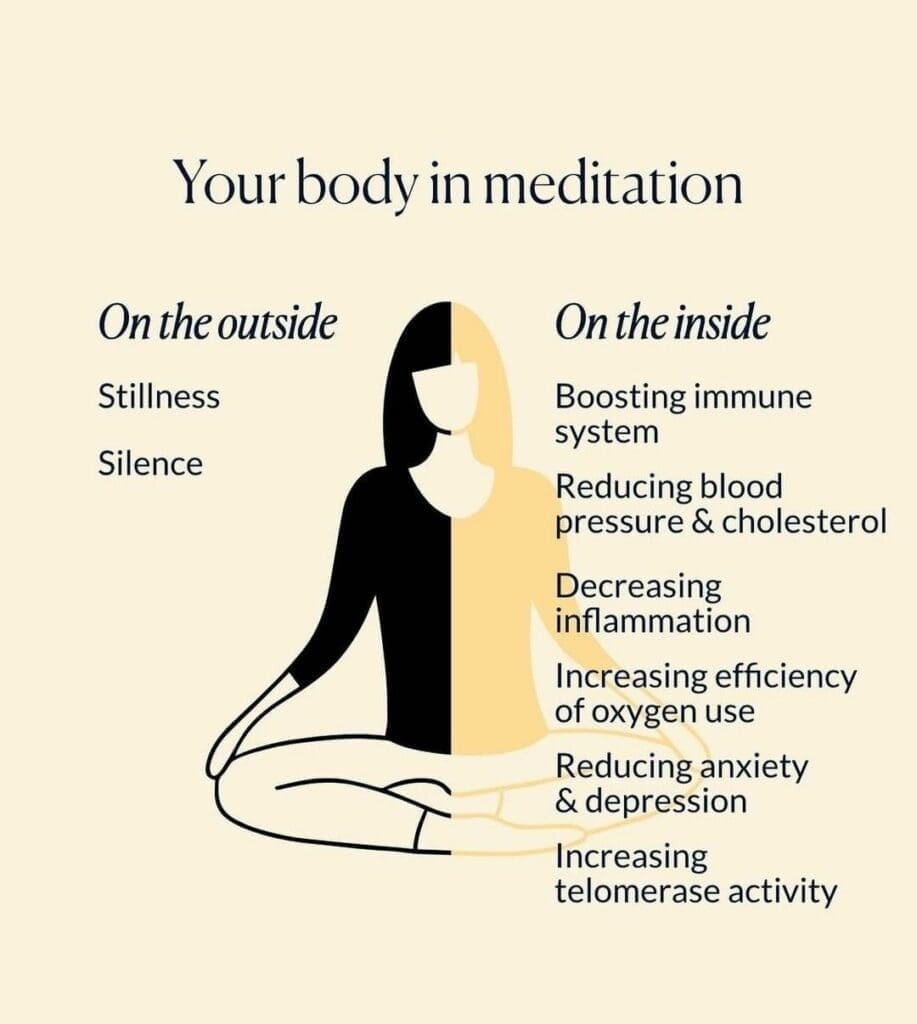
Are you ready to embark on a journey of self-discovery and inner peace through meditation? In today’s fast-paced world, finding moments of stillness and tranquillity can seem like a luxury. However, incorporating meditation into your daily routine can help you cultivate mindfulness, reduce stress, and uncover a deeper sense of self. Whether you’re a beginner or someone looking to deepen your practice, this article offers five simple techniques that make meditation easy and accessible. From guided meditations to breath awareness exercises, these methods can be incorporated into your busy schedule, allowing you to experience the transformative power of meditation. So take a deep breath, relax, and let’s dive into the world of meditation, where a calmer and more cantered version of yourself awaits. Discover the simplicity and profound benefits of these techniques as you embark on a journey of self-discovery and inner peace through the practice of meditation. Benefits of Meditation and Mindfulness Meditation has been practiced for centuries for its numerous physical, mental, and emotional benefits. Incorporating meditation into your daily routine can have a profound impact on your overall well-being. One of the key benefits of meditation is its ability to reduce stress and anxiety. By focusing your attention on the present moment, you can let go of worries about the past or future and find a sense of calm and peace. Moreover, meditation can improve your focus and concentration, allowing you to be more present in all areas of your life. It can also enhance your self-awareness and help you develop a deeper understanding of your thoughts and emotions. By cultivating mindfulness, you can become more attuned to your body and mind, leading to better decision-making and improved relationships. Additionally, meditation has been found to have physical health benefits. It can lower blood pressure, reduce inflammation, and boost the immune system. Regular meditation practice is also associated with improved sleep quality, increased energy levels, and a stronger sense of overall well-being. With all these benefits, it’s no wonder that meditation has gained popularity in recent years as a powerful tool for self-care and personal growth. Different Types of Meditation Techniques Before we delve into the techniques, it’s important to understand that there is no one-size-fits-all approach to meditation. Different techniques work for different individuals, and it’s essential to find what resonates with you. Here are five simple meditation techniques that can help you get started on your mindfulness journey: Technique 1: Mindful Breathing Mindful breathing is one of the simplest and most accessible meditation techniques. It involves focusing your attention on your breath and observing it without judgment. Find a quiet and comfortable place to sit or lie down. Close your eyes and take a few deep breaths, allowing your body to relax. Then, shift your attention to your breath. Notice the sensation of the air entering and leaving your body. Observe the rise and fall of your abdomen or the feeling of the breath passing through your nostrils. Whenever your mind starts to wander, gently bring your attention back to your breath. Practice this technique for a few minutes each day, gradually increasing the duration as you become more comfortable. Technique 2: Body Scan Meditation Body scan meditation is a technique that involves systematically scanning your body and bringing awareness to each part. Find a comfortable position, either sitting or lying down. Close your eyes and begin by bringing your attention to your toes. Notice any sensations you feel, such as warmth or tingling. Slowly move your attention up through your body, paying attention to each area. Notice any tension or discomfort and allow it to release as you continue to scan. This technique helps you become more attuned to your body and can be particularly useful for relieving physical tension and promoting relaxation. Technique 3: Loving-Kindness Meditation Loving-kindness meditation, also known as Metta meditation, is a practice that cultivates feelings of compassion and love towards oneself and others. Find a comfortable position and close your eyes. Begin by directing loving-kindness towards yourself. Repeat phrases such as “May I be happy, may I be healthy, may I live with ease.” Visualize yourself surrounded by love and warmth. After a few minutes, extend these wishes to others, starting with someone you care about, then gradually expanding to include acquaintances, strangers, and even difficult people in your life. This practice helps cultivate a sense of connection and empathy towards yourself and others. Technique 4: Guided Visualization Guided visualization is a technique that uses the power of imagination to create a sense of calm and relaxation. Find a quiet place where you won’t be disturbed, sit or lie down, and close your eyes. You can either use a guided meditation app or listen to a recording that guides you through a visualization exercise. It may involve imagining a peaceful scene, such as a beach or a forest, and engaging your senses by visualizing the sights, sounds, and smells. Allow yourself to immerse in this mental imagery and let go of any tension or worries. Guided visualization is an effective technique for reducing stress and promoting a sense of inner peace. Technique 5: Mantra Meditation Mantra meditation involves repeating a word or phrase, known as a mantra, to focus your mind and cultivate a state of deep relaxation. Choose a word or phrase that resonates with you, such as “peace” or “love.” Find a comfortable position, close your eyes, and begin to repeat the mantra silently or aloud. Allow the mantra to become your focal point, letting go of any other thoughts or distractions. If your mind wanders, gently bring your attention back to the mantra. This technique can help quiet the mind and create a sense of inner stillness. Incorporating Meditation into Your Daily Routine Now that you have learned about different meditation techniques, it’s time to incorporate them into your daily routine. The key to a successful meditation practice is consistency. Start by setting aside a specific time each day for meditation. It can be in the morning

Meditation Simplified: 5 Steps to Self-Discovery Read More »
Your Body in meditation

Meditation Made Easy: Step-by-Step Guide to Starting Your Guided Meditation Practice

Meditation Made Easy Are you ready to embark on a journey of self-discovery and inner peace? Look no further than this step-by-step guide to starting your guided meditation practice. In today’s fast-paced world, finding moments of calm and clarity can seem like an elusive dream. But with the power of meditation, you can create a sanctuary within yourself, a place where stress melts away, and your mind can find solace. Whether you’re a beginner or have dabbled in meditation before, this comprehensive guide will take you by the hand and lead you through the process of establishing a fulfilling and sustainable meditation practice. From setting up a serene meditation space to choosing the right guided meditation resources, this guide will equip you with all the tools you need to make meditation a seamless part of your daily routine. Get ready to unlock the transformative power of meditation and cultivate a sense of inner harmony that will positively impact every aspect of your life. What is guided meditation? Guided meditation is a form of meditation where you are led through the practice by a teacher or a recorded voice. It is a great option for beginners or those who find it difficult to quiet their minds on their own. During guided meditation, you are guided through a series of visualizations or prompts that help you relax, focus, and achieve a meditative state. This form of meditation can be practiced individually or in a group setting, and it is particularly effective for stress reduction, relaxation, and enhancing overall well-being. Guided meditation often incorporates elements of mindfulness, breath awareness, and body scan techniques. By following the guidance of a teacher or a recording, you can learn to cultivate a state of deep relaxation and inner peace. Unlike other forms of meditation, guided meditation provides a structured framework that makes it easier for beginners to get started and stay focused. It can be a helpful tool for those who struggle with racing thoughts or find it challenging to sit in silence for extended periods. Guided meditation can take many forms, ranging from short, five-minute sessions to longer, more immersive experiences. It can be practiced in various settings, such as at home, in a meditation center, or even outdoors in nature. The key is to find a style of guided meditation that resonates with you and complements your personal preferences and goals. Benefits of guided meditation The benefits of guided meditation are numerous and far-reaching. Not only does it provide an opportunity to relax and unwind, but it also offers a wide range of mental, emotional, and physical benefits. Here are some of the key advantages of incorporating guided meditation into your daily routine: Stress reduction: Guided meditation is an effective tool for managing stress and anxiety. By focusing your attention on the present moment and letting go of worries and concerns, you can experience a sense of calm and tranquillity. Regular practice can help reduce the harmful effects of chronic stress on your body and mind. Improved focus and concentration: Through guided meditation, you can train your mind to stay focused and present. The practice of gently redirecting your attention back to your breath or a specific point of focus can enhance your ability to concentrate and improve your overall productivity. Enhanced self-awareness: Guided meditation allows you to develop a deeper understanding of yourself and your inner landscape. As you explore your thoughts, emotions, and sensations during the practice, you can gain insights into your patterns of thinking and behaviour. This increased self-awareness can lead to personal growth and positive change. Better sleep: Many people struggle with insomnia or poor sleep quality. Guided meditation can help relax your body and mind, making it easier to fall asleep and stay asleep throughout the night. By practicing guided meditation before bedtime, you can create a peaceful transition from the busyness of the day to a restful night’s sleep. Increased emotional well-being: Guided meditation can help you cultivate positive emotions such as gratitude, compassion, and joy. By focusing your attention on uplifting thoughts and feelings, you can enhance your overall emotional well-being and develop a more positive outlook on life. Physical health benefits: Research has shown that meditation can have a positive impact on physical health. It can help lower blood pressure, reduce inflammation, boost the immune system, and promote overall wellness. By incorporating guided meditation into your daily routine, you can support your physical health and well-being. How to prepare for guided meditation Before you begin your guided meditation practice, it’s important to set yourself up for success by creating a supportive environment and a mindset conducive to relaxation and focus. Here are some steps you can take to prepare for your guided meditation sessions: Find a quiet and comfortable space: Choose a space in your home where you can practice meditation without distractions. Ideally, this space should be quiet, clutter-free, and free from external disturbances. You can create a dedicated meditation corner or use a spare room where you can set up a meditation cushion or a comfortable chair. Set the mood: Create a calming atmosphere by dimming the lights, lighting a scented candle or incense, or playing soft, soothing music. These sensory cues can help signal to your mind and body that it’s time to relax and enter a meditative state. Wear comfortable clothing: Choose loose-fitting, comfortable clothing that allows you to sit or lie down without restrictions. Avoid wearing anything that feels tight or constricting, as it can interfere with your ability to fully relax. Turn off electronic devices: Minimize distractions by turning off your phone, computer, or any other electronic devices that may interrupt your meditation practice. Consider putting your devices on silent mode or placing them in another room to create a tech-free zone during your meditation sessions. Set a timer: If you prefer to have a specific duration for your guided meditation practice, set a timer beforehand. This can help you stay focused and ensure that you allocate enough

Meditation Made Easy: Step-by-Step Guide to Starting Your Guided Meditation Practice Read More »

Balanced Nutrition 3

Building Optimal Health: The Importance of Balanced Nutrition

The Importance of Balanced Nutrition for a Healthy Life Introduction: A balanced and nutritious diet forms the foundation for optimal health and well-being. Providing your body with the essential nutrients it needs is crucial for supporting bodily functions, maintaining energy levels, and preventing chronic diseases. In this article, we will explore the importance of balanced nutrition, discuss key nutrients, and provide practical tips for making healthy food choices. Understanding Balanced Nutrition: Nourishing Your Body Balanced nutrition involves consuming a variety of foods from different food groups in appropriate proportions. This ensures that your body receives all the essential nutrients it needs to function optimally. The key nutrients include carbohydrates, proteins, fats, vitamins, minerals, and water. Carbohydrates for Sustained Energy: Fueling Your Body Carbohydrates are the body’s primary source of energy. Focus on consuming complex carbohydrates from whole grains, fruits, vegetables, and legumes. These provide sustained energy, fiber, vitamins, and minerals. opt for whole grain bread, brown rice, oats, and quinoa as your carbohydrate sources. Quality Proteins: Building Blocks of Life Proteins are the building blocks of the body and are essential for tissue repair, immune function, and hormone production. Choose lean sources of protein such as poultry, fish, beans, lentils, tofu, and Greek yogurt. These foods provide high-quality protein with fewer saturated fats. Incorporate a variety of protein sources into your meals to ensure you meet your daily protein needs. Healthy Fats: Essential for Your Well-being Healthy fats are crucial for hormone production, brain health, and nutrient absorption. Include sources of unsaturated fats such as avocados, nuts, seeds, olive oil, and fatty fish like salmon. These fats are heart-healthy and provide important omega-3 fatty acids. Limit saturated and trans fats found in processed foods and fatty meats to maintain a healthy balance. Essential Vitamins and Minerals: Nutrients for Overall Health3:  Ensure you obtain a variety of vitamins and minerals from your diet. Consume a rainbow of fruits and vegetables to benefit from different phytochemicals and micronutrients. Include sources of calcium (dairy or plant-based milk), iron (leafy greens, lean meats), and vitamin C (citrus fruits, berries) to support overall health. Incorporate a wide range of nutrient-dense foods into your meals to meet your body’s requirements. Hydration: Quenching Your Body’s Thirst Proper hydration is vital for overall well-being. Drink an adequate amount of water throughout the day to maintain bodily functions, support digestion, regulate body temperature, and transport nutrients. Monitor your water intake and adjust based on activity levels and climate. Herbal teas and infused water can also contribute to your hydration needs. Portion Control: Finding Balance in Every Meal Maintaining portion control is important to avoid overeating and promote a balanced diet. Use smaller plates and bowls to help control portion sizes. Fill half of your plate with vegetables, a quarter with lean protein, and the remaining quarter with whole grains or starchy vegetables. This balanced approach ensures you get a variety of nutrients in appropriate amounts. Whole Foods over Processed Foods: Nourishing Your Body with Real Food Choose whole, unprocessed foods over heavily processed options. Processed foods often contain added sugars, unhealthy fats, and artificial additives. Opt for whole grains, fresh fruits and vegetables, lean proteins, and minimally Whole Foods over Processed Foods: Nourishing Your Body with Real Food Choose whole, unprocessed foods over heavily processed options. Processed foods often contain added sugars, unhealthy fats, and artificial additives. Opt for whole grains, fresh fruits and vegetables, lean proteins, and minimally processed foods to maximize your nutrient intake. These foods are rich in vitamins, minerals, fiber, and antioxidants, providing your body with the essential nutrients it needs for optimal health. Mindful Eating: Nurturing a Healthy Relationship with Food Practice mindful eating by paying attention to your body’s hunger and fullness cues. Eat slowly, savoring each bite, and avoid distractions like screens or multitasking. This helps you enjoy your meals, recognize satiety, and prevent overeating. Listen to your body’s signals and choose foods that make you feel nourished and satisfied. Seek Professional Guidance: Personalizing Your Nutritional Needs If you have specific dietary concerns or health conditions, consult with a registered dietitian or healthcare professional. They can provide personalized advice and guidance based on your individual needs, ensuring that you meet your nutritional requirements for optimal health. They can help you create a balanced meal plan, address dietary restrictions or allergies, and offer support in achieving your health goals. Conclusion: Balanced nutrition is crucial for building a foundation of optimal health and well-being. By consuming a variety of nutrient-rich foods, including carbohydrates, proteins, healthy fats, vitamins, minerals, and staying hydrated, you provide your body with the necessary fuel and building blocks for a healthy life. Make informed food choices, practice portion control, and embrace mindful eating to nourish your body and support your overall well-being. Remember, small changes in your eating habits can lead to significant improvements in your health and vitality.

Building Optimal Health: The Importance of Balanced Nutrition Read More »

Yoga for seniors

Sharp Mind and Body: Benefits of Exercise for Seniors

Regular exercise offers numerous benefits for seniors, positively impacting both their mind and body. Engaging in physical activity has been proven to help older adults maintain mental sharpness while promoting overall physical well-being. By incorporating exercise into their daily routines, seniors can experience improved cognitive function, enhanced cardiovascular health, increased strength and flexibility, and a boosted mood. The multifaceted advantages of exercise make it an essential component of maintaining a vibrant and healthy lifestyle in later years. Physical Benefits of Exercise for Seniors: One of the most obvious benefits of exercise for seniors is improved physical health. Regular exercise can help improve muscle strength, balance, and flexibility, which can help prevent falls and other injuries. This is especially important for seniors, as falls can have serious consequences, such as broken bones or head injuries. Strength training is particularly important for seniors, as it can help prevent muscle loss and maintain bone density. This can help reduce the risk of osteoporosis, a condition in which the bones become weak and brittle. By lifting weights or using resistance bands, seniors can increase their muscle mass and improve their overall strength. In addition to strength training, cardio exercises such as walking, biking, or swimming can help improve cardiovascular health. This can reduce the risk of heart disease, stroke, and other chronic conditions. Seniors who exercise regularly may also experience improved sleep, reduced inflammation, and better digestion. Mental Benefits of Exercise for Seniors: Exercise is not just good for the body – it’s also good for the mind. Research has shown that regular exercise can help improve cognitive function and reduce the risk of dementia. Exercise can also help reduce stress and anxiety, improve mood, and boost overall mental health. One way that exercise can improve cognitive function is by increasing blood flow to the brain. This can help improve memory, attention, and other cognitive abilities. Regular exercise has also been shown to increase the production of brain-derived neurotrophic factor (BDNF), a protein that is essential for the growth and maintenance of brain cells. Exercise can also help reduce the risk of depression and anxiety in seniors. By releasing endorphins and other feel-good chemicals in the brain, exercise can help improve mood and reduce stress. Additionally, exercise can provide a sense of accomplishment and purpose, which can help boost self-esteem and overall well-being. Exercise Recommendations for Seniors: So, what types of exercises are best for seniors? The answer depends on a variety of factors, including overall health, fitness level, and personal preferences. However, there are some general guidelines that can help seniors get started on a fitness journey. The American Heart Association recommends that seniors engage in at least 150 minutes of moderate-intensity aerobic activity per week, or 75 minutes of vigorous-intensity aerobic activity per week. This can include activities such as brisk walking, biking, or swimming. Additionally, seniors should engage in muscle-strengthening activities at least two days per week. When starting an exercise program, it’s important to start slowly and gradually increase intensity. Seniors should also be sure to warm up before exercising and cool down afterward, to prevent injury. Additionally, seniors should listen to their bodies and avoid overexertion. Tips for Seniors to Stay Motivated to Exercise: Starting a new exercise routine can be challenging, but there are some tips that can help seniors stay motivated and on track. One of the most important things is to find an activity that is enjoyable and fits into their lifestyle. Whether it’s taking a dance class, joining a walking group, or practicing yoga, seniors should choose an activity that they look forward to. Another way to stay motivated is to set realistic goals and track progress. Seniors can set goals such as walking a certain distance, lifting a certain weight, or completing a certain number of repetitions. By tracking progress, seniors can see how far they’ve come and stay motivated to continue. It’s also important to find a workout buddy or accountability partner. This can be a friend, family member, or even a personal trainer. Having someone to exercise with can make the experience more enjoyable and provide added motivation. Common Barriers to Exercise for Seniors and How to Overcome Them: There are many barriers that can prevent seniors from exercising regularly. Some of the most common barriers include lack of time, lack of motivation, and physical limitations. However, there are ways to overcome these barriers and make exercise a regular part of daily life. One way to overcome the barrier of lack of time is to break up exercise into smaller increments throughout the day. Seniors can take a 10-minute walk after each meal, or do a few sets of strength exercises during commercial breaks while watching TV. Lack of motivation can be overcome by finding an activity that is enjoyable and setting realistic goals. Additionally, seniors can find an accountability partner or join a group fitness class to stay motivated. Physical limitations can be challenging, but there are many exercises that can be modified to accommodate individual needs. Seniors with mobility issues can try exercises such as chair yoga or resistance band workouts. Seniors with joint pain can try low-impact exercises such as swimming or biking. Exercise Classes and Programs Designed Specifically for Seniors: Many gyms and community centers offer exercise classes and programs that are designed specifically for seniors. These classes often focus on low-impact exercises that are easy on the joints, such as yoga, Pilates, or water aerobics. Additionally, many senior centers offer group fitness classes that are tailored to specific needs, such as balance or strength training. Another option for seniors is to work with a personal trainer who specializes in senior fitness. A personal trainer can create a customized workout program that takes into account individual needs and limitations. The Importance of Consulting with a Healthcare Provider Before Beginning an Exercise Program: Before starting any new exercise program, it’s important for seniors to consult with their healthcare provider. This is especially important for seniors with chronic health

Sharp Mind and Body: Benefits of Exercise for Seniors Read More »

self care 3

The Importance of Self-Care in Building Confidence

Self-care has become a buzzword in recent years, and for good reason. In today’s fast-paced world, it’s easy to prioritize work and other responsibilities over taking care of ourselves. However, neglecting self-care can have a significant impact on our confidence levels. When we fail to prioritize our physical, emotional, and mental well-being, we may begin to feel overwhelmed, stressed, and burnt out. This can lead to self-doubt, anxiety, and a lack of confidence in our abilities. On the other hand, taking the time to care for ourselves can have a transformative effect on our confidence. By engaging in activities that nourish our minds, bodies, and souls, we can boost our self-esteem and develop a deeper sense of self-worth. In this article, we’ll explore the importance of self-care in building confidence, and provide some practical tips for incorporating self-care into your daily routine. So, sit back, relax, and let’s dive into the world of self-care and confidence-building. What is self-care? Self-care is the practice of taking deliberate actions to enhance our physical, emotional, and mental well-being. It involves engaging in activities that promote self-love, self-compassion, and self-awareness. Self-care can take many forms, including exercise, meditation, journaling, reading, spending time with loved ones, and engaging in hobbies. The key to self-care is to identify activities that nourish and energize us, and to make them a priority in our daily lives. Self-care is not a luxury; it is a fundamental aspect of maintaining our health and well-being. Self-care can be broken down into three main categories: physical, emotional, and mental. Physical self-care involves taking care of our bodies through exercise, nutrition, and rest. Emotional self-care involves managing our emotions and nurturing our relationships. Mental self-care involves engaging in activities that promote mental clarity and well-being, such as meditation and journaling. All three categories are interconnected and equally important for our overall well-being. Why is self-care important for building confidence? Self-care is essential for building confidence because it helps us develop a positive relationship with ourselves. When we prioritize our self-care, we send a message to ourselves that we are valuable and deserving of love and attention. This, in turn, helps us develop a deeper sense of self-worth and self-esteem. When we feel good about ourselves, we are more likely to take risks, set goals, and pursue our dreams. On the other hand, when we neglect our self-care, we send a message to ourselves that we are not important. This can lead to feelings of self-doubt and a lack of confidence in our abilities. The benefits of self-care for mental health Self-care has numerous benefits for our mental health. By engaging in activities that promote self-love and self-compassion, we can reduce feelings of stress, anxiety, and depression. Self-care can also help us develop a greater sense of self-awareness, which can lead to a deeper understanding of our own thoughts, feelings, and behaviors. This can lead to greater emotional stability and resilience in the face of life’s challenges. Additionally, self-care can help us develop a more positive outlook on life, which can lead to a greater sense of well-being and happiness. The connection between self-care and self-esteem. Self-care and self-esteem are closely interconnected. When we prioritize our self-care, we send a message to ourselves that we are valuable and deserving of love and attention. This, in turn, helps us develop a deeper sense of self-worth and self-esteem. When we feel good about ourselves, we are more likely to take risks, set goals, and pursue our dreams. On the other hand, when we neglect our self-care, we send a message to ourselves that we are not important. This can lead to feelings of self-doubt and a lack of confidence in our abilities. Self-care practices to boost confidence There are many self-care practices that can help boost our confidence. Here are a few ideas: – Exercise: Regular exercise can help boost our mood and energy levels, and improve our physical health. This, in turn, can lead to greater confidence in our abilities. – Meditation: Meditation can help reduce feelings of stress and anxiety, and promote greater self-awareness and emotional stability. This can lead to greater confidence in our ability to manage our thoughts and emotions. – Journaling: Journaling can help us process our thoughts and feelings, and develop a greater sense of self-awareness. This can lead to greater confidence in our ability to understand our own thoughts and emotions. – Spending time with loved ones: Spending time with loved ones can help us feel more connected and supported, which can boost our confidence in our ability to navigate life’s challenges. – Engaging in hobbies: Engaging in hobbies can help us develop a sense of mastery and accomplishment, which can boost our confidence in our abilities. Mindfulness and self-care Mindfulness is the practice of being present and fully engaged in the current moment. Mindfulness can be a powerful tool for self-care because it can help us develop a greater sense of self-awareness and emotional stability. By being present in the moment, we can better understand our own thoughts and emotions, and develop greater insight into our own patterns of behavior. This, in turn, can help us make more informed choices about how to care for ourselves and boost our confidence in our ability to manage our own well-being. How to make self-care a daily habit Making self-care a daily habit can be challenging, but it is essential for our overall well-being. Here are a few tips for incorporating self-care into your daily routine: – Prioritize self-care: Make self-care a priority in your daily schedule, and treat it as an essential aspect of your overall health and well-being. – Start small: Begin by incorporating small self-care practices into your daily routine, such as taking a few minutes to meditate or journal. – Be consistent: Consistency is key when it comes to self-care. Try to engage in self-care activities at the same time each day, or on a regular schedule. – Be flexible: Life can be unpredictable, and it’s

The Importance of Self-Care in Building Confidence Read More »

Different types pf Yoga

Beginner’s Guide to Essential Yoga Poses: A Comprehensive Overview

Are you new to yoga and feeling overwhelmed by the number of poses out there? Don’t worry, it’s natural to feel that way. Yoga can seem complicated, with its various types of poses and odd-sounding names, but it doesn’t have to be. In fact, you might have already done a yoga pose without even realizing it. In this comprehensive guide, we will take you through the essential yoga poses for beginners, helping you build your practice from the ground up. Whether you’re looking to build strength, flexibility, or simply find some inner peace, these poses will help you achieve your goals. So, grab a mat, set aside some time, and let’s get started!   Understanding Yoga Poses Before we dive into the essential yoga poses for beginners, let’s take a moment to understand the different types of poses in yoga. Standing Poses Standing poses are often done first in a yoga class to warm up the body and build heat. In vinyasa/flow style yoga, standing poses are strung together to form long sequences. In Hatha classes, you may do the standing poses individually with rest between each pose. These poses help build strength in your legs, improve balance, and increase flexibility in your hips and spine. Balancing Poses Balancing poses are essential for building core strength, which is necessary for many of yoga’s more advanced postures. While they may seem difficult at first, you will find that you can improve markedly with regular practice. These poses also help improve your focus and concentration. Backbends Backbends are essential for spinal health and longevity. As a beginner, you will generally begin with gentle spine flexion and extension, eventually moving to deeper bends. These poses help improve your posture, open up your chest and shoulders, and increase flexibility in your spine. Seated Poses Seated stretches often focus on stretching the hips and hamstrings and are usually done toward the end of a yoga class after the body is warm. Placing a folded blanket or a block under your seat is an excellent way to make yourself more comfortable in these postures. These poses help improve flexibility in your hips, hamstrings, and lower back. Resting or Supine Poses It’s essential to get to know your resting poses, especially child’s pose, which you are encouraged to do whenever you need a break during a yoga session. These resting poses continue the hip and hamstring work of the seated poses and provide gentle back-bending, twisting, and inversion. They also help calm your mind and relieve stress.   Essential Yoga Poses for Beginners Now that we’ve covered the different types of poses in yoga, let’s dive into the essential yoga poses for beginners. Remember, you don’t have to learn all of these poses at once. Take your time, and focus on mastering one pose at a time. Mountain Pose (Tadasana) Mountain pose is the foundation for all standing poses in yoga. It helps improve your posture, balance, and focus. To do this pose, stand tall with your feet together, arms at your sides, and palms facing forward. Engage your leg muscles, lift your kneecaps, and draw your shoulder blades down your back. Take a deep breath in and exhale slowly. Downward-Facing Dog (Adho Mukha Svanasana) Downward-facing dog is one of the most recognizable yoga poses. It helps stretch your hamstrings, calves, and spine, while also strengthening your arms and shoulders. To do this pose, start on your hands and knees, with your hands slightly in front of your shoulders. Lift your hips up and back, straightening your arms and legs, and creating an inverted V-shape with your body. Press your hands and feet into the mat and take a few deep breaths. Tree Pose (Vrksasana) Tree pose is a balancing pose that helps improve your focus and concentration. It also strengthens your legs, ankles, and core. To do this pose, stand tall with your feet together, and lift one foot off the ground. Place the sole of your foot on the inside of your opposite thigh, and press your foot and thigh into each other. Bring your hands to your heart center, and take a few deep breaths. Repeat on the other side. Warrior II (Virabhadrasana II) Warrior II is a standing pose that helps strengthen your legs, while also opening up your hips and chest. To do this pose, start in mountain pose, and step your left foot back about 3-4 feet. Turn your left foot out to a 90-degree angle, and bend your right knee. Extend your arms out to the sides, and gaze over your right fingertips. Take a few deep breaths, and repeat on the other side. Triangle Pose (Trikonasana) Triangle pose is a standing pose that helps stretch your hamstrings, hips, and spine. It also helps strengthen your legs and core. To do this pose, start in warrior II, and straighten your right leg. Reach your right hand forward, and place it on your shin, ankle, or the floor. Extend your left arm up toward the ceiling, and gaze up at your left hand. Take a few deep breaths, and repeat on the other side. Cobra Pose (Bhujangasana) Cobra pose is a backbend that helps strengthen your back muscles, while also stretching your chest and shoulders. To do this pose, lie on your stomach with your hands under your shoulders. Press your hands into the mat, and lift your chest off the ground. Keep your elbows close to your sides, and gaze forward. Take a few deep breaths, and release back down to the ground. Child’s Pose (Balasana) Child’s pose is a resting pose that helps calm your mind and relieve stress. It also gently stretches your hips, thighs, and ankles. To do this pose, start on your hands and knees, and bring your hips back toward your heels. Stretch your arms out in front of you, and rest your forehead on the ground. Take a few deep breaths, and release. Seated Forward Fold (Paschimottanasana) Seated forward fold is a seated

Beginner’s Guide to Essential Yoga Poses: A Comprehensive Overview Read More »

How to Practice Mindfulness

The Power of Mindfulness: Benefits for Physical and Mental Well-being

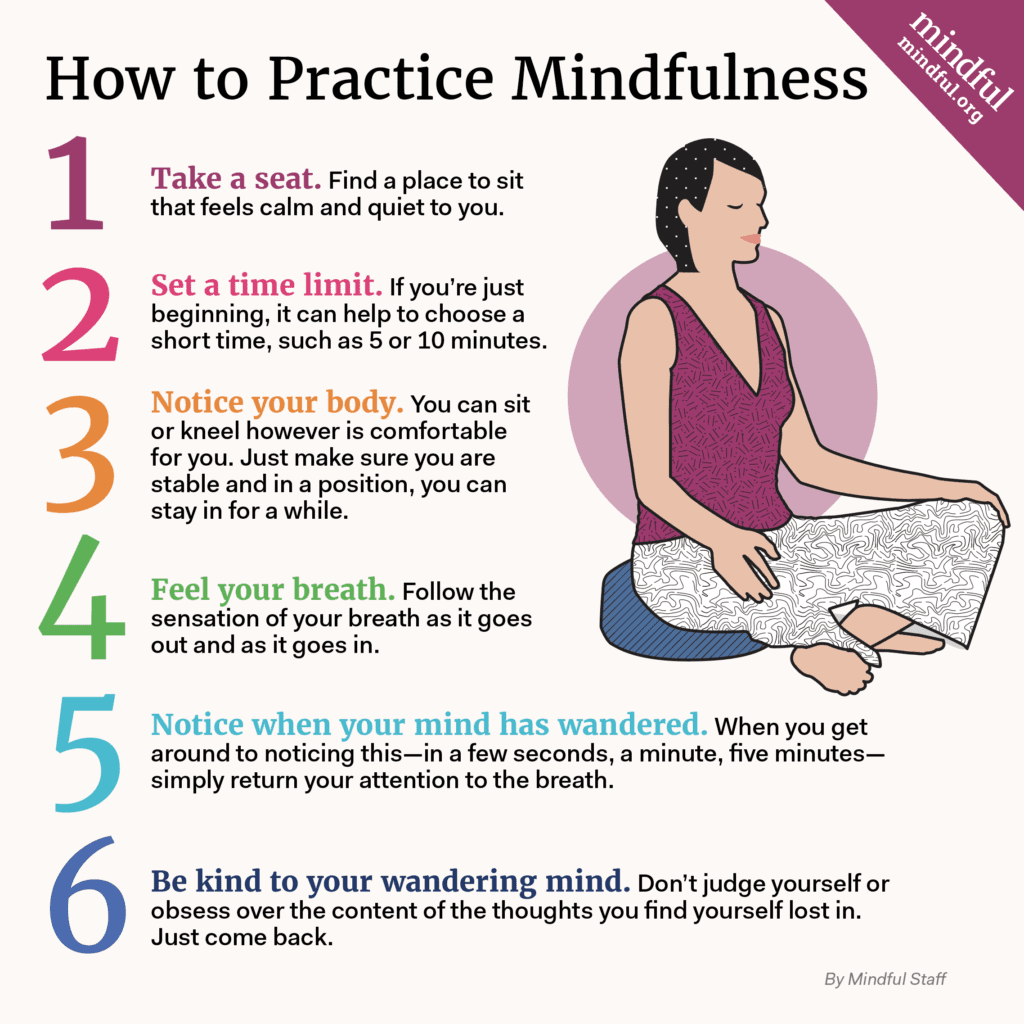
Unlock the Power of Mindfulness to navigate through the chaos of daily life and embrace a path that leads to genuine mental and physical well-being. By integrating mindfulness into our routine, not only do we connect with the present moment, enhancing our daily experiences, but we also unlock a realm where simple joys become the source of our happiness. Let’s explore together how mindfulness fortifies our mental and physical state, guiding us towards a balanced and enriched life Understanding Mindfulness: Mindfulness is the practice of intentionally focusing our attention on the present moment, without judgment. It involves being fully aware of our thoughts, feelings, bodily sensations, and the environment around us. This ancient practice has its roots in Buddhism but has gained significant attention in the scientific community for its profound effects on stress reduction, happiness, and overall health. The Mind-Body Connection: The mind and body are intricately connected, and when one is out of balance, it can impact the other. Mindfulness acts as a bridge, allowing us to cultivate a deeper connection between our thoughts, emotions, and physical sensations. By becoming more attuned to our bodies, we can better understand and address any physical discomfort or imbalances that may arise. The Science Behind Mindfulness: Numerous scientific studies have shown the effectiveness of mindfulness in improving both physical and mental health. One study conducted by Jon Kabat-Zinn, a renowned mindfulness expert, found that individuals who practiced mindfulness experienced significant reductions in symptoms of depression, anxiety, and chronic pain. Another study showed that mindfulness-based interventions were effective in reducing blood pressure and improving heart health. The Benefits of Mindfulness: The benefits of mindfulness are far-reaching and can positively impact various aspects of our lives. Let’s explore some of the remarkable advantages that come with incorporating mindfulness practices into our daily routine. 1. Enhanced Emotional Well-being: Mindfulness strengthens our emotional well-being by increasing our capacity to be fully present and engaged in the present moment. It allows us to savor life’s pleasures as they occur, fostering a greater appreciation for the simple joys that surround us. By practicing mindfulness, we can develop a greater resilience to adversity, reducing worries about the future or regrets about the past. This heightened emotional well-being also helps to form deeper connections with others, fostering more meaningful relationships. 2. Improved Physical Health: Beyond its impact on emotional well-being, mindfulness has been shown to improve physical health in numerous ways. It has been found to alleviate stress, a common precursor to many physical ailments. Regular mindfulness practice has also been linked to a reduction in heart disease risk factors, such as high blood pressure. Additionally, mindfulness can help relieve chronic pain, enhance sleep quality, and alleviate gastrointestinal difficulties. 3. Mental Health Benefits: Mindfulness has gained significant recognition as a valuable tool in the treatment of various mental health conditions. Studies have shown that mindfulness-based interventions are effective in reducing symptoms of depression, anxiety, substance abuse, eating disorders, and obsessive-compulsive disorder. By cultivating a non-judgmental awareness of our thoughts and emotions, mindfulness allows us to develop healthier coping mechanisms and a more positive outlook on life. How Mindfulness Works: To fully understand the benefits of mindfulness, it’s important to explore how it works. Mindfulness helps us accept our experiences, including painful emotions, without reacting to them with aversion or avoidance. By observing our thoughts and emotions without judgment, we can gain a greater perspective on them, allowing us to respond to them more effectively. Combining Mindfulness with Psychotherapy: Mindfulness meditation is often combined with psychotherapy, particularly cognitive-behavioural therapy (CBT). This integration makes sense, as both practices aim to help individuals gain perspective on irrational thoughts and develop healthier cognitive patterns. By incorporating mindfulness into therapy sessions, individuals can learn to cultivate a non-judgmental awareness that supports their mental well-being. Mindfulness Techniques: There are various techniques to practice mindfulness, and the goal of each is to achieve a state of focused relaxation by paying deliberate attention to our thoughts and sensations. Here are some commonly used mindfulness techniques: 1. Basic Mindfulness Meditation: One of the fundamental mindfulness practices is basic mindfulness meditation. Start by sitting quietly and focusing on your natural breathing or repeating a word or mantra silently. Allow thoughts to come and go without judgment, gently returning your attention to your breath or mantra. This practice helps to cultivate a sense of presence and awareness in the present moment. 2. Body Sensations: Another mindfulness technique involves noticing subtle body sensations, such as itching or tingling, without judgment. Take the time to observe each part of your body, from head to toe, paying attention to the physical sensations that arise. 3. Sensory Awareness: Engaging our senses is an effective way to practice mindfulness. Notice the sights, sounds, smells, tastes, and touches in your environment, labeling them without judgment, and allowing them to pass. 4. Emotion Acceptance: Mindfulness teaches us to allow emotions to be present without judgment. Practice naming your emotions, such as “joy,” “anger,” or “frustration,” and accept their presence without trying to suppress or control them. By embracing our emotions, we can develop a healthier relationship with them. 5. Urge Surfing: For those struggling with cravings or addictive behaviours, urge surfing can be a powerful mindfulness technique. Instead of fighting against cravings, mindfully observe how they manifest in your body. Replace the desire for the craving to go away with the knowledge that it will eventually subside. Mindfulness Meditation and Other Practices: Mindfulness can be cultivated through mindfulness meditation, a systematic approach to focusing our attention. While you can learn to meditate on your own through books or audio guides, seeking the support of an instructor or group can be beneficial. They can answer your questions, provide guidance, and help you stay motivated on your mindfulness journey. Getting Started: If you’re new to mindfulness meditation, it’s recommended to start with shorter sessions, gradually increasing the duration over time. Begin by finding a quiet and comfortable space, then follow these steps: Sit on a straight-backed chair or cross-legged

The Power of Mindfulness: Benefits for Physical and Mental Well-being Read More »

Just a few elements of wellness

Top 10 Wellness Tips for a Balanced and Healthy Lifestyle

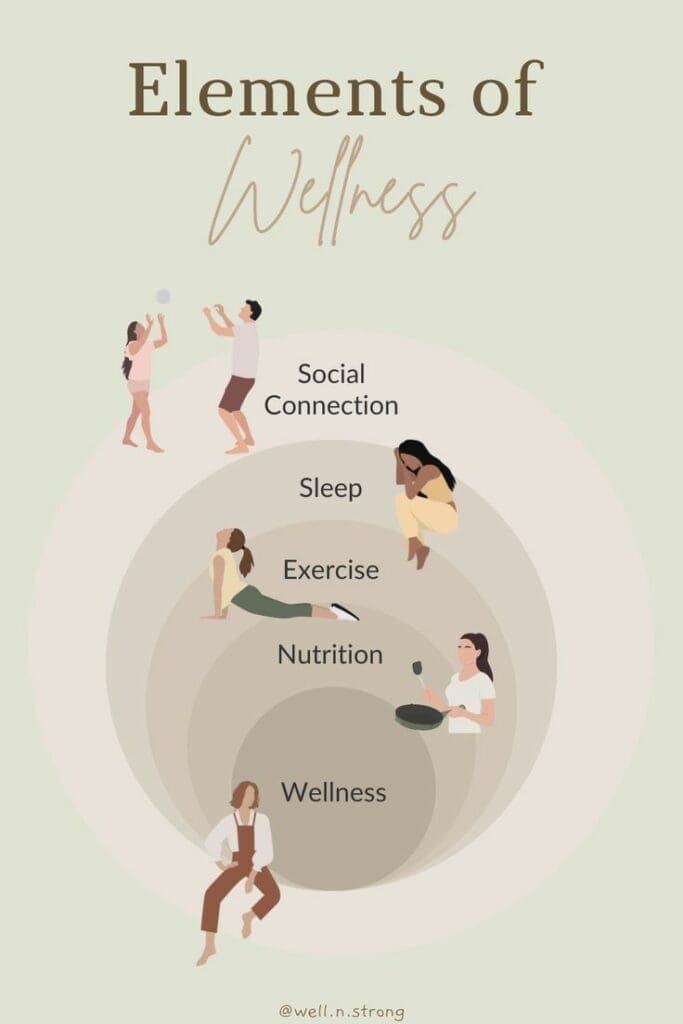
Welcome to a world of wellness where balance and health take center stage. In today’s fast-paced and demanding world, it’s crucial to prioritize our well-being and create a harmonious lifestyle that promotes both physical and mental wellness. Are you ready to embark on a journey towards a more balanced and healthy life? Look no further! In this article, we will explore 10 essential tips to help you achieve just that. From nourishing your body with wholesome foods to finding moments of tranquillity in a chaotic world, we’ll cover it all. So, sit back, relax, and get ready to discover the keys to unlocking a vibrant and fulfilling life. Join us as we delve into the world of wellness and empower ourselves to make positive changes that will have a lasting impact. Let’s dive in and embrace a lifestyle that embraces our well-being and brings us closer to a state of true balance and vitality. The Importance of Wellness in Maintaining a Balanced and Healthy Lifestyle Maintaining a balanced and healthy lifestyle is not just about eating right and exercising regularly. It’s a holistic approach that encompasses all aspects of our well-being, including physical, mental, and emotional health. When we prioritize our wellness, we are better equipped to handle the challenges of daily life, reduce the risk of chronic diseases, and enhance our overall quality of life. One of the key components of wellness is self-care. Taking time for ourselves, nurturing our bodies, and engaging in activities that bring us joy are all essential for maintaining balance. Self-care can take many forms, from indulging in a relaxing bath to practicing meditation or simply spending quality time with loved ones. By making self-care a priority, we can recharge and rejuvenate, allowing us to show up as our best selves in all areas of life. Another important aspect of wellness is stress management. In today’s fast-paced world, stress has become a common occurrence. However, chronic stress can have a detrimental effect on our physical and mental health. Finding healthy ways to manage stress is crucial for maintaining balance and well-being. This can include practices such as deep breathing exercises, yoga, or engaging in hobbies that bring us joy and relaxation. By managing stress effectively, we can improve our overall quality of life and reduce the risk of stress-related illnesses. In addition to self-care and stress management, wellness also involves taking care of our physical health. This includes eating a balanced diet, engaging in regular physical activity, and getting enough sleep. When we fuel our bodies with wholesome foods and stay active, we provide our bodies with the nutrients and energy they need to function optimally. Sleep, on the other hand, is essential for our bodies to rest and repair. By prioritizing these aspects of physical health, we can boost our immune system, improve our cognitive function, and have more energy to tackle the challenges of daily life. Healthy Eating Habits for Overall Well-being A balanced and healthy lifestyle starts with nourishing our bodies with wholesome foods. Healthy eating habits play a crucial role in maintaining optimal well-being and preventing chronic diseases. Here are some essential tips to help you establish healthy eating habits: 1. Focus on whole foods: Incorporate a variety of fruits, vegetables, whole grains, lean proteins, and healthy fats into your diet. These foods are rich in essential nutrients and antioxidants, which support overall health and well-being. 2. Stay hydrated: Drink plenty of water throughout the day to stay hydrated. Water is essential for digestion, nutrient absorption, and detoxification. Aim to drink at least 8 glasses of water per day. 3. Minimize processed foods: Processed foods are often high in added sugars, unhealthy fats, and artificial additives. Limit your intake of processed foods and opt for whole, unprocessed alternatives whenever possible. 4. Practice portion control: Pay attention to portion sizes and listen to your body’s hunger and fullness cues. Avoid overeating and aim for balanced meals that include a variety of nutrients. By adopting these healthy eating habits, you can nourish your body and support overall well-being. The Benefits of Regular Physical Activity Regular physical activity is not only beneficial for maintaining a healthy weight and physical fitness, but it also has numerous other benefits for our overall well-being. Here are some of the key benefits of regular exercise: 1. Improved cardiovascular health: Engaging in regular cardiovascular exercises, such as brisk walking, running, or cycling, can strengthen the heart and improve blood circulation. This can reduce the risk of heart disease and lower blood pressure. 2. Increased energy levels: Regular exercise can boost energy levels by improving blood flow and oxygen delivery to the muscles. It also stimulates the production of endorphins, which are natural mood boosters. 3. Enhanced mental well-being: Exercise has been shown to reduce symptoms of anxiety and depression, improve mood, and increase self-esteem. It can also improve cognitive function and memory. 4. Better sleep quality: Engaging in regular physical activity can improve sleep quality by promoting relaxation and reducing stress. However, it’s important to avoid vigorous exercise close to bedtime, as it can interfere with sleep. 5. Stronger immune system: Regular exercise can boost the immune system, making you less susceptible to common illnesses such as colds and flu. To reap the benefits of regular physical activity, aim for at least 150 minutes of moderate-intensity exercise or 75 minutes of vigorous-intensity exercise per week. Find activities that you enjoy and make them a part of your daily routine. Mental Health and Stress Management Techniques In today’s fast-paced and demanding world, mental health is as important as physical health. Taking care of our mental well-being is crucial for maintaining a balanced and healthy lifestyle. Here are some techniques to promote mental health and effectively manage stress: 1. Practice mindfulness: Mindfulness involves paying attention to the present moment without judgment. It can help reduce stress, enhance self-awareness, and improve overall mental well-being. Try incorporating mindfulness into your daily routine by practicing mindful breathing, eating, or walking. 2. Engage

Top 10 Wellness Tips for a Balanced and Healthy Lifestyle Read More »

intermittent fasting

Unlocking Optimal Nutrition: Surprising Benefits of Intermittent Fasting

Unlocking Optimal Nutrition: Surprising Benefits of Intermittent Fasting Are you looking for a way to improve your nutritional habits and achieve optimal health? Look no further than intermittent fasting. This increasingly popular eating pattern isn’t just a passing trend; it has been proven to offer a wide range of surprising benefits for your body and mind. Intermittent fasting involves cycling between periods of fasting and eating, and while it may sound daunting at first, the rewards are well worth it. From weight loss and improved insulin sensitivity to increased energy levels and enhanced brain function, intermittent fasting has the potential to revolutionize your approach to nutrition. In this article, we will delve into the science behind intermittent fasting and explore the incredible advantages it can bring to your life. Get ready to discover how this simple yet powerful strategy can unlock a whole new level of wellness and vitality. What is intermittent fasting? Intermittent fasting is an eating pattern that involves cycling between periods of fasting and eating. It has been practiced for centuries in various cultures and has gained popularity in recent years due to its potential health benefits. There are different methods of intermittent fasting, such as the 16/8 method, where you fast for 16 hours and have an 8-hour eating window, or the 5:2 method, where you eat normally for 5 days and restrict calorie intake for 2 days.   The science behind intermittent fasting and its effects on the body. Intermittent fasting works by triggering various cellular and molecular changes in the body. When you fast, your body shifts from using glucose as its primary source of energy to burning stored fat for fuel. This metabolic switch leads to weight loss and improved body composition. Additionally, fasting stimulates autophagy, a process in which your body breaks down and recycles old and damaged cells, promoting cellular repair and rejuvenation. Benefits of intermittent fasting for weight loss One of the main reasons people turn to intermittent fasting is for weight loss. By restricting your eating window, you naturally consume fewer calories, leading to a calorie deficit and subsequent weight loss. Additionally, intermittent fasting can help regulate hormones related to hunger and satiety, such as ghrelin and leptin, making it easier to control your food intake. Intermittent fasting has also been shown to increase the production of human growth hormone (HGH), which aids in fat burning and muscle growth. This can result in improved body composition and a leaner physique. Improving insulin sensitivity through intermittent fasting Insulin is a hormone that plays a crucial role in regulating blood sugar levels. When you eat, your body releases insulin to help transport glucose into your cells for energy. However, in conditions like insulin resistance or type 2 diabetes, the body becomes less responsive to insulin, leading to elevated blood sugar levels. Intermittent fasting has been shown to improve insulin sensitivity, allowing your body to better utilize insulin and regulate blood sugar levels. This can lower the risk of developing insulin resistance and type 2 diabetes, as well as help manage existing conditions. Intermittent fasting for better brain health and focus Intermittent fasting not only benefits the body but also the brain. Studies have shown that fasting can increase the production of a protein called brain-derived neurotrophic factor (BDNF), which promotes the growth of new neurons and enhances brain function. This can improve cognitive function, memory, and focus. Furthermore, intermittent fasting has been linked to a reduced risk of neurodegenerative diseases such as Alzheimer’s and Parkinson’s. By reducing inflammation, promoting cellular repair, and increasing the production of antioxidants, fasting may help protect the brain against age-related decline. Intermittent fasting and its impact on metabolism Contrary to the belief that fasting slows down metabolism, intermittent fasting can actually have a positive effect on metabolic rate. During fasting periods, your body’s metabolic rate may increase as it shifts to burning stored fat for energy. This can lead to greater calorie expenditure and potentially enhance weight loss. Additionally, intermittent fasting has been shown to increase levels of adiponectin, a hormone involved in regulating metabolism. Higher levels of adiponectin have been associated with improved insulin sensitivity, reduced inflammation, and a lower risk of metabolic disorders. How intermittent fasting can improve gut health The health of your gut plays a crucial role in overall well-being. Intermittent fasting can support gut health by promoting a healthy gut microbiome, the community of bacteria living in your digestive system. Studies have shown that fasting can increase the diversity of gut bacteria and promote the growth of beneficial strains. Intermittent fasting also gives your digestive system a break, allowing it to rest and recover. This can reduce inflammation in the gut and improve conditions such as bloating, gas, and indigestion. Intermittent fasting and its role in reducing inflammation Chronic inflammation is a contributing factor to many health conditions, including heart disease, diabetes, and certain cancers. Intermittent fasting has been shown to reduce markers of inflammation in the body, such as C-reactive protein (CRP) and interleukin-6 (IL-6). By reducing inflammation, intermittent fasting may help lower the risk of developing chronic diseases and promote overall health and longevity. Intermittent fasting and its potential anti-aging benefits Aging is a natural process, but certain lifestyle factors can influence the rate at which our bodies age. Intermittent fasting has been associated with potential anti-aging benefits, primarily through its effects on cellular repair and autophagy. Fasting triggers cellular repair processes, helping to remove damaged molecules and promote the regeneration of healthy cells. This can slow down the aging process and potentially extend lifespan. Intermittent fasting tips and best practices If you’re considering trying intermittent fasting, here are some tips to help you get started: 1. Start slowly: Begin with a shorter fasting window and gradually increase it as your body adapts. 2. Stay hydrated: Drink plenty of water during fasting periods to stay hydrated and curb hunger. 3. Choose nutrient-dense foods: Focus on consuming whole, unprocessed foods during your eating window to maximize nutritional intake. 4.

Unlocking Optimal Nutrition: Surprising Benefits of Intermittent Fasting Read More »