
Chair Yoga For Seniors
Discover the benefits of chair yoga for seniors! Enhance flexibility, strength, and balance with gentle movements. Start your journey to well-being today!
Chair Yoga For Seniors Read More »
Discover the benefits of chair yoga for seniors! Enhance flexibility, strength, and balance with gentle movements. Start your journey to well-being today!
Chair Yoga For Seniors Read More »
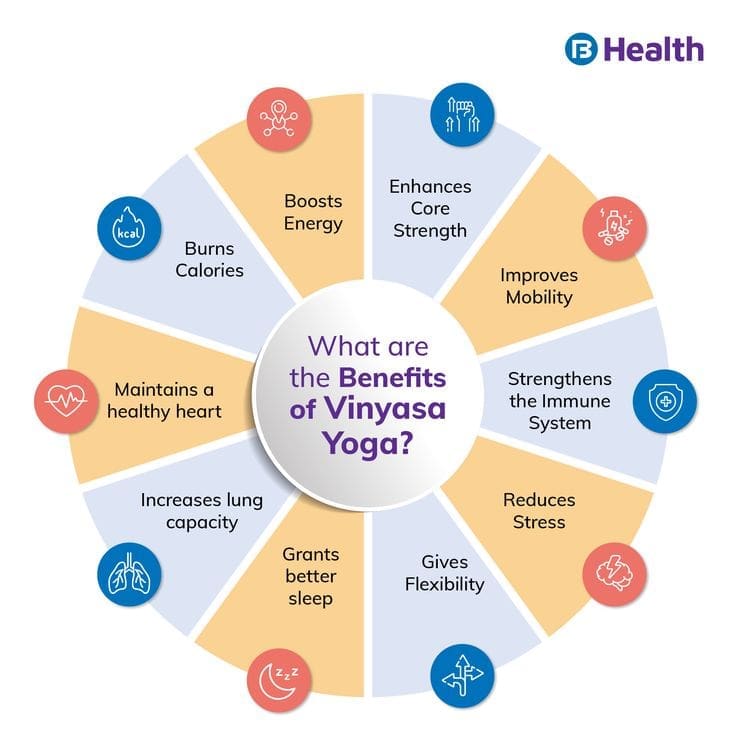
Discover the transformative benefits of Vinyasa Flow Yoga for your body and mind. Enhance flexibility, strength, and mindfulness in this dynamic practice.
Vinyasa Flow Yoga Benefits Read More »
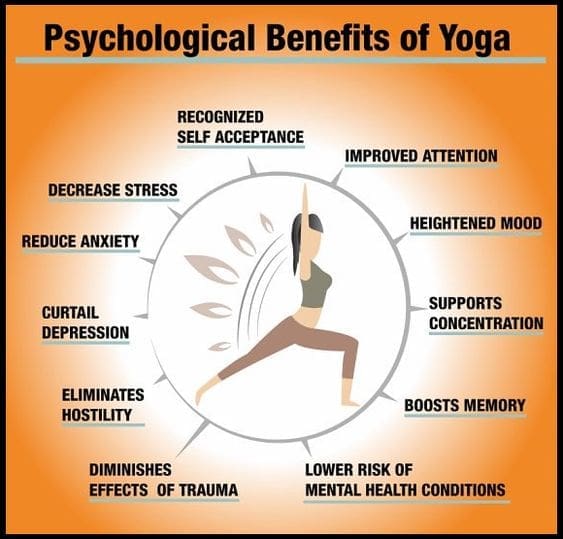
Explore Different Types Of Yoga And Benefits and their advantages. Enhance flexibility, relieve stress, and build strength with diverse yoga practices for well-being.
Different Types Of Yoga And Benefits Read More »

Explore “5 Different Types Of Yoga,” from dynamic Vinyasa to serene Yin, for holistic well-being.
5 Different Types Of Yoga Read More »
Explore Yin Yoga’s deep stretching poses for enhanced flexibility, relaxation, and balance. Dive into a transformative practice with us.
Exploring Yin Yoga: Essential Poses For Deep Stretching Read More »
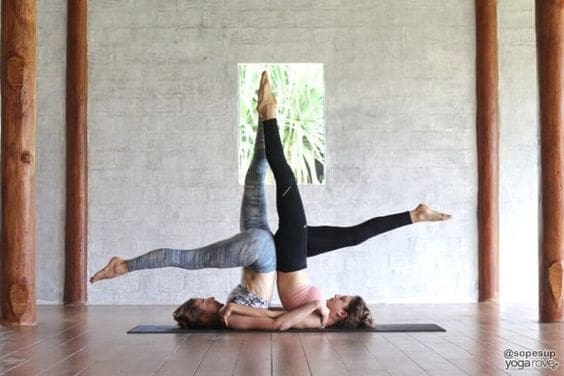
Yoga Types: Are you eager to navigate the world of yoga but uncertain about the starting point? We’ve got you covered! In this piece, we’ll dive deep into the diversity of Yoga Types, presenting ten distinct forms you shouldn’t miss out on today. From the foundational Hatha yoga to the vigorous power yoga, there’s a fit for everyone. Regardless if you’re a novice or a seasoned yogi, this article will guide you through various Yoga Types, enriching your routine and instilling a harmonious balance and tranquility in your life. So, roll out your yoga mat and embark on this enlightening journey through the diverse realm of yoga! 1. Hatha Yoga Introduction to Hatha Yoga Hatha Yoga is one of the most well-known and widely practiced forms of yoga. It originated in ancient India and focuses on physical postures (asanas) and breath control (pranayama). In Sanskrit, “ha” means sun and “tha” means moon, symbolizing the balance of opposing forces within the body. Hatha Yoga aims to create harmony between the mind, body, and spirit through mindful movement and controlled breathing. Benefits of Hatha Yoga Hatha Yoga offers numerous benefits for both the body and mind. Regular practice can improve flexibility, balance, and strength. It also helps to increase body awareness and promote relaxation. Hatha Yoga is a great way to relieve stress and reduce anxiety, as it encourages deep breathing and mindful movements. Additionally, it can improve posture and help prevent injuries by enhancing body alignment. Hatha Yoga Poses Hatha Yoga includes a wide range of poses that vary in difficulty and intensity. Some common poses include Mountain Pose (Tadasana), Downward-Facing Dog (Adho Mukha Svanasana), Warrior 1 (Virabhadrasana 1), and Child’s Pose (Balasana). These poses target different parts of the body, such as the legs, core, and back, providing a full-body workout. Hatha Yoga also incorporates gentle stretches and relaxation poses to release tension and promote a sense of calm. Hatha Yoga Classes Hatha Yoga classes are widely available and suitable for practitioners of all levels, from beginners to advanced yogis. In a typical Hatha Yoga class, you can expect a combination of physical postures, breathing exercises, and meditation. Classes may vary in duration, but they usually run for about 60 to 90 minutes. Hatha Yoga classes are led by experienced instructors who guide students through each pose, ensuring proper alignment and offering modifications when needed. 2. Vinyasa Yoga Introduction to Vinyasa Yoga Vinyasa Yoga, also known as flow yoga, is a dynamic and fast-paced style of yoga that synchronizes breath with movement. It emphasizes continuous transitions between poses, creating a seamless flow of energy throughout the practice. Vinyasa Yoga originated from Hatha Yoga and has gained popularity for its creative sequences and vigorous nature. Benefits of Vinyasa Yoga Vinyasa Yoga offers a multitude of benefits for both the body and mind. The flowing movements help build strength, stamina, and cardiovascular fitness. The breath-focused aspect of Vinyasa Yoga promotes mindfulness and concentration, leading to improved mental clarity and focus. Regular practice can also enhance flexibility, coordination, and body awareness. Vinyasa Yoga Poses Vinyasa Yoga encompasses a wide array of poses, including standing, seated, and balancing poses. Some common poses in Vinyasa Yoga sequences include Sun Salutations (Surya Namaskar), Warrior poses (Virabhadrasana), Plank pose (Phalakasana), and Tree pose (Vrksasana). These poses are often linked together through transitional movements, creating a fluid and dynamic practice. Vinyasa Yoga Classes Vinyasa Yoga classes are energetic and suitable for practitioners of various levels. Each class is unique, as instructors design sequences that cater to different themes, levels of difficulty, and target areas of the body. Classes typically begin with a warm-up followed by a series of dynamic poses, and end with a cool-down period. Vinyasa Yoga classes provide a challenging yet enjoyable experience that leaves practitioners feeling rejuvenated and invigorated. 3. Ashtanga Yoga Introduction to Ashtanga Yoga Ashtanga Yoga, often referred to as “eight-limbed yoga,” is a dynamic and physically demanding form of yoga. It follows a specific sequence of poses that are practiced in a predetermined order. Ashtanga Yoga focuses on synchronizing breath with movement and aims to purify the body and mind through intense physical exertion. Benefits of Ashtanga Yoga Ashtanga Yoga offers a range of benefits for practitioners. The repetitive nature of the practice helps build strength, endurance, and flexibility. It also enhances focus and concentration, as the synchronized breath and movement require full attention. Ashtanga Yoga promotes detoxification of the body through the generation of heat and sweat. Regular practice can lead to improved posture, weight management, and a sense of inner calm. Ashtanga Yoga Poses Ashtanga Yoga follows a set sequence of poses divided into six series. The Primary Series (Yoga Chikitsa) is the first series and focuses on realigning and detoxifying the body. It includes standing poses, forward folds, hip openers, and inversions. The subsequent series introduce more challenging poses and variations to further deepen the practice. Ashtanga Yoga poses require strength, flexibility, and perseverance. Ashtanga Yoga Classes Ashtanga Yoga classes are typically led in a traditional Mysore style, where students practice the Ashtanga sequence at their own pace under the guidance of an experienced teacher. Beginners can start with shorter sessions and gradually increase their practice. Mysore-style classes allow for personalized attention and modifications based on individual abilities. The disciplined and structured nature of Ashtanga Yoga creates a focused and meditative environment. 4. Bikram Yoga Introduction to Bikram Yoga Bikram Yoga, created by Bikram Choudhury, is a style of yoga practiced in a heated room. It consists of a series of 26 poses and two breathing exercises. Bikram Yoga follows a specific sequence and is performed in a room heated to approximately 105 degrees Fahrenheit (40 degrees Celsius) with high humidity. Benefits of Bikram Yoga Bikram Yoga offers various physical and mental benefits. The heat and humidity in the room help warm up the muscles and increase flexibility, allowing for deeper stretches. It also promotes detoxification through sweat, helping to rid the body of toxins. The sequence of
10 Essential Yoga Types: Embrace the Diversity Read More »
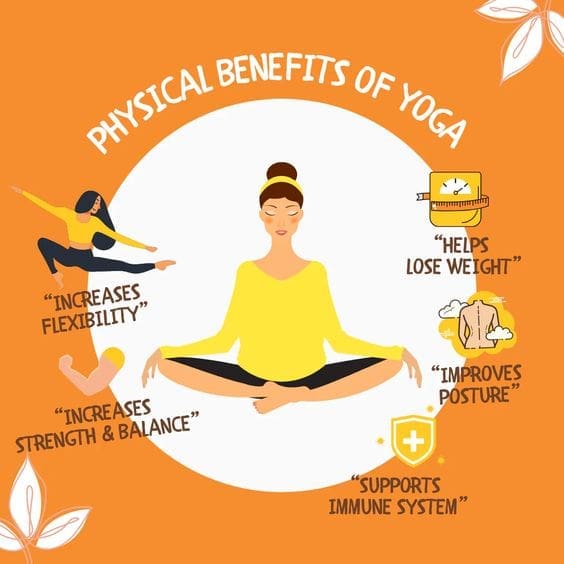
Have you been exploring the wonders of Hatha Yoga to enhance your mental and physical well-being? You’re in the right place! This guide will delve into ten vital insights to seamlessly integrate Hatha Yoga practices into your day-to-day life. Whether you aim to boost flexibility, maintain equilibrium, diminish stress, or cultivate serenity, these revelations promise to usher you into a realm of unparalleled health and tranquility. So, roll out your yoga mat, seek a serene corner, and prepare to immerse yourself in the transformative world of Hatha Yoga. The Origins of Hatha Yoga Introduction to Hatha Yoga Hatha Yoga is a branch of yoga that focuses on physical postures (asanas), breath control (pranayama), and meditation. It originated in ancient India and has been practiced for thousands of years. Hatha Yoga is often seen as a gentle and accessible form of yoga, suitable for beginners and experienced practitioners alike. Historical Background The roots of Hatha Yoga can be traced back to the 11th century in India, although its principles and practices can be found in the ancient texts known as the Upanishads and the Bhagavad Gita. Hatha Yoga was developed as a means to prepare the body for the spiritual practice of Raja Yoga. It gained popularity in the West during the 20th century when renowned yogis, such as Swami Sivananda and B.K.S. Iyengar, introduced it to the world. Philosophical Roots Hatha Yoga draws inspiration from the philosophical teachings of ancient Indian scriptures, including the Yoga Sutras of Patanjali. The foundation of Hatha Yoga lies in the belief that the body and the mind are interconnected. By working with the body through physical postures and breath control, practitioners can achieve a state of balance, harmony, and self-realization. Benefits of Hatha Yoga Physical Well-being Practicing Hatha Yoga regularly can lead to numerous physical benefits. The asanas (yoga poses) help improve strength, flexibility, and balance. They also promote better posture, relieve tension, and enhance circulation. Hatha Yoga is known to alleviate chronic pain and improve overall physical well-being. Mental and Emotional Health Hatha Yoga not only benefits the body but also has a positive impact on mental and emotional health. The practice promotes relaxation, reduces stress, and calms the mind. Through mindful breathing and meditation, practitioners can gain clarity, improve focus, and develop a sense of inner peace and emotional stability. Spiritual Growth Hatha Yoga provides a pathway for spiritual growth and self-discovery. By cultivating awareness and mindfulness, practitioners can connect with their inner selves and tap into their spiritual essence. The practice of meditation helps quiet the mind, allowing for a deeper understanding of oneself and the world around us. Principles of Hatha Yoga Asanas (Yoga Poses) Asanas are the physical postures practiced in Hatha Yoga. They are designed to strengthen and stretch the body while promoting balance and stability. Asanas help improve flexibility, release tension, and create a sense of physical and mental harmony. Regular practice of asanas can enhance overall well-being and vitality. Pranayama (Breathing Techniques) Pranayama focuses on breath control and regulation. Through various breathing techniques, practitioners can cultivate awareness of the breath and harness its power to calm the mind and invigorate the body. Pranayama helps improves lung capacity, relieves anxiety, and promotes a sense of well-being. Mudras (Hand Gestures) Mudras are symbolic hand gestures used in Hatha Yoga to activate energy channels in the body. By placing the hands in specific positions, practitioners can influence the flow of energy and promote balance and healing. Mudras help deepen concentration, increase vitality, and enhance the overall benefits of the practice. Bandhas (Energy Locks) Bandhas are energetic locks performed during the practice of asanas and pranayama. By engaging specific muscles and controlling the flow of energy, bandhas help redirect and contain vital energy within the body. This can lead to increased physical strength, enhanced mental clarity, and a heightened state of awareness. Secret 1: Importance of Alignment Understanding Proper Body Alignment Proper body alignment is crucial in Hatha Yoga to ensure maximum benefits and prevent injuries. It involves aligning the various parts of the body, such as the head, spine, and limbs, in a way that supports the natural curves and structure of the body. Understanding and practicing proper alignment can optimize the effectiveness of asanas and promote overall body balance. Benefits of Correct Alignment Correct alignment in Hatha Yoga not only reduces the risk of injury but also allows for a deeper and more profound practice. By aligning the body correctly, one can access the full potential of each pose, allowing for better engagement of muscles and improved energy flow. Proper alignment can also enhance the benefits of pranayama and meditation, leading to a more holistic practice. Secret 2: Breath Awareness The Connection Between Breath and Mind In Hatha Yoga, the breath plays a significant role in connecting the body and mind. By bringing focus and awareness to the breath, practitioners can calm the mind, reduce stress, and enter a meditative state. The breath serves as an anchor, helping to center and ground the practitioner in the present moment. Practices for Enhancing Breath Awareness There are various practices in Hatha Yoga that can enhance breath awareness. One such practice is deep diaphragmatic breathing, where the breath is directed into the belly rather than remaining shallow in the chest. Another technique is alternate nostril breathing, which balances the energy flow in the body. By incorporating these practices into your yoga routine, you can deepen your breath awareness and experience the transformative power of the breath. Secret 3: Mindfulness and Meditation Exploring Mindfulness in Hatha Yoga Mindfulness is a state of non-judgmental awareness, where one pays attention to the present moment with acceptance and curiosity. In Hatha Yoga, mindfulness is cultivated through the practice of asanas, pranayama, and meditation. By bringing conscious awareness to each movement, breath, and sensation, practitioners can experience the present moment fully and deepen their connection with themselves. Incorporating Meditation into Your Practice Meditation is an integral part of Hatha Yoga and offers a host of
Exploring Hatha Yoga: 10 Wellness Keys Read More »
In 2023, if you’re a beginner looking to try out Hatha Yoga and experience its numerous benefits, you’ve come to the right place! This article will guide you through the 5 best Hatha Yoga poses specifically designed for beginners. Whether you’re looking to improve flexibility, enhance relaxation, or find inner peace, these poses are perfect for starting your Hatha Yoga journey. So, roll out your yoga mat, and get ready to explore these simple yet effective poses that will leave you feeling refreshed, energized, and ready to take on the day! 1. Mountain Pose (Tadasana) Benefits of Mountain Pose Mountain Pose, also known as Tadasana, is a foundational standing pose in yoga that provides numerous benefits for both the mind and body. This pose helps improve posture, strengthens the muscles of the legs and feet, and promotes balance and stability. It also helps to increase body awareness, calm the mind, and improve focus and concentration. Mountain Pose is a great starting point for beginners as it sets the foundation for other standing poses in yoga practice. How to Perform Mountain Pose To perform Mountain Pose, start by standing tall with your feet together or hip-width apart. Distribute your weight evenly on both feet and engage the muscles of your legs. Lengthen your spine and lift the crown of your head towards the ceiling. Relax your shoulders, allowing them to roll back and down. Palms can face forward or rest gently by your sides. Take deep, slow breaths and hold the pose for several breaths or as long as comfortable. Modifications for Beginners For beginners, it’s common to struggle with balance and alignment in Mountain Pose. To make this pose more accessible, you can stand with your feet hip-width apart for added stability. Placing a block between your thighs can also help engage the leg muscles and promote proper alignment. If you have difficulty standing for long periods, you can practice Mountain Pose against a wall for support. 2. Tree Pose (Vrikshasana) Benefits of Tree Pose Tree Pose, also known as Vrikshasana, is a standing balance pose that helps improve concentration, focus, and balance. This pose strengthens the muscles of the legs and feet, improves posture, and increases the flexibility of the hips and groin. Tree Pose also promotes a sense of rootedness and stability, both physically and mentally, making it an excellent pose for beginners looking to build strength and stability. How to Perform Tree Pose To perform Tree Pose, start by standing tall with your feet hip-width apart. Shift your weight onto your left foot and lift your right foot, placing the sole of your right foot on your left inner thigh. If your balance is unstable, you can rest your right foot on your left calf or ankle instead. Bring your hands to your heart center or extend them overhead, reaching towards the sky. Find a focal point in front of you to help with balance and hold the pose for several breaths. Repeat on the other side. Modifications for Beginners For beginners, maintaining balance in Tree Pose can be challenging. You can practice the pose with your back against a wall for support or use a chair to hold onto for stability. Another modification is to place the sole of your foot on your inner calf rather than your thigh. As you build strength and balance, gradually work towards placing your foot higher on your thigh. 3. Downward Facing Dog (Adho Mukha Svanasana) Benefits of Downward Facing Dog Downward Facing Dog, also known as Adho Mukha Svanasana, is a popular yoga pose that stretches and strengthens the entire body. This pose lengthens the spine, opens the shoulders and chest, strengthens the arms and legs, and increases flexibility in the hamstrings and calves. Downward Facing Dog also helps to relieve stress, calm the mind, improve digestion, and energize the body, making it an excellent pose for beginners to include in their practice. How to Perform Downward Facing Dog To perform Downward Facing Dog, start on your hands and knees with your wrists under your shoulders and your knees under your hips. Press through your palms, tuck your toes under, and lift your knees off the mat, straightening your legs. Lengthen your spine, reaching your tailbone towards the ceiling, and allow your heels to sink towards the floor. Engage your core and legs, and relax your head and neck. Hold the pose for several breaths. Modifications for Beginners For beginners, tight hamstrings can make it challenging to keep the legs straight in Downward Facing Dog. You can bend your knees slightly to alleviate any discomfort and focus on lengthening your spine. Placing a block under your hands can also help bring the floor closer to you, making the pose more accessible. If you have wrist issues, you can perform the pose on your forearms instead. 4. Warrior II (Virabhadrasana II) Benefits of Warrior II Warrior II, also known as Virabhadrasana II, is a powerful standing pose that strengthens the legs, opens the hips, and improves balance and concentration. This pose energizes the entire body while building strength and endurance. Warrior II also enhances stability and promotes a sense of empowerment and confidence. It is a great pose for beginners to cultivate strength and resilience. How to Perform Warrior II To perform Warrior II, start by standing with your feet wide apart. Turn your right foot out to the side, keeping your left foot slightly turned in. Extend your arms parallel to the floor, with your right arm reaching forward and your left arm reaching backward. Bend your right knee, aligning it over your right ankle, and gaze over your right fingertips. Keep your shoulders relaxed and your core engaged. Hold the pose for several breaths and repeat on the other side. Modifications for Beginners For beginners, maintaining stability and balance in Warrior II can be challenging. You can widen your stance or decrease the depth of your lunge to make the pose more accessible. Placing your hands on
5 Best Hatha Yoga Poses for Beginners Read More »
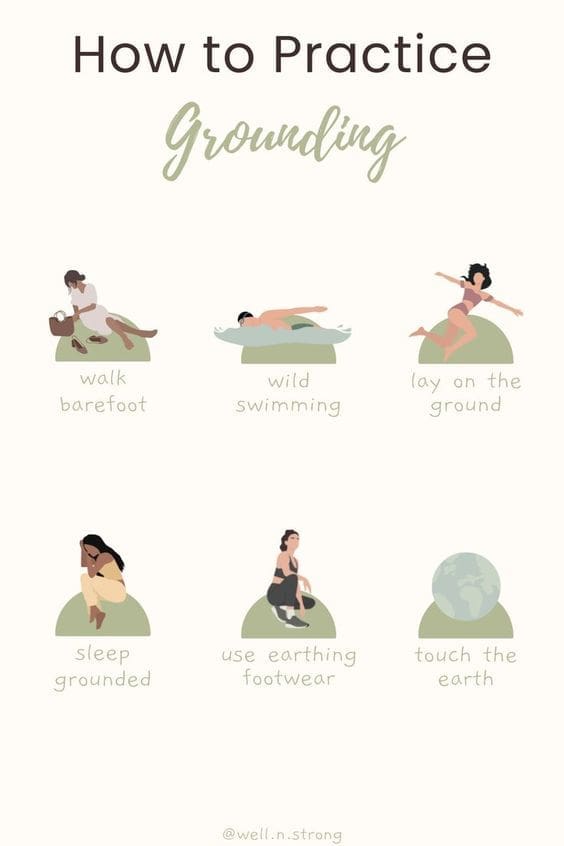
Grounding yoga is an increasingly popular practice that has numerous benefits for both the mind and body. By connecting with the earth beneath us, grounding yoga allows individuals to feel rooted, stable, and present. This article explores the wide range of advantages associated with this ancient practice, including improved physical strength, enhanced mental clarity, reduced stress levels, and a greater sense of overall well-being. Whether you are a beginner or a seasoned yogi, incorporating grounding yoga into your routine can have a transformative effect on your overall health and daily life. Physical Benefits Improves Balance Grounding yoga poses, such as tree pose and mountain pose, help to improve balance. These poses require us to focus on our stability and connect with the Earth beneath us. By practicing these poses regularly, we can strengthen the muscles in our feet, ankles, and legs that are essential for maintaining balance. Improved balance not only enhances our physical well-being but also reduces the risk of falls and injuries. Strengthens Muscles Grounding yoga involves holding poses that require us to engage various muscle groups. As we practice these poses, our muscles are gradually strengthened and toned. Poses like warrior and downward dog specifically target the muscles in the arms, shoulders, abdomen, and legs. Stronger muscles contribute to better posture, increased stability, and improved overall strength. Increases Flexibility One of the key benefits of grounding yoga is increased flexibility. As we move through different grounding poses, we stretch and lengthen our muscles, tendons, and ligaments. This gradual stretching helps to improve our range of motion, making us more flexible over time. Enhanced flexibility allows us to move more freely in our day-to-day activities and reduces the risk of muscle strains and injuries. Enhances Coordination Grounding yoga requires us to pay attention to our body’s alignment and movements, promoting improved coordination. As we practice grounding poses that involve balancing and transitioning between different positions, our brain and muscles work together to execute these movements with precision. This enhances our motor skills and coordination, leading to better overall physical performance. Improves Posture Grounding yoga focuses on body alignment, which can greatly improve posture. Many of us spend long hours sitting or standing with poor posture, leading to muscle imbalances and discomfort. By practicing grounding yoga regularly, we can strengthen the muscles that support proper posture, such as the core, back, and neck muscles. This helps us maintain an upright and aligned posture, reducing the strain on our muscles and joints. Mental Benefits Reduces Stress and Anxiety Grounding yoga is known for its ability to reduce stress and anxiety. The practice involves deep breathing, mindfulness, and gentle movements that help to calm the nervous system and promote relaxation. By focusing on the present moment and letting go of worries and intrusive thoughts, we can experience a sense of peace and tranquillity. Regular practice of grounding yoga can help us manage stress more effectively and reduce symptoms of anxiety. Promotes Mental Clarity Grounding yoga requires us to bring our attention to the present moment and quiet the mind. This practice of mindfulness and inward reflection promotes mental clarity. By clearing our mental clutter and focusing on the sensations in our body, we can enhance our ability to think clearly and make decisions more effectively. Grounding yoga provides a space for mental stillness, allowing us to cultivate a calm and focused state of mind. Boosts Mood Engaging in grounding yoga can have a positive impact on our mood. The combination of deep breathing, physical movement, and mindful awareness helps to release endorphins, the body’s natural mood-enhancing chemicals. These feel-good hormones flood our system, promoting a sense of happiness and well-being. Regular practice of grounding yoga can support emotional balance and uplift our mood, even in challenging times. Enhances Concentration Grounding yoga cultivates a single-pointed focus and concentration. Through the practice of holding poses and paying attention to our breath, we train our mind to stay present and focused. This enhanced concentration can then be transferred to other areas of our lives, such as work or studies, where we may need to sustain focus for extended periods. Improved concentration leads to increased productivity and efficiency. Improves Sleep Quality Grounding yoga can have a positive impact on our sleep quality. The deep relaxation and stress reduction experienced during grounding yoga practice prepare our body and mind for restful sleep. By practicing grounding yoga before bedtime, we can release tension, calm our thoughts, and promote a state of deep relaxation. This helps us to fall asleep faster and experience more rejuvenating sleep, waking up feeling refreshed and energized. Emotional Benefits Relieves Tension and Emotional Stress Grounding yoga provides a safe space to release tension and emotional stress that we accumulate throughout the day. The mindful movement and deep breathing techniques help to release any physical and emotional blockages in our body. As we practice grounding yoga, we can experience a sense of emotional release, letting go of stress, anxiety, and tension. This allows us to experience a greater sense of emotional well-being. Increases Self-awareness Grounding yoga encourages self-reflection and introspection, leading to increased self-awareness. By paying attention to how our body feels in each pose and noticing the sensations that arise during our practice, we can better understand our own physical and emotional needs. This heightened self-awareness extends beyond the yoga mat and into our daily lives, helping us make conscious choices and cultivate a deeper connection with ourselves. Promotes Mindfulness Mindfulness is a key aspect of grounding yoga. Being fully present and attentive to each moment can help us cultivate a sense of mindfulness. Grounding yoga encourages us to focus on the sensations in our body, our breath, and the present moment. By practicing this mindful awareness, we can develop a greater sense of presence and appreciation for the simple joys of life. Boosts Self-esteem Grounding yoga promotes self-acceptance and self-love, leading to increased self-esteem. By connecting with our body and recognizing its strength and capabilities, we develop a deeper sense of
Benefits Of Grounding Yoga Read More »

Understanding Kundalini Yoga Discover the transformative power of Kundalini yoga as you embark on a journey to unlock your spiritual side. In this article, you will explore six techniques that will guide you towards a deeper understanding of yourself and the universe. Through breathwork, movement, and meditation, you will learn how to awaken the dormant energy within you, leading to a profound spiritual awakening. Get ready to embark on a transformative journey as you embrace the ancient wisdom of Kundalini yoga and tap into your true potential. What is Kundalini Yoga? Kundalini Yoga is a powerful practice that combines physical postures, breathing techniques, meditation, chanting, and mantras to awaken the dormant spiritual energy within you. The word “kundalini” refers to the coiled energy at the base of your spine, and the aim of Kundalini Yoga is to uncoil that energy and allow it to rise up through the body, activating and aligning the seven energy centers, or chakras. The History of Kundalini Yoga Kundalini Yoga has a rich history that dates back thousands of years. It originated in ancient India and was kept secret and passed down orally from teacher to student. It was not until the late 1960s that Kundalini Yoga was brought to the West by Yogi Bhajan. Yogi Bhajan taught that Kundalini Yoga is a practice for householders – people living in the modern world – to awaken their true potential and create a sense of balance, clarity, and elevation in their everyday lives. Benefits of Kundalini Yoga Kundalini Yoga offers a wide range of benefits for your physical, mental, and emotional well-being. Regular practice can help increase your energy levels, reduce stress and anxiety, improve flexibility and strength, enhance concentration and focus, and promote deep relaxation and restful sleep. It can also boost your immune system, balance your hormones, and improve your overall vitality. Kundalini Yoga is known for its transformative power, helping you connect with your inner self and tap into your higher consciousness. Preparing for Kundalini Yoga Choosing a Kundalini Yoga Teacher When embarking on your Kundalini Yoga journey, it’s important to find a qualified and experienced teacher who resonates with your energy and teaching style preference. Look for a teacher who has completed teacher training specifically in Kundalini Yoga and who has a deep understanding of the practice. A good teacher will guide you safely, provide individualized support, and inspire you on your path. Finding a Suitable Practice Space Creating a conducive environment for Kundalini Yoga is essential to fully immerse yourself in the practice. Find a quiet and clean space in your home where you can practice without distractions. Ideally, the space should be well-ventilated, free of clutter, and have enough room for you to move around comfortably. Consider decorating your practice area with inspiring images, plants, or crystals to enhance the positive energy flow. Gathering the Necessary Equipment To practice Kundalini Yoga, you don’t need much equipment. The essentials include a comfortable yoga mat or rug to cushion your body during physical postures and a meditation cushion or blanket to support your seated meditation practice. It can also be helpful to have a bolster or yoga blocks for additional support, especially if you have physical limitations. Wear loose, breathable clothing that doesn’t restrict your movement, and have a water bottle nearby to stay hydrated throughout the practice. Kundalini Yoga Techniques Breathing Exercises (Pranayama) Breathing exercises, or pranayama, are an integral part of Kundalini Yoga. They help regulate your energy, calm the mind, and connect with your inner self. One common pranayama technique in Kundalini Yoga is the Breath of Fire, which involves rapid, rhythmic inhales and exhales through the nose. This technique ignites the fire within, clears the subconscious mind, and fuels the energy flow throughout the body. Physical Postures (Asanas) Physical postures, or asanas, in Kundalini Yoga are designed to strengthen the body and balance the energy centers. They typically involve dynamic movements, stretching, and holding poses in conjunction with specific breath patterns. Each asana targets different areas of the body and has specific benefits for physical and energetic alignment. Examples of Kundalini Yoga asanas include the Cobra Pose, the Archer Pose, and the Bow Pose. Chanting and Mantras Chanting and reciting mantras are powerful tools in Kundalini Yoga to create vibrational shifts and connect with the divine energy. Mantras are sacred sounds, words, or phrases that have been used for centuries to evoke specific qualities and states of consciousness. The most famous mantra in Kundalini Yoga is “Sat Nam,” which means “truth is my identity.” Regular chanting and mantra repetition can help awaken your inner truth, elevate your awareness, and bring clarity and focus to your mind. Meditation Meditation is a cornerstone of Kundalini Yoga, allowing you to quiet the mind, deepen your awareness, and experience a sense of unity with the universe. Kundalini meditations often involve the use of breath, visualization, mantra repetition, or focusing on specific energy centers or chakras. Through regular meditation practice, you can experience profound stillness, expanded consciousness, and a deeper connection to your higher self. Kriyas Kriyas are complete sequences of Kundalini Yoga exercises designed to target specific aspects of physical, mental, and energetic well-being. Each kriya is carefully curated to create a specific effect and may include a combination of asanas, pranayama, chanting, and mudras. Practicing kriyas helps cleanse and balance the body, strengthen the nervous system, and stimulate the flow of Kundalini energy. Using Mudras Mudras are hand gestures or positions used to channel and direct energy within the body. They are often incorporated into Kundalini Yoga practice to intensify the energetic effects of asanas, pranayama, or meditation. Each mudra has a different purpose and effect, such as promoting clarity, activating specific chakras, or balancing the elements within you. Some common mudras in Kundalini Yoga include Gyan Mudra (connecting with wisdom) and Shuni Mudra (bringing patience). Safely Initiating Kundalini Awakening Understanding the Risks and Possible Side Effects Kundalini awakening is a transformative process that can have profound effects on your
Unlocking Your Spiritual Side with 6 Kundalini Yoga Techniques Read More »