
sleep 2

10 Easy Ways to Embrace Healthy Living in Your Daily Routine

Living a healthy lifestyle doesn’t have to be complicated or overwhelming. In fact, it can be as simple as making a few small changes to your daily routine. By incorporating healthy habits into your everyday life, you can improve your overall well-being and set yourself up for long-term success. From nourishing your body with nutritious foods to finding time for exercise and self-care, there are countless ways to prioritize your health and make positive choices. In this article, we will explore 10 simple and practical ways to incorporate healthy living into your daily routine. Whether you are a busy professional or a stay-at-home parent, these tips are designed to be easily integrated into any lifestyle. So, let’s dive in and discover how you can take small steps towards a healthier and happier you. Why is healthy living important? Living a healthy lifestyle is essential for maintaining overall well-being. It not only improves physical health but also has a positive impact on mental and emotional well-being. When you prioritize your health, you are better equipped to handle the challenges that life throws at you. Healthy living can help boost your immune system, increase energy levels, and improve productivity. It can also reduce the risk of chronic diseases such as heart disease, diabetes, and certain types of cancer. Additionally, healthy habits can improve mental clarity, reduce stress and anxiety, and promote better sleep. Overall, incorporating healthy living into your daily routine is crucial for leading a fulfilling and balanced life. Benefits of incorporating healthy habits into your daily routine Incorporating healthy habits into your daily routine offers numerous benefits that can enhance your quality of life. One of the key benefits is increased energy levels. When you nourish your body with nutritious foods and engage in regular exercise, you provide it with the fuel it needs to function optimally. This can result in higher energy levels throughout the day, allowing you to be more productive and focused. Another benefit is improved mental and emotional well-being. Engaging in self-care activities, such as practicing mindfulness or taking time for relaxation, can reduce stress and improve overall mood. Additionally, incorporating healthy habits can boost your immune system, reduce the risk of chronic diseases, and promote a longer and healthier life. By prioritizing your health, you are investing in a happier and more fulfilling future. Start your day right: Morning rituals for a healthy lifestyle The way you start your day sets the tone for the rest of it. By incorporating healthy morning rituals into your daily routine, you can kickstart your day on a positive note. One of the most effective habits to adopt is drinking a glass of water as soon as you wake up. This helps rehydrate your body after a night of sleep and aids in digestion. Another important practice is to eat a balanced breakfast. This provides your body with essential nutrients and energy to fuel your day. You can also incorporate exercise into your morning routine, whether it’s a quick walk, yoga session, or a full workout. Moving your body in the morning not only increases metabolism but also boosts mood and energy levels. Finally, taking a few moments for mindfulness or meditation can help set a calm and focused mindset for the day ahead. By incorporating these simple morning rituals, you can start your day on the right foot and prioritize your health. Move your body: Incorporating exercise into your daily routine Regular exercise is a key component of a healthy lifestyle. It not only helps maintain a healthy weight but also improves cardiovascular health, strengthens muscles, and increases flexibility. Finding ways to incorporate exercise into your daily routine is essential for reaping these benefits. One simple way is to prioritize movement throughout the day. Take the stairs instead of the elevator, go for a walk during your lunch break, or engage in active hobbies such as gardening or dancing. If you prefer structured workouts, find activities that you enjoy and can commit to regularly. This could be joining a gym, participating in group fitness classes, or following online workout videos. Remember, consistency is key when it comes to exercise. Aim for at least 150 minutes of moderate-intensity aerobic activity or 75 minutes of vigorous-intensity aerobic activity each week. By making exercise a non-negotiable part of your daily routine, you can reap the numerous physical and mental benefits it offers. Healthy eating made easy: Tips for meal planning and preparation Eating a nutritious diet is fundamental for a healthy lifestyle. However, with busy schedules and endless food options, it can be challenging to make healthy choices consistently. That’s where meal planning and preparation come in handy. By taking the time to plan your meals and prep ingredients in advance, you can set yourself up for success and make healthy eating more convenient. Start by creating a weekly meal plan that includes a balance of proteins, carbohydrates, healthy fats, and plenty of fruits and vegetables. Make a shopping list based on your meal plan and stick to it when grocery shopping. When you have all the necessary ingredients at hand, it becomes easier to prepare healthy meals at home. Consider batch cooking on weekends or setting aside a specific time each week for meal prep. This way, you can have nutritious meals ready to go, even on busy days. By making healthy eating a priority and incorporating meal planning and preparation into your routine, you can fuel your body with the nutrients it needs to thrive.   Prioritizing self-care: Mental and emotional well-being Taking care of your mental and emotional well-being is just as important as taking care of your physical health. Incorporating self-care activities into your daily routine can reduce stress, improve mood, and enhance overall well-being. One simple self-care practice is setting aside time each day for activities that bring you joy and relaxation. This could be reading a book, practicing a hobby, taking a bath, or spending time in nature. Another important aspect of self-care is

10 Easy Ways to Embrace Healthy Living in Your Daily Routine Read More »
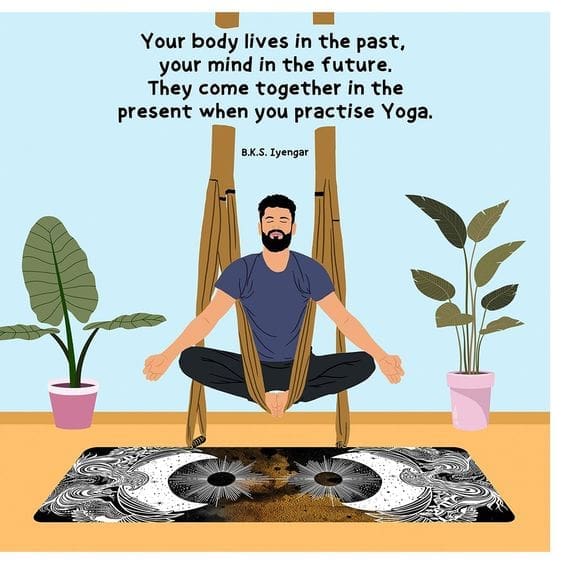
practise Yoga

What Are Benefits Of Yoga Explain

“What Are Benefits Of Yoga Explain,” we aim to shed light on the myriad advantages that yoga offers. By engaging in yoga practices, individuals can experience numerous benefits for their physical, mental, and emotional well-being. Through carefully curated content, we explore the various ways yoga contributes to enhancing overall health. Yoga promotes flexibility, strength, and balance, improving the body’s physical condition. Regular practice can lead to increased muscle tone, improved posture, and injury prevention. Additionally, yoga is known to reduce stress, alleviate anxiety, and enhance mental clarity. By incorporating breathwork and meditation, individuals can cultivate mindfulness, thereby managing emotions and promoting a calm state of mind. Understanding the benefits of yoga allows us to appreciate its positive impact on both the body and mind. Improves Flexibility Increased range of motion Yoga is renowned for its ability to improve flexibility. Through a series of stretching and elongating poses, yoga helps to increase our range of motion. With regular practice, our muscles and joints become more supple and pliable, allowing us to move more freely. This increased range of motion is not only beneficial for everyday activities but also for sports and physical performance. By improving our flexibility, we can enhance our overall athletic abilities and reduce the risk of injury. Improved posture A sedentary lifestyle and prolonged hours spent sitting can take a toll on our posture. However, practicing yoga can help to counteract this by improving our posture. The various poses and movements in yoga help to strengthen the muscles that support proper alignment of the spine, shoulders, and hips. With time, this improved posture becomes more natural, preventing the common issues associated with poor posture, such as back pain and neck strain. By focusing on maintaining correct alignment during yoga practice, we can carry these principles into our daily lives, leading to better posture overall. Enhanced athletic performance Yoga is not just for those seeking a Zen state of mind; it can also greatly benefit athletes and anyone engaged in physical activities. The flexibility gained from yoga practice allows athletes to move more freely and with better efficiency, enhancing their overall performance. Additionally, the strengthening of the core muscles through yoga helps to stabilize the body, improving balance and coordination. This improved stability not only prevents injuries but also allows athletes to execute movements with more control and power. Strengthens Muscles Increased muscle tone Regular practice of yoga poses helps to increase our muscle tone. Unlike traditional weightlifting exercises, yoga focuses on engaging multiple muscle groups simultaneously, leading to a more balanced and toned physique. The isometric contractions involved in holding poses build strength and endurance, leading to improved muscle tone. From the core muscles to the arms, legs, and even the smaller stabilizing muscles, yoga provides a comprehensive workout that strengthens and tones the entire body. Improved stability and balance Yoga requires a high level of stability and balance to maintain various poses. As we progress in our practice, our stability and balance improve significantly. The poses that challenge our balance, such as tree pose or warrior III, strengthen the muscles responsible for stability, such as the core and the muscles around the ankles. This improved stability not only helps prevent falls and injuries but also translates into better overall coordination and control in everyday movements. Reduces Stress and Anxiety Promotes relaxation One of the most significant benefits of yoga is its ability to promote relaxation. The focus on controlled breathing, mindful movement, and a calm atmosphere created during yoga practice all contribute to a state of deep relaxation. As we move through the poses, we let go of tension and stress, allowing our bodies and minds to enter a state of tranquility. This relaxation response triggered by yoga can have profound effects on our overall well-being, reducing anxiety and promoting a sense of calmness. Decreases cortisol levels Cortisol, often referred to as the stress hormone, is released in response to stress. Elevated levels of cortisol can negatively impact our physical and mental health. However, practicing yoga has been shown to decrease cortisol levels in the body. The combination of movement, breath control, and meditation in yoga helps to quiet the mind and reduce the physiological response to stress, ultimately leading to lower cortisol levels. By decreasing cortisol, yoga helps to alleviate the symptoms of chronic stress, such as anxiety, depression, and sleep disturbances. Improves mood and overall well-being Yoga has a profound effect on our mental and emotional well-being. The release of endorphins during physical activity, combined with the calming and meditative aspects of yoga, boosts our mood and overall sense of well-being. The mindful awareness cultivated in yoga allows us to become more attuned to our thoughts and emotions, enabling us to better manage stress and anxiety. Additionally, the sense of community often found in yoga classes provides social support, further enhancing our mental well-being. Boosts Immunity Stimulates the lymphatic system The lymphatic system plays a crucial role in our immune system, helping to remove toxins and waste from the body. Yoga poses, such as inversions and twists, stimulate the lymphatic system, promoting the flow of lymph fluid. This increased circulation of lymphatic fluid helps to remove waste materials more efficiently, enhancing our body’s ability to defend against pathogens and boosting our immune system. Increases circulation Yoga improves circulation throughout the body, resulting in better oxygenation and nutrient delivery to our cells. By promoting blood flow, yoga helps to flush out toxins and stimulate the removal of waste products. This enhanced circulation also supports the efficient functioning of our immune system, ensuring that our body’s defense mechanisms are functioning optimally. Enhances the body’s ability to defend against pathogens The combination of increased lymphatic flow and improved circulation in yoga contributes to a stronger immune system. As the lymphatic system removes toxins and waste, and circulation delivers essential nutrients and oxygen, our body becomes better equipped to fight off infections and illnesses. By enhancing our body’s defenses, yoga helps to protect us from common illnesses and

What Are Benefits Of Yoga Explain Read More »

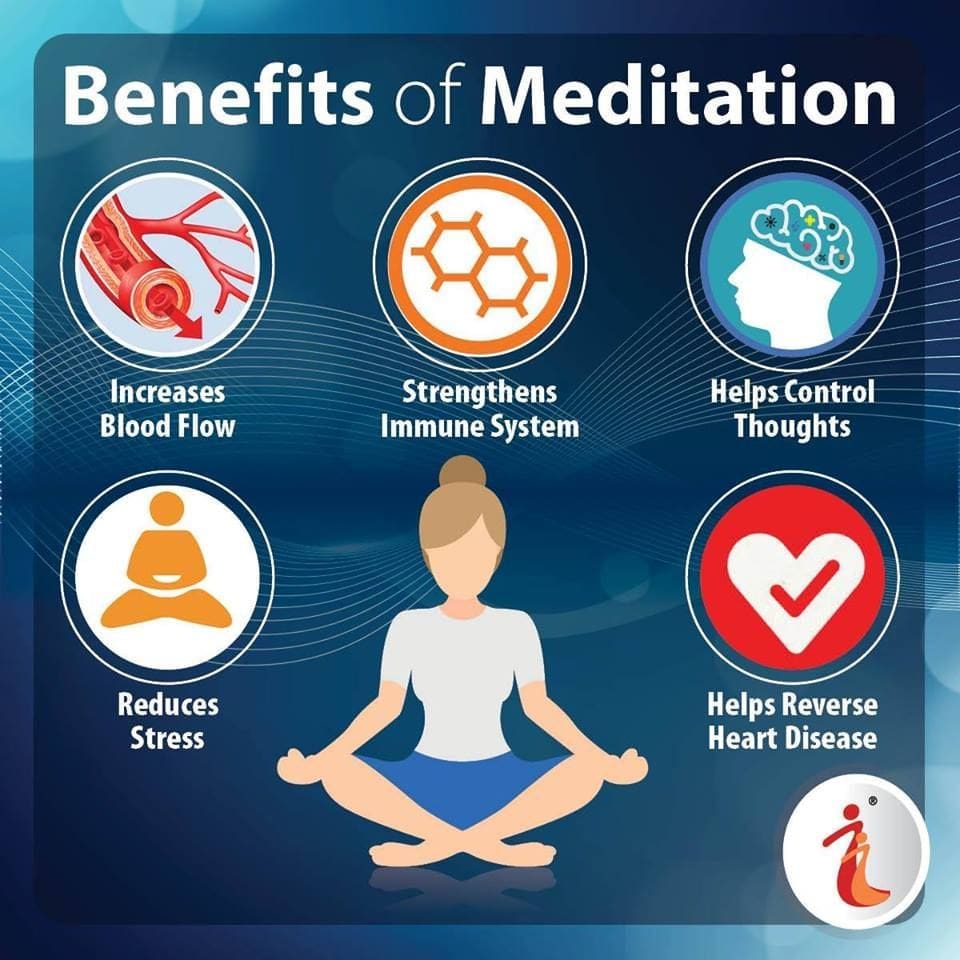
benefits of meditation

The Science of Meditation: Exploring its Impact on Sleep Quality

The Science of Meditation Welcome to the fascinating world of meditation and its remarkable impact on sleep quality. In our fast-paced and hectic lives, finding a restful night’s sleep can often feel like an elusive dream. However, science has shown that incorporating meditation into your daily routine can be a game-changer when it comes to improving your sleep. But how exactly does meditation work its magic on our slumber? By quieting the mind and promoting relaxation, meditation helps reduce the stress and anxiety that often disrupts our sleep patterns. Additionally, it can stimulate the production of melatonin, the hormone responsible for regulating sleep. In this article, we will delve deeper into the science behind meditation and explore its transformative effects on sleep quality. So get ready to discover the secrets to a peaceful and rejuvenating night’s sleep through the power of meditation. The Connection between Meditation and Sleep Meditation and sleep have a profound connection that has been recognized for centuries. Both practices involve a state of deep relaxation and restoration of the mind and body. When we meditate, we enter a state of focused attention and heightened awareness, which allows us to let go of the thoughts and worries that often keep us awake at night. This state of mental calmness and tranquillity created during meditation has a direct impact on our sleep quality. Several scientific studies have shown that meditation can help improve the duration and quality of sleep. One study conducted by the University of California, Los Angeles (UCLA), found that individuals who practiced mindfulness meditation experienced fewer symptoms of insomnia and reported better overall sleep quality. Another study published in the Journal of the American Medical Association (JAMA) found that mindfulness meditation significantly reduced sleep disturbances in older adults. How Meditation Improves Sleep Quality The benefits of meditation on sleep quality can be attributed to its ability to reduce stress and anxiety. When we meditate, we activate the relaxation response in our body, which helps lower the levels of stress hormones such as cortisol. By reducing stress, meditation creates an ideal environment for sleep by calming the mind and relaxing the body. Furthermore, meditation has been found to stimulate the production of melatonin, a hormone that regulates our sleep-wake cycle. A study conducted by the University of Massachusetts Medical School found that participants who practiced meditation had increased levels of melatonin compared to those who did not meditate. This increase in melatonin can help regulate sleep patterns and promote a more restful night’s sleep. Scientific Studies on Meditation and Sleep Numerous scientific studies have explored the relationship between meditation and sleep, revealing compelling evidence of the positive impact meditation can have on sleep quality. A study published in the journal Sleep Medicine Reviews analysed the findings of 18 different studies and concluded that mindfulness meditation is effective in improving sleep quality and reducing sleep disturbances. Another study conducted by researchers at Harvard Medical School found that meditation improved sleep quality in individuals with insomnia. The participants in the study reported a significant reduction in the time it took them to fall asleep and an increase in the total sleep time after practicing meditation regularly. Different Meditation Techniques for Better Sleep There are various meditation techniques that can be particularly beneficial for improving sleep quality. Mindfulness meditation, which involves focusing on the present moment without judgment, is one of the most widely studied and practiced techniques. By cultivating a non-reactive awareness of our thoughts and emotions, mindfulness meditation helps us detach from the racing thoughts that often keep us awake at night. Another effective technique is guided meditation, where a trained instructor or a recorded audio guide leads you through a meditation session. This can be especially helpful for beginners or individuals who find it challenging to quiet their mind on their own. Guided meditations often incorporate soothing imagery and relaxation exercises, creating a conducive environment for sleep. Breathing exercises, such as deep belly breathing or alternate nostril breathing, can also be incorporated into a meditation practice for better sleep. These techniques help activate the body’s relaxation response and promote a sense of calmness and tranquillity that is conducive to sleep. Creating a Meditation Routine for Optimal Sleep To harness the full benefits of meditation for sleep improvement, it is essential to establish a regular meditation routine. Consistency is key when it comes to reaping the transformative effects of meditation on sleep quality. Set aside a specific time each day to dedicate to your meditation practice. Whether it’s in the morning, during a lunch break, or before bedtime, find a time that works best for you and commit to it. Create a peaceful and comfortable environment for your meditation practice. Find a quiet space where you won’t be disturbed and make it inviting by adding soft lighting, calming scents, or soothing music. Consider using a comfortable meditation cushion or chair to support your posture and enhance relaxation. Start with shorter meditation sessions and gradually increase the duration as you become more comfortable. Even just a few minutes of meditation can have a positive impact on your sleep quality. Remember, it’s the consistency of practice that matters most. Tips for Integrating Meditation into Your Bedtime Routine Incorporating meditation into your bedtime routine can be a powerful way to prepare your mind and body for sleep. Here are some tips to help you integrate meditation seamlessly into your night time ritual: 1. Set aside 10-15 minutes before bed to engage in a meditation practice. This will create a transition period between the activities of the day and sleep. 2. Avoid screens and stimulating activities in the hour leading up to bedtime. Instead, engage in calming activities such as reading a book, taking a warm bath, or practicing gentle stretching or yoga. 3. Dim the lights in your bedroom to create a relaxing atmosphere. Consider using candles or a Himalayan salt lamp to provide soft, soothing light. 4. Experiment with different meditation techniques to find what works best for

The Science of Meditation: Exploring its Impact on Sleep Quality Read More »

Achieve Inner Peace: How Mindfulness for Adults can Transform Your Life

Challenge of attaining mindfulness in todays hectic and fast moving world In today’s fast-paced and hectic world, achieving inner peace has become a challenge for many adults. However, there is a powerful tool that can help transform your life and bring you closer to inner peace: mindfulness. Mindfulness is the ability to be fully present and aware of our surroundings without being reactive or overwhelmed. When we practice mindfulness, we can reshape the physical structure of our brain, leading to a more peaceful and balanced state of mind. One way to cultivate mindfulness is through meditation. Meditation is a way to explore and understand our thoughts, sensations, and emotions. By focusing our attention on the present moment and observing it without judgment, we can develop a deeper understanding of ourselves and the world around us. There are various techniques that can be used during meditation, such as body scans, mindful moments, and breath awareness. These techniques help us become more in tune with our bodies and minds, allowing us to let go of stress and find inner peace. Cultivating Mindfulness Through Meditation: Exploring the Path to Inner Harmony Practicing mindfulness and meditation may require time and effort, but the rewards are well worth it. By incorporating these practices into your daily routine, you can experience a range of benefits that can transform your life. One of the benefits is reduced stress. Mindfulness allows us to detach from stressful thoughts and emotions, helping us to approach challenges with a calm and clear mind. This can lead to improved mental and emotional well-being. Furthermore, mindfulness can enhance our relationships with others. When we are fully present in the moment, we are better able to listen and communicate effectively. This can strengthen our connections with loved ones and foster a sense of harmony in our relationships. Additionally, practicing mindfulness can improve our overall sense of happiness and fulfillment. By cultivating self-understanding and wisdom through mindfulness, we can align our actions with our values and live a more meaningful life. Getting started with mindfulness is easier than you might think. There are numerous resources available that can guide you through the process. Whether it’s through books, online courses, or mindfulness apps, you can find a method that suits your preferences and fits into your daily routine. It’s important to remember that mindfulness is a practice that requires consistency and patience. The more you engage in mindfulness and meditation, the more you will reap the benefits and transform your life. Benefits of Mindfulness: Reducing Stress and Cultivating Emotional Well-being In conclusion, mindfulness for adults is a powerful tool that can help you achieve inner peace and transform your life. By practicing mindfulness and meditation, you can develop a deeper understanding of yourself and the world around you, reduce stress, improve relationships, and enhance your overall well-being. Take the time to incorporate mindfulness into your daily routine and watch as it brings balance, peace, and fulfillment to your life. This article has provided you with important tips on how to begin your journey toward mindfulness. Ultimately, mindfulness isn’t about changing who you are. It’s about learning how to live in the moment. By observing your thoughts, feelings, and experiences as they happen, you can gain a more effective understanding of yourself and the world around you. When you do this, you’ll experience a sense of calm, inner peace, and an increased sense of connection with the people in your life.

Achieve Inner Peace: How Mindfulness for Adults can Transform Your Life Read More »

massage is helpful

The Healing Power of Massage Therapy: Enhancing Relaxation and Well-being

Unveiling the Benefits of Massage Therapy for Your Body and Mind   Introduction: Massage therapy is a widely embraced holistic practice that offers numerous benefits for relaxation and overall well-being. Through the skilled manipulation of soft tissues, massage therapists help alleviate tension, reduce stress, and promote physical and mental relaxation. In this article, we will delve into the benefits of massage therapy and explore how this ancient practice can enhance your overall well-being. Stress Relief: Unwinding the Mind and Body One of the primary benefits of massage therapy is its ability to reduce stress levels. The soothing touch of a skilled therapist helps relax the body and mind, releasing tension and promoting a deep sense of calm. As stress melts away, massage therapy can improve your mood, increase energy levels, and enhance overall well-being. Muscle Relaxation: Easing Tension and Enhancing Flexibility Massage therapy specifically targets muscle tension, helping to release tightness and knots that can accumulate due to stress, poor posture, or physical exertion. Through various techniques, such as Swedish massage or deep tissue massage, therapists apply pressure and utilize kneading motions to promote muscle relaxation. This can alleviate muscle soreness, improve flexibility, and enhance circulation, allowing for a greater sense of ease and freedom in movement. Pain Management: A Complementary Approach to Relief For those dealing with chronic pain, massage therapy can be an effective complementary approach to pain management. By reducing muscle tension and promoting relaxation, massage therapy can alleviate discomfort associated with conditions such as back pain, neck pain, headaches, and fibromyalgia. Furthermore, massage stimulates the release of endorphins, natural pain-relieving hormones in the body, offering a welcomed reprieve from persistent pain. Improved Sleep Quality: Drifting into Serenity Regular massage sessions can contribute to better sleep quality. The deeply relaxing nature of massage helps to calm the body and mind, creating an environment conducive to restful sleep. This can be particularly beneficial for individuals who struggle with insomnia or have difficulty achieving a state of deep relaxation necessary for rejuvenating sleep. Enhanced Mood and Mental Well-being: Nurturing Inner Harmony Massage therapy has a profound impact on mental health and well-being. By promoting relaxation and releasing endorphins, massage therapy can reduce symptoms of anxiety and depression, offering a respite from the challenges of daily life. The nurturing touch and peaceful ambiance of a massage session can create a sense of comfort and connection, contributing to an overall uplifted mood and improved mental well-being. Boosted Immune System: Fortifying Your Body’s Defense Massage therapy has been found to have immune-boosting effects. By reducing stress and promoting relaxation, it can enhance immune function and improve the body’s ability to fight off illnesses and infections. A strengthened immune system not only helps protect against common ailments but also supports overall health and vitality. Increased Body Awareness: Tuning In to Your Physical Self Massage therapy promotes body awareness by encouraging individuals to tune into their physical sensations and become more mindful of their bodies. This heightened awareness can help identify areas of tension or discomfort, allowing for proactive self-care and a better understanding of one’s body’s needs. By listening to the body’s signals, individuals can take steps to address imbalances and maintain optimal health. Lowered Blood Pressure: Relaxing the Body, Calming the Heart Regular massage sessions have been associated with reduced blood pressure levels. By inducing relaxation and reducing stress Lowered Blood Pressure: Relaxing the Body, Calming the Heart Regular massage sessions have been associated with reduced blood pressure levels. By inducing relaxation and reducing stress, massage therapy can contribute to a healthier cardiovascular system and help manage hypertension. The soothing touch and tranquil environment of a massage session create an ideal setting for the body to release tension and achieve a state of calm, resulting in lowered blood pressure and improved overall cardiovascular health. Improved Posture and Flexibility: Unleashing Your Body’s Potential Massage therapy can have a positive impact on posture and flexibility. By releasing tension in muscles that contribute to poor alignment, massage therapy helps improve posture and alleviate muscular imbalances. Additionally, it enhances flexibility by loosening tight muscles and improving joint mobility, allowing for a wider range of motion and better physical performance. With improved posture and flexibility, you can move more freely and comfortably throughout your daily activities. Overall Relaxation and Well-being: Embracing a Renewed Sense of Vitality Above all, massage therapy provides an unparalleled sense of relaxation and well-being. The combination of physical touch, a soothing environment, and the skilled techniques of a massage therapist creates an experience that promotes deep relaxation, rejuvenation, and a renewed sense of vitality. Whether you seek massage therapy for stress relief, pain management, or simply to indulge in a moment of self-care, the holistic benefits extend far beyond the massage table, permeating every aspect of your life. Conclusion: Massage therapy offers a wide range of benefits for relaxation and overall well-being. From stress relief and muscle relaxation to pain management and improved sleep quality, massage therapy has the power to enhance both the body and mind. By incorporating regular massage sessions into your wellness routine, you can experience the profound effects of this ancient healing practice and enjoy a more relaxed, balanced, and vibrant life.

The Healing Power of Massage Therapy: Enhancing Relaxation and Well-being Read More »

Pose 1

The Science Behind Yoga: How it Improves Flexibility, Strength, and Balance

Improve flexibility, strength, and balance through yoga. Learn about the science behind yoga’s impact on physical fitness and the techniques used to enhance balance. Discover how yoga promotes flexibility and active flexibility, reducing the risk of injuries. Embrace yoga for a holistic fitness routine and experience the benefits for both the body and mind.

The Science Behind Yoga: How it Improves Flexibility, Strength, and Balance Read More »

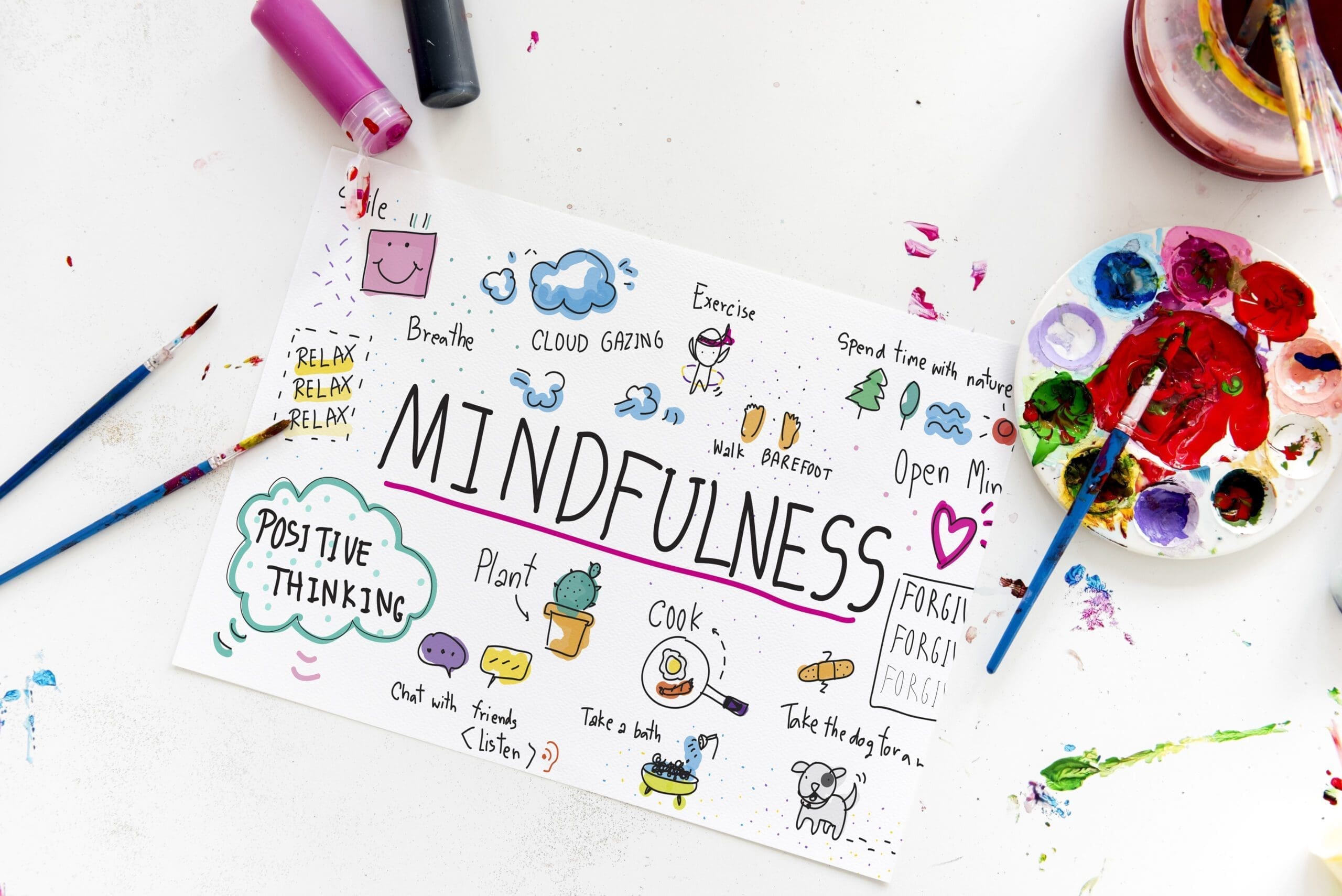
mindfulness

Exploring Mindfulness Practice: Your Path to Balance and Meaning

Introduction to Mindfulness Practice In today’s fast-paced and hectic world, finding balance and meaning in our lives has become more important than ever. One powerful tool that can help us achieve this is mindfulness practice. But what exactly is mindfulness practice? Mindfulness practice is the intentional act of bringing our attention to the present moment, without judgment. It involves being fully aware of our thoughts, feelings, bodily sensations, and the surrounding environment. By cultivating mindfulness practice, we can develop a deeper understanding of ourselves and the world around us, leading to a more balanced and meaningful life. What is Mindfulness? Mindfulness is the art of paying attention on purpose. It is about being fully present in the here and now, rather than being lost in thoughts about the past or worries about the future. By directing our attention to the present moment, we can experience life more fully and deeply. Mindfulness is not about trying to change our thoughts or feelings, but rather about accepting them as they are, without judgment. It is about developing a non-reactive and compassionate stance towards ourselves and others. The Benefits of Practicing Mindfulness The practice of mindfulness offers a wide range of benefits for our physical, mental, and emotional well-being. Research has shown that regular mindfulness practice can reduce stress, anxiety, and depression. It can also improve our attention span, cognitive abilities, and overall happiness. By cultivating mindfulness, we can become more aware of our automatic patterns of thinking and behaving, and gain the ability to respond to life’s challenges with greater clarity and wisdom. Mindfulness also enhances our relationships by improving our ability to listen, empathize, and communicate effectively. Mindfulness for Beginners: How to Start Practicing Mindfulness If you’re new to mindfulness, getting started can feel overwhelming. But the good news is that mindfulness is a skill that can be developed with practice. Here are a few simple steps to help you begin your mindfulness journey: Set aside some dedicated time each day for mindfulness practice. Start with just a few minutes and gradually increase the duration as you become more comfortable. Find a quiet and comfortable place where you can sit or lie down without distractions. Close your eyes or keep them open, whatever feels more natural to you. Bring your attention to your breath. Notice the sensation of the breath as it enters and leaves your body. Whenever your mind wanders, gently bring it back to the breath without judgment. Expand your awareness to include other sensations in your body, such as any tension or discomfort. Observe these sensations without trying to change them. Notice any thoughts or emotions that arise, but don’t get caught up in them. Simply observe them as passing phenomena, like clouds in the sky. By practicing these simple steps, you can begin to develop a foundation of mindfulness in your life. Mindfulness Exercises for Everyday Life While dedicated meditation practice is an essential part of mindfulness, it’s also important to bring mindfulness into our everyday activities. Here are a few mindfulness exercises you can incorporate into your daily life: Mindful Eating: Pay attention to the taste, texture, and smell of your food. Chew slowly and savor each bite. Mindful Walking: Notice the sensation of your feet touching the ground with each step. Be aware of the sights, sounds, and smells around you as you walk. Mindful Listening: When someone is speaking to you, give them your full attention. Listen without interrupting or thinking about what you’re going to say next. Mindful Breathing: Throughout the day, take a few moments to pause and bring your attention to your breath. Notice the sensation of the breath as it enters and leaves your body. By integrating these mindfulness exercises into your daily routine, you can bring a greater sense of presence and awareness to each moment. Mindfulness in Plain English: Understanding the Core Principles To deepen your understanding of mindfulness, it can be helpful to explore the core principles behind the practice. Mindfulness is based on several key principles: Non-judgment: Cultivating a non-judgmental attitude towards our experiences allows us to observe them without getting caught up in self-criticism or self-blame. Acceptance: Accepting things as they are, without trying to change them, creates a sense of inner peace and contentment. Beginner’s Mind: Approaching each moment with a sense of curiosity and openness, as if experiencing it for the first time, helps us break free from our preconceived notions and biases. Letting Go: Letting go of attachment to thoughts, emotions, and outcomes allows us to experience greater freedom and ease. By embodying these core principles in our daily lives, we can cultivate a deeper sense of mindfulness and live more fully in the present moment. Mindfulness and Stress Reduction One of the key benefits of mindfulness is its ability to reduce stress. When we practice mindfulness, we become more aware of our stress triggers and learn to respond to them in a more skillful way. By cultivating a non-reactive and compassionate stance towards our stressors, we can break free from the cycle of reactivity and create a sense of calm and ease. Mindfulness also helps us develop a greater capacity to tolerate stress and bounce back from challenging situations. Mindfulness and Emotional Well-being Mindfulness can also have a profound impact on our emotional well-being. By bringing our attention to our thoughts and emotions, we can develop a greater understanding of their underlying causes and patterns. This awareness allows us to respond to our emotions in a more skillful way, rather than reacting impulsively. Mindfulness also helps us cultivate a sense of self-compassion and acceptance, which can lead to greater emotional resilience and happiness. Mindfulness and Improved Focus and Productivity In today’s digital age, distractions are everywhere, making it challenging to stay focused and productive. Mindfulness can help us train our attention and improve our ability to concentrate. By practicing mindfulness, we become more aware of our wandering mind and learn to bring our attention back to the task at hand.

Exploring Mindfulness Practice: Your Path to Balance and Meaning Read More »

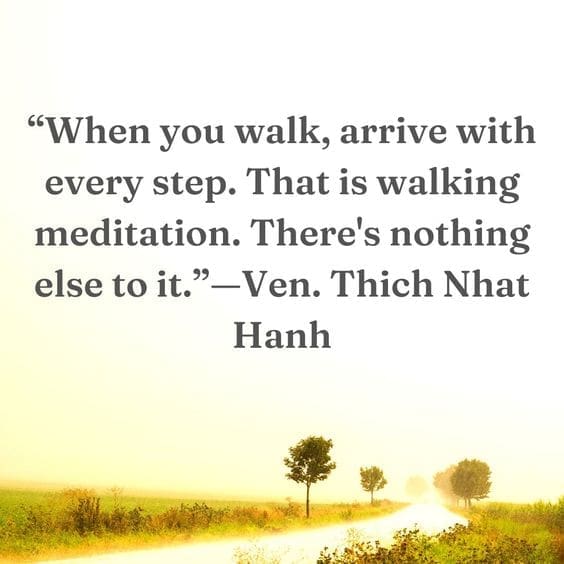
walking meditation

The Art of Mindful Walking: How to Find Peace and Clarity with Every Step

In an ever-busy world, the practice of mindful walking offers a much-needed respite. Amidst a barrage of relentless thoughts and daily distractions, this meditative walking technique invites us to ground ourselves in the present. This article will illuminate the nuances of mindful walking, highlighting its manifold benefits and how it stands apart from conventional walking. Additionally, you’ll receive hands-on advice to seamlessly integrate mindful walking into your regular routine. What is Mindful Walking? Mindful walking is the practice of walking with intention and awareness. It involves focusing our attention on the physical sensations of walking – the feeling of our feet touching the ground, the rhythm of our breath, and the movement of our body. By bringing our attention to the present moment, we can cultivate a sense of calm and clarity. The Benefits of Mindful Walking Mindful walking offers a multitude of benefits for both our physical and mental well-being. Firstly, it provides an opportunity to slow down and take a break from the busyness of our lives. As we walk mindfully, we can let go of our worries and anxieties, allowing our minds to become more clear and focused. In addition, mindful walking can help improve our physical health. It promotes better posture and balance, strengthens our muscles, and increases our overall fitness levels. Regular mindful walking has also been shown to reduce the risk of chronic conditions such as heart disease and diabetes. Mindful Walking vs. Regular Walking At first glance, mindful walking may seem similar to regular walking. However, there is a key difference – the level of awareness and intentionality. When we walk mindfully, we are fully present in the moment, paying attention to the sensations of our body and the environment around us. Regular walking, on the other hand, often involves being lost in thought or distracted by external stimuli. Mindful walking is about quality, not quantity. It’s not about how many steps we take, but rather how we take each step. By practicing mindful walking, we can transform a simple act into a meditative experience. How to Practice Mindful Walking Meditation Practicing mindful walking meditation is simple, yet it requires our full commitment and attention. Here’s a step-by-step guide to help you get started: Find a quiet and peaceful place to walk. It could be a park, a beach, or even just a quiet street in your neighbourhood. Stand still for a moment and take a few deep breaths. Feel the ground beneath your feet and become aware of your body. Start walking slowly and deliberately. Pay attention to the sensations in your feet – the pressure, the movement, and the contact with the ground. As you walk, bring your attention to your breath. Notice the rhythm of your breath and how it synchronizes with your steps. If your mind starts to wander, gently bring your attention back to the present moment. Focus on the physical sensations of walking and the surrounding environment around you. Continue walking mindfully for a duration that feels comfortable to you. It could be just a few minutes or even longer. When you’re ready to finish, stand still again and take a moment to reflect on your experience. Notice any changes in your body and mind. Mindful Walking Tips for Beginners If you’re new to mindful walking, here are some tips to help you get started: Start small: Begin with short walks of 10–15 minutes, and gradually increase the duration as you become more comfortable with the practice. Find your rhythm: Walk at a pace that feels natural to you. There’s no need to rush or force yourself to walk faster than you’re comfortable with. Use your senses: Engage all your senses as you walk. Notice the sights, sounds, smells, and textures around you. This will help to anchor you in the present moment. Let go of judgment: Practice non-judgment and acceptance as you walk. Be kind and patient with yourself, and let go of any expectations or self-criticism. Practice regularly: Like any skill, mindful walking requires practice. Try to incorporate it into your daily routine, even if it’s just for a few minutes each day. Mindful Walking for Stress Relief One of the most powerful benefits of mindful walking is its ability to reduce stress and promote relaxation. When we walk mindfully, we activate our parasympathetic nervous system, which is responsible for the “rest and digest” response. This helps to counteract the effects of stress and induces a state of calm and tranquility. To make your mindful walking practice even more effective for stress relief, consider incorporating breathing exercises. As you walk, take slow, deep breaths, and focus on exhaling fully. This will help to release tension and bring a sense of calm to your body and mind. Incorporating Mindfulness into Your Daily Walk Even if you don’t have the time or opportunity to dedicate a specific practice to mindful walking, you can still incorporate mindfulness into your daily walk. Here are some simple techniques to try: Walk with gratitude: As you walk, bring to mind things that you are grateful for. This can be as simple as appreciating the beauty of nature or being thankful for your healthy body. Walk with curiosity: Approach your walk with a sense of curiosity and wonder. Notice the small details of your surroundings and allow yourself to be fully present in the moment. Walk with kindness: Practice acts of kindness as you walk. Smile at strangers, offer a helping hand, or simply send loving-kindness thoughts to those you encounter. By infusing your daily walk with mindfulness, you can transform it into a nourishing and enriching experience. Mindful Walking Techniques for Better Focus and Clarity Mindful walking can be a powerful tool for enhancing focus and clarity. By directing our attention to the present moment, we can train our minds to become more focused and less prone to distraction. Here are some mindful walking techniques to help improve your focus: Count your steps: As you walk, count each step silently

The Art of Mindful Walking: How to Find Peace and Clarity with Every Step Read More »

Balanced Nutrition

Mastering the Art of Mindful Eating: A Guide to Nourishing Your Body and Soul

What is mindful eating? Mindful eating seeks to bridge the gap that our rapid, contemporary life has created between us and our nourishment. In the whirlwind of today’s lifestyle, meals often become rushed affairs, devoured on the move or while lost in the glow of screens. This disengagement not only paves the way for overconsumption and digestive woes but also diminishes our conscious connection to the sustenance we intake. Through the art of mindful eating, we endeavour to refocus on the profound act of nourishing ourselves At its core, mindful eating is about cultivating a greater sense of presence and mindfulness during meals. It involves paying attention to the colours, textures, and flavours of our food, as well as the physical sensations and emotions that arise while eating. By engaging all of our senses and fully immersing ourselves in the act of eating, we can develop a deeper appreciation for the nourishment our food provides and make more conscious choices about what and how much we eat. The benefits of mindful eating The practice of mindful eating offers a wide range of benefits for both our physical and mental well-being. One of the primary benefits is improved digestion. By slowing down and fully engaging with our meals, we allow our bodies to properly break down and absorb the nutrients in our food. This can lead to reduced bloating, improved nutrient absorption, and a decrease in digestive issues such as acid reflux or indigestion. Another significant benefit of mindful eating is weight management. When we eat mindfully, we become more attuned to our body’s hunger and fullness cues. This increased awareness allows us to better regulate our food intake and make more conscious choices about portion sizes. As a result, mindful eating can help prevent overeating and promote a healthier relationship with food. In addition to its physical benefits, mindful eating also has a positive impact on our mental and emotional well-being. By slowing down and savoring our meals, we create a space for relaxation and self-care. This can help reduce stress, improve mood, and enhance our overall sense of well-being. Mindful eating also encourages a non-judgmental and compassionate attitude towards ourselves and our bodies, fostering a healthier body image and promoting self-acceptance. Mindful eating and weight loss One of the common misconceptions about mindful eating is that it is solely focused on weight loss. While weight loss can be a natural byproduct of mindful eating, its true purpose is to cultivate a healthier relationship with food and our bodies. By shifting our focus from external factors such as calorie counting or restrictive diets to internal cues like hunger and fullness, we can develop a more intuitive and sustainable approach to eating. When we eat mindfully, we become more aware of our body’s true needs and can distinguish between physical hunger and emotional or environmental triggers. This awareness allows us to make conscious choices about what and how much we eat, without relying on external rules or restrictions. Over time, this intuitive approach to eating can lead to weight loss or weight maintenance, as we are better able to honor our body’s natural signals and find a balance that works for us individually. Mindful eating techniques and strategies To incorporate mindful eating into your daily life, there are several techniques and strategies you can try. One of the most effective practices is to slow down and savor each bite. Take the time to chew your food thoroughly, paying attention to the flavours and textures as you eat. This allows you to fully experience the nourishment and pleasure of eating, while also aiding digestion. Another technique is to eat without distractions. Instead of eating in front of the TV or while scrolling through your phone, create a calm and peaceful environment for your meals. This allows you to fully focus on the act of eating and be present with your food. Additionally, practicing gratitude before and after meals can help cultivate a sense of appreciation for the nourishment you are providing your body. Portion control is also an important aspect of mindful eating. Instead of mindlessly filling your plate, take a moment to assess your hunger levels and portion your food accordingly. Remember to listen to your body’s cues of fullness and stop eating when you are satisfied, rather than when your plate is empty. Tips for incorporating mindful eating into your daily life Incorporating mindful eating into your daily life may seem challenging at first, but with practice and consistency, it can become a natural and intuitive habit. Here are some tips to help you get started: Start small: Begin by incorporating mindful eating into one meal or snack each day. This allows you to focus your attention and energy on that specific eating experience and gradually expand it to other meals. Create a mindful eating ritual: Establish a routine around your meals that promotes mindfulness. This could include setting the table, lighting a candle, or taking a few deep breaths before you begin eating. Practice mindful grocery shopping: Before you even sit down to eat, practice mindfulness at the grocery store. Take your time selecting fresh, nutritious ingredients, and be present with the choices you are making. Engage your senses: Take the time to fully engage your senses while eating. Notice the colours, smells, textures, and flavours of your food. This sensory experience can enhance your enjoyment and appreciation of the meal. Cultivate a non-judgmental attitude: Approach your eating experiences with curiosity and kindness. Avoid labelling foods as “good” or “bad” and instead focus on nourishing your body and soul with a balanced and varied diet. Mindful eating and its impact on mental health In addition to its physical benefits, mindful eating has a profound impact on our mental health. By bringing mindfulness and awareness to our eating experiences, we can develop a healthier relationship with food and our bodies. This can be especially beneficial for individuals who struggle with disordered eating patterns or body image issues. By focusing

Mastering the Art of Mindful Eating: A Guide to Nourishing Your Body and Soul Read More »