
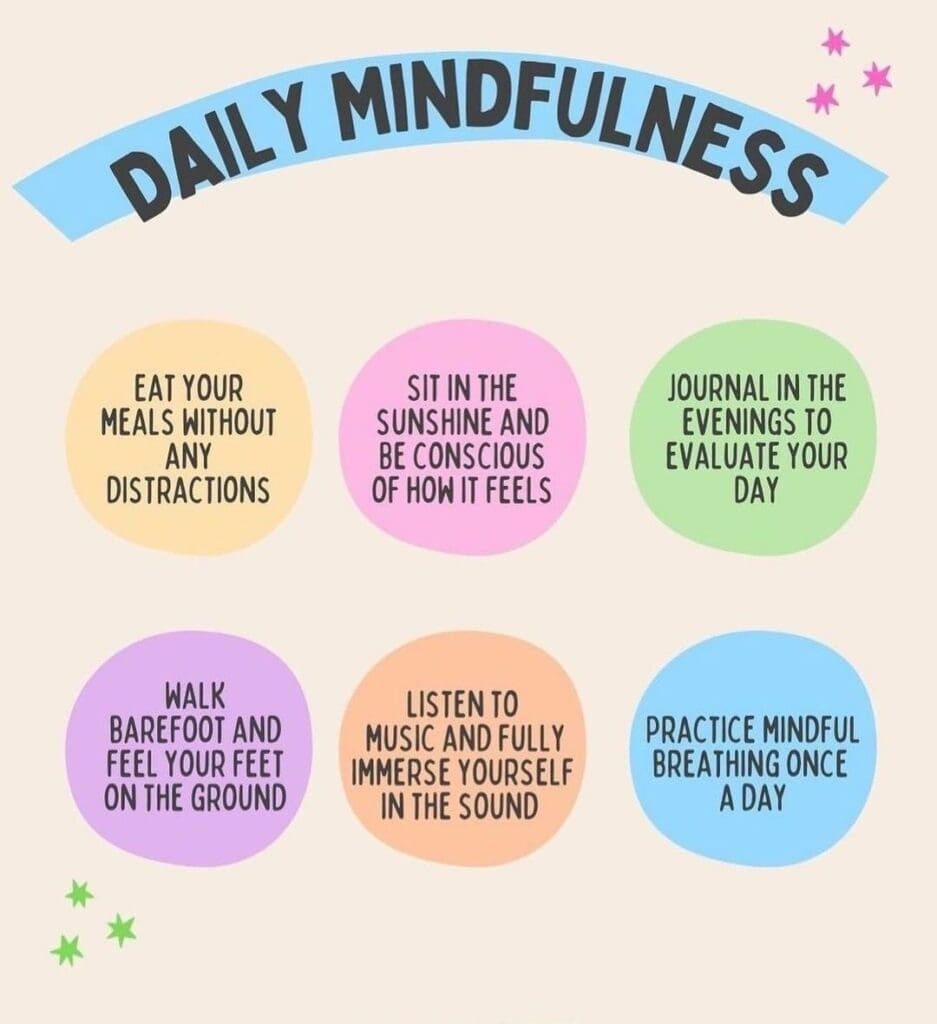
Mindfulness For Adults
Discover how mindfulness can transform your daily life. Learn techniques to reduce stress, enhance focus, and improve emotional well-being with our guide.
Mindfulness For Adults Read More »
Discover how mindfulness can transform your daily life. Learn techniques to reduce stress, enhance focus, and improve emotional well-being with our guide.
Mindfulness For Adults Read More »
Feeling overwhelmed? Discover key signs that indicate you may need mindfulness in your life and learn how to regain balance and clarity today!
Signs You Need Mindfulness Read More »
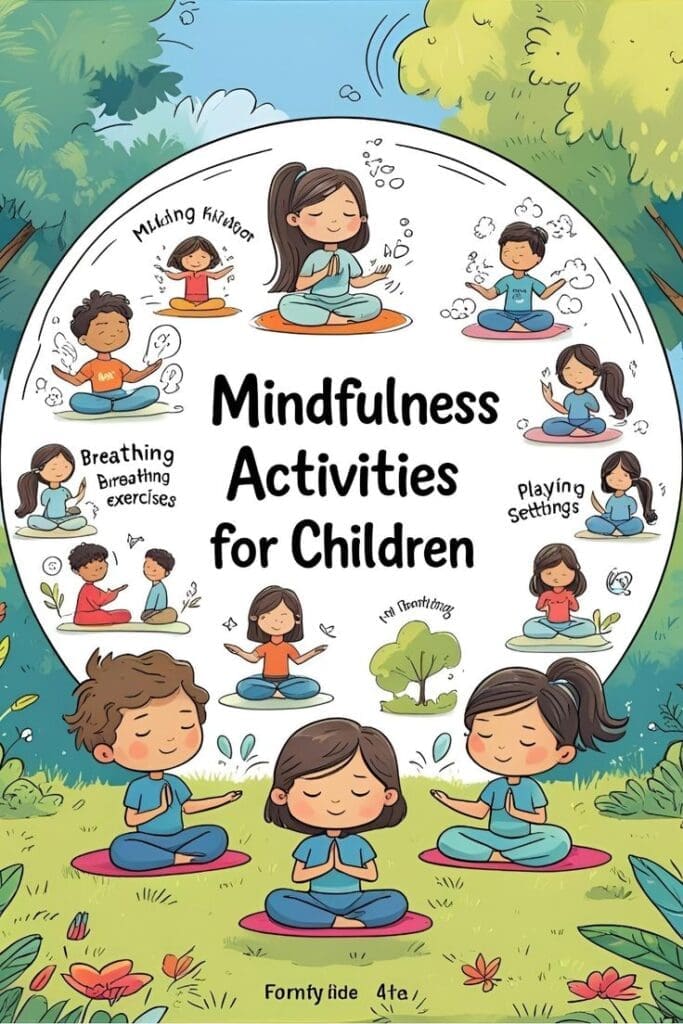
Discover the transformative benefits of mindfulness for kids! Learn techniques to enhance focus, emotional resilience, and well-being in today’s busy world.
Simple Mindfulness For Kids Read More »
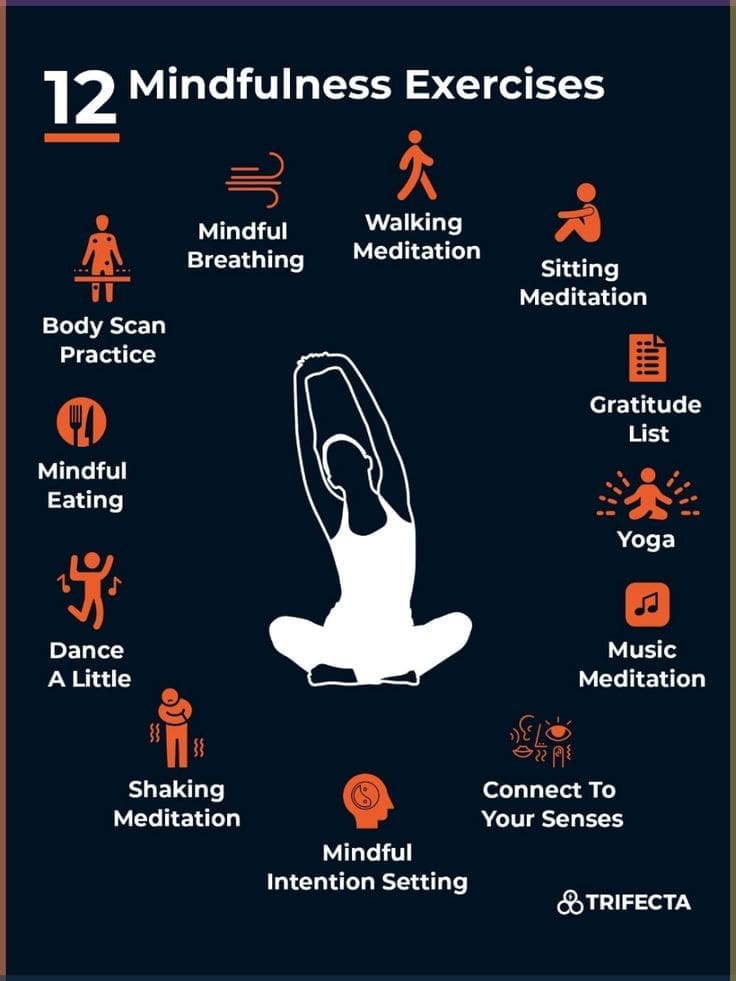
Discover quick mindfulness exercises to relieve stress, enhance focus, and cultivate calm amidst the chaos of daily life. Start your mindful journey today!
Quick Mindfulness Exercises Read More »

Discover how mindfulness can help you manage anxiety. Learn practical techniques and tips to cultivate awareness and find peace in the present moment.
Mindfulness For Anxiety Read More »
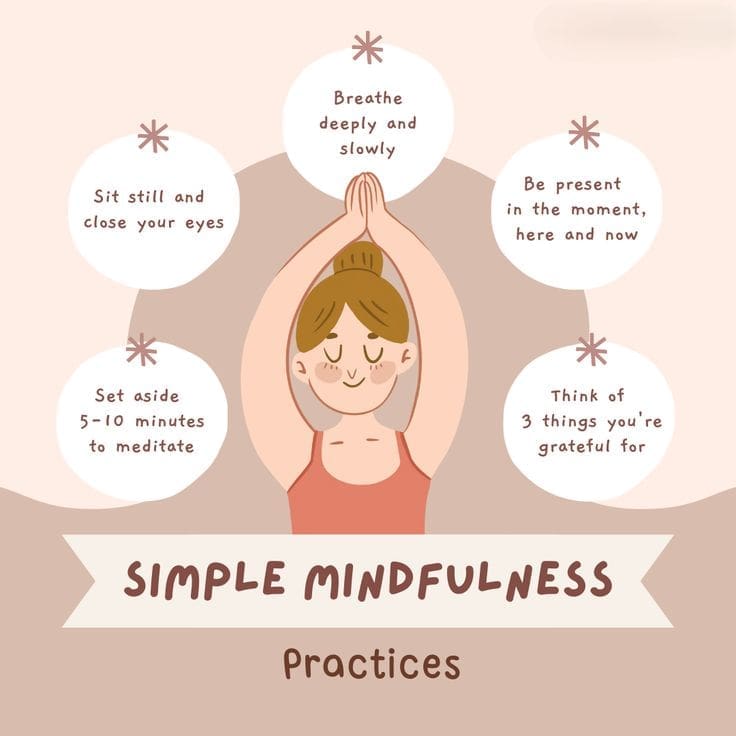
Discover the calming power of mindful breathing exercises. Reduce stress, improve focus, and enhance your emotional well-being with simple techniques.
Mindful Breathing Exercises Read More »

Explore Archangel Jeremiel meditation for clarity and visions. Uncover its deep benefits and intuitive awakening in a soulful journey.
Archangel Jeremiel Meditation: Guiding You to Clarity and Vision Read More »

Dive into the enigmatic world of angels to distinguish myth from truth. Examine their roles in religion, myth, culture, and pop culture, and understand global beliefs about these celestial entities.
Uncovering Angel Myths: The Reality Behind Spiritual Beings Read More »

In “Harmonizing Body and Mind: Your Comprehensive Guide to Holistic Wellness,” discover the key principles and practices that will help you achieve a harmonious balance between your body and mind. This comprehensive guide explores the holistic approach to well-being, offering valuable insights and practical tips for incorporating mindfulness, nutrition, exercise, and self-care into your daily routine. Whether you’re seeking to reduce stress, improve physical fitness, or cultivate inner peace, this guide will empower you to create a healthier and more fulfilling life. Let’s embark on this journey together and unlock the secrets to achieving holistic wellness. Understanding Holistic Wellness Definition and Concept of Holistic Wellness Holistic wellness is an approach to health and well-being that considers the whole person – mind, body, and spirit – as interconnected and interdependent. It emphasizes the integration of various aspects of one’s life to achieve optimal health and happiness. Rather than focusing solely on physical health, holistic wellness recognizes the importance of addressing mental, emotional, and spiritual well-being as well. The Mind-Body Connection The mind-body connection is at the core of holistic wellness. It acknowledges that our thoughts, emotions, and beliefs can profoundly impact our physical health and vice versa. When our mind is in harmony, our body can function optimally, and when our body is healthy, it positively affects our mental and emotional well-being. Understanding and nurturing this connection is vital for achieving holistic wellness. The Importance of Harmony between Body and Mind Maintaining harmony between the body and mind is crucial for overall well-being. When there is balance and alignment between these two aspects, individuals experience improved physical health, increased mental clarity, and enhanced emotional resilience. Holistic wellness encourages practices that promote this harmony, such as mindfulness, regular exercise, and a balanced diet. Physical Aspects of Holistic Wellness Nutrition and Diet for Holistic Wellness Nutrition plays a significant role in holistic wellness. Consuming a balanced and nutrient-dense diet provides the essential vitamins, minerals, and antioxidants needed for optimal physical health. Emphasizing whole foods, such as fruits, vegetables, lean proteins, and healthy fats, supports the body’s functions, boosts energy levels, and promotes overall well-being. Importance of Regular Exercise Regular exercise is a cornerstone of holistic wellness. Engaging in physical activity not only improves cardiovascular health and strengthens muscles but also releases endorphins, the brain’s natural feel-good chemicals. Exercise promotes mental clarity, reduces stress, and enhances overall mood and well-being. Finding activities you enjoy and incorporating them into your routine is key for maintaining a healthy and active lifestyle. The Role of Sleep in Holistic Wellness Quality sleep is essential for holistic wellness. During sleep, the body repairs and rejuvenates itself, ensuring optimal physical and mental functioning. Lack of sleep can lead to various health issues, including increased stress levels, reduced immune function, and impaired cognitive abilities. Establishing a consistent sleep schedule and practicing good sleep hygiene are crucial for achieving restful and rejuvenating sleep. Mental and Emotional Aspects of Holistic Wellness Practices for Stress Management Stress management is vital for maintaining holistic wellness. Chronic stress can negatively impact both physical and mental health. Engaging in relaxation techniques, such as deep breathing exercises, meditation, and yoga, can help alleviate stress and promote a sense of calm and balance. Additionally, practicing effective time management and setting realistic goals can help reduce stress levels and enhance overall well-being. Cultivating Mindfulness and Presence Being present in the moment and cultivating mindfulness are essential components of holistic wellness. Mindfulness involves paying attention to the present moment without judgment and with a sense of curiosity and acceptance. By practicing mindfulness, individuals can reduce anxiety, improve focus and concentration, and enhance overall mental well-being. Incorporating mindfulness into daily activities, such as eating, walking, or showering, can bring about a profound sense of peace and awareness. Nurturing Positive Emotions Nurturing positive emotions, such as gratitude, joy, and love, is crucial for holistic wellness. Positive emotions have been shown to boost immune function, lower stress levels, and improve overall well-being. Engaging in activities that bring joy, cultivating gratitude through daily practices, and nurturing healthy relationships can significantly enhance emotional resilience and promote holistic wellness. Spiritual Aspects of Holistic Wellness Exploring Personal Beliefs and Values Exploring personal beliefs and values is an integral part of holistic wellness. Understanding what gives meaning and purpose to your life can provide a sense of clarity and direction. Whether through organized religion, nature, or personal philosophies, connecting with your spiritual beliefs can bring about a deep sense of fulfillment and contentment. Connecting with Nature and the Universe Connecting with nature and the universe is a powerful practice for holistic wellness. Spending time in nature, whether through hiking, gardening, or simply observing natural beauty, can have profound effects on one’s mental, emotional, and spiritual well-being. It allows individuals to connect with something greater than themselves and find solace and inspiration in the natural world. Practices for Spiritual Growth Engaging in practices that foster spiritual growth is a vital aspect of holistic wellness. This can include meditation, prayer, journaling, or engaging in activities that bring about a sense of transcendence and connectedness. These practices can deepen one’s spiritual connection, provide insights and self-reflection, and contribute to overall holistic well-being. Holistic Approaches to Healing Alternative Medicine and Therapies Holistic wellness embraces alternative medicine and therapies as valuable approaches to healing. Practices such as acupuncture, chiropractic care, naturopathy, and herbal medicine focus on treating the root causes of illness and promoting overall well-being. These non-conventional approaches can complement traditional medical care and help individuals achieve an optimal state of health. The Benefits of Acupuncture Acupuncture, a key component of holistic wellness, involves the insertion of thin needles into specific points in the body to stimulate energy flow and restore balance. It has been shown to effectively alleviate pain, reduce stress, improve sleep, and promote overall physical and mental well-being. Acupuncture is a safe and natural approach to healing that is widely recognized for its benefits. The Power of Meditation Meditation is a powerful practice for promoting holistic wellness. By calming
Harmonizing Body And Mind: Your Comprehensive Guide To Holistic Wellness Read More »

Embark on a transformative journey towards a more cantered and fulfilling life. This comprehensive guide offers practical tips and insights on how to fully embrace the present moment, allowing you to cultivate a deeper sense of awareness and gratitude. Whether you are new to mindfulness or seeking to deepen your practice, this article will provide you with valuable tools and techniques to incorporate mindfulness into your daily routine. So, take a moment to pause, breathe, and join us on this enlightening exploration of living in the present. Understanding Mindfulness What is mindfulness? Mindfulness is the practice of being fully present and aware of the current moment. It involves paying attention to your thoughts, feelings, bodily sensations, and the environment around you in a non-judgmental manner. It is about observing and accepting things as they are, without getting caught up in judgments or the need to change or control them. Mindfulness allows you to cultivate a deep sense of connection to the present moment and enhances your ability to respond to life’s challenges with clarity and composure. Benefits of mindfulness The benefits of practicing mindfulness are numerous and can have a profound impact on your overall well-being. By regularly engaging in mindfulness, you can reduce stress and anxiety, improve mental clarity and focus, enhance emotional resilience, and cultivate a greater sense of happiness and contentment. Mindfulness has also been found to improve cardiovascular health, boost immune function, and even enhance relationships. It is a powerful tool that can positively transform your life in various ways. How mindfulness differs from other practices While mindfulness shares similarities with other practices such as meditation and relaxation techniques, it has its unique characteristics. Mindfulness emphasizes being present in the here and now, rather than focusing on the past or future. It involves paying attention to all aspects of your experience, including thoughts, emotions, and physical sensations, rather than just quieting the mind or relaxing the body. Mindfulness is also non-judgmental, allowing you to observe your experience without labeling it as good or bad. Its focus on present-moment awareness sets it apart from other practices. Developing Mindfulness Starting a mindfulness practice Embarking on a mindfulness practice doesn’t require any special skills or equipment. You can start by setting aside a few minutes each day to be fully present and engage in mindfulness activities. Find a quiet and comfortable place where you won’t be disturbed and begin by bringing your attention to the present moment. This can be done by focusing on your breath, observing sensations in your body, or by simply observing your thoughts without getting entangled in them. Start with short sessions and gradually work your way up to longer periods of mindfulness practice. Choosing the right techniques There are various mindfulness techniques you can explore to find what resonates with you. Mindful breathing, body scan meditation, and guided meditation are some popular techniques. Experiment with different techniques to see which ones feel most natural and effective for you. Some individuals find that mindful breathing helps them to anchor their attention to the present moment, while others may benefit more from body scan meditation to deepen their body awareness. It’s important to choose techniques that you enjoy and find sustainable for long-term practice. Incorporating mindfulness into daily life One of the keys to developing mindfulness is to integrate it into your daily life. While setting aside dedicated time for formal practice is important, mindfulness can be cultivated throughout the day. You can bring mindfulness into simple daily activities like eating, walking, or even washing dishes. By paying attention to each task and fully immersing yourself in the present moment, you can transform everyday routines into opportunities for mindfulness. Whether you’re savoring the flavors of your meal or feeling the sensation of water on your hands, incorporating mindfulness into your daily life can enhance your overall sense of well-being. Mindful Breathing Techniques The basics of mindful breathing Mindful breathing is a fundamental technique in mindfulness practice. It involves consciously bringing your attention to your breath and observing it without judgment. By focusing on the sensations of your breath as it enters and leaves your body, you can anchor your attention to the present moment and cultivate a sense of calm and clarity. Mindful breathing can be done anywhere, anytime, and is a portable tool for managing stress and enhancing mindfulness in your daily life. 4-7-8 breathing technique The 4-7-8 breathing technique is a simple yet powerful technique that can help induce relaxation and reduce anxiety. To practice this technique, find a comfortable seated position and close your eyes. Take a deep breath in through your nose for a count of four, hold your breath for a count of seven, and exhale slowly through your mouth for a count of eight. Repeat this cycle several times, allowing yourself to surrender to the rhythm of your breath. This technique helps to slow down your heart rate, relax your nervous system, and bring you into a state of present-moment awareness. Box breathing Box breathing, also known as square breathing, is another effective technique for calming the mind and cultivating mindfulness. To practice box breathing, envision drawing the outline of a square in your mind. As you breathe in, trace the first side of the square, taking a slow and deep breath for a count of four. Hold your breath as you trace the second side, also for a count of four. Exhale slowly as you trace the third side, and hold your breath again for a count of four as you trace the fourth side. Repeat this cycle several times, allowing the rhythmic pattern to guide your attention and bring you into the present moment. Alternate nostril breathing Alternate nostril breathing is a technique that involves consciously breathing in and out through one nostril at a time. This technique helps balance the energy in the body and promotes a sense of calm and centeredness. To practice alternate nostril breathing, sit in a comfortable position and close your eyes.
Living in the Present: An All-Encompassing Guide to Mindfulness Read More »