
The Astonishing Complexity of the Human Body: A Comprehensive Guide
The Human Body: An Overview
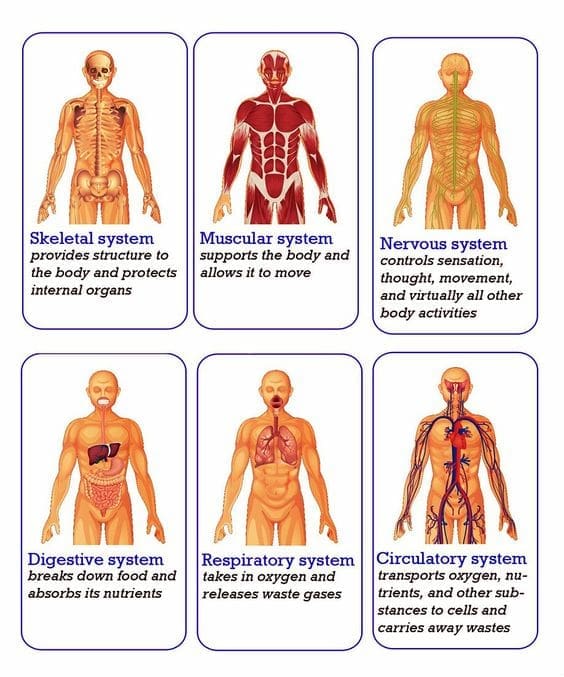
The human body is an intricate marvel, comprised of various systems that work in harmony to sustain life. These systems, each with its unique functions, contribute to the body’s overall functionality.
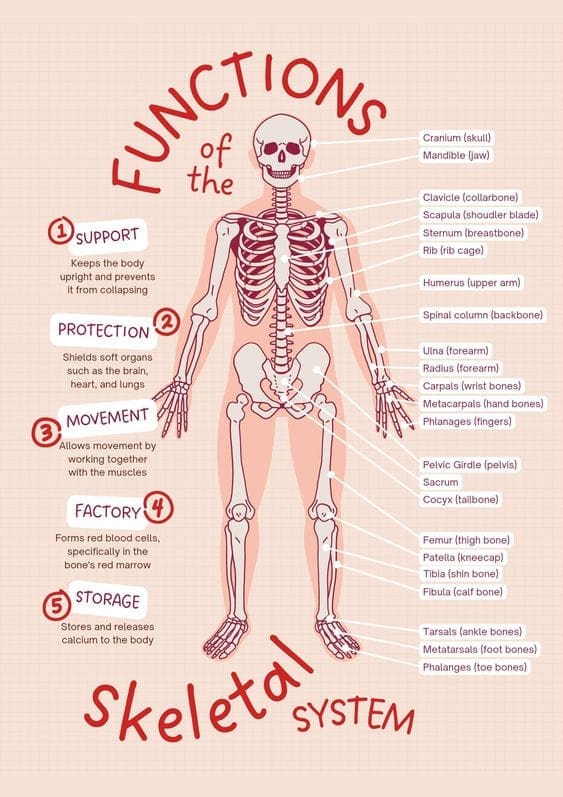
The Skeletal System
At the core of the body’s structure lies the skeletal system, consisting of bones, joints, and cartilage. It provides support, protection, and mobility.
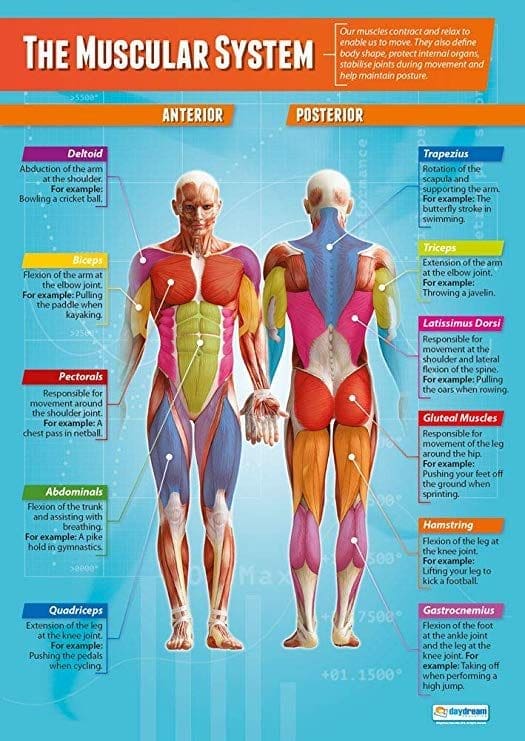
The Muscular System
Working in tandem with the skeletal system is the muscular system. It enables movement, provides strength, and plays a vital role in our daily activities.
Functions of the Body Systems
Each system in the human body serves specific functions that are essential for our well-being and survival.
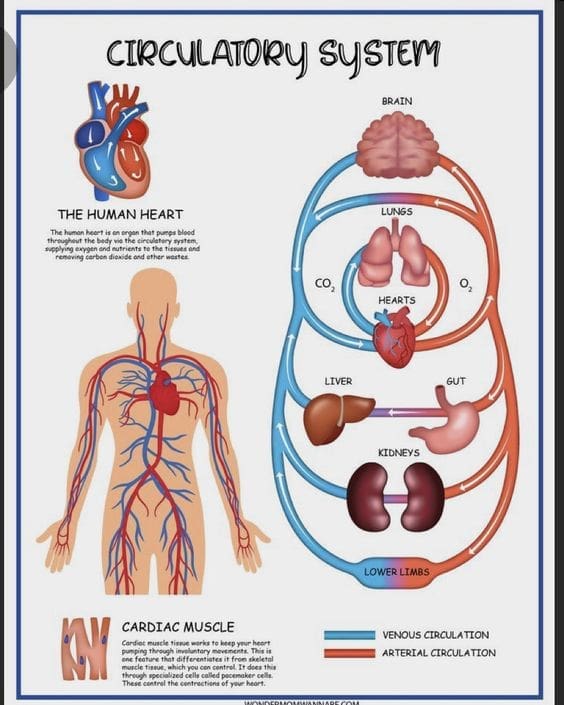
Cardiovascular System
The cardiovascular system, consisting of the heart and blood vessels, is responsible for pumping blood and oxygen throughout the body.
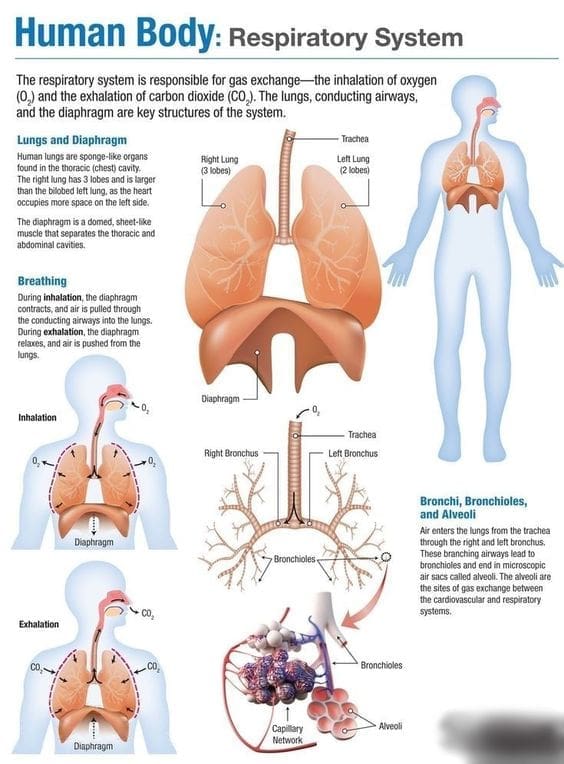
Respiratory System
The respiratory system allows us to breathe, providing oxygen to our cells and removing carbon dioxide, a waste product.
Enhanced Clarity and Focus
Regular meditation practice strengthens your ability to focus and concentrate. By training your mind to anchor in the present moment, you develop mental clarity and the capacity to stay fully engaged in tasks at hand.
Reduced Stress and Anxiety
Meditation is a potent tool for stress reduction. It creates a calm and cantered state of mind, helping to alleviate stress and anxiety.
Improved Emotional Well-being
Meditation fosters emotional well-being by cultivating a deeper understanding and acceptance of your emotions.
Heightened Self-awareness
Mindfulness meditation nurtures self-awareness, allowing you to observe thoughts, sensations, and patterns of behaviour with non-judgmental awareness.
Present Moment Awareness
Meditation cultivates a deep connection to the present moment. By training your attention to anchor in the here and now, you develop a heightened sense of presence and appreciation for the simple joys of life.
Strengthened Resilience
Regular meditation practice builds resilience, enabling you to navigate life’s challenges with greater ease and adaptability.
Promotion of Well-being
The practice of meditation promotes overall well-being, supporting physical health and fostering a greater sense of connection, compassion, and empathy towards others.
Daily Integration
The benefits of meditation extend beyond the formal practice. Cultivate mindfulness throughout the day by infusing everyday activities with presence and intention.
The Impact of Sleep on Overall Health
Sleep is a fundamental component of maintaining overall health.
Benefits of Regular Exercise
Regular exercise is crucial for maintaining a healthy body.
Conclusion
The human body is a marvel of nature, with each system playing a vital role in our survival and well-being. Understanding its complexity and the importance of maintaining good health is key to leading a fulfilling life.
Human Body Complexity
The intricacies of the human body are a testament to the wonders of nature.

Gut Health Foods
Boost your well-being with gut health foods! Discover essential nutrients and tips for a vibrant digestive system in this informative guide.

10 minute mobility routine
A 10 minute mobility routine can make a big difference in how your body feels and moves throughout the day. Many people experience stiffness, tight hips, or back discomfort due to long hours of sitting, poor posture, or lack of movement. The good news is that improving mobility does not require complicated workouts or expensive equipment. Just ten minutes of focused movement each day can help loosen tight muscles, support joint health, and improve overall flexibility. Mobility training focuses on controlled movement through a comfortable range of motion. Instead of forcing the body into deep stretches, mobility exercises encourage gentle and consistent movement that helps joints function better. Over time, this improves flexibility, balance, posture, and body awareness. The key to success with a mobility routine is consistency. Small daily habits often produce better results than occasional intense workouts. A simple ten-minute routine performed regularly can help reduce stiffness, improve circulation, and make everyday movements feel easier and more natural. Why a 10 Minute Mobility Routine Works A 10 minute mobility routine works because it prioritizes movement quality rather than intensity. Many people believe they need long workouts to improve flexibility or mobility, but that is not always the case. Short, focused routines performed consistently can be extremely effective. Mobility exercises help joints move through their natural range of motion. When joints remain inactive for long periods, surrounding muscles tighten and movement becomes restricted. This is why many people experience stiffness in areas like the hips, lower back, shoulders, and ankles. Regular mobility work gradually restores natural movement patterns. Gentle rotations, stretches, and controlled movements signal the body to relax tight areas and improve coordination between muscles and joints. Another reason a ten-minute routine works well is that it is easy to maintain. Long workout sessions can feel overwhelming, especially for beginners or people with busy schedules. A short daily routine is much easier to stick with, which means you are more likely to stay consistent over time. Consistency is what ultimately creates long-term improvements in mobility and flexibility. Benefits of a Daily Mobility Routine A daily 10 minute mobility routine provides several important benefits for both physical health and everyday comfort. One of the most noticeable benefits is reduced stiffness. Many people feel tightness in their hips, back, or shoulders after sitting for long periods. Gentle movement helps loosen these areas and improve circulation. Improved posture is another major benefit. Tight muscles often pull the body out of proper alignment. Mobility exercises encourage balanced movement and help restore natural posture. Mobility routines can also support joint health. Joints rely on regular movement to stay healthy. Controlled exercises help maintain lubrication within the joints, which allows them to move smoothly. People who practice mobility regularly often notice improvements in flexibility as well. This makes daily activities like bending, reaching, and walking feel easier. Some additional benefits include: Better balance and coordination Reduced risk of minor injuries Increased body awareness Improved overall movement quality Even though the routine is short, the cumulative effect over weeks and months can be significant. Who Should Do a 10 Minute Mobility Routine A 10 minute mobility routine is suitable for almost everyone. It is particularly helpful for people who spend long hours sitting during the day. Office workers often experience tight hips, rounded shoulders, and lower back discomfort due to prolonged sitting. A short mobility routine can help counteract these effects by encouraging the body to move in healthier ways. Beginners who want to start exercising may also benefit from mobility training. Because the exercises are gentle and controlled, they are an excellent introduction to regular movement. Athletes and active individuals can also use mobility routines as part of their warm-up or recovery process. Improving mobility helps support better performance in other types of exercise. Older adults may find mobility exercises especially valuable. As people age, joints can become stiffer if they are not regularly used. Simple mobility routines help maintain flexibility and movement capacity. The routine is also ideal for anyone who: Feels stiff in the morning Experiences tight hips or shoulders Wants to improve flexibility safely Prefers short daily habits over long workouts Simple Principles for Practicing Mobility Safely When following a 10 minute mobility routine, it is important to focus on quality rather than speed. Moving slowly and with control allows the body to adapt safely. Breathing should remain relaxed throughout each exercise. Many people unconsciously hold their breath when stretching or moving into unfamiliar positions. Maintaining steady breathing helps muscles stay relaxed and responsive. Pain should also be avoided. Mobility exercises should create a gentle stretch or movement sensation, but they should never cause sharp discomfort. If something feels painful, it is best to reduce the range of motion or modify the movement. Another useful principle is to move through a comfortable range of motion rather than forcing flexibility. Over time, the body will gradually adapt and movement will become easier. Finally, consistency is more important than intensity. A short routine practiced daily will produce better results than an occasional longer session. Example Structure of a 10 Minute Mobility Routine A typical 10 minute mobility routine can include several simple movements that target common areas of stiffness. Many routines begin with gentle breathing and posture alignment to help the body relax and prepare for movement. Next, hip mobility exercises may be introduced. The hips often become tight from sitting, so controlled movements that encourage hip rotation and extension can be very helpful. Spinal mobility is another important part of many routines. Gentle movements that encourage spinal rotation or extension help reduce back stiffness and improve posture. Shoulder mobility exercises may follow. These movements support healthy shoulder function and help counteract the effects of desk work. Finally, ankle or lower-body movements can improve balance and walking mechanics. Together, these exercises create a balanced routine that supports overall body movement. Building a Consistent Mobility Habit The most effective way to benefit from a 10 minute mobility routine is to make it a

Natural Stress Relief Tips
Discover effective natural stress relief tips to regain control and tranquility in your life. Embrace mindfulness, exercise, and healthy habits today!

Nutritionists Role in Healthy Eating & Wellness
Nutritionists play an essential role in our journey towards healthier living in today’s fast-paced world. By guiding our dietary choices and exercise habits, they help us strive for optimal wellness. This article illuminates the crucial contributions of nutritionists in enhancing our health and wellness goals. With their deep understanding of food and nutrition, these professionals offer personalized advice and strategies for healthy eating, empowering us to make informed decisions that nourish our bodies and uplift our overall well-being. Explore the indispensable role nutritionists have in steering us towards a more healthy and satisfying lifestyle. What is a nutritionist? A nutritionist is a health professional who specializes in the study of nutrition and its impact on health and wellness. They are experts in the field of food and its relation to the human body, and they use this knowledge to help individuals make informed choices about their diet and lifestyle. Nutritionists not only provide guidance on healthy eating, but they also help people achieve and maintain their desired level of wellness through proper nutrition. Understanding healthy eating and wellness Healthy eating and wellness are closely intertwined. When we talk about healthy eating, we are referring to consuming a balanced diet that provides all the essential nutrients our bodies need to function optimally. A well-rounded diet consists of a variety of fruits, vegetables, whole grains, lean proteins, and healthy fats. It is important to note that healthy eating is not just about what we eat, but also how we eat. Mindful eating, portion control, and listening to our body’s hunger and fullness cues are also important aspects of healthy eating. Wellness, on the other hand, encompasses various dimensions of overall health, including physical, mental, and emotional well-being. It is about creating a harmonious balance between our body, mind, and spirit. While nutrition plays a significant role in physical wellness, it also has an impact on mental and emotional well-being. A nutritionist understands the connection between nutrition and wellness and works to guide individuals towards achieving optimal health in all areas of their life. The importance of nutritionists in promoting healthy eating and wellness Nutritionists play a crucial role in promoting healthy eating and wellness in our society. They are not only knowledgeable about the science of nutrition but also skilled in effectively communicating and translating this complex information into practical advice that is easily understood and implemented by individuals. Their expertise helps people make sense of the overwhelming amount of information available about diet and nutrition, allowing them to make informed choices that align with their health goals. Educating individuals about proper nutrition One of the key roles of nutritionists is to educate individuals about proper nutrition. They provide evidence-based information and debunk common misconceptions about food and nutrition. By teaching people about the nutritional value of different foods, the importance of portion sizes, and how to read food labels, nutritionists empower individuals to make informed decisions about their diet. They help individuals develop a solid foundation of knowledge that will enable them to consistently make healthy food choices and support their overall well-being for the long term. Creating personalized meal plans Every individual is unique, with different nutritional needs and health goals. This is where nutritionists excel and can make a significant impact. They have the expertise to assess an individual’s current dietary habits, lifestyle, and overall health and develop personalized meal plans that meet their specific needs. Whether someone is looking to lose weight, manage a chronic condition, or optimize their athletic performance, a nutritionist can create a tailored meal plan that is both practical and sustainable. Addressing specific dietary needs Certain individuals have specific dietary needs due to allergies, intolerances, or medical conditions. Nutritionists are skilled in working with individuals who have unique dietary requirements and can provide guidance and support to ensure their nutritional needs are met while still enjoying a varied and delicious diet. Whether it is developing a gluten-free meal plan for someone with celiac disease or helping a vegan athlete meet their protein needs, nutritionists play a vital role in ensuring individuals can maintain a healthy and balanced diet despite their dietary restrictions. Supporting weight management Maintaining a healthy weight is important for overall wellness and can significantly impact our risk of chronic diseases. Nutritionists are equipped with the knowledge and skills to support individuals in their weight management efforts. They can help individuals set realistic weight loss goals, develop sustainable dietary strategies, and provide ongoing support and accountability. By addressing the underlying factors that contribute to weight gain or difficulty in losing weight, such as emotional eating or a sedentary lifestyle, nutritionists can help individuals achieve long-term success in managing their weight. Preventing and managing chronic diseases Proper nutrition plays a vital role in preventing and managing chronic diseases such as diabetes, heart disease, and certain types of cancer. Nutritionists can work closely with individuals who have these conditions to develop a specialized meal plan that aligns with their specific dietary needs and helps manage their symptoms or reduce their risk of disease progression. By incorporating nutrient-dense foods, controlling portion sizes, and managing blood sugar levels, nutritionists can make a significant impact on an individual’s overall health and well-being. Guiding healthy eating during pregnancy and breastfeeding During pregnancy and breastfeeding, proper nutrition is essential for the health and development of both the mother and the baby. Nutritionists play a crucial role in guiding women on how to meet their increased nutritional needs during this special time. They provide support and education on important nutrients such as folic acid, iron, calcium, and omega-3 fatty acids. By ensuring that pregnant women and breastfeeding mothers have a well-balanced diet that meets their specific needs, nutritionists contribute to the health and well-being of both mother and child. Helping athletes optimize performance Nutrition plays a key role in athletic performance. Whether it is endurance, strength, or speed-based sports, proper nutrition can enhance an athlete’s performance and recovery. Nutritionists work closely with athletes to develop personalized meal plans that

Effective Exercises to Target and Reduce Belly Fat
Belly fat can be one of the most challenging areas to target and reduce, often leaving individuals feeling discouraged when their efforts seem futile. However, this article aims to shed light on the most effective exercises that specifically target belly fat, helping you achieve the trim and toned midsection you desire. Say goodbye to the notion that countless crunches are the only way to go, as we unveil a range of proven techniques that will efficiently and effectively combat belly fat. From high-intensity interval training to core-engaging compound movements, these exercises are designed to maximize fat loss around your waistline. Prepare to revolutionize your workout routine and embrace a new approach to targeting belly fat. With dedication and consistency in performing these highly effective exercises, you’ll be well on your way to achieving a flatter, more defined stomach. Get ready to bid farewell to stubborn belly fat and hello to a more confident, healthier you. Cardiovascular Exercises When it comes to shedding those extra pounds and targeting belly fat, cardiovascular exercises are a great place to start. These exercises not only help in burning calories but also improve cardiovascular health. Here are some of the most effective cardiovascular exercises that you can easily incorporate into your fitness routine: Running Running is one of the simplest yet highly effective cardiovascular exercises. Whether you prefer running on a treadmill or outdoor running, it helps in boosting your metabolism and burning calories, including stubborn belly fat. Start with a brisk walk and gradually increase your pace to a jogging or running speed that challenges you. Not only will you see improvements in your overall fitness, but also notice a reduction in belly fat over time. Cycling Cycling is another excellent cardiovascular exercise that targets belly fat. Whether you choose to cycle outdoors or use a stationary bike, this low-impact exercise helps in burning calories and strengthens your lower body muscles, including the core. It is a fun way to explore new areas while getting a great workout. Swimming Swimming is a full-body workout that engages all major muscle groups, making it a fantastic cardiovascular exercise for burning calories and losing belly fat. The resistance provided by water adds an extra challenge, helping to build lean muscle while focusing on your core. Whether you do a few laps in the pool or join a water aerobics class, swimming offers an effective way to tone your body and achieve your fitness goals. High-Intensity Interval Training (HIIT) High-Intensity Interval Training, commonly known as HIIT, has gained immense popularity in recent years due to its effectiveness in burning calories and reducing belly fat. HIIT workouts involve alternating periods of intense exercise with short rest periods. Here are some HIIT exercises that you can incorporate into your fitness routine: Jumping Jacks Jumping jacks are a great HIIT exercise that gets your heart pumping and targets belly fat. Start by standing with your feet together and arms by your sides. Jump while spreading your legs wider than hip-width apart and simultaneously raising your arms above your head. Jump back to the starting position and repeat the movement for a set period of time. Incorporating jumping jacks into your HIIT routine will help in burning calories and shedding belly fat. Burpees Burpees are a challenging yet highly effective full-body exercise that engages multiple muscle groups and boosts your heart rate. Start by standing with your feet shoulder-width apart. Lower your hands to the ground and kick your feet back, landing in a plank position. Immediately jump your feet forward and stand up. Repeat this movement for a set number of repetitions. This exercise not only burns calories but also strengthens your core muscles, including your abdominal muscles. Mountain Climbers Mountain climbers are another great HIIT exercise that targets belly fat. Start in a plank position with your hands directly under your shoulders and your body in a straight line. One at a time, bring your knees towards your chest, alternating between legs as if you are running in place. Maintain a fast pace for a set duration. Mountain climbers increase your heart rate, engage your core muscles, and help in torching belly fat. Abdominal Exercises To strengthen and tone your abdominal muscles and effectively target belly fat, incorporating specific abdominal exercises into your fitness routine is key. Here are some of the most effective abdominal exercises you can try: Crunches Crunches are a classic abdominal exercise that targets the rectus abdominis, the front muscles of your abdomen. Lie on your back with your knees bent and feet flat on the ground. Place your hands behind your head, elbows out to the sides. Engage your core and lift your head, neck, and shoulders off the ground, while keeping your lower back pressed into the floor. Lower back down and repeat for a desired number of repetitions. Regularly including crunches in your workout routine can help in strengthening and defining your abdominal muscles. Planks Planks are an excellent exercise for strengthening your entire core, including your abdominal muscles, back muscles, and glutes. Start by getting into a push-up position, resting on your forearms instead of your hands. Keep your body in a straight line from your head to your heels, engage your core, and hold this position for a desired amount of time. Planks not only target belly fat but also improve your posture and stability. Russian Twists Russian twists are a great exercise for targeting the oblique muscles, which are located on the sides of your abdomen. Sit on the ground with your knees bent and feet flat on the floor. Lean back slightly while keeping your back straight. Hold a weight or medicine ball with both hands in front of you. Twist your torso to the right, bringing the weight or ball towards the ground. Return to the center and then twist to the left side. Repeat this twisting motion for a desired number of repetitions. Russian twists help in strengthening your oblique muscles, giving you a more defined

Best Time to Exercise
What’s the Best Time to Exercise? Morning vs. Evening Workouts Have you ever wondered when the best time to exercise really is? With so much advice online, it can feel overwhelming. Some swear by morning workouts, others thrive in the evening. The truth is, there’s no single answer. It all comes down to your personal schedule, energy levels, and fitness goals. In this article, we’ll break down the pros and cons of exercising at different times of the day to help you find your perfect fit. Why Does Timing Matter for Exercise? Exercise is beneficial no matter when you do it, but the timing can influence performance, consistency, and how your body responds. Your body temperature, hormone levels, mental focus, and even digestion fluctuate throughout the day. Understanding these patterns can help you make smarter fitness decisions. The best time to exercise is often the time you’re most likely to stick with. But depending on your goal — whether it’s weight loss, muscle gain, or stress relief — you might benefit more from one time of day over another. Morning Workouts: Why They Work for So Many Morning exercise is a favorite for those with busy schedules or people who feel energized after a good night’s rest. Working out early can create a healthy habit loop — starting your day on a positive, focused note. Benefits of morning workouts: Boosts your metabolism early in the day, helping with calorie burn Enhances mental clarity and focus thanks to increased endorphins Fewer distractions and schedule conflicts first thing in the morning May improve discipline and consistency over time On the flip side, early morning workouts may feel harder for those with lower energy levels in the morning or those needing longer warmups. Your flexibility and coordination may be lower in the morning, so it’s especially important to start with dynamic stretching and light movement before more intense activity. Evening Workouts: Are They More Effective? If mornings aren’t your thing, don’t worry. Late afternoon or evening might actually be the best time to exercise for your body. This is when your body temperature peaks, which means your muscles are warmer, your joints are more mobile, and your strength may be slightly higher. Benefits of evening workouts: Higher performance potential due to warmed-up muscles and elevated hormones Ideal for strength training or high-intensity routines Can help release stress and tension built up throughout the day May support better sleep for some (if not too close to bedtime) However, late-day exercise can be tough to fit in if your evenings are packed. Social events, fatigue, or dinner plans may derail your workout if it’s not locked into your routine. Also, intense workouts too late (like after 8–9 PM) might interfere with sleep for some people. How to Find Your Personal Best Time to Exercise Ultimately, the best workout time is one that suits your life. If you’re not a morning person, don’t force it — but if evenings are too hectic, try a midday session. Track how your body feels, your energy before and after, and how consistent you are. Here are some tips to help identify your ideal exercise window: Try both morning and evening workouts for 1 week each Journal your mood, energy, and workout results after each session Notice when you feel more motivated or physically capable Listen to your body — it’s your best coach Pairing Timing with Fitness Goals Still not sure? Consider these general guidelines based on goals: Fat loss: Some studies suggest fasted morning cardio may support fat burning Muscle gain: Late afternoon may be optimal due to testosterone and strength peaks Stress relief: Evening yoga or light cardio can help unwind from the day Consistency: Morning may work better if you tend to skip evening workouts Related Practices to Support Your Routine Finding the best time to exercise is just one piece of the wellness puzzle. Enhance your results by integrating complementary habits: Yoga sessions for recovery and flexibility Proper hydration before and after workouts Mindfulness techniques to stay focused Balanced meals timed around your workouts Watch: Best Time to Exercise Explained Still unsure? This quick video breaks down the science and psychology behind workout timing to help you decide: FAQ: Your Questions Answered Q: Is it better to exercise on an empty stomach? A: Morning fasted workouts may help burn fat, but it depends on your body. If you feel lightheaded or sluggish, a small pre-workout snack is better. Q: Will evening workouts affect my sleep? A: Intense workouts late at night can interfere with sleep for some. Try to finish workouts at least 2 hours before bed to allow the body to wind down. Q: What if I can only exercise at odd hours? A: That’s fine! The most important thing is consistency. If 2 PM or 9 PM works best for you — do it! The body adapts with routine. Final Thoughts There’s no one-size-fits-all answer to the best time to exercise. What matters most is finding a time that fits your energy, your schedule, and your long-term goals. Whether you’re stretching at sunrise or lifting weights after dinner, consistency is key. Choose a time you enjoy, and your fitness habit will stick for life. Related: Discover the Health Benefits of Yoga