
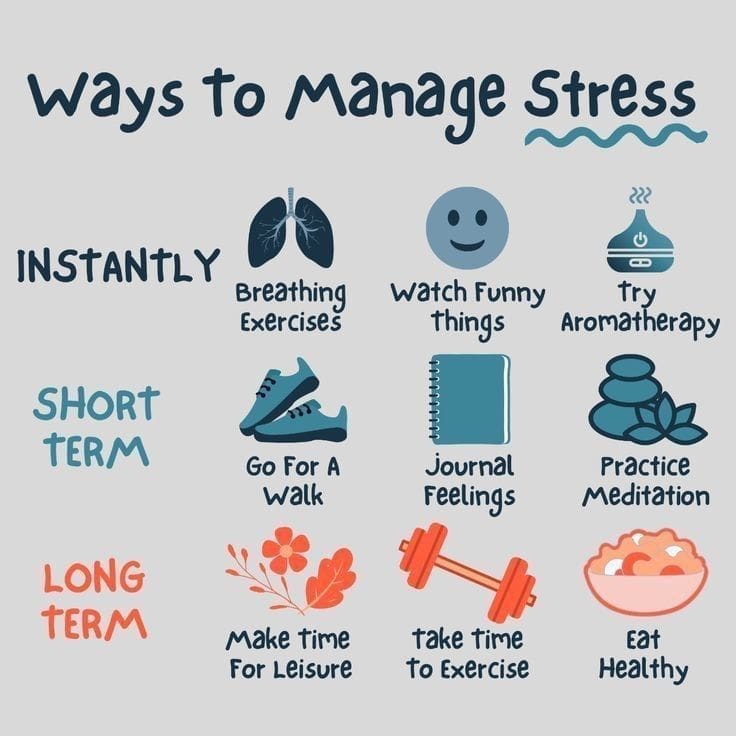
Natural Stress Relief Tips
Discover effective natural stress relief tips to regain control and tranquility in your life. Embrace mindfulness, exercise, and healthy habits today!
Natural Stress Relief Tips Read More »
Discover effective natural stress relief tips to regain control and tranquility in your life. Embrace mindfulness, exercise, and healthy habits today!
Natural Stress Relief Tips Read More »
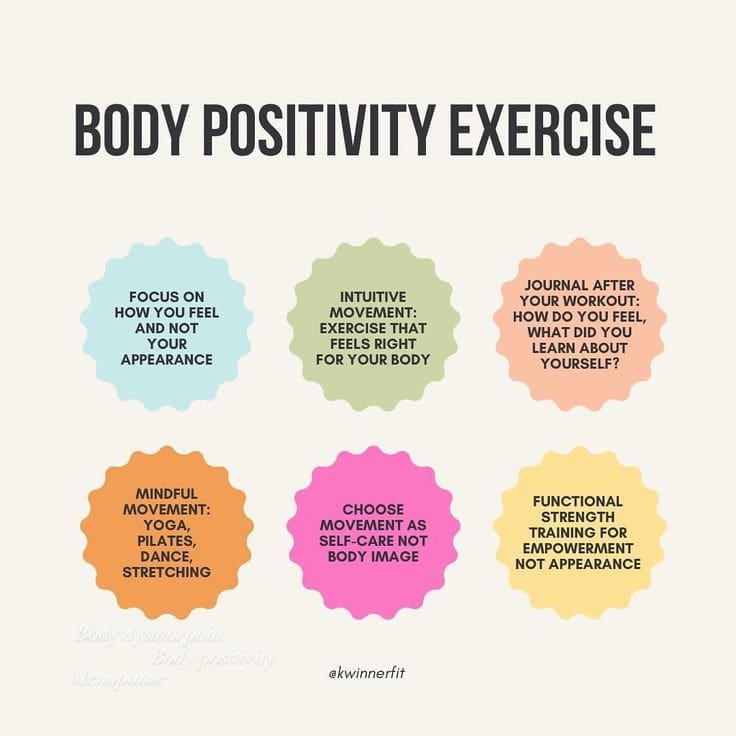
5 Body Awareness Practices to Deepen Your Mind-Body Connection Practicing body awareness is a powerful way to reconnect with yourself and cultivate physical, emotional, and mental balance. These body awareness practices help you live more intuitively, reduce stress, and improve your overall wellness. In this guide, we explore five effective techniques to deepen your mind-body connection. What Are Body Awareness Practices? Body awareness practices are exercises or routines that help you become more mindful of your body’s sensations, movement, and presence. They help improve your posture, emotional regulation, energy flow, and physical comfort. Whether you’re on the yoga mat or simply going about your day, tuning into your body can bring calm and clarity. Yoga, breathwork, and mindfulness are core components of body awareness — each one helping you access greater presence and self-understanding. 1. Practice Mindful Movement One of the most effective body awareness practices is mindful movement. This includes yoga, walking meditation, or tai chi. Instead of exercising mindlessly, you focus on how your body feels during movement. Yoga: Move intentionally, noticing muscle tension, breath, and body positioning. Walking meditation: Walk slowly while tuning into every footstep and the contact with the ground. These practices ground you in the moment and teach you to listen to your body’s signals more clearly. 2. Incorporate Breath Awareness Body awareness practices often begin with breath. Your breath reflects your internal state, and observing it can calm the nervous system and bring awareness to physical tension. Try this simple breath pattern: Inhale for 4 counts Hold for 2 counts Exhale slowly for 6 counts This type of conscious breathing relaxes the body and brings you into deeper connection with your physical and emotional self. Watch this short video for a guided breath awareness practice: 3. Try a Body Scan Meditation Body scans are foundational body awareness practices used in yoga and mindfulness-based stress reduction. In a body scan, you slowly bring awareness to each part of your body, noticing sensations without judgment. Lie down or sit comfortably. Focus your attention on your feet, then slowly move upward. Pause at each area, observing without changing anything. This builds your mind-body awareness and encourages emotional regulation by recognizing how emotions manifest physically. 4. Use Self-Massage and Tactile Feedback Touch and self-massage are often overlooked body awareness practices that can ground you quickly. Whether it’s gentle massage with your hands or using a foam roller, tactile feedback helps awaken physical sensations and release tension. Try these techniques: Massage your shoulders and neck after a long day. Roll your feet over a massage ball to awaken energy flow. This creates greater sensitivity to areas of tightness or fatigue — and offers natural stress relief. 5. Keep a Body Awareness Journal Writing down physical and emotional sensations is one of the most reflective body awareness practices. You begin to identify patterns — like how stress affects your posture, or how certain foods make you feel. Journaling prompts to try: Where in my body did I feel tension today? What physical sensations came with strong emotions? What movement or breath helped me feel centered? This journaling builds deeper awareness over time, allowing you to make lifestyle changes aligned with your well-being. Why Body Awareness Matters in Yoga Body awareness practices are the bridge between physical yoga and spiritual mindfulness. They help you move safely, avoid injury, and truly listen to your body — making yoga not just an exercise, but an experience of inner connection. Final Thoughts: Embrace the Journey of Awareness Whether you’re just beginning your yoga journey or looking to deepen your mindfulness practice, body awareness is essential. Start small. Choose one practice to explore this week. Over time, these body awareness practices will help you feel more grounded, centered, and alive in your own body. [hfe_template id=’4070′] Related: The Surprising Benefits of Daily Stretching
5 Body Awareness Practices to Deepen Your Mind-Body Connection Read More »
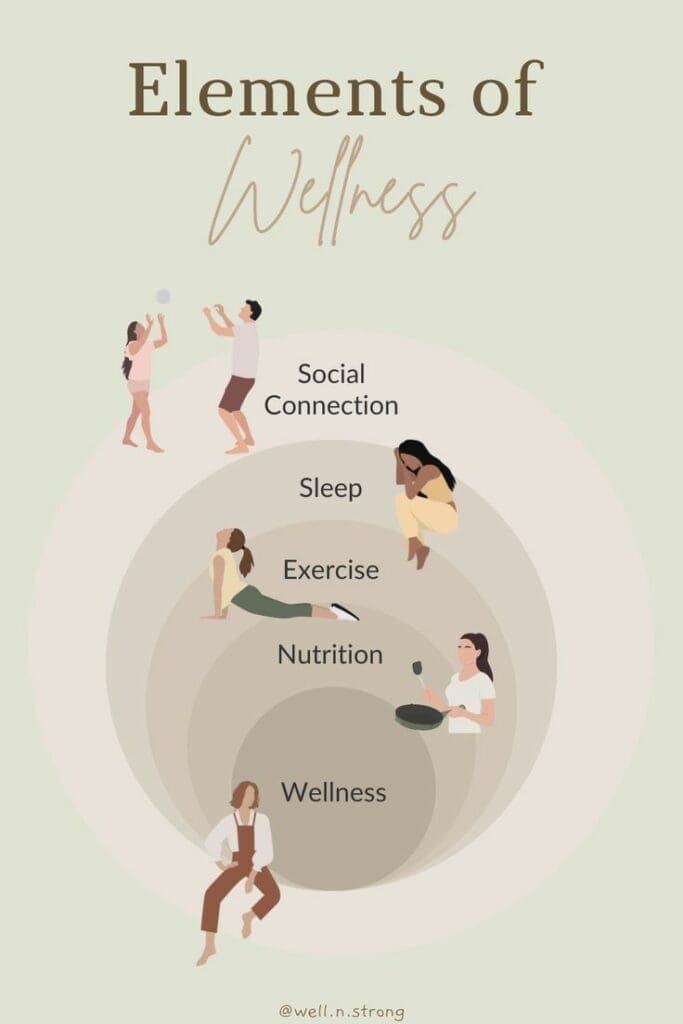
Welcome to a world of wellness where balance and health take center stage. In today’s fast-paced and demanding world, it’s crucial to prioritize our well-being and create a harmonious lifestyle that promotes both physical and mental wellness. Are you ready to embark on a journey towards a more balanced and healthy life? Look no further! In this article, we will explore 10 essential tips to help you achieve just that. From nourishing your body with wholesome foods to finding moments of tranquillity in a chaotic world, we’ll cover it all. So, sit back, relax, and get ready to discover the keys to unlocking a vibrant and fulfilling life. Join us as we delve into the world of wellness and empower ourselves to make positive changes that will have a lasting impact. Let’s dive in and embrace a lifestyle that embraces our well-being and brings us closer to a state of true balance and vitality. The Importance of Wellness in Maintaining a Balanced and Healthy Lifestyle Maintaining a balanced and healthy lifestyle is not just about eating right and exercising regularly. It’s a holistic approach that encompasses all aspects of our well-being, including physical, mental, and emotional health. When we prioritize our wellness, we are better equipped to handle the challenges of daily life, reduce the risk of chronic diseases, and enhance our overall quality of life. One of the key components of wellness is self-care. Taking time for ourselves, nurturing our bodies, and engaging in activities that bring us joy are all essential for maintaining balance. Self-care can take many forms, from indulging in a relaxing bath to practicing meditation or simply spending quality time with loved ones. By making self-care a priority, we can recharge and rejuvenate, allowing us to show up as our best selves in all areas of life. Another important aspect of wellness is stress management. In today’s fast-paced world, stress has become a common occurrence. However, chronic stress can have a detrimental effect on our physical and mental health. Finding healthy ways to manage stress is crucial for maintaining balance and well-being. This can include practices such as deep breathing exercises, yoga, or engaging in hobbies that bring us joy and relaxation. By managing stress effectively, we can improve our overall quality of life and reduce the risk of stress-related illnesses. In addition to self-care and stress management, wellness also involves taking care of our physical health. This includes eating a balanced diet, engaging in regular physical activity, and getting enough sleep. When we fuel our bodies with wholesome foods and stay active, we provide our bodies with the nutrients and energy they need to function optimally. Sleep, on the other hand, is essential for our bodies to rest and repair. By prioritizing these aspects of physical health, we can boost our immune system, improve our cognitive function, and have more energy to tackle the challenges of daily life. Healthy Eating Habits for Overall Well-being A balanced and healthy lifestyle starts with nourishing our bodies with wholesome foods. Healthy eating habits play a crucial role in maintaining optimal well-being and preventing chronic diseases. Here are some essential tips to help you establish healthy eating habits: 1. Focus on whole foods: Incorporate a variety of fruits, vegetables, whole grains, lean proteins, and healthy fats into your diet. These foods are rich in essential nutrients and antioxidants, which support overall health and well-being. 2. Stay hydrated: Drink plenty of water throughout the day to stay hydrated. Water is essential for digestion, nutrient absorption, and detoxification. Aim to drink at least 8 glasses of water per day. 3. Minimize processed foods: Processed foods are often high in added sugars, unhealthy fats, and artificial additives. Limit your intake of processed foods and opt for whole, unprocessed alternatives whenever possible. 4. Practice portion control: Pay attention to portion sizes and listen to your body’s hunger and fullness cues. Avoid overeating and aim for balanced meals that include a variety of nutrients. By adopting these healthy eating habits, you can nourish your body and support overall well-being. The Benefits of Regular Physical Activity Regular physical activity is not only beneficial for maintaining a healthy weight and physical fitness, but it also has numerous other benefits for our overall well-being. Here are some of the key benefits of regular exercise: 1. Improved cardiovascular health: Engaging in regular cardiovascular exercises, such as brisk walking, running, or cycling, can strengthen the heart and improve blood circulation. This can reduce the risk of heart disease and lower blood pressure. 2. Increased energy levels: Regular exercise can boost energy levels by improving blood flow and oxygen delivery to the muscles. It also stimulates the production of endorphins, which are natural mood boosters. 3. Enhanced mental well-being: Exercise has been shown to reduce symptoms of anxiety and depression, improve mood, and increase self-esteem. It can also improve cognitive function and memory. 4. Better sleep quality: Engaging in regular physical activity can improve sleep quality by promoting relaxation and reducing stress. However, it’s important to avoid vigorous exercise close to bedtime, as it can interfere with sleep. 5. Stronger immune system: Regular exercise can boost the immune system, making you less susceptible to common illnesses such as colds and flu. To reap the benefits of regular physical activity, aim for at least 150 minutes of moderate-intensity exercise or 75 minutes of vigorous-intensity exercise per week. Find activities that you enjoy and make them a part of your daily routine. Mental Health and Stress Management Techniques In today’s fast-paced and demanding world, mental health is as important as physical health. Taking care of our mental well-being is crucial for maintaining a balanced and healthy lifestyle. Here are some techniques to promote mental health and effectively manage stress: 1. Practice mindfulness: Mindfulness involves paying attention to the present moment without judgment. It can help reduce stress, enhance self-awareness, and improve overall mental well-being. Try incorporating mindfulness into your daily routine by practicing mindful breathing, eating, or walking. 2. Engage
Top 10 Wellness Tips for a Balanced and Healthy Lifestyle Read More »