Zen Techniques For Inner Peace: Meditation Guide
Explore Zen techniques for inner peace and self-awareness. Cultivate calmness, mindfulness, and clarity with our meditation guide.
Zen Techniques For Inner Peace: Meditation Guide Read More »
Explore Zen techniques for inner peace and self-awareness. Cultivate calmness, mindfulness, and clarity with our meditation guide.
Zen Techniques For Inner Peace: Meditation Guide Read More »

Explore the transformative power of angel healing through meditation. Connect with higher realms for profound inner healing and guidance.
Angel Healing Meditation: Connect With Higher Realms Read More »
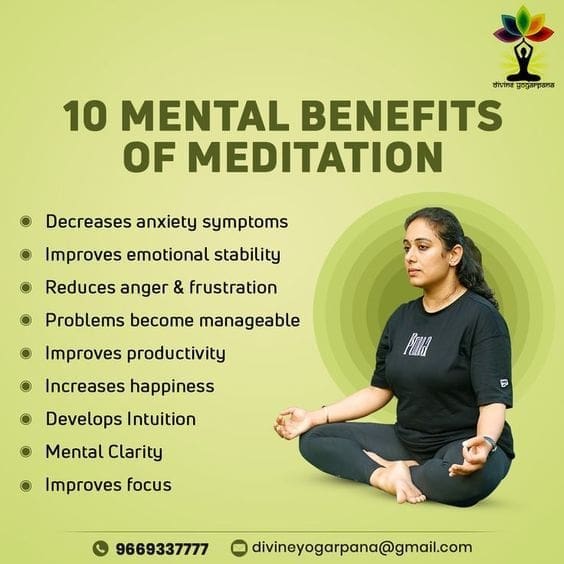
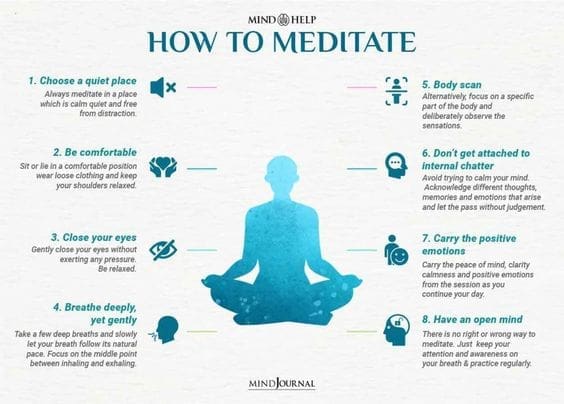
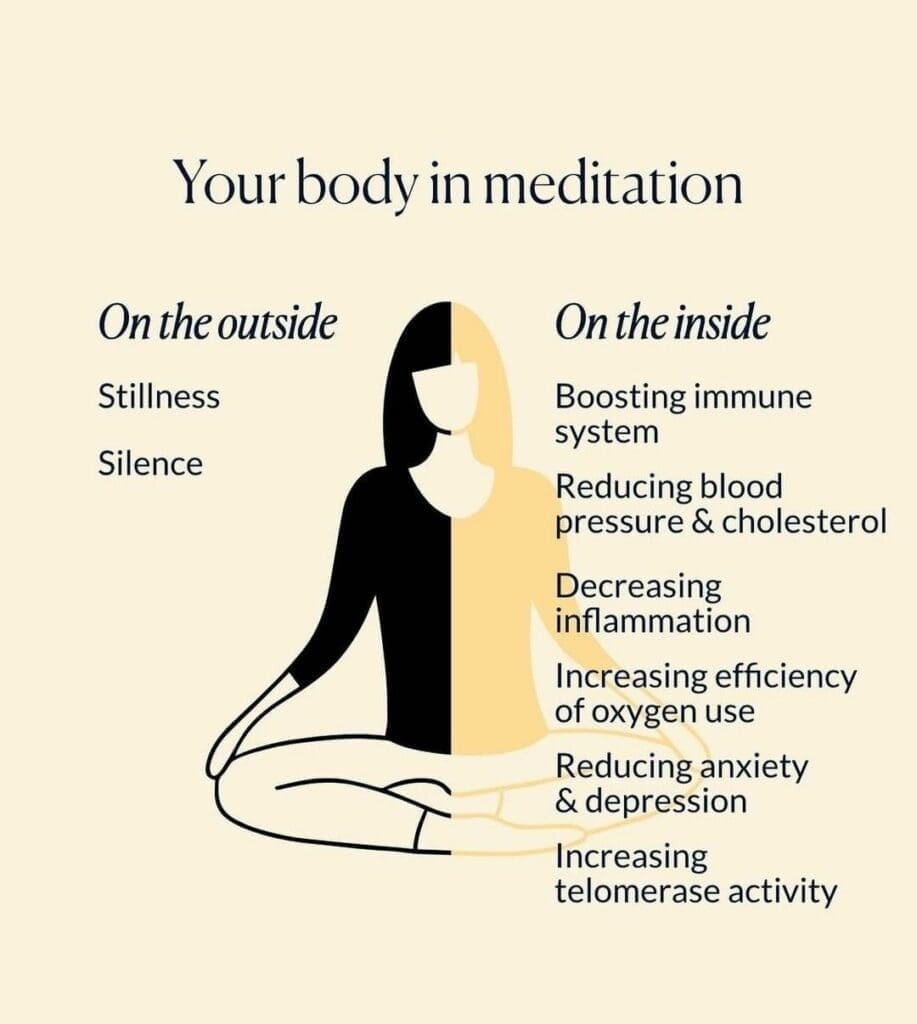
Are you feeling overwhelmed by the chaos and stress of everyday life? Would you like to find a way to achieve a sense of inner peace and calm? Look no further! In our article, “Navigating The Path To Inner Peace: A Comprehensive Guide To Meditation,” we will take you on a journey to discover the transformative power of meditation. Be prepared to explore different meditation techniques, learn how to create a suitable environment, and understand the numerous benefits that meditation can bring to your life. Get ready to embark on a profound journey towards inner tranquillity and harmony. Understanding Meditation What is Meditation? Meditation is a practice that has been around for centuries and is deeply rooted in various religious and spiritual traditions. At its core, meditation is a method of training the mind to focus and redirect thoughts, allowing for a deeper sense of inner peace, relaxation, and self-awareness. It involves intentionally turning your attention away from external distractions to achieve a state of mental clarity and emotional balance. The Benefits of Meditation The benefits of meditation are far-reaching and have been scientifically proven to have a positive impact on both physical and mental well-being. Regular meditation practice can reduce stress, anxiety, and depression, as well as improve concentration, creativity, and overall cognitive function. It has also been shown to lower blood pressure, boost the immune system, and promote better sleep. Moreover, meditation can enhance self-awareness, cultivate a sense of compassion and empathy, and foster a deeper connection with oneself and others. Different Types of Meditation Techniques There are numerous meditation techniques to choose from, each with its own unique focus and approach. Some of the most popular meditation techniques include mindfulness meditation, transcendental meditation, loving-kindness meditation, walking meditation, chakra meditation, and guided meditation. Exploring different techniques can help you find the one that resonates most with you and best suits your individual preferences and goals. Preparing for Meditation Creating a Sacred Space Creating a sacred space for meditation can greatly enhance your practice. It provides a dedicated area that serves as a reminder to prioritize self-care and inner peace. Choose a quiet and clutter-free space in your home where you can sit comfortably without being disturbed. You can enhance the ambiance by lighting candles, burning incense, or playing soft and soothing music. Personalize your space with objects that have special meaning to you, such as crystals, inspirational quotes, or a picture of a loved one. Choosing the Right Time Selecting the right time to meditate is essential for establishing a consistent practice. Some people prefer to meditate early in the morning, as it allows for a peaceful start to the day and sets a positive tone. Others find that meditating in the evening helps to release the stresses of the day and promote relaxation before bedtime. Ultimately, the best time to meditate is when you can devote uninterrupted time to your practice. Experiment with different times of the day to discover what works best for you. Ensuring Physical Comfort Before diving into your meditation practice, it is important to ensure physical comfort. Find a posture that allows you to sit comfortably for an extended period of time. Traditionally, practitioners sit cross-legged on a meditation cushion or mat, but you can also sit on a chair or use any other supportive surface. Maintain an upright posture with a relaxed but alert stance, and avoid slouching or tensing your body. Wear loose, comfortable clothing that allows for unrestricted breathing and movement. Having a blanket or shawl nearby can be helpful for added comfort and warmth. The Fundamentals of Meditation Posture and Alignment Posture plays a significant role in meditation as it supports your body and allows for optimal breathing and energy flow. Sit in a way that feels grounded and stable, with your spine straight and aligned. Imagine a string pulling you up from the top of your head, lengthening your spine and creating space between each vertebra. Rest your hands gently on your thighs or bring them together in a mudra, a symbolic hand gesture. Allow your shoulders to relax and your chest to open, creating a sense of spaciousness and ease. Breathing Techniques Conscious breathing is an integral part of meditation. It helps to bring focus and calmness to the mind, cantering your awareness in the present moment. Begin by observing your natural breath without trying to control it. Notice the sensation of your breath entering and leaving your body, feeling the rise and fall of your abdomen or the air flowing in and out of your nostrils. As you become more comfortable, you can explore different breathing techniques, such as deep belly breathing or alternate nostril breathing, which can further deepen your meditation practice. Focused Attention One of the key elements of meditation is developing focused attention. This involves directing your attention to a specific object, such as your breath, a mantra, or a visual image. Whenever your mind wanders off, gently bring it back to your chosen point of focus without judgment or frustration. The practice of focused attention helps to quiet the mental chatter and cultivate a clear and one-pointed mind. Over time, this focused attention becomes a valuable tool to bring mindfulness and presence into all areas of your life. Mindfulness Meditation Observing Sensations and Thoughts Mindfulness meditation involves cultivating moment-to-moment awareness of your thoughts, sensations, and emotions without judgment or attachment. Begin by bringing your attention to your bodily sensations, noticing any areas of tension or discomfort. Then, shift your focus to your thoughts, observing them as they arise and pass without getting caught up in their content. Allow your thoughts to come and go, simply observing them from a place of non-reactivity and curiosity. Remember, the goal is not to suppress or control your thoughts, but to cultivate a sense of spacious awareness around them. Cultivating Non-Judgmental Awareness A core aspect of mindfulness meditation is developing a non-judgmental attitude towards your experiences. Instead of labelling thoughts or emotions as good or
A Comprehensive Guide To Meditation Read More »
Meditation Made Easy Are you ready to embark on a journey of self-discovery and inner peace? Look no further than this step-by-step guide to starting your guided meditation practice. In today’s fast-paced world, finding moments of calm and clarity can seem like an elusive dream. But with the power of meditation, you can create a sanctuary within yourself, a place where stress melts away, and your mind can find solace. Whether you’re a beginner or have dabbled in meditation before, this comprehensive guide will take you by the hand and lead you through the process of establishing a fulfilling and sustainable meditation practice. From setting up a serene meditation space to choosing the right guided meditation resources, this guide will equip you with all the tools you need to make meditation a seamless part of your daily routine. Get ready to unlock the transformative power of meditation and cultivate a sense of inner harmony that will positively impact every aspect of your life. What is guided meditation? Guided meditation is a form of meditation where you are led through the practice by a teacher or a recorded voice. It is a great option for beginners or those who find it difficult to quiet their minds on their own. During guided meditation, you are guided through a series of visualizations or prompts that help you relax, focus, and achieve a meditative state. This form of meditation can be practiced individually or in a group setting, and it is particularly effective for stress reduction, relaxation, and enhancing overall well-being. Guided meditation often incorporates elements of mindfulness, breath awareness, and body scan techniques. By following the guidance of a teacher or a recording, you can learn to cultivate a state of deep relaxation and inner peace. Unlike other forms of meditation, guided meditation provides a structured framework that makes it easier for beginners to get started and stay focused. It can be a helpful tool for those who struggle with racing thoughts or find it challenging to sit in silence for extended periods. Guided meditation can take many forms, ranging from short, five-minute sessions to longer, more immersive experiences. It can be practiced in various settings, such as at home, in a meditation center, or even outdoors in nature. The key is to find a style of guided meditation that resonates with you and complements your personal preferences and goals. Benefits of guided meditation The benefits of guided meditation are numerous and far-reaching. Not only does it provide an opportunity to relax and unwind, but it also offers a wide range of mental, emotional, and physical benefits. Here are some of the key advantages of incorporating guided meditation into your daily routine: Stress reduction: Guided meditation is an effective tool for managing stress and anxiety. By focusing your attention on the present moment and letting go of worries and concerns, you can experience a sense of calm and tranquillity. Regular practice can help reduce the harmful effects of chronic stress on your body and mind. Improved focus and concentration: Through guided meditation, you can train your mind to stay focused and present. The practice of gently redirecting your attention back to your breath or a specific point of focus can enhance your ability to concentrate and improve your overall productivity. Enhanced self-awareness: Guided meditation allows you to develop a deeper understanding of yourself and your inner landscape. As you explore your thoughts, emotions, and sensations during the practice, you can gain insights into your patterns of thinking and behaviour. This increased self-awareness can lead to personal growth and positive change. Better sleep: Many people struggle with insomnia or poor sleep quality. Guided meditation can help relax your body and mind, making it easier to fall asleep and stay asleep throughout the night. By practicing guided meditation before bedtime, you can create a peaceful transition from the busyness of the day to a restful night’s sleep. Increased emotional well-being: Guided meditation can help you cultivate positive emotions such as gratitude, compassion, and joy. By focusing your attention on uplifting thoughts and feelings, you can enhance your overall emotional well-being and develop a more positive outlook on life. Physical health benefits: Research has shown that meditation can have a positive impact on physical health. It can help lower blood pressure, reduce inflammation, boost the immune system, and promote overall wellness. By incorporating guided meditation into your daily routine, you can support your physical health and well-being. How to prepare for guided meditation Before you begin your guided meditation practice, it’s important to set yourself up for success by creating a supportive environment and a mindset conducive to relaxation and focus. Here are some steps you can take to prepare for your guided meditation sessions: Find a quiet and comfortable space: Choose a space in your home where you can practice meditation without distractions. Ideally, this space should be quiet, clutter-free, and free from external disturbances. You can create a dedicated meditation corner or use a spare room where you can set up a meditation cushion or a comfortable chair. Set the mood: Create a calming atmosphere by dimming the lights, lighting a scented candle or incense, or playing soft, soothing music. These sensory cues can help signal to your mind and body that it’s time to relax and enter a meditative state. Wear comfortable clothing: Choose loose-fitting, comfortable clothing that allows you to sit or lie down without restrictions. Avoid wearing anything that feels tight or constricting, as it can interfere with your ability to fully relax. Turn off electronic devices: Minimize distractions by turning off your phone, computer, or any other electronic devices that may interrupt your meditation practice. Consider putting your devices on silent mode or placing them in another room to create a tech-free zone during your meditation sessions. Set a timer: If you prefer to have a specific duration for your guided meditation practice, set a timer beforehand. This can help you stay focused and ensure that you allocate enough
Meditation Made Easy: Step-by-Step Guide to Starting Your Guided Meditation Practice Read More »