
Yoga and Meditation: Essential for Student Success
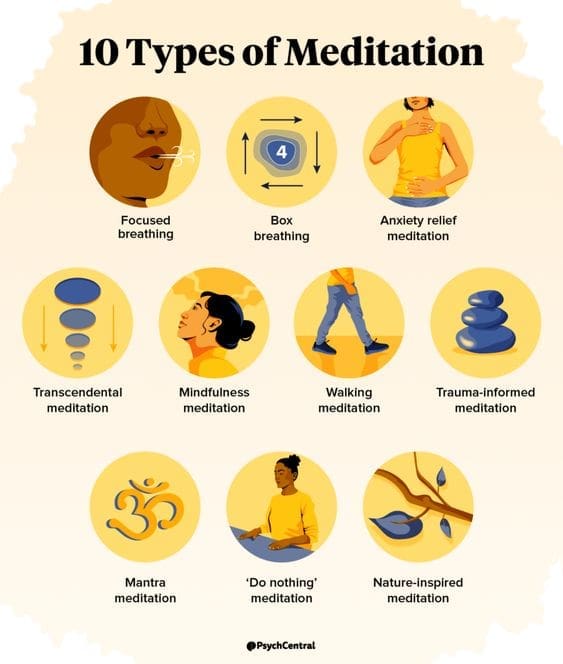
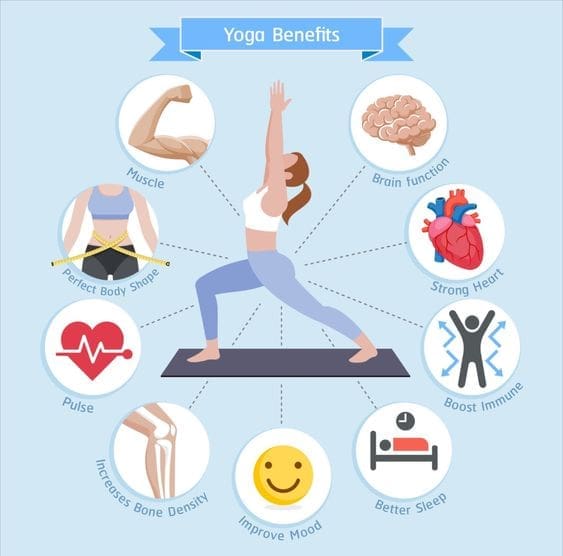
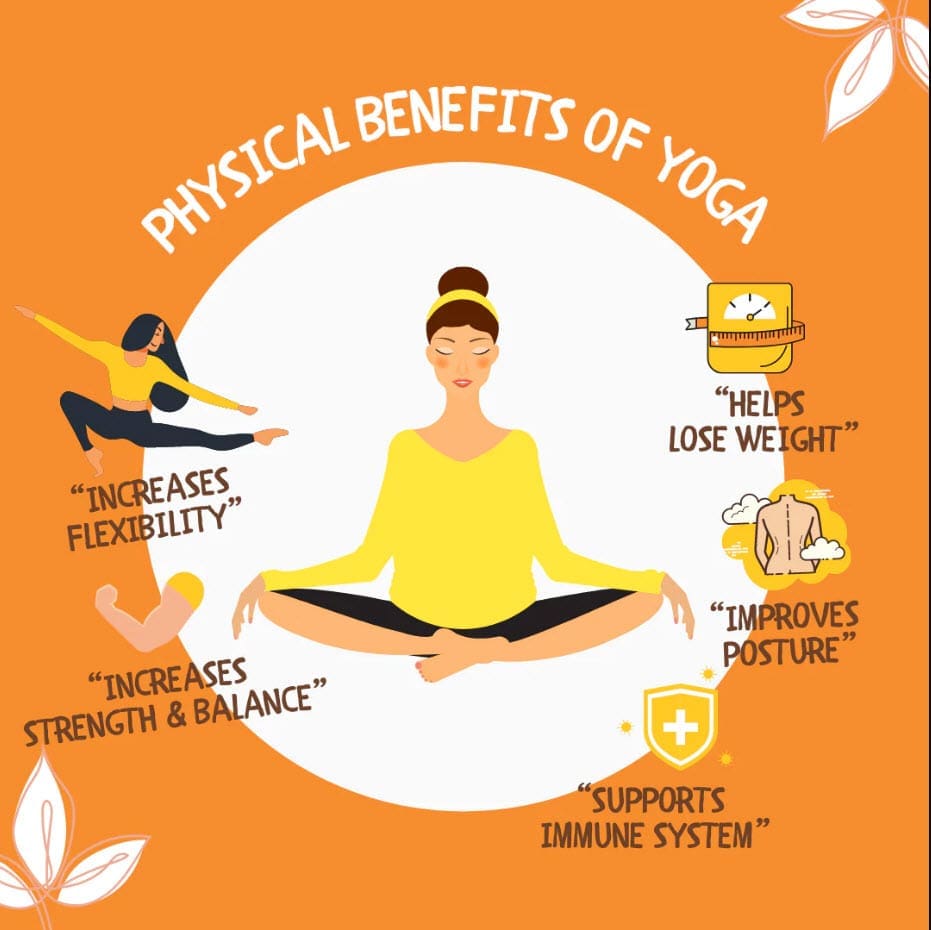
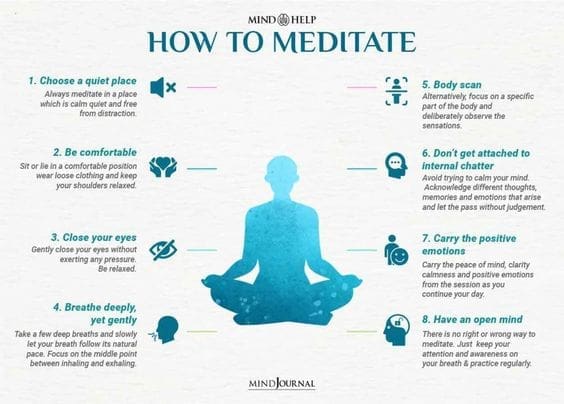
In the high-pressure world of academia, students often find themselves overwhelmed by the demands of their studies and personal lives. Balancing the need to excel academically with the challenges of managing stress and maintaining overall well-being can be a daunting task. However, there is a powerful solution that can help students navigate these difficulties: the practice of yoga and meditation. By incorporating these ancient techniques into their daily routines, students can unlock a host of benefits that extend far beyond the classroom. From reducing stress and anxiety to improving focus, concentration, and memory, yoga and meditation offer a holistic approach to enhancing both mental and physical health. Moreover, these practices can help students cultivate greater self-awareness, emotional resilience, and inner peace, enabling them to tackle the challenges of student life with greater ease and confidence. In the following paragraphs, we will delve deeper into the transformative power of yoga and meditation and explore why these practices are of such vital importance for students in today’s fast-paced world. Reducing Stress Levels Understanding the pressures faced by students As a student, I understand firsthand the pressures and challenges that come with academic life. From juggling multiple assignments and exams to managing extracurricular activities and personal commitments, it’s no surprise that stress levels can soar. The constant pressure to excel and meet expectations can take a toll on our mental and physical well-being. It’s crucial to acknowledge and understand these pressures in order to effectively address and reduce stress levels. The impact of stress on academic performance High levels of stress can significantly impact our academic performance. When we are stressed, our ability to concentrate, retain information, and thrive in our studies is compromised. It becomes difficult to stay focused, absorb new material, and effectively apply what we’ve learned. Stress also affects our sleep patterns, making it harder to recharge and be mentally sharp during classes and exams. By recognizing the detrimental impact that stress can have on our academic performance, we are motivated to find effective ways to reduce it and optimize our learning potential. How yoga and meditation can help in reducing stress Yoga and meditation have been proven to be effective tools in reducing stress levels. Through the practice of yoga, we engage in physical movements that help release tension and promote relaxation. The combination of deep breathing, stretching, and mindful movements helps to calm the nervous system and alleviate stress. Additionally, meditation allows us to quiet the mind, cultivate awareness of our thoughts and emotions, and develop a sense of inner calm and peace. By incorporating yoga and meditation into our daily routine, we can learn how to manage stress more effectively and cultivate a sense of balance and well-being. Specific techniques to manage stress through yoga and meditation There are various techniques within yoga and meditation that can specifically target and manage stress. Some popular yoga poses for stress relief include the Child’s Pose, which helps to calm the mind and release tension in the body, and the Corpse Pose, which promotes deep relaxation. Breathing exercises, such as the 4-7-8 breath, where you inhale for a count of four, hold for a count of seven, and exhale for a count of eight, can also help to calm the nervous system and reduce stress. Additionally, incorporating guided meditations focused on relaxation and stress reduction can further enhance the benefits of yoga and meditation in managing stress. Improving Concentration and Focus Challenges faced by students in maintaining concentration In today’s fast-paced and technology-driven world, staying focused and maintaining concentration has become increasingly challenging for students. The constant distractions from smartphones, social media, and other digital devices make it difficult to stay engaged and focused on tasks at hand. Additionally, the ever-growing workload and demanding academic requirements can overwhelm us and lead to mental fatigue, making it harder to concentrate effectively. The role of yoga and meditation in enhancing focus Yoga and meditation provide valuable techniques to enhance focus and concentration. Through the physical practice of yoga, we learn to cultivate present-moment awareness and train our minds to stay focused on our breath and body movements. This mindfulness aspect of yoga helps to reduce distractions and improve concentration. Similarly, meditation practices, such as focused attention meditation or mindfulness meditation, teach us to anchor our attention to a particular object or sensation, thus strengthening our ability to sustain focus and resist distractions. By regularly practicing yoga and meditation, we can improve our concentration skills and enhance our overall academic performance. Breathing exercises to improve concentration One effective technique to improve concentration is by incorporating specific breathing exercises. Deep breathing exercises, such as the Alternate Nostril Breathing or the Three-Part Breath, help to calm the mind, increase oxygen flow to the brain, and enhance mental clarity. These breathing techniques can be practiced anywhere and anytime, making them easily accessible tools to improve focus and concentration during stressful academic situations. Meditation techniques for heightened focus Meditation techniques, such as the “one-pointed focus” meditation or the “focused attention” meditation, can be incredibly beneficial in improving focus and concentration. During these practices, we choose a single point of focus, such as our breath, a mantra, or a specific sensation, and train our minds to remain fully absorbed in that focal point. By consistently practicing these meditation techniques, we enhance our ability to stay focused, filter out distractions, and sustain our attention for prolonged periods of time. Enhancing Physical Fitness Importance of physical well-being for students It’s no secret that physical well-being plays a crucial role in our overall health and happiness. As students, it’s important for us to prioritize our physical fitness to optimize our academic performance and general well-being. Regular physical activity helps to improve blood circulation, boost energy levels, enhance cognitive function, and reduce the risk of various health conditions. It also serves as a valuable tool to manage stress and promote a positive outlook on life. Yoga asanas for strength, flexibility, and balance Yoga offers a holistic approach to physical fitness, providing
Yoga and Meditation: Essential for Student Success Read More »