Mindful Breathing Exercises
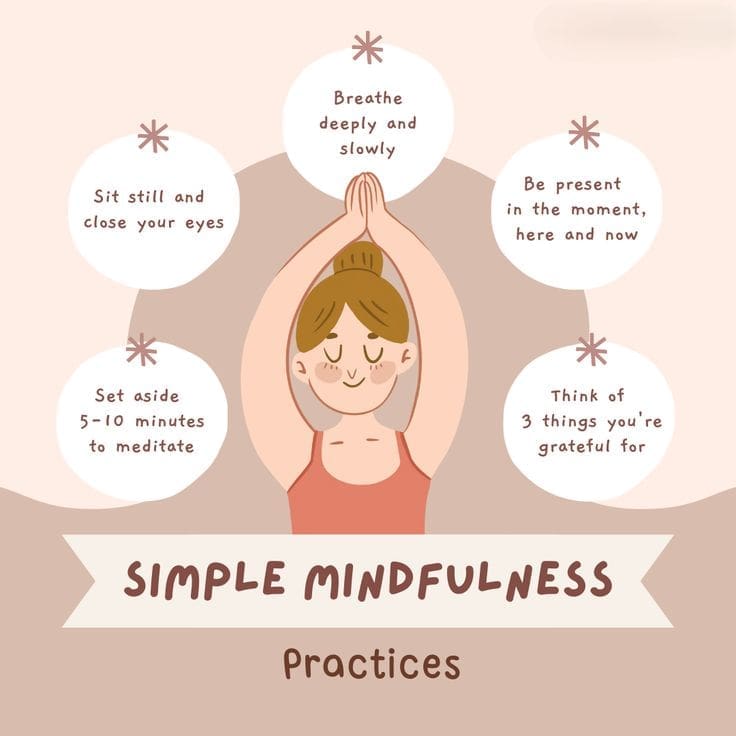
Discover the calming power of mindful breathing exercises. Reduce stress, improve focus, and enhance your emotional well-being with simple techniques.
Mindful Breathing Exercises Read More »
Discover the calming power of mindful breathing exercises. Reduce stress, improve focus, and enhance your emotional well-being with simple techniques.
Mindful Breathing Exercises Read More »

Nutritionists play an essential role in our journey towards healthier living in today’s fast-paced world. By guiding our dietary choices and exercise habits, they help us strive for optimal wellness. This article illuminates the crucial contributions of nutritionists in enhancing our health and wellness goals. With their deep understanding of food and nutrition, these professionals offer personalized advice and strategies for healthy eating, empowering us to make informed decisions that nourish our bodies and uplift our overall well-being. Explore the indispensable role nutritionists have in steering us towards a more healthy and satisfying lifestyle. What is a nutritionist? A nutritionist is a health professional who specializes in the study of nutrition and its impact on health and wellness. They are experts in the field of food and its relation to the human body, and they use this knowledge to help individuals make informed choices about their diet and lifestyle. Nutritionists not only provide guidance on healthy eating, but they also help people achieve and maintain their desired level of wellness through proper nutrition. Understanding healthy eating and wellness Healthy eating and wellness are closely intertwined. When we talk about healthy eating, we are referring to consuming a balanced diet that provides all the essential nutrients our bodies need to function optimally. A well-rounded diet consists of a variety of fruits, vegetables, whole grains, lean proteins, and healthy fats. It is important to note that healthy eating is not just about what we eat, but also how we eat. Mindful eating, portion control, and listening to our body’s hunger and fullness cues are also important aspects of healthy eating. Wellness, on the other hand, encompasses various dimensions of overall health, including physical, mental, and emotional well-being. It is about creating a harmonious balance between our body, mind, and spirit. While nutrition plays a significant role in physical wellness, it also has an impact on mental and emotional well-being. A nutritionist understands the connection between nutrition and wellness and works to guide individuals towards achieving optimal health in all areas of their life. The importance of nutritionists in promoting healthy eating and wellness Nutritionists play a crucial role in promoting healthy eating and wellness in our society. They are not only knowledgeable about the science of nutrition but also skilled in effectively communicating and translating this complex information into practical advice that is easily understood and implemented by individuals. Their expertise helps people make sense of the overwhelming amount of information available about diet and nutrition, allowing them to make informed choices that align with their health goals. Educating individuals about proper nutrition One of the key roles of nutritionists is to educate individuals about proper nutrition. They provide evidence-based information and debunk common misconceptions about food and nutrition. By teaching people about the nutritional value of different foods, the importance of portion sizes, and how to read food labels, nutritionists empower individuals to make informed decisions about their diet. They help individuals develop a solid foundation of knowledge that will enable them to consistently make healthy food choices and support their overall well-being for the long term. Creating personalized meal plans Every individual is unique, with different nutritional needs and health goals. This is where nutritionists excel and can make a significant impact. They have the expertise to assess an individual’s current dietary habits, lifestyle, and overall health and develop personalized meal plans that meet their specific needs. Whether someone is looking to lose weight, manage a chronic condition, or optimize their athletic performance, a nutritionist can create a tailored meal plan that is both practical and sustainable. Addressing specific dietary needs Certain individuals have specific dietary needs due to allergies, intolerances, or medical conditions. Nutritionists are skilled in working with individuals who have unique dietary requirements and can provide guidance and support to ensure their nutritional needs are met while still enjoying a varied and delicious diet. Whether it is developing a gluten-free meal plan for someone with celiac disease or helping a vegan athlete meet their protein needs, nutritionists play a vital role in ensuring individuals can maintain a healthy and balanced diet despite their dietary restrictions. Supporting weight management Maintaining a healthy weight is important for overall wellness and can significantly impact our risk of chronic diseases. Nutritionists are equipped with the knowledge and skills to support individuals in their weight management efforts. They can help individuals set realistic weight loss goals, develop sustainable dietary strategies, and provide ongoing support and accountability. By addressing the underlying factors that contribute to weight gain or difficulty in losing weight, such as emotional eating or a sedentary lifestyle, nutritionists can help individuals achieve long-term success in managing their weight. Preventing and managing chronic diseases Proper nutrition plays a vital role in preventing and managing chronic diseases such as diabetes, heart disease, and certain types of cancer. Nutritionists can work closely with individuals who have these conditions to develop a specialized meal plan that aligns with their specific dietary needs and helps manage their symptoms or reduce their risk of disease progression. By incorporating nutrient-dense foods, controlling portion sizes, and managing blood sugar levels, nutritionists can make a significant impact on an individual’s overall health and well-being. Guiding healthy eating during pregnancy and breastfeeding During pregnancy and breastfeeding, proper nutrition is essential for the health and development of both the mother and the baby. Nutritionists play a crucial role in guiding women on how to meet their increased nutritional needs during this special time. They provide support and education on important nutrients such as folic acid, iron, calcium, and omega-3 fatty acids. By ensuring that pregnant women and breastfeeding mothers have a well-balanced diet that meets their specific needs, nutritionists contribute to the health and well-being of both mother and child. Helping athletes optimize performance Nutrition plays a key role in athletic performance. Whether it is endurance, strength, or speed-based sports, proper nutrition can enhance an athlete’s performance and recovery. Nutritionists work closely with athletes to develop personalized meal plans that
Nutritionists Role in Healthy Eating & Wellness Read More »
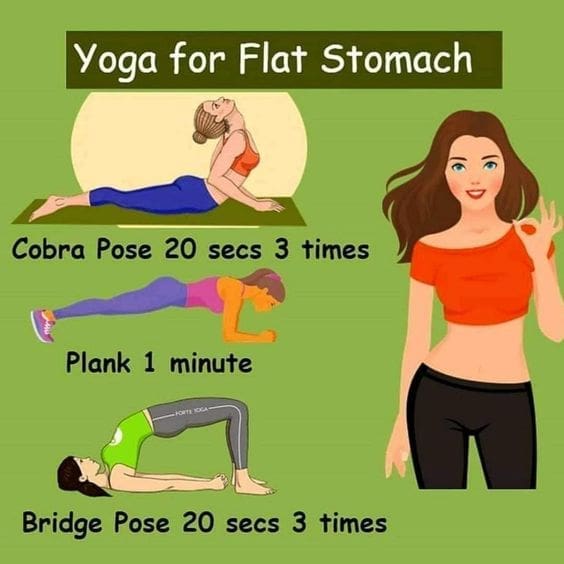
Belly fat can be one of the most challenging areas to target and reduce, often leaving individuals feeling discouraged when their efforts seem futile. However, this article aims to shed light on the most effective exercises that specifically target belly fat, helping you achieve the trim and toned midsection you desire. Say goodbye to the notion that countless crunches are the only way to go, as we unveil a range of proven techniques that will efficiently and effectively combat belly fat. From high-intensity interval training to core-engaging compound movements, these exercises are designed to maximize fat loss around your waistline. Prepare to revolutionize your workout routine and embrace a new approach to targeting belly fat. With dedication and consistency in performing these highly effective exercises, you’ll be well on your way to achieving a flatter, more defined stomach. Get ready to bid farewell to stubborn belly fat and hello to a more confident, healthier you. Cardiovascular Exercises When it comes to shedding those extra pounds and targeting belly fat, cardiovascular exercises are a great place to start. These exercises not only help in burning calories but also improve cardiovascular health. Here are some of the most effective cardiovascular exercises that you can easily incorporate into your fitness routine: Running Running is one of the simplest yet highly effective cardiovascular exercises. Whether you prefer running on a treadmill or outdoor running, it helps in boosting your metabolism and burning calories, including stubborn belly fat. Start with a brisk walk and gradually increase your pace to a jogging or running speed that challenges you. Not only will you see improvements in your overall fitness, but also notice a reduction in belly fat over time. Cycling Cycling is another excellent cardiovascular exercise that targets belly fat. Whether you choose to cycle outdoors or use a stationary bike, this low-impact exercise helps in burning calories and strengthens your lower body muscles, including the core. It is a fun way to explore new areas while getting a great workout. Swimming Swimming is a full-body workout that engages all major muscle groups, making it a fantastic cardiovascular exercise for burning calories and losing belly fat. The resistance provided by water adds an extra challenge, helping to build lean muscle while focusing on your core. Whether you do a few laps in the pool or join a water aerobics class, swimming offers an effective way to tone your body and achieve your fitness goals. High-Intensity Interval Training (HIIT) High-Intensity Interval Training, commonly known as HIIT, has gained immense popularity in recent years due to its effectiveness in burning calories and reducing belly fat. HIIT workouts involve alternating periods of intense exercise with short rest periods. Here are some HIIT exercises that you can incorporate into your fitness routine: Jumping Jacks Jumping jacks are a great HIIT exercise that gets your heart pumping and targets belly fat. Start by standing with your feet together and arms by your sides. Jump while spreading your legs wider than hip-width apart and simultaneously raising your arms above your head. Jump back to the starting position and repeat the movement for a set period of time. Incorporating jumping jacks into your HIIT routine will help in burning calories and shedding belly fat. Burpees Burpees are a challenging yet highly effective full-body exercise that engages multiple muscle groups and boosts your heart rate. Start by standing with your feet shoulder-width apart. Lower your hands to the ground and kick your feet back, landing in a plank position. Immediately jump your feet forward and stand up. Repeat this movement for a set number of repetitions. This exercise not only burns calories but also strengthens your core muscles, including your abdominal muscles. Mountain Climbers Mountain climbers are another great HIIT exercise that targets belly fat. Start in a plank position with your hands directly under your shoulders and your body in a straight line. One at a time, bring your knees towards your chest, alternating between legs as if you are running in place. Maintain a fast pace for a set duration. Mountain climbers increase your heart rate, engage your core muscles, and help in torching belly fat. Abdominal Exercises To strengthen and tone your abdominal muscles and effectively target belly fat, incorporating specific abdominal exercises into your fitness routine is key. Here are some of the most effective abdominal exercises you can try: Crunches Crunches are a classic abdominal exercise that targets the rectus abdominis, the front muscles of your abdomen. Lie on your back with your knees bent and feet flat on the ground. Place your hands behind your head, elbows out to the sides. Engage your core and lift your head, neck, and shoulders off the ground, while keeping your lower back pressed into the floor. Lower back down and repeat for a desired number of repetitions. Regularly including crunches in your workout routine can help in strengthening and defining your abdominal muscles. Planks Planks are an excellent exercise for strengthening your entire core, including your abdominal muscles, back muscles, and glutes. Start by getting into a push-up position, resting on your forearms instead of your hands. Keep your body in a straight line from your head to your heels, engage your core, and hold this position for a desired amount of time. Planks not only target belly fat but also improve your posture and stability. Russian Twists Russian twists are a great exercise for targeting the oblique muscles, which are located on the sides of your abdomen. Sit on the ground with your knees bent and feet flat on the floor. Lean back slightly while keeping your back straight. Hold a weight or medicine ball with both hands in front of you. Twist your torso to the right, bringing the weight or ball towards the ground. Return to the center and then twist to the left side. Repeat this twisting motion for a desired number of repetitions. Russian twists help in strengthening your oblique muscles, giving you a more defined
Effective Exercises to Target and Reduce Belly Fat Read More »
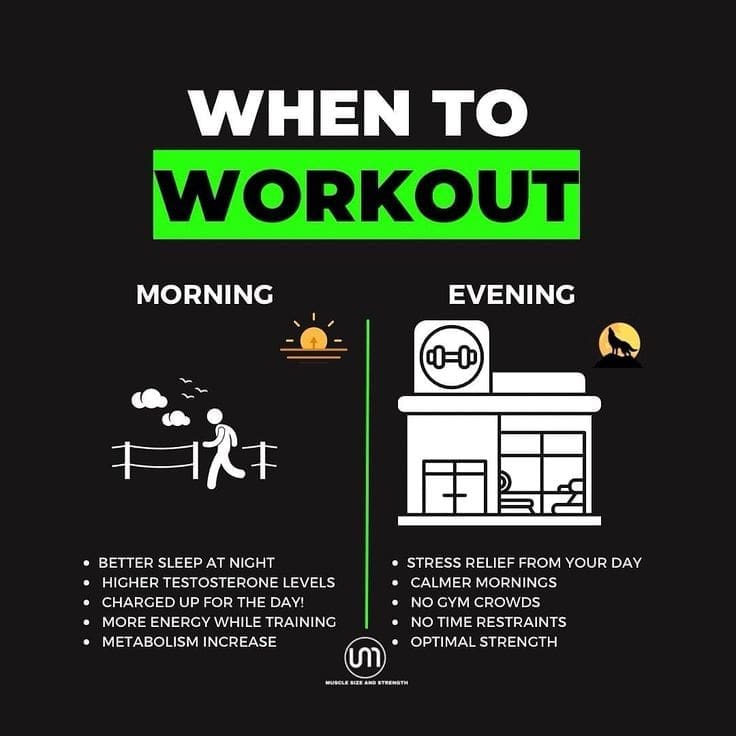
What’s the Best Time to Exercise? Morning vs. Evening Workouts Have you ever wondered when the best time to exercise really is? With so much advice online, it can feel overwhelming. Some swear by morning workouts, others thrive in the evening. The truth is, there’s no single answer. It all comes down to your personal schedule, energy levels, and fitness goals. In this article, we’ll break down the pros and cons of exercising at different times of the day to help you find your perfect fit. Why Does Timing Matter for Exercise? Exercise is beneficial no matter when you do it, but the timing can influence performance, consistency, and how your body responds. Your body temperature, hormone levels, mental focus, and even digestion fluctuate throughout the day. Understanding these patterns can help you make smarter fitness decisions. The best time to exercise is often the time you’re most likely to stick with. But depending on your goal — whether it’s weight loss, muscle gain, or stress relief — you might benefit more from one time of day over another. Morning Workouts: Why They Work for So Many Morning exercise is a favorite for those with busy schedules or people who feel energized after a good night’s rest. Working out early can create a healthy habit loop — starting your day on a positive, focused note. Benefits of morning workouts: Boosts your metabolism early in the day, helping with calorie burn Enhances mental clarity and focus thanks to increased endorphins Fewer distractions and schedule conflicts first thing in the morning May improve discipline and consistency over time On the flip side, early morning workouts may feel harder for those with lower energy levels in the morning or those needing longer warmups. Your flexibility and coordination may be lower in the morning, so it’s especially important to start with dynamic stretching and light movement before more intense activity. Evening Workouts: Are They More Effective? If mornings aren’t your thing, don’t worry. Late afternoon or evening might actually be the best time to exercise for your body. This is when your body temperature peaks, which means your muscles are warmer, your joints are more mobile, and your strength may be slightly higher. Benefits of evening workouts: Higher performance potential due to warmed-up muscles and elevated hormones Ideal for strength training or high-intensity routines Can help release stress and tension built up throughout the day May support better sleep for some (if not too close to bedtime) However, late-day exercise can be tough to fit in if your evenings are packed. Social events, fatigue, or dinner plans may derail your workout if it’s not locked into your routine. Also, intense workouts too late (like after 8–9 PM) might interfere with sleep for some people. How to Find Your Personal Best Time to Exercise Ultimately, the best workout time is one that suits your life. If you’re not a morning person, don’t force it — but if evenings are too hectic, try a midday session. Track how your body feels, your energy before and after, and how consistent you are. Here are some tips to help identify your ideal exercise window: Try both morning and evening workouts for 1 week each Journal your mood, energy, and workout results after each session Notice when you feel more motivated or physically capable Listen to your body — it’s your best coach Pairing Timing with Fitness Goals Still not sure? Consider these general guidelines based on goals: Fat loss: Some studies suggest fasted morning cardio may support fat burning Muscle gain: Late afternoon may be optimal due to testosterone and strength peaks Stress relief: Evening yoga or light cardio can help unwind from the day Consistency: Morning may work better if you tend to skip evening workouts Related Practices to Support Your Routine Finding the best time to exercise is just one piece of the wellness puzzle. Enhance your results by integrating complementary habits: Yoga sessions for recovery and flexibility Proper hydration before and after workouts Mindfulness techniques to stay focused Balanced meals timed around your workouts Watch: Best Time to Exercise Explained Still unsure? This quick video breaks down the science and psychology behind workout timing to help you decide: FAQ: Your Questions Answered Q: Is it better to exercise on an empty stomach? A: Morning fasted workouts may help burn fat, but it depends on your body. If you feel lightheaded or sluggish, a small pre-workout snack is better. Q: Will evening workouts affect my sleep? A: Intense workouts late at night can interfere with sleep for some. Try to finish workouts at least 2 hours before bed to allow the body to wind down. Q: What if I can only exercise at odd hours? A: That’s fine! The most important thing is consistency. If 2 PM or 9 PM works best for you — do it! The body adapts with routine. Final Thoughts There’s no one-size-fits-all answer to the best time to exercise. What matters most is finding a time that fits your energy, your schedule, and your long-term goals. Whether you’re stretching at sunrise or lifting weights after dinner, consistency is key. Choose a time you enjoy, and your fitness habit will stick for life. Related: Discover the Health Benefits of Yoga
Best Time to Exercise Read More »
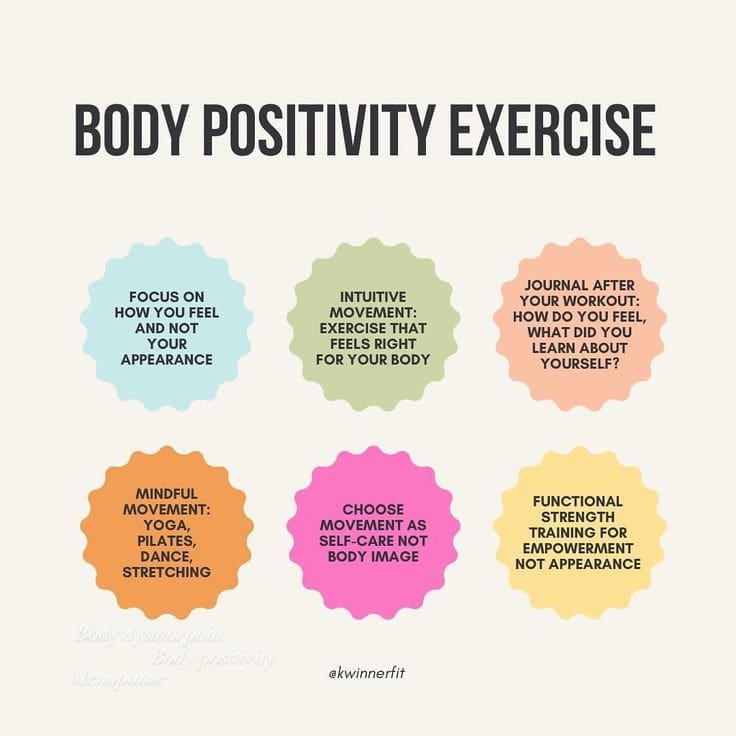
5 Body Awareness Practices to Deepen Your Mind-Body Connection Practicing body awareness is a powerful way to reconnect with yourself and cultivate physical, emotional, and mental balance. These body awareness practices help you live more intuitively, reduce stress, and improve your overall wellness. In this guide, we explore five effective techniques to deepen your mind-body connection. What Are Body Awareness Practices? Body awareness practices are exercises or routines that help you become more mindful of your body’s sensations, movement, and presence. They help improve your posture, emotional regulation, energy flow, and physical comfort. Whether you’re on the yoga mat or simply going about your day, tuning into your body can bring calm and clarity. Yoga, breathwork, and mindfulness are core components of body awareness — each one helping you access greater presence and self-understanding. 1. Practice Mindful Movement One of the most effective body awareness practices is mindful movement. This includes yoga, walking meditation, or tai chi. Instead of exercising mindlessly, you focus on how your body feels during movement. Yoga: Move intentionally, noticing muscle tension, breath, and body positioning. Walking meditation: Walk slowly while tuning into every footstep and the contact with the ground. These practices ground you in the moment and teach you to listen to your body’s signals more clearly. 2. Incorporate Breath Awareness Body awareness practices often begin with breath. Your breath reflects your internal state, and observing it can calm the nervous system and bring awareness to physical tension. Try this simple breath pattern: Inhale for 4 counts Hold for 2 counts Exhale slowly for 6 counts This type of conscious breathing relaxes the body and brings you into deeper connection with your physical and emotional self. Watch this short video for a guided breath awareness practice: 3. Try a Body Scan Meditation Body scans are foundational body awareness practices used in yoga and mindfulness-based stress reduction. In a body scan, you slowly bring awareness to each part of your body, noticing sensations without judgment. Lie down or sit comfortably. Focus your attention on your feet, then slowly move upward. Pause at each area, observing without changing anything. This builds your mind-body awareness and encourages emotional regulation by recognizing how emotions manifest physically. 4. Use Self-Massage and Tactile Feedback Touch and self-massage are often overlooked body awareness practices that can ground you quickly. Whether it’s gentle massage with your hands or using a foam roller, tactile feedback helps awaken physical sensations and release tension. Try these techniques: Massage your shoulders and neck after a long day. Roll your feet over a massage ball to awaken energy flow. This creates greater sensitivity to areas of tightness or fatigue — and offers natural stress relief. 5. Keep a Body Awareness Journal Writing down physical and emotional sensations is one of the most reflective body awareness practices. You begin to identify patterns — like how stress affects your posture, or how certain foods make you feel. Journaling prompts to try: Where in my body did I feel tension today? What physical sensations came with strong emotions? What movement or breath helped me feel centered? This journaling builds deeper awareness over time, allowing you to make lifestyle changes aligned with your well-being. Why Body Awareness Matters in Yoga Body awareness practices are the bridge between physical yoga and spiritual mindfulness. They help you move safely, avoid injury, and truly listen to your body — making yoga not just an exercise, but an experience of inner connection. Final Thoughts: Embrace the Journey of Awareness Whether you’re just beginning your yoga journey or looking to deepen your mindfulness practice, body awareness is essential. Start small. Choose one practice to explore this week. Over time, these body awareness practices will help you feel more grounded, centered, and alive in your own body. Related: The Surprising Benefits of Daily Stretching
5 Body Awareness Practices to Deepen Your Mind-Body Connection Read More »
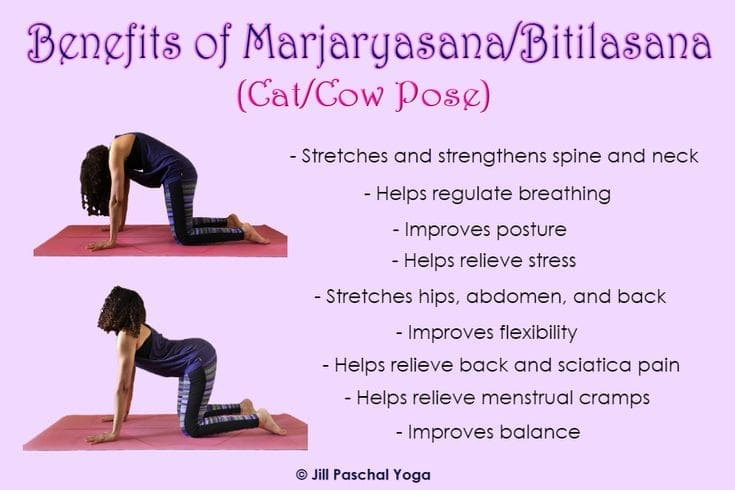
If you’re looking to feel more awake, focused, and energized in the morning, this routine is a perfect place to start. Practicing morning yoga poses is one of the simplest ways to wake up both your body and mind — even if you only have 10 minutes. Below are five easy morning yoga poses that are perfect for beginners. These stretches will help increase circulation, reduce stiffness, and give your day a calm, positive start. Pose 1: Mountain Pose (Tadasana) Why it’s great: This pose builds strong posture, balance, and mental focus. How to do it: – Stand tall with feet hip-width apart. – Ground through your feet and engage your thighs. – Roll your shoulders back and down, arms relaxed by your sides. – Take a few deep breaths here, lifting through the crown of your head. Optional gear: yoga mat Pose 2: Cat-Cow Stretch (Marjaryasana / Bitilasana) Why it’s great: Gently warms up the spine, stretches the back, and improves flexibility. How to do it: – Come to all fours: wrists under shoulders, knees under hips. – Inhale, arch your back, lift your head and tailbone (Cow). – Exhale, round your spine, tuck your chin (Cat). – Flow with your breath for 5–10 rounds. Optional: yoga knee pad or thick mat Pose 3: Pose 3: Downward Facing Dog – A Must-Have in Your Morning Yoga Poses Why it’s great: Boosts circulation, stretches the hamstrings and shoulders, and energizes the whole body. How to do it: – From all fours, tuck your toes and lift your hips up and back. – Keep your knees slightly bent if your hamstrings are tight. – Press your heels toward the floor, lengthen your spine, and breathe deeply. Tip: Add a yoga block under your hands if you need extra support. Pose 4: Low Lunge (Anjaneyasana) Why it’s great: Opens the hips, stretches the legs, and grounds your energy. How to do it: – Step your right foot forward between your hands. – Lower your left knee to the floor and lift your chest. – Reach your arms overhead and hold for 5 deep breaths. – Switch sides. Support your knee with a folded blanket or cushion if needed. Pose 5: Seated Forward Bend (Paschimottanasana) Why it’s great: Calms the nervous system, stretches the back and hamstrings, and encourages introspection. How to do it: – Sit with legs extended in front. – Inhale, lift your arms. Exhale, fold forward from the hips. – Let your hands rest on your legs or feet—no need to force it. – Stay here for 5–10 breaths, letting your spine relax. Optional: Use a yoga strap around your feet to help deepen the stretch gently. (add affiliate link) Final Thoughts These five beginner-friendly morningyoga child poseBeginner’s Yoga yoga poses can help you feel refreshed, relaxed, and ready to take on the day. You don’t need to be flexible or experienced — just consistent. Try doing these poses for a week and notice the shift in your energy and mindset. For more routines and wellness tips, explore our “Yoga for Beginners” section or visit our “Recommended Gear” page to find the tools that support your practice. Want more tips like this? Explore our Yoga for Beginners section or check out our Recommended Gear page for yoga essentials.
5 Morning Yoga Poses to Energize Your Day – Easy Routine for Beginners Read More »
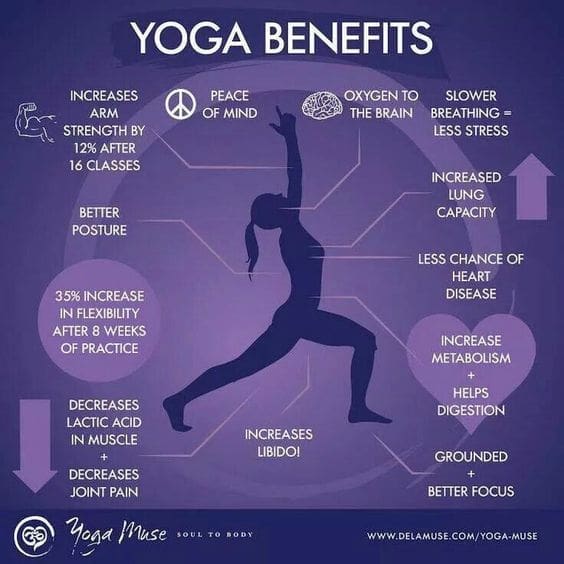
Learn about the amazing health benefits you can get by adding regular yoga practice to your lifestyle. Yoga goes beyond physical exercise; it offers a complete approach to wellness that can change your body, mind, and spirit. Introduction to Regular Yoga Practice Yoga began in India thousands of years ago as an ancient practice. It mixes physical poses, breathing methods, and meditation to boost overall well-being. When you practice yoga , it can affect your physical, mental, and emotional health. This article will show you the top 10 health benefits of making yoga part of your daily routine. Physical Health Benefits of Regular Yoga Practice Increased Flexibility and Better Balance: Yoga poses, or asanas, stretch and lengthen your muscles, which helps you become more flexible. As you practice different postures, you’ll also gain better balance and coordination. This can lower your chances of falling and getting hurt. Stronger and More Toned Body: Yoga includes many poses that challenge and work your muscles making them stronger and more defined. Whether you want to build strength in your upper body lower body, or core, yoga offers a variety of exercises to meet your goals. Better Heart Health: Yoga styles like vinyasa or power yoga can boost your heart rate and make your heart stronger. If you practice often, it can lower your blood pressure, cut down cholesterol, and lead to a healthier heart overall. Mental Health: Perks of Doing Yoga Often Better Focus and Concentration: Yoga makes you pay attention to your breath and stay in the moment. This helps you sharpen your focus and concentration, both during practice and in everyday life. People who have trouble staying focused or those dealing with cognitive issues can benefit from this. Less Stress and Worry: Yoga teaches you to breathe and quiet your mind. This can help you feel calmer and less anxious. As you learn to control your breathing and clear your thoughts, you’ll be better equipped to handle life’s ups and downs. Better Emotional Health: Yoga has an influence on emotional health in a good way. It can help lower signs of depression and boost your mood. Moving your body working on your breath, and meditating together can help control your emotions and make you feel calm inside. More Energy and Feeling Alive: Doing yoga can boost your energy and make you feel more alive. Moving your body breathing , and relaxing all work together to help you feel energized and refreshed all day long. Better Sleep: Yoga’s ability to lower stress and help you relax can also lead to better sleep. If you do gentle yoga, breathing exercises, and meditation before bed, you can set up a routine that helps you sleep more soundly and wake up feeling more rested. Boosted Immune System: Yoga has a connection to better immune function, which can help your body fight illness and infection more . The physical poses, along with the stress-lowering perks of the practice, can play a part in strengthening your immune system. Holistic Well-being: In the end, blending the physical, mental, and emotional gains through regular yoga can result in a deep feeling of overall wellness. By taking on the all-encompassing nature of yoga, you can find more balance and harmony in your life. Conclusion: Get the Health Perks of Doing Yoga Making yoga a part of your routine can open up a whole range of health perks, from better physical shape to improved mental and emotional health. Whether you’ve been doing yoga for years or you’re just starting out, I suggest you dive into the life-changing power of yoga and see how it can boost your overall health and make your life better.
Health Benefits of Regular Yoga Practice Read More »
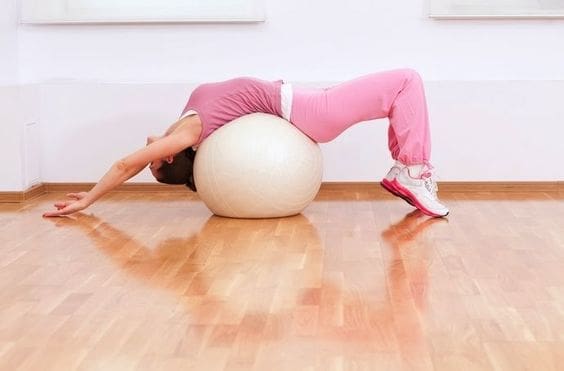
Discover the transformative power of the yoga ball and how it can revolutionize your daily life. This article delves into the myriad benefits of replacing your traditional office chair with this innovative seating option. By embracing the yoga ball chair, you can experience significant improvements in your posture, as it encourages proper spine alignment and engages your core muscles throughout the day. Moreover, the constant micro-movements required to maintain balance on the ball lead to increased muscle activation and strengthening of your core, back, and leg muscles. Beyond the physical advantages, using a yoga ball chair can also boost your productivity and mental well-being by promoting better circulation, reducing stress levels, and keeping you alert and focused. Whether you’re looking to optimize your fitness routine or create a healthier, more dynamic work environment, the yoga ball chair offers a versatile and effective solution for enhancing your overall wellness. Improved posture Strengthens core muscles Using a yoga ball chair can greatly improve your posture by strengthening your core muscles. The unstable surface of the ball chair engages your abdominal and back muscles, forcing them to work harder to maintain balance. As a result, your core muscles become stronger over time, which helps you maintain a more upright and aligned posture. Promotes proper spinal alignment One of the key benefits of using a yoga ball chair is its ability to promote proper spinal alignment. Sitting on a yoga ball encourages you to sit up straight, aligning your spine properly. This can help alleviate the stress and strain that is often placed on the spine when sitting for long periods on a traditional chair. By promoting proper spinal alignment, a yoga ball chair can help reduce the risk of developing posture-related issues such as rounded shoulders or a hunched back. Encourages better sitting habits Using a yoga ball chair encourages better sitting habits by promoting an active sitting position. The instability of the ball chair forces you to engage your core muscles and constantly adjust your position to maintain balance. This prevents you from slouching or sitting in one position for extended periods, which can be detrimental to your posture. By consistently reinforcing proper sitting habits, a yoga ball chair can help you develop a healthier and more mindful approach to sitting. Relieves back pain One of the most notable benefits of using a yoga ball chair is its ability to relieve back pain. The natural curve of the yoga ball chair promotes a neutral spine position, which helps alleviate pressure on the lower back. Additionally, sitting on a yoga ball chair engages the core muscles, which provide support to the spine and help reduce strain and discomfort. Regular use of a yoga ball chair can help strengthen the muscles in your back, reducing the likelihood of experiencing back pain. Enhanced core strength Engages multiple muscle groups Using a yoga ball chair engages multiple muscle groups simultaneously, making it an effective tool for enhancing core strength. The unstable surface of the ball chair requires constant activation of the core muscles to maintain balance. This engages not only the abdominals but also the muscles of the back, hips, and pelvic floor. The dynamic nature of sitting on a yoga ball chair ensures that these muscles are continuously working, leading to improved overall core strength. Tones abdominal muscles The constant engagement of the core muscles while sitting on a yoga ball chair helps tone the abdominal muscles. As you adjust your position to maintain balance, the deep core muscles, including the transverse abdominis and obliques, are activated. This regular activation and engagement of the abdominal muscles can lead to increased muscle tone and definition over time. Improves balance and stability Using a yoga ball chair can greatly improve your balance and stability. Sitting on an unstable surface requires you to constantly adjust your position to maintain balance. This challenges your balance and proprioception, the sense of where your body is in space. Over time, this leads to improved balance and stability as the body becomes more accustomed to the demands of maintaining balance on the yoga ball chair. Increases overall body strength Regular use of a yoga ball chair can lead to increased overall body strength. In addition to engaging the core muscles, sitting on a yoga ball chair also activates the muscles of the lower back, hips, and legs. These muscles are responsible for providing support and stability, especially when maintaining balance on the unstable surface of the ball chair. As these muscles become stronger over time, your overall body strength will increase Increased flexibility Stretches and lengthens muscles Using a yoga ball chair can help stretch and lengthen muscles throughout the body. Sitting on the ball chair promotes a more upright and aligned posture, which gently stretches and releases tension in the muscles of the neck, shoulders, and back. Additionally, the instability of the ball chair requires constant micro-adjustments of your position, which can help release tightness in the muscles and promote overall flexibility. Improves range of motion Regular use of a yoga ball chair can improve your range of motion in various joints throughout the body. The constant movement and adjustments required to maintain balance on the unstable surface of the ball chair help to loosen up the joints and increase their flexibility. This can be particularly beneficial for individuals who experience stiffness or limited range of motion in their joints. Reduces muscle tension and stiffness Sitting on a yoga ball chair can help reduce muscle tension and stiffness, particularly in the neck, shoulders, and back. The natural curve of the ball chair encourages proper alignment of the spine, which can help relieve tension and tightness in the muscles surrounding it. Additionally, the constant movement and adjustments required when sitting on the ball chair can help release built-up tension in the muscles, promoting relaxation and reducing stiffness. Promotes joint health The gentle and controlled movements required to maintain balance on a yoga ball chair can help promote joint health. The constant
Discover Yoga Ball Benefits Read More »
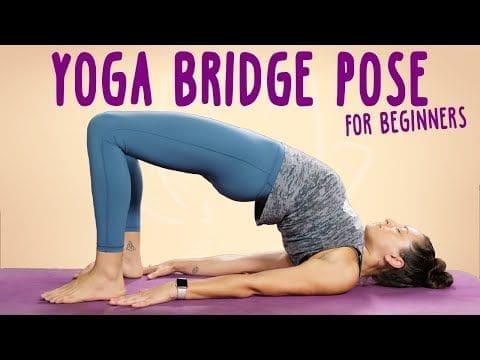
The Yoga Bridge Pose, also known as Setu Bandhasana, is a powerful and versatile posture that offers a wide array of benefits for practitioners of all levels. This article delves into the numerous advantages of incorporating the Yoga Bridge Pose into your regular practice. From strengthening the core muscles and improving spinal flexibility to alleviating back pain and promoting better posture, this pose is a valuable addition to any yoga routine. Moreover, the Yoga Bridge Pose has a profound impact on the nervous system, helping to calm the mind, reduce stress, and induce a state of deep relaxation. By regularly practicing this pose, individuals can experience a transformative effect on their physical, mental, and emotional well-being, ultimately leading to a greater sense of balance and harmony in their lives. Physical Benefits Increases spinal flexibility The Bridge Pose in yoga is a great way to increase spinal flexibility. As we lift our hips off the ground and arch our back, we are stretching and lengthening the entire spine. This movement helps to release tension and stiffness in the back, making it more flexible and mobile. Regular practice of the Bridge Pose can help alleviate back pain and improve overall spinal health. Strengthens the muscles of the back One of the key physical benefits of the Bridge Pose is its ability to strengthen the muscles of the back, including the lower back, upper back, and glutes. As we lift our hips off the ground, we engage these muscles to support the weight of our body. This helps to build strength and stability in the back, reducing the risk of injuries and improving overall posture. Improves posture Poor posture is a common problem that many people face due to the sedentary lifestyle and long hours spent sitting at a desk. The Bridge Pose can help improve posture by strengthening the muscles that support the spine and encouraging a more upright position. By regularly practicing this pose, we can develop better posture habits and alleviate discomfort associated with slouching. Opens up the chest and shoulders The Bridge Pose involves lifting the chest towards the ceiling, which helps to open up the chest and stretch the muscles in the shoulders. This is particularly beneficial for those who spend a lot of time sitting or hunched over a computer, as it counteracts the rounded shoulders and tight chest muscles that often result from these activities. By opening up the chest and shoulders, we can improve our breathing capacity and relieve tension in the upper body. Stretches the hips and thighs The Bridge Pose also provides a deep stretch for the hips and thighs. As we lift the hips and arch the back, we elongate the hip flexors and quadriceps, releasing any tightness or tension in these areas. This can be especially beneficial for individuals who sit for extended periods, as it helps to counteract the hip tightness that often occurs from prolonged sitting. Regular practice of the Bridge Pose can lead to increased flexibility in the hips and thighs, enhancing overall mobility. Enhances core strength The Bridge Pose is not only beneficial for the back and hips but also for the core muscles. As we lift our hips off the ground, we engage the abdominal muscles to maintain stability and control. This helps to strengthen the core and improve overall stability. A strong core is essential for maintaining good posture, preventing injuries, and supporting the spine during daily activities. Mental Benefits Relieves stress and anxiety In addition to its physical benefits, the Bridge Pose also offers numerous mental benefits. When we practice this pose, we engage in deep breathing and focus on our body and breath. This mindful attention helps to calm the mind and relieve stress and anxiety. By taking the time to relax and concentrate on our movements, we can experience a sense of peace and inner calm. Promotes relaxation The Bridge Pose is a deeply relaxing posture that encourages a state of deep relaxation. As we hold the pose, we allow ourselves to surrender to gravity and let go of any tension or stress in the body. This release of tension promotes relaxation and can help alleviate symptoms of fatigue and exhaustion. Practicing the Bridge Pose regularly can become a powerful tool for finding peace and tranquility in our busy lives. Improves concentration and focus The act of practicing the Bridge Pose requires concentration and focus, as we need to pay attention to our body alignment and breath. This focused attention can help sharpen our concentration skills and improve our ability to stay present in the moment. By training our minds to be fully engaged in the present moment, we can enhance our overall mental clarity and focus. Enhances mood and emotional well-being Regular practice of the Bridge Pose has been found to enhance mood and promote emotional well-being. The deep breathing and physical movement involved in this pose stimulate the release of endorphins, which are known as the “feel-good” hormones. As endorphins flood our system, we experience an uplifted mood and a heightened sense of well-being. This makes the Bridge Pose an excellent practice for boosting our overall mental and emotional health. Digestive Benefits Stimulates abdominal organs The Bridge Pose also offers a range of digestive benefits. As we lift our hips and arch the back, we gently massage and stimulate the abdominal organs, including the stomach, intestines, and liver. This gentle massage helps to improve digestion and stimulate the secretion of digestive enzymes. Regular practice of the Bridge Pose can aid in the overall functioning of the digestive system and promote a healthy gut. Boosts digestion and metabolism By stimulating the abdominal organs, the Bridge Pose helps to boost digestion and metabolism. The increased blood flow to the digestive organs promotes efficient nutrient absorption and waste elimination, ensuring proper digestion and a healthy metabolism. This can be particularly beneficial for individuals who suffer from digestive issues such as constipation or indigestion. Relieves constipation and indigestion The Bridge Pose can also
Yoga Bridge Pose (Setu Bandhasana) Read More »
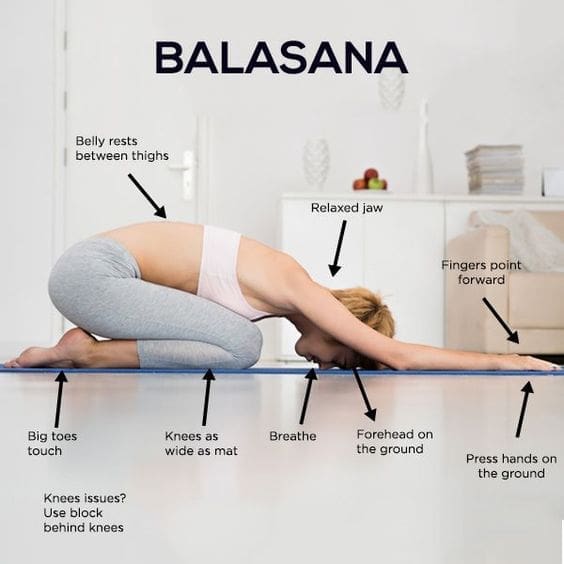
Child’s Pose, also known as Balasana in yoga, is a deeply relaxing and restorative posture that offers numerous benefits for both the mind and body. In this article, we will explore the incredible advantages of incorporating this simple yet powerful pose into your yoga practice. From relieving stress and anxiety to improving digestion and releasing tension in the back, the Benefits Of Yoga Child Pose are vast and encompass a wide range of positive effects that can enhance your overall well-being and inner peace. So, join us as we delve into the transformative potential of Child’s Pose and discover how this pose can contribute to your physical and mental health. Physical Benefits Improves flexibility One of the key physical benefits of the Yoga Child Pose is its ability to improve flexibility. As we stretch our arms forward and lower our torso to the ground, this pose gently stretches the muscles in our back, hips, and thighs. With regular practice, we can gradually increase our flexibility and range of motion, which can be particularly beneficial for individuals who lead a sedentary lifestyle or suffer from muscle stiffness. Strengthens the core The Yoga Child Pose is not only a great stretch, but it also helps to strengthen the core muscles. As we engage our abdominal muscles to support our spine while in this pose, our core muscles are given a gentle workout. Strengthening our core not only improves our posture but also contributes to overall stability and balance. Relieves tension in the back and shoulders Many of us carry tension and stress in our backs and shoulders, especially if we spend long hours sitting at a desk or engaging in repetitive tasks. The Yoga Child Pose provides a gentle and effective way to release tension in these areas. By folding our body forward and resting our forehead on the mat, we allow the muscles in the back and shoulders to relax and unwind, promoting a sense of relief and relaxation. Enhances digestion Regular practice of the Yoga Child Pose can have a positive impact on our digestive system. As we fold forward, the compression of the abdomen stimulates the digestive organs, promoting healthy digestion and elimination. This can be particularly beneficial for individuals who suffer from digestive issues such as bloating or constipation. Boosts circulation The Yoga Child Pose also helps to boost circulation throughout our body. As we fold forward and compress our abdomen, we stimulate blood flow to the digestive organs. Additionally, the stretching and relaxation of the muscles in the back and shoulders promote better blood circulation in these areas. Improved circulation allows for better oxygen and nutrient delivery to our cells, promoting overall health and vitality. Mental Benefits Calms the mind The Yoga Child Pose is known for its ability to calm the mind and create a sense of tranquility. As we fold forward and rest our forehead on the mat, we are encouraged to turn our attention inward and let go of external distractions. This practice of focusing inward helps to still our busy minds and brings a sense of peace and relaxation. Reduces stress and anxiety In today’s fast-paced world, stress and anxiety have become common experiences for many people. The Yoga Child Pose provides a valuable tool for relieving these burdens. By adopting this pose and consciously relaxing our body, we activate the body’s relaxation response, which helps to lower stress hormones and reduce anxiety. The deep breathing associated with this pose also helps to regulate our nervous system and promote a state of calmness. Improves focus and concentration Regular practice of the Yoga Child Pose can enhance our ability to focus and concentrate. By intentionally redirecting our attention inward and letting go of external distractions, we strengthen our ability to stay present and focused in the moment. This increased mental clarity can be beneficial for various aspects of our lives, such as work, study, and daily tasks. Promotes relaxation and better sleep The Yoga Child Pose is a wonderful practice for promoting relaxation and better sleep. By assuming this gentle and nurturing pose, we signal to our body and mind that it is time to enter a state of relaxation. This can be particularly helpful for those who struggle with sleep issues or hold tension in their bodies before bedtime. By incorporating the Yoga Child Pose into a bedtime routine, we can prepare our body and mind for a restful night’s sleep. Increases self-awareness The introspective nature of the Yoga Child Pose promotes self-awareness. As we fold forward and turn our attention inward, we become more attuned to our physical sensations, thoughts, and emotions. This increased self-awareness allows us to understand ourselves on a deeper level and make more conscious choices in our daily lives. By regularly practicing this pose, we cultivate a greater sense of self and develop a stronger connection with our inner world. Emotional Benefits Elevates mood The Yoga Child Pose has the ability to elevate our mood and bring forth a sense of joy and happiness. As we surrender to the nurturing nature of this pose, we create a safe space for ourselves where we can let go of negativity and embrace positive emotions. This practice can be particularly helpful during challenging times or when we need a boost of positivity. Reduces irritability and anger Through its gentle and calming nature, the Yoga Child Pose can help to reduce irritability and anger. By encouraging us to turn inward and find peace within ourselves, we are better able to manage our emotions and respond to challenging situations with a greater sense of ease and compassion. This can positively impact our relationships and overall well-being. Promotes a sense of peace and happiness The tranquility and safety of the Yoga Child Pose promote a sense of peace and happiness. By creating a nurturing environment for ourselves, we allow our minds and bodies to relax and find contentment. This practice can be a powerful tool in finding inner peace and cultivating
Yoga Child Pose (Balasana) Read More »