Types of Yoga

Kundalini

Unlocking Your Spiritual Side with 6 Kundalini Yoga Techniques

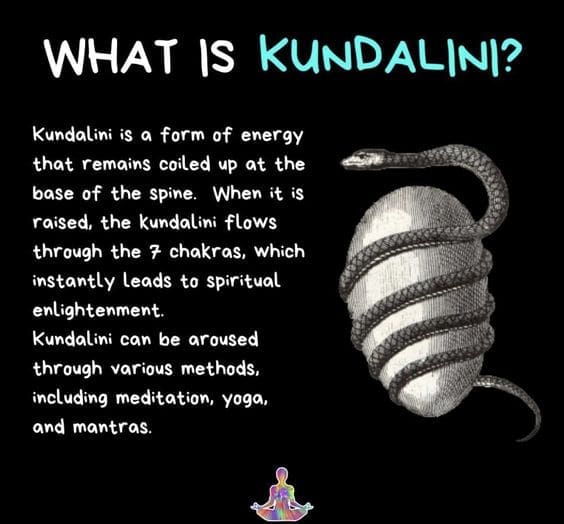
Discover the transformative power of Kundalini yoga as you embark on a journey to unlock your spiritual side. In this article, you will explore six techniques that will guide you towards a deeper understanding of yourself and the universe. Through breathwork, movement, and meditation, you will learn how to awaken the dormant energy within you, leading to a profound spiritual awakening. Get ready to embark on a transformative journey as you embrace the ancient wisdom of Kundalini yoga and tap into your true potential. Understanding Kundalini Yoga What is Kundalini Yoga? Kundalini Yoga is a powerful practice that combines physical postures, breathing techniques, meditation, chanting, and mantras to awaken the dormant spiritual energy within you. The word “kundalini” refers to the coiled energy at the base of your spine, and the aim of Kundalini Yoga is to uncoil that energy and allow it to rise up through the body, activating and aligning the seven energy centers, or chakras. The History of Kundalini Yoga Kundalini Yoga has a rich history that dates back thousands of years. It originated in ancient India and was kept secret and passed down orally from teacher to student. It was not until the late 1960s that Kundalini Yoga was brought to the West by Yogi Bhajan. Yogi Bhajan taught that Kundalini Yoga is a practice for householders – people living in the modern world – to awaken their true potential and create a sense of balance, clarity, and elevation in their everyday lives. Benefits of Kundalini Yoga Kundalini Yoga offers a wide range of benefits for your physical, mental, and emotional well-being. Regular practice can help increase your energy levels, reduce stress and anxiety, improve flexibility and strength, enhance concentration and focus, and promote deep relaxation and restful sleep. It can also boost your immune system, balance your hormones, and improve your overall vitality. Kundalini Yoga is known for its transformative power, helping you connect with your inner self and tap into your higher consciousness. Preparing for Kundalini Yoga Choosing a Kundalini Yoga Teacher When embarking on your Kundalini Yoga journey, it’s important to find a qualified and experienced teacher who resonates with your energy and teaching style preference. Look for a teacher who has completed teacher training specifically in Kundalini Yoga and who has a deep understanding of the practice. A good teacher will guide you safely, provide individualized support, and inspire you on your path. Finding a Suitable Practice Space Creating a conducive environment for Kundalini Yoga is essential to fully immerse yourself in the practice. Find a quiet and clean space in your home where you can practice without distractions. Ideally, the space should be well-ventilated, free of clutter, and have enough room for you to move around comfortably. Consider decorating your practice area with inspiring images, plants, or crystals to enhance the positive energy flow. Gathering the Necessary Equipment To practice Kundalini Yoga, you don’t need much equipment. The essentials include a comfortable yoga mat or rug to cushion your body during physical postures and a meditation cushion or blanket to support your seated meditation practice. It can also be helpful to have a bolster or yoga blocks for additional support, especially if you have physical limitations. Wear loose, breathable clothing that doesn’t restrict your movement, and have a water bottle nearby to stay hydrated throughout the practice. Kundalini Yoga Techniques Breathing Exercises (Pranayama) Breathing exercises, or pranayama, are an integral part of Kundalini Yoga. They help regulate your energy, calm the mind, and connect with your inner self. One common pranayama technique in Kundalini Yoga is the Breath of Fire, which involves rapid, rhythmic inhales and exhales through the nose. This technique ignites the fire within, clears the subconscious mind, and fuels the energy flow throughout the body. Physical Postures (Asanas) Physical postures, or asanas, in Kundalini Yoga are designed to strengthen the body and balance the energy centers. They typically involve dynamic movements, stretching, and holding poses in conjunction with specific breath patterns. Each asana targets different areas of the body and has specific benefits for physical and energetic alignment. Examples of Kundalini Yoga asanas include the Cobra Pose, the Archer Pose, and the Bow Pose. Chanting and Mantras Chanting and reciting mantras are powerful tools in Kundalini Yoga to create vibrational shifts and connect with the divine energy. Mantras are sacred sounds, words, or phrases that have been used for centuries to evoke specific qualities and states of consciousness. The most famous mantra in Kundalini Yoga is “Sat Nam,” which means “truth is my identity.” Regular chanting and mantra repetition can help awaken your inner truth, elevate your awareness, and bring clarity and focus to your mind. Meditation Meditation is a cornerstone of Kundalini Yoga, allowing you to quiet the mind, deepen your awareness, and experience a sense of unity with the universe. Kundalini meditations often involve the use of breath, visualization, mantra repetition, or focusing on specific energy centers or chakras. Through regular meditation practice, you can experience profound stillness, expanded consciousness, and a deeper connection to your higher self. Kriyas Kriyas are complete sequences of Kundalini Yoga exercises designed to target specific aspects of physical, mental, and energetic well-being. Each kriya is carefully curated to create a specific effect and may include a combination of asanas, pranayama, chanting, and mudras. Practicing kriyas helps cleanse and balance the body, strengthen the nervous system, and stimulate the flow of Kundalini energy. Using Mudras Mudras are hand gestures or positions used to channel and direct energy within the body. They are often incorporated into Kundalini Yoga practice to intensify the energetic effects of asanas, pranayama, or meditation. Each mudra has a different purpose and effect, such as promoting clarity, activating specific chakras, or balancing the elements within you. Some common mudras in Kundalini Yoga include Gyan Mudra (connecting with wisdom) and Shuni Mudra (bringing patience). Safely Initiating Kundalini Awakening Understanding the Risks and Possible Side Effects Kundalini awakening is a transformative process that can have profound effects on your

Unlocking Your Spiritual Side with 6 Kundalini Yoga Techniques Read More »
Vinyasa yoga

5 Reasons Vinyasa Yoga Boosts Your Mental Health

Are you looking for a way to enhance your mental well-being? Look no further than Vinyasa yoga. This invigorating practice combines breath control, flowing movements, and mindfulness to provide a multitude of benefits for your mental health. In this article, we will explore five compelling reasons why Vinyasa yoga is an effective tool to boost your mental well-being. So, get ready to embark on a journey of self-discovery and find out how Vinyasa yoga can positively impact your mind. Increased Mind-Body Connection Vinyasa yoga is a powerful practice that promotes an increased mind-body connection. It allows you to become more aware of your body’s movements, sensations, and limitations. Through mindful breathing and conscious movement, you develop a deeper understanding of how your mind and body interact. This heightened awareness leads to an increased sense of presence in the present moment. By focusing on the alignment of your body and the sensations you experience during your yoga practice, you cultivate a stronger connection between your mind and body. This connection allows you to be more in tune with yourself and better understand the signals your body is sending you. It helps you recognize areas of tension or discomfort and make adjustments to find a greater sense of ease and balance. Improved Awareness and Presence Engaging in Vinyasa yoga regularly can greatly enhance your overall awareness and presence. The practice of flowing through different yoga poses and coordinating them with your breath requires full attention and concentration. In this state of focused awareness, you become more present in the current moment, letting go of distractions and worries. As you move through each pose with intention and mindfulness, you develop a greater sense of self-awareness. You become more attuned to your physical sensations, thoughts, and emotions that arise during the practice. This increased awareness allows you to recognize patterns and habits that may be holding you back, both on and off the mat. With a heightened sense of presence, you can more easily navigate the ups and downs of life with clarity and grace. Enhanced Emotional Regulation One of the remarkable benefits of practicing Vinyasa yoga is its ability to enhance emotional regulation. The mindful movement and breathwork involved help release tension and promote emotional balance. When you engage in the practice, you create a safe space to acknowledge and process your emotions, allowing them to flow freely. During Vinyasa yoga, you may find yourself experiencing a wide range of emotions, from joy and gratitude to frustration or sadness. By accepting and acknowledging these emotions without judgment, you cultivate a greater capacity to regulate and manage them. The practice teaches you to meet challenging moments with compassion and self-acceptance, helping you develop emotional resilience and a deeper understanding of yourself. Reduced Stress and Anxiety Stress and anxiety have become prevalent in today’s fast-paced world, impacting both physical and mental well-being. Vinyasa yoga offers a powerful antidote to these common challenges, providing a much-needed respite from the pressures of daily life. Through the practice, you can experience profound relaxation and relief from stress and anxiety. The combination of deep diaphragmatic breathing, flowing movements, and mindfulness helps activate the body’s relaxation response. This response triggers the release of endorphins, our body’s natural feel-good chemicals, which promote a sense of calm and well-being. As you surrender into the present moment and let go of worries, the practice elicits a deep relaxation response, reducing the intensity of the fight-or-flight response often associated with stress and anxiety. Physical Activity and Endorphin Release Vinyasa yoga is not just a practice of the mind, but also a physically demanding exercise that has numerous benefits for your body. This dynamic style of yoga involves linking breath with movement, creating a flowing sequence of poses that build strength, stability, and flexibility. By engaging in regular physical activity through Vinyasa yoga, you can experience a variety of positive changes in your body and mind. Improved Mood and Energy Levels Physical activity, such as Vinyasa yoga, has been shown to improve mood and increase energy levels. The combination of movement, deep breathing, and mindfulness during the practice can lead to the release of endorphins, which are natural chemicals in the body responsible for boosting mood and energy. As you flow through the poses, you may find that any negative emotions or stressors you were carrying begin to dissipate. The physical exertion and the rhythmic breathing help release tension and promote a sense of vitality and well-being. The practice leaves you feeling invigorated and uplifted, ready to take on whatever challenges lie ahead. Reduced Symptoms of Depression Depression is a common mental health condition that affects millions of people around the world. Vinyasa yoga has been shown to be a powerful complement to traditional treatment approaches for depression. The practice can help alleviate symptoms of depression by increasing levels of serotonin, a neurotransmitter that plays a crucial role in regulating mood. Regular practice of Vinyasa yoga can provide a sense of structure and routine, which is beneficial for individuals struggling with depression. The flowing sequences of poses, combined with intentional breathwork, can provide a sense of purpose and accomplishment. Additionally, the practice promotes self-compassion and acceptance, allowing individuals to develop a positive relationship with themselves and their bodies. Enhanced Self-esteem Engaging in a regular Vinyasa yoga practice can have a profound impact on your self-esteem. As you progress in your practice, mastering more challenging poses, you develop a sense of accomplishment and self-confidence. Each time you step onto your mat, you have an opportunity to witness your growth and celebrate your achievements. Furthermore, Vinyasa yoga encourages a non-competitive mindset and promotes self-acceptance. It teaches you that yoga is not about how your poses look compared to others but about how they feel in your body. As you learn to honor and respect your body’s abilities and limitations, you cultivate a sense of self-worth and acceptance that transcends the physical practice. Promotion of Relaxation and Mindfulness In today’s fast-paced and stress-filled world, it is essential

5 Reasons Vinyasa Yoga Boosts Your Mental Health Read More »

Hatha Yoga Poses

7 Key Benefits of Practicing Hatha Yoga Daily

Increased range of motion When you incorporate Hatha yoga into your daily routine, you can experience a significant improvement in your flexibility. Regularly practicing yoga poses and stretches helps to lengthen and stretch your muscles, gradually increasing your range of motion. As you progress in your practice, you’ll find yourself able to move more freely and comfortably, whether it’s reaching for objects on high shelves or bending down to tie your shoes. Improved flexibility not only benefits your physical abilities but also enhances your overall quality of life. Improved joint health Hatha yoga is known for its gentle movements and focus on proper alignment, which can have a positive impact on your joint health. The various yoga poses work to lubricate the joints, reducing stiffness and increasing their mobility. This can be particularly beneficial for individuals with arthritis, as it helps to alleviate pain and maintain joint function. By practicing Hatha yoga daily, you can promote the health and longevity of your joints, allowing you to move with ease and comfort. Reduced muscle stiffness If you often find yourself feeling stiff and achy, incorporating Hatha yoga into your routine can provide relief. The slow and deliberate movements in Hatha yoga help to release tension in your muscles and promote relaxation. Regular practice can help to alleviate muscle stiffness, allowing you to move more freely and comfortably. Whether you spend long hours sitting at a desk or engage in physically demanding activities, practicing Hatha yoga daily can help to ease muscle stiffness and promote better overall mobility. Enhanced Strength Increased muscle tone By practicing Hatha yoga daily, you can enhance your muscular strength and tone. The various yoga poses require you to engage and hold different muscle groups, leading to an increase in muscle endurance and strength. As you progress in your practice, you’ll notice that your muscles become more defined and toned. This increased muscle tone not only improves your physical appearance but also enhances your stability and overall body strength. Improved muscle endurance Hatha yoga incorporates a series of poses that require you to hold positions for various lengths of time. By practicing these poses regularly, you can improve your muscle endurance. Holding a pose challenges your muscles, forcing them to work harder and adapt to the demands placed on them. Over time, you’ll find that you can hold poses for longer durations without feeling fatigued, which can benefit your overall physical performance and stamina. Better body posture Poor posture can lead to a wide range of musculoskeletal issues, including back pain and muscle imbalances. Practicing Hatha yoga can help to correct and improve your body posture. The emphasis on proper alignment in yoga poses helps to strengthen the muscles that support good posture, such as the core and back muscles. By regularly practicing Hatha yoga, you can train your body to maintain proper alignment, leading to improved posture and reduced risk of postural-related issues. Stress Reduction Lowered cortisol levels One of the key benefits of practicing Hatha yoga daily is its ability to reduce stress levels. When you engage in yoga, your body releases endorphins, which are natural stress-relieving hormones. In addition, regular yoga practice has been shown to lower cortisol levels, a hormone released in response to stress. By reducing cortisol levels, Hatha yoga helps to promote a sense of calm and relaxation, helping you better manage stress and its negative effects on your physical and mental well-being. Decreased anxiety and depression The practice of Hatha yoga involves deep breathing, relaxation techniques, and mindful movements, all of which have been shown to decrease anxiety and depression. The meditative aspect of yoga helps to calm the mind and promote a sense of inner peace, reducing symptoms of anxiety and depression. Through regular practice, you can experience a greater sense of emotional well-being and improved mental clarity. Improved emotional well-being Regularly practicing Hatha yoga can have a profound impact on your emotional well-being. The combination of physical movement, breathing exercises, and mindfulness helps to release emotional stress, promote relaxation, and increase self-awareness. By connecting with your body, breath, and mind, you can cultivate a greater sense of emotional balance and resilience. Hatha yoga provides a supportive space to explore and process your emotions, leading to improved emotional well-being and a more positive outlook on life. Boosted Energy Increased vitality If you often find yourself feeling tired and lacking energy, incorporating Hatha yoga into your daily routine can help. The gentle physical movements and focus on deep breathing in Hatha yoga help to increase energy levels and promote vitality. Regular practice stimulates the flow of energy throughout your body, leaving you feeling rejuvenated and energized. By dedicating time to Hatha yoga each day, you can recharge your body and mind, allowing you to tackle daily tasks with renewed energy and focus. Improved circulation Hatha yoga includes a wide range of movements that help to improve blood circulation throughout your body. From invigorating standing poses to gentle forward bends, these movements work to enhance the flow of blood, oxygen, and nutrients to your muscles and organs. Improved circulation not only boosts your energy levels but also promotes healthier skin, improves cognitive function, and helps with the overall efficiency of your body’s systems. By practicing Hatha yoga daily, you can enhance your circulation and experience the many benefits it brings. Enhanced breath control Central to the practice of Hatha yoga is the focus on breath control. Through deep breathing techniques, such as Ujjayi breath or alternate nostril breathing, you can learn to regulate your breath and bring awareness to your breath patterns. This conscious control of your breath helps to calm the mind, reduce stress, and increase oxygen intake. By regularly practicing breath control in Hatha yoga, you can improve your respiratory function, boost energy levels, and promote a greater sense of overall well-being. Better Balance and Coordination Improved stability Hatha yoga poses often require you to maintain balance, which can help to improve your stability and prevent falls. Balancing poses

7 Key Benefits of Practicing Hatha Yoga Daily Read More »

Strewss less

What Are Benefits Of Hot Yoga

In this article, we explore the numerous benefits of incorporating hot yoga into one’s fitness routine. From increased flexibility and strength to improved cardiovascular health and mental well-being, hot yoga offers a unique blend of physical and mental benefits. With the elevated temperatures in hot yoga studios, practitioners can experience enhanced detoxification and calorie burning, leading to potential weight loss and improved muscle tone. In addition, the meditative aspect of hot yoga helps reduce stress and anxiety, promoting a sense of inner calm and balance. Discover how hot yoga can revolutionize your mind and body, leaving you feeling rejuvenated and invigorated. Improved Flexibility Increased muscle elasticity Hot yoga is a highly effective practice for improving flexibility, as the high temperatures help to increase muscle elasticity. When our muscles are warm, they are more pliable and able to stretch further without the risk of injury. This increased muscle elasticity allows us to achieve deeper stretches and poses, thereby enhancing our overall range of motion. Improved range of motion By practicing hot yoga regularly, we can experience a significant improvement in our range of motion. The combination of the heat and the various stretching exercises helps to loosen our muscles and increase their flexibility. As a result, we can move our joints more freely and comfortably, allowing us to perform daily activities with greater ease and reducing the risk of muscle strains or joint injuries. Decreased risk of injury Hot yoga can also help to decrease the risk of injury by improving our flexibility. When our muscles are more flexible, they are less likely to become strained or torn during physical activities. Additionally, the heat in the hot yoga studio can help to warm up our muscles and increase blood flow, reducing the likelihood of muscle cramps or sprains. This decreased risk of injury is especially beneficial for athletes or individuals who engage in high-impact sports or activities. Enhanced Strength Increased muscle tone Practicing hot yoga can lead to increased muscle tone throughout our body. The heat and intensity of the practice provide a challenging and dynamic workout that engages and activates various muscle groups. As we hold different poses and flow through sequences, our muscles are continuously working and contracting, leading to improved muscle tone and sculpting. Enhanced muscular endurance Hot yoga is also an excellent form of exercise to enhance muscular endurance. The demanding nature of the practice requires us to maintain poses for longer periods, often in a heated environment. This prolonged engagement of our muscles helps to improve their endurance over time. As our muscles become more accustomed to the practice, we can stay in poses for extended periods, building strength and endurance in our muscles. Improved core strength A significant benefit of hot yoga is its ability to improve core strength. The practice involves a wide range of poses that target the muscles in our abdomen, back, and pelvic region. These poses, such as planks and boat pose, require us to engage our core muscles to maintain stability and balance. Regular practice of hot yoga can lead to a stronger core, which not only enhances our overall physical fitness but also improves our posture and helps to prevent back pain. Enhanced Cardiovascular Health Increased heart rate Hot yoga is a cardiovascular exercise that can help to increase our heart rate. The combination of the heat and the physical intensity of the practice elevates our heart rate, promoting a healthy cardiovascular workout. When our heart rate increases, it strengthens our heart muscle and improves its efficiency, leading to better overall cardiovascular health. Improved blood circulation The heat in a hot yoga class causes our blood vessels to dilate, which in turn improves blood circulation throughout our body. This increased blood flow delivers essential nutrients and oxygen to our muscles and organs, promoting their optimal function. Improved blood circulation also aids in the removal of waste products and toxins from our body, contributing to our overall health and well-being. Boosted cardiovascular endurance Regular practice of hot yoga can lead to a significant improvement in cardiovascular endurance. The combination of the duration, intensity, and heat of the practice challenges our cardiovascular system, forcing it to adapt and become more efficient. As we continue to practice, our lungs become stronger, and our body becomes better equipped to handle physical exertion, leading to increased cardiovascular endurance. Detoxification Increased sweating One of the key benefits of hot yoga is the increased sweating that occurs during the practice. The high temperatures in the hot yoga studio cause our body to sweat profusely, which helps to flush out toxins and impurities from our system. Sweating is a natural means of detoxification for our body and can contribute to improved overall health and well-being. Flushes out toxins The combination of the heat and the physical exertion in hot yoga helps to promote detoxification by flushing out toxins from our body. As we sweat, toxins and impurities are released through our skin, allowing our body to eliminate them. This cleansing process can leave us feeling refreshed, rejuvenated, and lighter, both physically and mentally. Improves skin health Hot yoga has been known to improve skin health. The heat and increased blood circulation during the practice promote the release of toxins through our sweat, which can improve the appearance of our skin. Regular hot yoga practice can help to clear our pores, reduce acne breakouts, and enhance our natural glow. Additionally, the improved blood circulation delivers essential nutrients to our skin, promoting its overall health and vitality. Weight Loss Burns calories Hot yoga is an excellent form of exercise for burning calories. The combination of the heat and the physical intensity of the practice stimulates our metabolism, causing our body to burn calories at an accelerated rate. A regular hot yoga practice can help to create a calorie deficit, which is essential for weight loss. Increases metabolism Practicing hot yoga regularly can also help to increase our metabolism. The heat in the studio raises our body temperature, which

What Are Benefits Of Hot Yoga Read More »

benefits of Yoga

Different Types of Yoga: Your Comprehensive Guide to Wellness and Balance

Different Types of Yoga: Your Comprehensive Guide to Wellness and Balance Explore the different types of yoga and embark on a journey of holistic wellness through this comprehensive guide. With its rich origins in ancient India, yoga provides a multifaceted approach to well-being, intertwining the physical, mental, and spiritual dimensions of life. Whether you’re a beginner or an experienced practitioner, discover the unique benefits each yoga type offers. Roll out your mat, inhale deeply, and let’s navigate through the varied and enriching world of yoga together 1. Hatha Yoga: Aligning Body and Breath At the foundation of all yoga styles, we find Hatha Yoga. This gentle practice focuses on aligning the body and breath, incorporating physical postures (asanas), breathing techniques (pranayama), and meditation. By embracing Hatha Yoga, individuals can enhance their flexibility, build strength, and experience an overall sense of well-being. 2. Vinyasa Yoga: Flowing with Breath and Movement Vinyasa Yoga is a dynamic and flowing style that synchronizes movement with breath. Through graceful transitions between poses, practitioners cultivate strength, endurance, and mindfulness. This yoga style not only improves physical fitness but also helps release mental and emotional tension, leading to increased focus and clarity. 3. Ashtanga Yoga: The Eight-Limbed Path to Discipline Ashtanga Yoga follows the eight-limbed path outlined by the sage Patanjali. This structured and rigorous practice involves a predetermined series of poses combined with synchronized breathing. By practicing Ashtanga Yoga, individuals can enhance physical strength, increase flexibility, and develop discipline and concentration. It offers a transformative journey that nurtures both the body and the mind. 4. Bikram Yoga: Heat-Induced Detoxification Bikram Yoga, also known as hot yoga, takes place in a heated room typically set to 105°F (40.6°C). The practice consists of a specific sequence of 26 postures and two breathing exercises. The heat intensifies the benefits, allowing for deeper stretching and detoxification through sweating. Bikram Yoga promotes cardiovascular health, improves circulation, and aids in weight management. 5. Kundalini Yoga: Awakening the Inner Energy Kundalini Yoga focuses on awakening the dormant spiritual energy within each individual. This practice incorporates physical postures, breathwork, chanting, and meditation to promote self-awareness and spiritual growth. Kundalini Yoga cultivates vitality, reduces stress, and enhances intuition, leading to a balanced and joyful life. 6. Restorative Yoga: Deep Relaxation and Healing Restorative Yoga is a gentle and nurturing practice that promotes deep relaxation and healing. With the support of props like bolsters, blankets, and blocks, practitioners are fully supported in each pose, allowing them to release tension and restore the body’s natural equilibrium. This style of yoga is particularly beneficial for reducing stress, improving sleep quality, and enhancing overall well-being. 7. Yin Yoga: Embracing Stillness and Surrender Yin Yoga is a slow-paced and meditative practice that targets the connective tissues, such as ligaments, tendons, and fascia. Poses are held for an extended period, typically ranging from one to five minutes, allowing for deep stretching and releasing physical and emotional blockages. Yin Yoga cultivates mindfulness, improves flexibility, and stimulates the flow of vital energy throughout the body. Types of Yoga: A Path to Wellness Practicing different types of yoga offers a multitude of benefits for your overall well-being: 1. Physical Well-being: Regular practice of yoga enhances strength, flexibility, and posture. It improves cardiovascular health, aids in weight management, and reduces the risk of chronic diseases. 2. Mental and Emotional Health: Yoga reduces stress, anxiety, and depression. It enhances focus, concentration, and mental clarity, leading to a balanced state of mind. 3. Spiritual Growth: Yoga provides a pathway to self-discovery and spiritual awakening. Through meditation and mindfulness, practitioners develop a deeper connection with their inner selves and the world around them. 4. Increased Energy and Vitality: Yoga stimulates the flow of vital energy (prana) in the body, leaving individuals feeling rejuvenated, energized, and ready to tackle life’s challenges. 5. Improved Sleep Quality: Regular practice of yoga promotes relaxation and reduces insomnia, resulting in improved sleep quality and overall well-restedness. 6. Enhanced Immune Function: Yoga supports the body’s immune system, helping to prevent illness and promote overall well-being. 7. Increased Self-Awareness: Yoga cultivates self-awareness and self-acceptance, allowing individuals to develop a positive relationship with themselves and others. Conclusion: Incorporating different types of yoga into your life can be a transformative journey towards improved physical, mental, and spiritual well-being. Whether you’re seeking strength, flexibility, relaxation, or self-discovery, the diverse world of yoga has something to offer. So, roll out your mat, breathe deeply, and let the magic of yoga guide you towards a path of wellness and self-transformation. [hfe_template id=’4070′]Hatha Yoga

Different Types of Yoga: Your Comprehensive Guide to Wellness and Balance Read More »

embrace

Discover the Transformative Benefits of Ashtanga Yoga for Mind, Body, and Soul

Benefits of Ashtanga Yoga for Mind, Body, and Soul Welcome to the world of Ashtanga Yoga, a transformative practice that goes beyond physical exercise to nourish your mind, body, and soul. Whether you are a seasoned yogi or a beginner on your wellness journey, Ashtanga Yoga offers a unique experience that will leave you feeling rejuvenated and balanced. This ancient form of yoga combines breath control, meditation, and a series of dynamic postures to create a holistic approach to well-being. Ashtanga Yoga not only strengthens and tones your muscles but also cultivates mental clarity, emotional stability, and spiritual growth. In this article, we will delve into the incredible benefits that Ashtanga Yoga brings to your life, from improved flexibility and endurance to reduced stress and enhanced self-awareness. Get ready to embark on a transformative journey that will empower you to live your best life, one breath at a time. The Philosophy behind Ashtanga Yoga Ashtanga Yoga is rooted in the philosophy of Patanjali’s Yoga Sutras, which outline the eight limbs of yoga. These limbs serve as a guide for living a meaningful and purposeful life, both on and off the mat. The first two limbs, the Yamas and Niyamas, provide ethical guidelines for personal conduct, while the third limb, Asana, refers to the physical postures practiced in yoga. Ashtanga Yoga emphasizes the fourth limb, Pranayama, which focuses on breath control. By synchronizing breath with movement, Ashtanga Yoga creates a moving meditation that calms the mind and brings a sense of presence to the practice. The remaining limbs, Pratyahara, Dharana, Dhyana, and Samadhi, explore deeper states of meditation and spiritual enlightenment. Physical Benefits of Ashtanga Yoga Ashtanga Yoga is a physically demanding practice that builds strength, flexibility, and endurance. The series of postures, known as the Primary Series, are designed to systematically work every muscle in the body, from the core to the limbs. As you move through the sequence, you will develop long, lean muscles and improve your overall body awareness. Regular practice of Ashtanga Yoga can also increase your cardiovascular fitness, as the dynamic flow of the practice raises your heart rate and stimulates circulation. Additionally, the postures in Ashtanga Yoga help to improve balance, coordination, and posture, resulting in a more aligned and graceful physical presence. Mental Benefits of Ashtanga Yoga Beyond the physical benefits, Ashtanga Yoga has profound effects on the mind and mental well-being. The practice requires focused concentration and presence, which helps to quiet the mind and alleviate stress and anxiety. Through the combination of breath control and movement, Ashtanga Yoga becomes a moving meditation, allowing you to release mental chatter and enter a state of deep relaxation. The rhythmic breathing patterns in Ashtanga Yoga also stimulate the parasympathetic nervous system, promoting a sense of calm and reducing the effects of chronic stress on the body. Regular practice of Ashtanga Yoga can lead to increased mental clarity, improved concentration, and a greater sense of overall mental well-being. Spiritual Benefits of Ashtanga Yoga Ashtanga Yoga is deeply rooted in spirituality and offers a path for self-discovery and spiritual growth. The practice encourages self-reflection and self-inquiry, allowing you to explore your inner landscape and cultivate a deeper connection with yourself. Through the physical postures and breath control, you can tap into your inner strength and resilience, unlocking the potential for personal transformation. Ashtanga Yoga also provides a space for surrender and letting go, allowing you to release attachments and cultivate a sense of detachment from the external world. This sense of detachment opens the door to experiencing a greater connection to something beyond the self, whether it be a higher power, nature, or the universe. Ashtanga Yoga Poses and Sequences The Ashtanga Yoga practice consists of a specific sequence of postures that are performed in a flowing, dynamic manner. The Primary Series, also known as Yoga Chikitsa, translates to “yoga therapy” and is designed to purify the body and prepare it for deeper spiritual practices. The series begins with Sun Salutations, followed by a standing sequence, seated postures, and a closing sequence. Each posture is linked with breath, creating a seamless flow and allowing for a moving meditation. As you progress in your practice, you can move on to the Intermediate and Advanced Series, which add more challenging postures and variations to further deepen your practice. It is important to approach the Ashtanga Yoga practice with patience and respect for your body’s limitations, as the sequences can be physically demanding. The Importance of Breath Control in Ashtanga Yoga Breath control, or Pranayama, is an integral part of the Ashtanga Yoga practice. The breath serves as a bridge between the body and the mind, connecting the physical and the spiritual aspects of the practice. In Ashtanga Yoga, the breath is synchronized with movement, creating a steady and rhythmic flow. The Ujjayi breath, also known as the “victorious breath,” is used throughout the practice to cultivate heat and create a sense of internal focus. By practicing conscious breath control, you can enhance your physical performance, calm the mind, and deepen your connection to the present moment. The breath acts as an anchor, allowing you to stay grounded and centered as you navigate through the challenges and intensity of the practice. How to Incorporate Ashtanga Yoga into Your Daily Routine Incorporating Ashtanga Yoga into your daily routine can be a transformative way to prioritize self-care and enhance your overall well-being. Start by setting aside dedicated time each day for your practice, whether it’s in the morning or evening. Create a quiet and peaceful space where you can roll out your mat and focus on your breath and movement. If you’re new to Ashtanga Yoga, begin with shorter practice sessions and gradually increase the duration as you build strength and stamina. Consistency is key, so aim to practice regularly, even if it’s just for a few minutes each day. As you progress in your practice, you can also explore attending led classes or workshops to deepen your understanding and receive

Discover the Transformative Benefits of Ashtanga Yoga for Mind, Body, and Soul Read More »

kindness is loaning

Hatha Yoga: A Beginner’s Guide to Finding Balance and Inner Peace

Hatha Yoga: A Beginner’s Guide to Finding Balance and Inner Peace Welcome to the world of Hatha Yoga, a practice that goes beyond the physical aspects of exercise and delves into the realm of finding balance and inner peace. Whether you’re a complete beginner or someone looking to deepen their understanding of yoga, this guide will take you on a journey of self-discovery and transformation. Hatha Yoga, with its gentle and slow-paced movements, is the perfect introduction to the world of yoga. It focuses on harmonizing the mind, body, and spirit through a combination of asanas (postures), pranayama (breathing techniques), and meditation. By practicing Hatha Yoga, you will not only improve your strength, flexibility, and overall physical well-being, but you will also learn to quiet the mind, reduce stress, and cultivate a sense of inner calmness. So, grab your mat, find a quiet space, and let’s embark on this transformative journey together. Get ready to unlock the power within and discover a whole new level of balance and serenity through the practice of Hatha Yoga. What is Hatha Yoga? Hatha Yoga is a traditional form of yoga that originated in ancient India. The word “Hatha” is derived from the Sanskrit words “ha” meaning sun and “tha” meaning moon, representing the balance between opposing forces. Hatha Yoga aims to find balance and harmony between the physical body and the mind through a series of asanas (postures), pranayama (breathing techniques), and meditation. In the practice of Hatha Yoga, the emphasis is on slow and controlled movements, allowing practitioners to connect with their breath and cultivate mindfulness. Unlike other forms of yoga that may focus on fast-paced movements or intense workouts, Hatha Yoga offers a more gentle and accessible approach, making it suitable for all levels of fitness and flexibility. The Origins and Philosophy of Hatha Yoga Hatha Yoga has its roots in ancient Indian philosophy and is believed to have been developed by the sage Matsyendranath, who was a disciple of Lord Shiva. The practice was later refined and popularized by Swami Svatmarama in the 15th century with the publication of the Hatha Yoga Pradipika, a classical text that serves as a guide to Hatha Yoga.   The philosophy of Hatha Yoga is based on the concept of balancing the opposing energies within the body, known as the “ha” and “tha” energies. These energies are represented by the sun and moon, masculine and feminine, and active and passive forces. By harmonizing these energies, practitioners can achieve a state of equilibrium and inner peace. Hatha Yoga also incorporates the principles of mindfulness, self-discipline, and self-awareness. It encourages practitioners to be present in the moment, to observe their thoughts and emotions without judgment, and to cultivate a sense of compassion and acceptance towards themselves and others. Benefits of Practicing Hatha Yoga The practice of Hatha Yoga offers numerous benefits for both the body and mind. From physical strength and flexibility to mental clarity and emotional well-being, the benefits of Hatha Yoga are truly transformative. On a physical level, practicing Hatha Yoga helps to improve strength, flexibility, and posture. The various asanas (postures) in Hatha Yoga work to stretch and strengthen different muscle groups, promoting better alignment and balance in the body. Regular practice can also help to increase blood circulation, improve digestion, and boost the immune system. In addition to its physical benefits, Hatha Yoga is also known for its ability to calm the mind and reduce stress. The combination of slow movements, deep breathing, and meditation helps to activate the parasympathetic nervous system, which is responsible for the body’s relaxation response. This can lead to a reduction in anxiety, improved sleep quality, and an overall sense of well-being. Furthermore, practicing Hatha Yoga can also have a positive impact on mental and emotional health. It can help to increase self-awareness, enhance concentration and focus, and cultivate a sense of inner peace and contentment. By learning to observe and detach from negative thoughts and emotions, practitioners can develop a more positive outlook on life and build resilience in the face of challenges. Getting Started with Hatha Yoga – Essential Equipment and Clothing To get started with Hatha Yoga, you don’t need much equipment or fancy clothing. The most important thing is to have a comfortable and non-slip yoga mat that provides enough cushioning and support for your practice. This will help to prevent any discomfort or injuries while performing the asanas. As for clothing, choose something that allows for a full range of motion and is breathable. Opt for loose-fitting or stretchy clothes that won’t restrict your movements. Avoid wearing anything too tight or constricting, as this can hinder your ability to fully relax into the poses. It’s also a good idea to have a small towel nearby to wipe away any sweat and a water bottle to stay hydrated throughout your practice. Remember, Hatha Yoga is a gentle and slow-paced practice, so there’s no need to push yourself too hard or overexert. Listen to your body and honor its limitations. Basic Hatha Yoga Poses for Beginners Now that you have your mat and comfortable clothing, let’s dive into some basic Hatha Yoga poses that are perfect for beginners. These poses will help you build strength, improve flexibility, and cultivate body awareness. Remember to warm up before starting your practice and to move at your own pace, taking breaks whenever you need to. 1. Mountain Pose (Tadasana): Stand tall with your feet hip-width apart, toes pointing forward. Engage your core, relax your shoulders, and lengthen the spine. Feel grounded and rooted through your feet, imagining them as the foundation of a mountain. Take slow, deep breaths in this pose, focusing on your alignment and the sensation of stability. 2. Downward-Facing Dog (Adho Mukha Svanasana): Start on all fours with your hands shoulder-width apart and your knees hip-width apart. Press into your hands and lift your hips up towards the ceiling, forming an inverted V shape with your body. Keep your knees slightly bent if

Hatha Yoga: A Beginner’s Guide to Finding Balance and Inner Peace Read More »

The Science of Bikram Yoga

The Science of Bikram Yoga

The Science Behind Bikram Yoga The science of Bikram yoga examines how practising yoga in a heated environment affects flexibility, circulation, and the body’s response to physical and mental stress. By combining heat, structured movement, and controlled breathing, Bikram yoga creates measurable physiological changes that influence both the mind and body. Understanding the Science Behind Bikram Yoga Bikram Yoga is not just a trendy fitness fad; it is grounded in scientific principles that explain the numerous benefits it offers. At its core, Bikram Yoga creates a unique environment for the body to thrive in. The combination of heat, specific postures, and controlled breathing triggers a series of physiological responses that result in a range of positive changes within the mind and body. One key aspect of Bikram Yoga is the heat, which raises the body’s core temperature and increases blood flow to the muscles, joints, and organs. This enhanced circulation helps deliver oxygen and nutrients to the cells more efficiently, promoting healing and rejuvenation. Additionally, the postures in Bikram Yoga are carefully designed to target various muscle groups, promoting strength, flexibility, and balance. Each posture works in synergy with the others to create a comprehensive full-body workout. The repetitive nature of the practice allows for muscle memory development, enabling practitioners to progress and deepen their practice over time. This combination of heat, postures, and controlled breathing creates a unique environment that optimizes the body’s physical capabilities and taps into its natural healing mechanisms. Understanding the science of Bikram yoga helps explain why heat and repetition play such an important role in improving mobility, focus, and endurance. The Physical Benefits of Bikram Yoga Bikram Yoga offers a multitude of physical benefits that extend far beyond the typical benefits of regular exercise. The heat in the studio helps to increase the heart rate, providing a cardiovascular workout that can improve cardiovascular health and endurance. The postures, on the other hand, target specific muscle groups, helping to build strength, flexibility, and balance. Regular practice of Bikram Yoga can lead to improved muscle tone, increased flexibility, and enhanced posture. Another physical benefit of Bikram Yoga is its ability to promote detoxification. The combination of heat and sweating helps to flush out toxins from the body, cleansing the skin and promoting a healthy complexion. The increased blood circulation also aids in the removal of waste products from the muscles and organs, promoting detoxification at a cellular level. This detoxification process can lead to improved digestion, increased energy levels, and overall improved well-being. The Mental and Emotional Benefits of Bikram Yoga Bikram Yoga is not just about the physical aspects; it also has profound effects on the mind and emotions. The intense heat and challenging postures create a unique environment that requires focus and concentration. This mindful awareness helps to quiet the mind and promote mental clarity and stability. As practitioners navigate through the series of postures, they learn to cultivate a sense of presence and mindfulness, which can carry over into their daily lives. In addition to mental clarity, Bikram Yoga also has a profound impact on stress reduction. The combination of heat, physical exertion, and controlled breathing activates the body’s relaxation response, reducing stress hormones and promoting a sense of calm and relaxation. Regular practice of Bikram Yoga can help reduce anxiety, improve mood, and enhance overall emotional well-being. The Impact of Bikram Yoga on the Nervous System The practice of Bikram Yoga has a direct impact on the autonomic nervous system, which controls involuntary bodily functions such as heart rate, digestion, and respiration. The heat in the studio helps to stimulate the sympathetic nervous system, which is responsible for the body’s fight-or-flight response. This activation leads to increased alertness, improved focus, and heightened mental clarity. On the other hand, the controlled breathing exercises in Bikram Yoga activate the parasympathetic nervous system, which is responsible for the body’s rest-and-digest response. This activation promotes relaxation, reduces stress, and helps the body recover and rejuvenate. The balance between the sympathetic and parasympathetic nervous systems achieved through Bikram Yoga helps to restore harmony in the body and mind. How Bikram Yoga Promotes Detoxification and Weight Loss One of the unique aspects of Bikram Yoga is its ability to promote detoxification and weight loss. The combination of heat and sweating helps to eliminate toxins from the body, cleansing the system and improving overall health. The increased blood circulation also aids in the removal of waste products and excess fat cells, promoting weight loss. The Role of Heat in Bikram Yoga The heat in Bikram Yoga is a fundamental element that sets it apart from other forms of yoga. The high temperature in the studio serves several purposes. Firstly, it helps to warm up the body, making it more pliable and reducing the risk of injury. The heat also promotes increased blood flow, which aids in delivering oxygen and nutrients to the muscles, joints, and organs. This increased circulation helps to enhance performance and accelerate the body’s natural healing processes. Moreover, the heat in Bikram Yoga helps to induce sweating, which plays a crucial role in detoxification. Sweating is the body’s natural way of cooling down, and during a Bikram Yoga session, practitioners can expect to sweat profusely. This sweating helps to eliminate toxins from the body, purifying the system and promoting overall health and well-being. Precautions and Safety Tips for Practicing Bikram Yoga While Bikram Yoga offers numerous benefits, it is important to approach the practice with caution and prioritize safety. Due to the high temperature and intensity of the practice, it is essential to stay hydrated throughout the session. Practitioners should drink plenty of water before, during, and after their practice to prevent dehydration. It is also advisable to listen to the body and take breaks as needed, especially if feeling lightheaded or dizzy. Additionally, individuals with certain medical conditions or injuries should consult with their healthcare provider before starting Bikram Yoga. The intense heat and physical exertion may not be suitable for everyone, and modifications

The Science of Bikram Yoga Read More »