
Kundalini Yoga

Thoughts

Unlocking Your Spiritual Side with 6 Kundalini Yoga Techniques

Understanding Kundalini Yoga Discover the transformative power of Kundalini yoga as you embark on a journey to unlock your spiritual side. In this article, you will explore six techniques that will guide you towards a deeper understanding of yourself and the universe. Through breathwork, movement, and meditation, you will learn how to awaken the dormant energy within you, leading to a profound spiritual awakening. Get ready to embark on a transformative journey as you embrace the ancient wisdom of Kundalini yoga and tap into your true potential. What is Kundalini Yoga? Kundalini Yoga is a powerful practice that combines physical postures, breathing techniques, meditation, chanting, and mantras to awaken the dormant spiritual energy within you. The word “kundalini” refers to the coiled energy at the base of your spine, and the aim of Kundalini Yoga is to uncoil that energy and allow it to rise up through the body, activating and aligning the seven energy centers, or chakras. The History of Kundalini Yoga Kundalini Yoga has a rich history that dates back thousands of years. It originated in ancient India and was kept secret and passed down orally from teacher to student. It was not until the late 1960s that Kundalini Yoga was brought to the West by Yogi Bhajan. Yogi Bhajan taught that Kundalini Yoga is a practice for householders – people living in the modern world – to awaken their true potential and create a sense of balance, clarity, and elevation in their everyday lives. Benefits of Kundalini Yoga Kundalini Yoga offers a wide range of benefits for your physical, mental, and emotional well-being. Regular practice can help increase your energy levels, reduce stress and anxiety, improve flexibility and strength, enhance concentration and focus, and promote deep relaxation and restful sleep. It can also boost your immune system, balance your hormones, and improve your overall vitality. Kundalini Yoga is known for its transformative power, helping you connect with your inner self and tap into your higher consciousness. Preparing for Kundalini Yoga Choosing a Kundalini Yoga Teacher When embarking on your Kundalini Yoga journey, it’s important to find a qualified and experienced teacher who resonates with your energy and teaching style preference. Look for a teacher who has completed teacher training specifically in Kundalini Yoga and who has a deep understanding of the practice. A good teacher will guide you safely, provide individualized support, and inspire you on your path. Finding a Suitable Practice Space Creating a conducive environment for Kundalini Yoga is essential to fully immerse yourself in the practice. Find a quiet and clean space in your home where you can practice without distractions. Ideally, the space should be well-ventilated, free of clutter, and have enough room for you to move around comfortably. Consider decorating your practice area with inspiring images, plants, or crystals to enhance the positive energy flow. Gathering the Necessary Equipment To practice Kundalini Yoga, you don’t need much equipment. The essentials include a comfortable yoga mat or rug to cushion your body during physical postures and a meditation cushion or blanket to support your seated meditation practice. It can also be helpful to have a bolster or yoga blocks for additional support, especially if you have physical limitations. Wear loose, breathable clothing that doesn’t restrict your movement, and have a water bottle nearby to stay hydrated throughout the practice. Kundalini Yoga Techniques Breathing Exercises (Pranayama) Breathing exercises, or pranayama, are an integral part of Kundalini Yoga. They help regulate your energy, calm the mind, and connect with your inner self. One common pranayama technique in Kundalini Yoga is the Breath of Fire, which involves rapid, rhythmic inhales and exhales through the nose. This technique ignites the fire within, clears the subconscious mind, and fuels the energy flow throughout the body. Physical Postures (Asanas) Physical postures, or asanas, in Kundalini Yoga are designed to strengthen the body and balance the energy centers. They typically involve dynamic movements, stretching, and holding poses in conjunction with specific breath patterns. Each asana targets different areas of the body and has specific benefits for physical and energetic alignment. Examples of Kundalini Yoga asanas include the Cobra Pose, the Archer Pose, and the Bow Pose. Chanting and Mantras Chanting and reciting mantras are powerful tools in Kundalini Yoga to create vibrational shifts and connect with the divine energy. Mantras are sacred sounds, words, or phrases that have been used for centuries to evoke specific qualities and states of consciousness. The most famous mantra in Kundalini Yoga is “Sat Nam,” which means “truth is my identity.” Regular chanting and mantra repetition can help awaken your inner truth, elevate your awareness, and bring clarity and focus to your mind. Meditation Meditation is a cornerstone of Kundalini Yoga, allowing you to quiet the mind, deepen your awareness, and experience a sense of unity with the universe. Kundalini meditations often involve the use of breath, visualization, mantra repetition, or focusing on specific energy centers or chakras. Through regular meditation practice, you can experience profound stillness, expanded consciousness, and a deeper connection to your higher self. Kriyas Kriyas are complete sequences of Kundalini Yoga exercises designed to target specific aspects of physical, mental, and energetic well-being. Each kriya is carefully curated to create a specific effect and may include a combination of asanas, pranayama, chanting, and mudras. Practicing kriyas helps cleanse and balance the body, strengthen the nervous system, and stimulate the flow of Kundalini energy. Using Mudras Mudras are hand gestures or positions used to channel and direct energy within the body. They are often incorporated into Kundalini Yoga practice to intensify the energetic effects of asanas, pranayama, or meditation. Each mudra has a different purpose and effect, such as promoting clarity, activating specific chakras, or balancing the elements within you. Some common mudras in Kundalini Yoga include Gyan Mudra (connecting with wisdom) and Shuni Mudra (bringing patience). Safely Initiating Kundalini Awakening Understanding the Risks and Possible Side Effects Kundalini awakening is a transformative process that can have profound effects on your

Unlocking Your Spiritual Side with 6 Kundalini Yoga Techniques Read More »
Kundalini

Unlocking Your Spiritual Side with 6 Kundalini Yoga Techniques

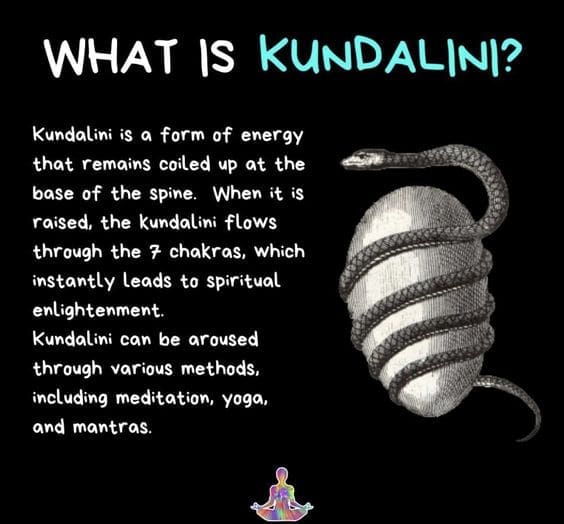
Discover the transformative power of Kundalini yoga as you embark on a journey to unlock your spiritual side. In this article, you will explore six techniques that will guide you towards a deeper understanding of yourself and the universe. Through breathwork, movement, and meditation, you will learn how to awaken the dormant energy within you, leading to a profound spiritual awakening. Get ready to embark on a transformative journey as you embrace the ancient wisdom of Kundalini yoga and tap into your true potential. Understanding Kundalini Yoga What is Kundalini Yoga? Kundalini Yoga is a powerful practice that combines physical postures, breathing techniques, meditation, chanting, and mantras to awaken the dormant spiritual energy within you. The word “kundalini” refers to the coiled energy at the base of your spine, and the aim of Kundalini Yoga is to uncoil that energy and allow it to rise up through the body, activating and aligning the seven energy centers, or chakras. The History of Kundalini Yoga Kundalini Yoga has a rich history that dates back thousands of years. It originated in ancient India and was kept secret and passed down orally from teacher to student. It was not until the late 1960s that Kundalini Yoga was brought to the West by Yogi Bhajan. Yogi Bhajan taught that Kundalini Yoga is a practice for householders – people living in the modern world – to awaken their true potential and create a sense of balance, clarity, and elevation in their everyday lives. Benefits of Kundalini Yoga Kundalini Yoga offers a wide range of benefits for your physical, mental, and emotional well-being. Regular practice can help increase your energy levels, reduce stress and anxiety, improve flexibility and strength, enhance concentration and focus, and promote deep relaxation and restful sleep. It can also boost your immune system, balance your hormones, and improve your overall vitality. Kundalini Yoga is known for its transformative power, helping you connect with your inner self and tap into your higher consciousness. Preparing for Kundalini Yoga Choosing a Kundalini Yoga Teacher When embarking on your Kundalini Yoga journey, it’s important to find a qualified and experienced teacher who resonates with your energy and teaching style preference. Look for a teacher who has completed teacher training specifically in Kundalini Yoga and who has a deep understanding of the practice. A good teacher will guide you safely, provide individualized support, and inspire you on your path. Finding a Suitable Practice Space Creating a conducive environment for Kundalini Yoga is essential to fully immerse yourself in the practice. Find a quiet and clean space in your home where you can practice without distractions. Ideally, the space should be well-ventilated, free of clutter, and have enough room for you to move around comfortably. Consider decorating your practice area with inspiring images, plants, or crystals to enhance the positive energy flow. Gathering the Necessary Equipment To practice Kundalini Yoga, you don’t need much equipment. The essentials include a comfortable yoga mat or rug to cushion your body during physical postures and a meditation cushion or blanket to support your seated meditation practice. It can also be helpful to have a bolster or yoga blocks for additional support, especially if you have physical limitations. Wear loose, breathable clothing that doesn’t restrict your movement, and have a water bottle nearby to stay hydrated throughout the practice. Kundalini Yoga Techniques Breathing Exercises (Pranayama) Breathing exercises, or pranayama, are an integral part of Kundalini Yoga. They help regulate your energy, calm the mind, and connect with your inner self. One common pranayama technique in Kundalini Yoga is the Breath of Fire, which involves rapid, rhythmic inhales and exhales through the nose. This technique ignites the fire within, clears the subconscious mind, and fuels the energy flow throughout the body. Physical Postures (Asanas) Physical postures, or asanas, in Kundalini Yoga are designed to strengthen the body and balance the energy centers. They typically involve dynamic movements, stretching, and holding poses in conjunction with specific breath patterns. Each asana targets different areas of the body and has specific benefits for physical and energetic alignment. Examples of Kundalini Yoga asanas include the Cobra Pose, the Archer Pose, and the Bow Pose. Chanting and Mantras Chanting and reciting mantras are powerful tools in Kundalini Yoga to create vibrational shifts and connect with the divine energy. Mantras are sacred sounds, words, or phrases that have been used for centuries to evoke specific qualities and states of consciousness. The most famous mantra in Kundalini Yoga is “Sat Nam,” which means “truth is my identity.” Regular chanting and mantra repetition can help awaken your inner truth, elevate your awareness, and bring clarity and focus to your mind. Meditation Meditation is a cornerstone of Kundalini Yoga, allowing you to quiet the mind, deepen your awareness, and experience a sense of unity with the universe. Kundalini meditations often involve the use of breath, visualization, mantra repetition, or focusing on specific energy centers or chakras. Through regular meditation practice, you can experience profound stillness, expanded consciousness, and a deeper connection to your higher self. Kriyas Kriyas are complete sequences of Kundalini Yoga exercises designed to target specific aspects of physical, mental, and energetic well-being. Each kriya is carefully curated to create a specific effect and may include a combination of asanas, pranayama, chanting, and mudras. Practicing kriyas helps cleanse and balance the body, strengthen the nervous system, and stimulate the flow of Kundalini energy. Using Mudras Mudras are hand gestures or positions used to channel and direct energy within the body. They are often incorporated into Kundalini Yoga practice to intensify the energetic effects of asanas, pranayama, or meditation. Each mudra has a different purpose and effect, such as promoting clarity, activating specific chakras, or balancing the elements within you. Some common mudras in Kundalini Yoga include Gyan Mudra (connecting with wisdom) and Shuni Mudra (bringing patience). Safely Initiating Kundalini Awakening Understanding the Risks and Possible Side Effects Kundalini awakening is a transformative process that can have profound effects on your

Unlocking Your Spiritual Side with 6 Kundalini Yoga Techniques Read More »