Exploring Hatha Yoga: 10 Wellness Keys
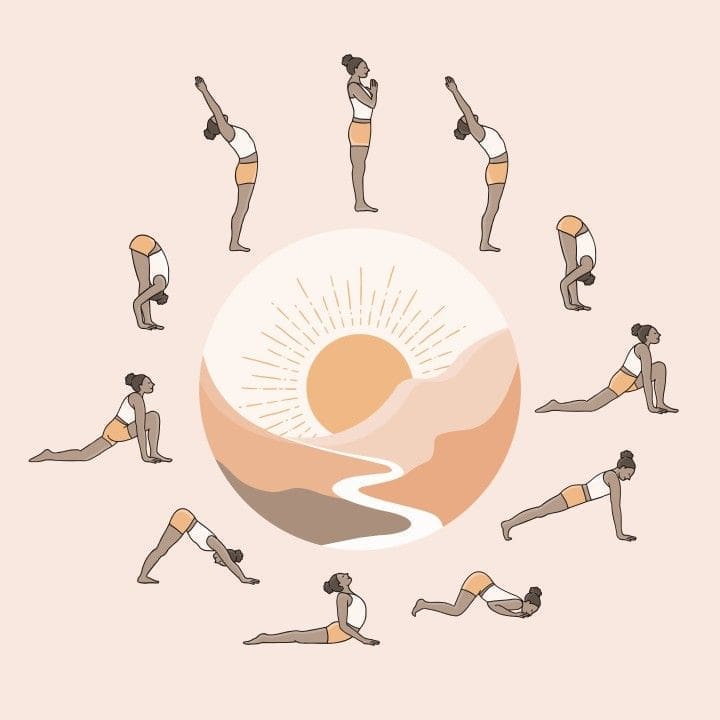
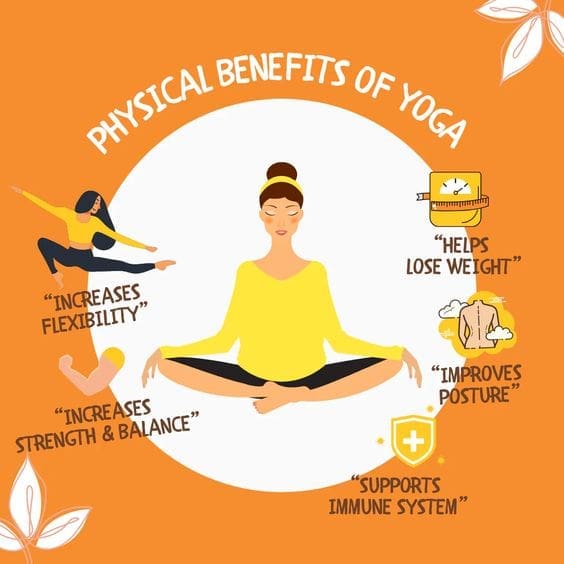
Have you been exploring the wonders of Hatha Yoga to enhance your mental and physical well-being? You’re in the right place! This guide will delve into ten vital insights to seamlessly integrate Hatha Yoga practices into your day-to-day life. Whether you aim to boost flexibility, maintain equilibrium, diminish stress, or cultivate serenity, these revelations promise to usher you into a realm of unparalleled health and tranquility. So, roll out your yoga mat, seek a serene corner, and prepare to immerse yourself in the transformative world of Hatha Yoga. The Origins of Hatha Yoga Introduction to Hatha Yoga Hatha Yoga is a branch of yoga that focuses on physical postures (asanas), breath control (pranayama), and meditation. It originated in ancient India and has been practiced for thousands of years. Hatha Yoga is often seen as a gentle and accessible form of yoga, suitable for beginners and experienced practitioners alike. Historical Background The roots of Hatha Yoga can be traced back to the 11th century in India, although its principles and practices can be found in the ancient texts known as the Upanishads and the Bhagavad Gita. Hatha Yoga was developed as a means to prepare the body for the spiritual practice of Raja Yoga. It gained popularity in the West during the 20th century when renowned yogis, such as Swami Sivananda and B.K.S. Iyengar, introduced it to the world. Philosophical Roots Hatha Yoga draws inspiration from the philosophical teachings of ancient Indian scriptures, including the Yoga Sutras of Patanjali. The foundation of Hatha Yoga lies in the belief that the body and the mind are interconnected. By working with the body through physical postures and breath control, practitioners can achieve a state of balance, harmony, and self-realization. Benefits of Hatha Yoga Physical Well-being Practicing Hatha Yoga regularly can lead to numerous physical benefits. The asanas (yoga poses) help improve strength, flexibility, and balance. They also promote better posture, relieve tension, and enhance circulation. Hatha Yoga is known to alleviate chronic pain and improve overall physical well-being. Mental and Emotional Health Hatha Yoga not only benefits the body but also has a positive impact on mental and emotional health. The practice promotes relaxation, reduces stress, and calms the mind. Through mindful breathing and meditation, practitioners can gain clarity, improve focus, and develop a sense of inner peace and emotional stability. Spiritual Growth Hatha Yoga provides a pathway for spiritual growth and self-discovery. By cultivating awareness and mindfulness, practitioners can connect with their inner selves and tap into their spiritual essence. The practice of meditation helps quiet the mind, allowing for a deeper understanding of oneself and the world around us. Principles of Hatha Yoga Asanas (Yoga Poses) Asanas are the physical postures practiced in Hatha Yoga. They are designed to strengthen and stretch the body while promoting balance and stability. Asanas help improve flexibility, release tension, and create a sense of physical and mental harmony. Regular practice of asanas can enhance overall well-being and vitality. Pranayama (Breathing Techniques) Pranayama focuses on breath control and regulation. Through various breathing techniques, practitioners can cultivate awareness of the breath and harness its power to calm the mind and invigorate the body. Pranayama helps improves lung capacity, relieves anxiety, and promotes a sense of well-being. Mudras (Hand Gestures) Mudras are symbolic hand gestures used in Hatha Yoga to activate energy channels in the body. By placing the hands in specific positions, practitioners can influence the flow of energy and promote balance and healing. Mudras help deepen concentration, increase vitality, and enhance the overall benefits of the practice. Bandhas (Energy Locks) Bandhas are energetic locks performed during the practice of asanas and pranayama. By engaging specific muscles and controlling the flow of energy, bandhas help redirect and contain vital energy within the body. This can lead to increased physical strength, enhanced mental clarity, and a heightened state of awareness. Secret 1: Importance of Alignment Understanding Proper Body Alignment Proper body alignment is crucial in Hatha Yoga to ensure maximum benefits and prevent injuries. It involves aligning the various parts of the body, such as the head, spine, and limbs, in a way that supports the natural curves and structure of the body. Understanding and practicing proper alignment can optimize the effectiveness of asanas and promote overall body balance. Benefits of Correct Alignment Correct alignment in Hatha Yoga not only reduces the risk of injury but also allows for a deeper and more profound practice. By aligning the body correctly, one can access the full potential of each pose, allowing for better engagement of muscles and improved energy flow. Proper alignment can also enhance the benefits of pranayama and meditation, leading to a more holistic practice. Secret 2: Breath Awareness The Connection Between Breath and Mind In Hatha Yoga, the breath plays a significant role in connecting the body and mind. By bringing focus and awareness to the breath, practitioners can calm the mind, reduce stress, and enter a meditative state. The breath serves as an anchor, helping to center and ground the practitioner in the present moment. Practices for Enhancing Breath Awareness There are various practices in Hatha Yoga that can enhance breath awareness. One such practice is deep diaphragmatic breathing, where the breath is directed into the belly rather than remaining shallow in the chest. Another technique is alternate nostril breathing, which balances the energy flow in the body. By incorporating these practices into your yoga routine, you can deepen your breath awareness and experience the transformative power of the breath. Secret 3: Mindfulness and Meditation Exploring Mindfulness in Hatha Yoga Mindfulness is a state of non-judgmental awareness, where one pays attention to the present moment with acceptance and curiosity. In Hatha Yoga, mindfulness is cultivated through the practice of asanas, pranayama, and meditation. By bringing conscious awareness to each movement, breath, and sensation, practitioners can experience the present moment fully and deepen their connection with themselves. Incorporating Meditation into Your Practice Meditation is an integral part of Hatha Yoga and offers a host of
Exploring Hatha Yoga: 10 Wellness Keys Read More »