Excercise

10 minute mobility routine

10 minute mobility routine

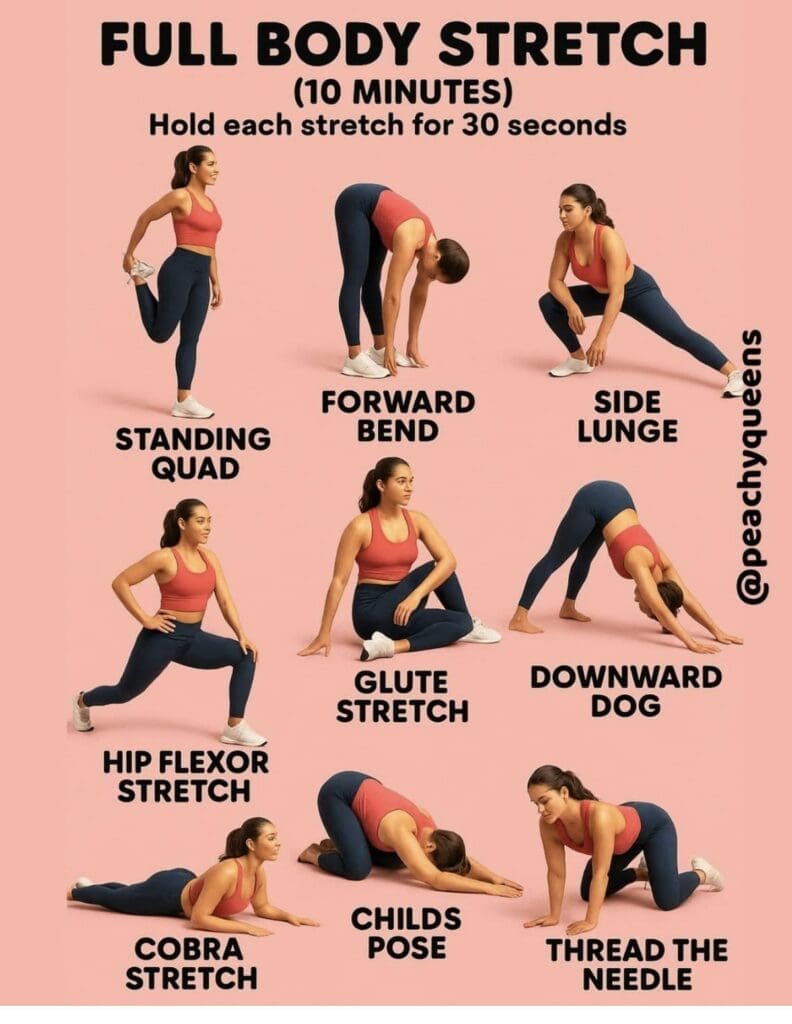
A 10 minute mobility routine can make a big difference in how your body feels and moves throughout the day. Many people experience stiffness, tight hips, or back discomfort due to long hours of sitting, poor posture, or lack of movement. The good news is that improving mobility does not require complicated workouts or expensive equipment. Just ten minutes of focused movement each day can help loosen tight muscles, support joint health, and improve overall flexibility. Mobility training focuses on controlled movement through a comfortable range of motion. Instead of forcing the body into deep stretches, mobility exercises encourage gentle and consistent movement that helps joints function better. Over time, this improves flexibility, balance, posture, and body awareness. The key to success with a mobility routine is consistency. Small daily habits often produce better results than occasional intense workouts. A simple ten-minute routine performed regularly can help reduce stiffness, improve circulation, and make everyday movements feel easier and more natural. Why a 10 Minute Mobility Routine Works A 10 minute mobility routine works because it prioritizes movement quality rather than intensity. Many people believe they need long workouts to improve flexibility or mobility, but that is not always the case. Short, focused routines performed consistently can be extremely effective. Mobility exercises help joints move through their natural range of motion. When joints remain inactive for long periods, surrounding muscles tighten and movement becomes restricted. This is why many people experience stiffness in areas like the hips, lower back, shoulders, and ankles. Regular mobility work gradually restores natural movement patterns. Gentle rotations, stretches, and controlled movements signal the body to relax tight areas and improve coordination between muscles and joints. Another reason a ten-minute routine works well is that it is easy to maintain. Long workout sessions can feel overwhelming, especially for beginners or people with busy schedules. A short daily routine is much easier to stick with, which means you are more likely to stay consistent over time. Consistency is what ultimately creates long-term improvements in mobility and flexibility. Benefits of a Daily Mobility Routine A daily 10 minute mobility routine provides several important benefits for both physical health and everyday comfort. One of the most noticeable benefits is reduced stiffness. Many people feel tightness in their hips, back, or shoulders after sitting for long periods. Gentle movement helps loosen these areas and improve circulation. Improved posture is another major benefit. Tight muscles often pull the body out of proper alignment. Mobility exercises encourage balanced movement and help restore natural posture. Mobility routines can also support joint health. Joints rely on regular movement to stay healthy. Controlled exercises help maintain lubrication within the joints, which allows them to move smoothly. People who practice mobility regularly often notice improvements in flexibility as well. This makes daily activities like bending, reaching, and walking feel easier. Some additional benefits include: Better balance and coordination Reduced risk of minor injuries Increased body awareness Improved overall movement quality Even though the routine is short, the cumulative effect over weeks and months can be significant. Who Should Do a 10 Minute Mobility Routine A 10 minute mobility routine is suitable for almost everyone. It is particularly helpful for people who spend long hours sitting during the day. Office workers often experience tight hips, rounded shoulders, and lower back discomfort due to prolonged sitting. A short mobility routine can help counteract these effects by encouraging the body to move in healthier ways. Beginners who want to start exercising may also benefit from mobility training. Because the exercises are gentle and controlled, they are an excellent introduction to regular movement. Athletes and active individuals can also use mobility routines as part of their warm-up or recovery process. Improving mobility helps support better performance in other types of exercise. Older adults may find mobility exercises especially valuable. As people age, joints can become stiffer if they are not regularly used. Simple mobility routines help maintain flexibility and movement capacity. The routine is also ideal for anyone who: Feels stiff in the morning Experiences tight hips or shoulders Wants to improve flexibility safely Prefers short daily habits over long workouts Simple Principles for Practicing Mobility Safely When following a 10 minute mobility routine, it is important to focus on quality rather than speed. Moving slowly and with control allows the body to adapt safely. Breathing should remain relaxed throughout each exercise. Many people unconsciously hold their breath when stretching or moving into unfamiliar positions. Maintaining steady breathing helps muscles stay relaxed and responsive. Pain should also be avoided. Mobility exercises should create a gentle stretch or movement sensation, but they should never cause sharp discomfort. If something feels painful, it is best to reduce the range of motion or modify the movement. Another useful principle is to move through a comfortable range of motion rather than forcing flexibility. Over time, the body will gradually adapt and movement will become easier. Finally, consistency is more important than intensity. A short routine practiced daily will produce better results than an occasional longer session. Example Structure of a 10 Minute Mobility Routine A typical 10 minute mobility routine can include several simple movements that target common areas of stiffness. Many routines begin with gentle breathing and posture alignment to help the body relax and prepare for movement. Next, hip mobility exercises may be introduced. The hips often become tight from sitting, so controlled movements that encourage hip rotation and extension can be very helpful. Spinal mobility is another important part of many routines. Gentle movements that encourage spinal rotation or extension help reduce back stiffness and improve posture. Shoulder mobility exercises may follow. These movements support healthy shoulder function and help counteract the effects of desk work. Finally, ankle or lower-body movements can improve balance and walking mechanics. Together, these exercises create a balanced routine that supports overall body movement. Building a Consistent Mobility Habit The most effective way to benefit from a 10 minute mobility routine is to make it a

10 minute mobility routine Read More »
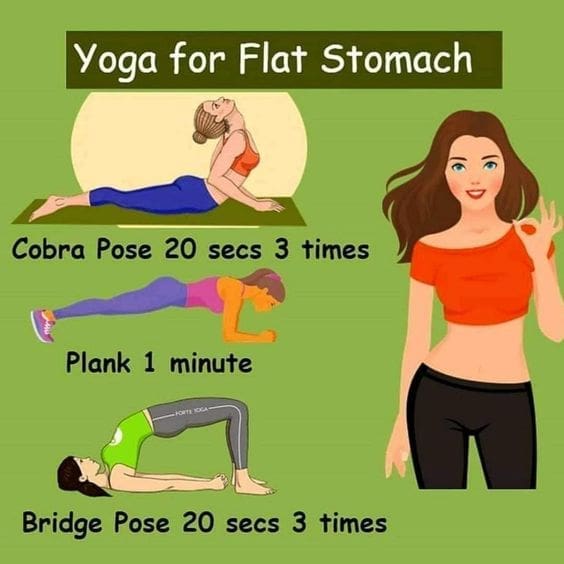
Belly Fat - Yoga for fat Stomach

Effective Exercises to Target and Reduce Belly Fat

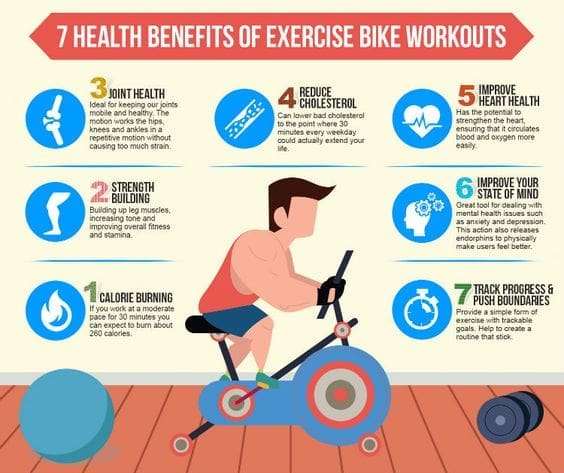
Belly fat can be one of the most challenging areas to target and reduce, often leaving individuals feeling discouraged when their efforts seem futile. However, this article aims to shed light on the most effective exercises that specifically target belly fat, helping you achieve the trim and toned midsection you desire. Say goodbye to the notion that countless crunches are the only way to go, as we unveil a range of proven techniques that will efficiently and effectively combat belly fat. From high-intensity interval training to core-engaging compound movements, these exercises are designed to maximize fat loss around your waistline. Prepare to revolutionize your workout routine and embrace a new approach to targeting belly fat. With dedication and consistency in performing these highly effective exercises, you’ll be well on your way to achieving a flatter, more defined stomach. Get ready to bid farewell to stubborn belly fat and hello to a more confident, healthier you. Cardiovascular Exercises When it comes to shedding those extra pounds and targeting belly fat, cardiovascular exercises are a great place to start. These exercises not only help in burning calories but also improve cardiovascular health. Here are some of the most effective cardiovascular exercises that you can easily incorporate into your fitness routine: Running Running is one of the simplest yet highly effective cardiovascular exercises. Whether you prefer running on a treadmill or outdoor running, it helps in boosting your metabolism and burning calories, including stubborn belly fat. Start with a brisk walk and gradually increase your pace to a jogging or running speed that challenges you. Not only will you see improvements in your overall fitness, but also notice a reduction in belly fat over time. Cycling Cycling is another excellent cardiovascular exercise that targets belly fat. Whether you choose to cycle outdoors or use a stationary bike, this low-impact exercise helps in burning calories and strengthens your lower body muscles, including the core. It is a fun way to explore new areas while getting a great workout. Swimming Swimming is a full-body workout that engages all major muscle groups, making it a fantastic cardiovascular exercise for burning calories and losing belly fat. The resistance provided by water adds an extra challenge, helping to build lean muscle while focusing on your core. Whether you do a few laps in the pool or join a water aerobics class, swimming offers an effective way to tone your body and achieve your fitness goals. High-Intensity Interval Training (HIIT) High-Intensity Interval Training, commonly known as HIIT, has gained immense popularity in recent years due to its effectiveness in burning calories and reducing belly fat. HIIT workouts involve alternating periods of intense exercise with short rest periods. Here are some HIIT exercises that you can incorporate into your fitness routine: Jumping Jacks Jumping jacks are a great HIIT exercise that gets your heart pumping and targets belly fat. Start by standing with your feet together and arms by your sides. Jump while spreading your legs wider than hip-width apart and simultaneously raising your arms above your head. Jump back to the starting position and repeat the movement for a set period of time. Incorporating jumping jacks into your HIIT routine will help in burning calories and shedding belly fat. Burpees Burpees are a challenging yet highly effective full-body exercise that engages multiple muscle groups and boosts your heart rate. Start by standing with your feet shoulder-width apart. Lower your hands to the ground and kick your feet back, landing in a plank position. Immediately jump your feet forward and stand up. Repeat this movement for a set number of repetitions. This exercise not only burns calories but also strengthens your core muscles, including your abdominal muscles. Mountain Climbers Mountain climbers are another great HIIT exercise that targets belly fat. Start in a plank position with your hands directly under your shoulders and your body in a straight line. One at a time, bring your knees towards your chest, alternating between legs as if you are running in place. Maintain a fast pace for a set duration. Mountain climbers increase your heart rate, engage your core muscles, and help in torching belly fat. Abdominal Exercises To strengthen and tone your abdominal muscles and effectively target belly fat, incorporating specific abdominal exercises into your fitness routine is key. Here are some of the most effective abdominal exercises you can try: Crunches Crunches are a classic abdominal exercise that targets the rectus abdominis, the front muscles of your abdomen. Lie on your back with your knees bent and feet flat on the ground. Place your hands behind your head, elbows out to the sides. Engage your core and lift your head, neck, and shoulders off the ground, while keeping your lower back pressed into the floor. Lower back down and repeat for a desired number of repetitions. Regularly including crunches in your workout routine can help in strengthening and defining your abdominal muscles. Planks Planks are an excellent exercise for strengthening your entire core, including your abdominal muscles, back muscles, and glutes. Start by getting into a push-up position, resting on your forearms instead of your hands. Keep your body in a straight line from your head to your heels, engage your core, and hold this position for a desired amount of time. Planks not only target belly fat but also improve your posture and stability. Russian Twists Russian twists are a great exercise for targeting the oblique muscles, which are located on the sides of your abdomen. Sit on the ground with your knees bent and feet flat on the floor. Lean back slightly while keeping your back straight. Hold a weight or medicine ball with both hands in front of you. Twist your torso to the right, bringing the weight or ball towards the ground. Return to the center and then twist to the left side. Repeat this twisting motion for a desired number of repetitions. Russian twists help in strengthening your oblique muscles, giving you a more defined

Effective Exercises to Target and Reduce Belly Fat Read More »

Best Time to Exercise

Best Time to Exercise

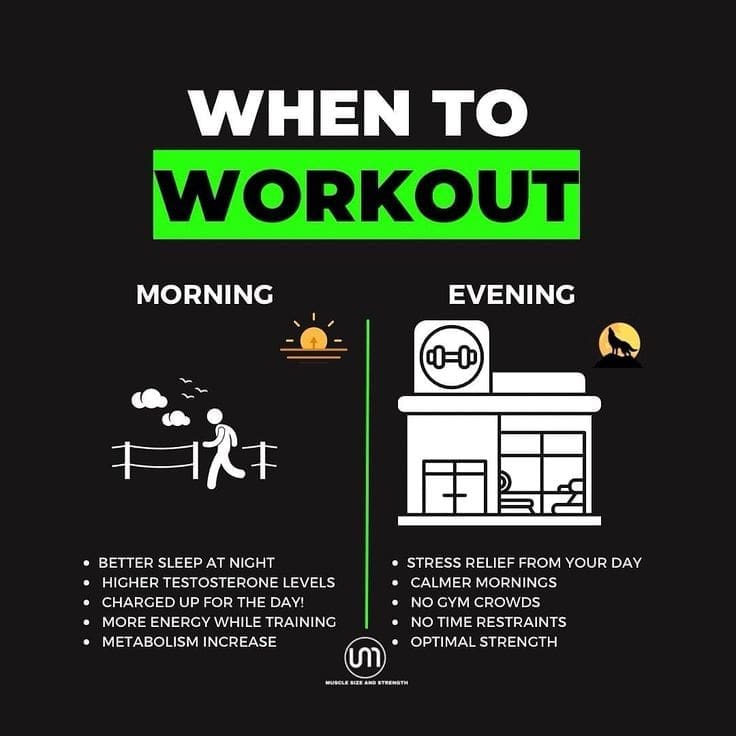
What’s the Best Time to Exercise? Morning vs. Evening Workouts Have you ever wondered when the best time to exercise really is? With so much advice online, it can feel overwhelming. Some swear by morning workouts, others thrive in the evening. The truth is, there’s no single answer. It all comes down to your personal schedule, energy levels, and fitness goals. In this article, we’ll break down the pros and cons of exercising at different times of the day to help you find your perfect fit. Why Does Timing Matter for Exercise? Exercise is beneficial no matter when you do it, but the timing can influence performance, consistency, and how your body responds. Your body temperature, hormone levels, mental focus, and even digestion fluctuate throughout the day. Understanding these patterns can help you make smarter fitness decisions. The best time to exercise is often the time you’re most likely to stick with. But depending on your goal — whether it’s weight loss, muscle gain, or stress relief — you might benefit more from one time of day over another. Morning Workouts: Why They Work for So Many Morning exercise is a favorite for those with busy schedules or people who feel energized after a good night’s rest. Working out early can create a healthy habit loop — starting your day on a positive, focused note. Benefits of morning workouts: Boosts your metabolism early in the day, helping with calorie burn Enhances mental clarity and focus thanks to increased endorphins Fewer distractions and schedule conflicts first thing in the morning May improve discipline and consistency over time On the flip side, early morning workouts may feel harder for those with lower energy levels in the morning or those needing longer warmups. Your flexibility and coordination may be lower in the morning, so it’s especially important to start with dynamic stretching and light movement before more intense activity. Evening Workouts: Are They More Effective? If mornings aren’t your thing, don’t worry. Late afternoon or evening might actually be the best time to exercise for your body. This is when your body temperature peaks, which means your muscles are warmer, your joints are more mobile, and your strength may be slightly higher. Benefits of evening workouts: Higher performance potential due to warmed-up muscles and elevated hormones Ideal for strength training or high-intensity routines Can help release stress and tension built up throughout the day May support better sleep for some (if not too close to bedtime) However, late-day exercise can be tough to fit in if your evenings are packed. Social events, fatigue, or dinner plans may derail your workout if it’s not locked into your routine. Also, intense workouts too late (like after 8–9 PM) might interfere with sleep for some people. How to Find Your Personal Best Time to Exercise Ultimately, the best workout time is one that suits your life. If you’re not a morning person, don’t force it — but if evenings are too hectic, try a midday session. Track how your body feels, your energy before and after, and how consistent you are. Here are some tips to help identify your ideal exercise window: Try both morning and evening workouts for 1 week each Journal your mood, energy, and workout results after each session Notice when you feel more motivated or physically capable Listen to your body — it’s your best coach Pairing Timing with Fitness Goals Still not sure? Consider these general guidelines based on goals: Fat loss: Some studies suggest fasted morning cardio may support fat burning Muscle gain: Late afternoon may be optimal due to testosterone and strength peaks Stress relief: Evening yoga or light cardio can help unwind from the day Consistency: Morning may work better if you tend to skip evening workouts Related Practices to Support Your Routine Finding the best time to exercise is just one piece of the wellness puzzle. Enhance your results by integrating complementary habits: Yoga sessions for recovery and flexibility Proper hydration before and after workouts Mindfulness techniques to stay focused Balanced meals timed around your workouts Watch: Best Time to Exercise Explained Still unsure? This quick video breaks down the science and psychology behind workout timing to help you decide: FAQ: Your Questions Answered Q: Is it better to exercise on an empty stomach? A: Morning fasted workouts may help burn fat, but it depends on your body. If you feel lightheaded or sluggish, a small pre-workout snack is better. Q: Will evening workouts affect my sleep? A: Intense workouts late at night can interfere with sleep for some. Try to finish workouts at least 2 hours before bed to allow the body to wind down. Q: What if I can only exercise at odd hours? A: That’s fine! The most important thing is consistency. If 2 PM or 9 PM works best for you — do it! The body adapts with routine. Final Thoughts There’s no one-size-fits-all answer to the best time to exercise. What matters most is finding a time that fits your energy, your schedule, and your long-term goals. Whether you’re stretching at sunrise or lifting weights after dinner, consistency is key. Choose a time you enjoy, and your fitness habit will stick for life. [hfe_template id=’4070′] Related: Discover the Health Benefits of Yoga

Best Time to Exercise Read More »

Yoga Ball exercise

Discover Yoga Ball Benefits

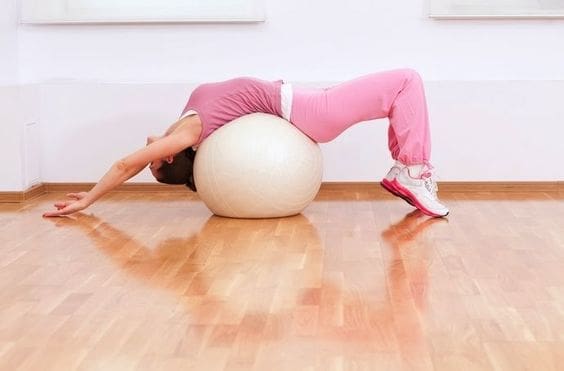
Discover the transformative power of the yoga ball and how it can revolutionize your daily life. This article delves into the myriad benefits of replacing your traditional office chair with this innovative seating option. By embracing the yoga ball chair, you can experience significant improvements in your posture, as it encourages proper spine alignment and engages your core muscles throughout the day. Moreover, the constant micro-movements required to maintain balance on the ball lead to increased muscle activation and strengthening of your core, back, and leg muscles. Beyond the physical advantages, using a yoga ball chair can also boost your productivity and mental well-being by promoting better circulation, reducing stress levels, and keeping you alert and focused. Whether you’re looking to optimize your fitness routine or create a healthier, more dynamic work environment, the yoga ball chair offers a versatile and effective solution for enhancing your overall wellness. Improved posture Strengthens core muscles Using a yoga ball chair can greatly improve your posture by strengthening your core muscles. The unstable surface of the ball chair engages your abdominal and back muscles, forcing them to work harder to maintain balance. As a result, your core muscles become stronger over time, which helps you maintain a more upright and aligned posture. Promotes proper spinal alignment One of the key benefits of using a yoga ball chair is its ability to promote proper spinal alignment. Sitting on a yoga ball encourages you to sit up straight, aligning your spine properly. This can help alleviate the stress and strain that is often placed on the spine when sitting for long periods on a traditional chair. By promoting proper spinal alignment, a yoga ball chair can help reduce the risk of developing posture-related issues such as rounded shoulders or a hunched back. Encourages better sitting habits Using a yoga ball chair encourages better sitting habits by promoting an active sitting position. The instability of the ball chair forces you to engage your core muscles and constantly adjust your position to maintain balance. This prevents you from slouching or sitting in one position for extended periods, which can be detrimental to your posture. By consistently reinforcing proper sitting habits, a yoga ball chair can help you develop a healthier and more mindful approach to sitting. Relieves back pain One of the most notable benefits of using a yoga ball chair is its ability to relieve back pain. The natural curve of the yoga ball chair promotes a neutral spine position, which helps alleviate pressure on the lower back. Additionally, sitting on a yoga ball chair engages the core muscles, which provide support to the spine and help reduce strain and discomfort. Regular use of a yoga ball chair can help strengthen the muscles in your back, reducing the likelihood of experiencing back pain. Enhanced core strength Engages multiple muscle groups Using a yoga ball chair engages multiple muscle groups simultaneously, making it an effective tool for enhancing core strength. The unstable surface of the ball chair requires constant activation of the core muscles to maintain balance. This engages not only the abdominals but also the muscles of the back, hips, and pelvic floor. The dynamic nature of sitting on a yoga ball chair ensures that these muscles are continuously working, leading to improved overall core strength. Tones abdominal muscles The constant engagement of the core muscles while sitting on a yoga ball chair helps tone the abdominal muscles. As you adjust your position to maintain balance, the deep core muscles, including the transverse abdominis and obliques, are activated. This regular activation and engagement of the abdominal muscles can lead to increased muscle tone and definition over time. Improves balance and stability Using a yoga ball chair can greatly improve your balance and stability. Sitting on an unstable surface requires you to constantly adjust your position to maintain balance. This challenges your balance and proprioception, the sense of where your body is in space. Over time, this leads to improved balance and stability as the body becomes more accustomed to the demands of maintaining balance on the yoga ball chair. Increases overall body strength Regular use of a yoga ball chair can lead to increased overall body strength. In addition to engaging the core muscles, sitting on a yoga ball chair also activates the muscles of the lower back, hips, and legs. These muscles are responsible for providing support and stability, especially when maintaining balance on the unstable surface of the ball chair. As these muscles become stronger over time, your overall body strength will increase Increased flexibility Stretches and lengthens muscles Using a yoga ball chair can help stretch and lengthen muscles throughout the body. Sitting on the ball chair promotes a more upright and aligned posture, which gently stretches and releases tension in the muscles of the neck, shoulders, and back. Additionally, the instability of the ball chair requires constant micro-adjustments of your position, which can help release tightness in the muscles and promote overall flexibility. Improves range of motion Regular use of a yoga ball chair can improve your range of motion in various joints throughout the body. The constant movement and adjustments required to maintain balance on the unstable surface of the ball chair help to loosen up the joints and increase their flexibility. This can be particularly beneficial for individuals who experience stiffness or limited range of motion in their joints. Reduces muscle tension and stiffness Sitting on a yoga ball chair can help reduce muscle tension and stiffness, particularly in the neck, shoulders, and back. The natural curve of the ball chair encourages proper alignment of the spine, which can help relieve tension and tightness in the muscles surrounding it. Additionally, the constant movement and adjustments required when sitting on the ball chair can help release built-up tension in the muscles, promoting relaxation and reducing stiffness. Promotes joint health The gentle and controlled movements required to maintain balance on a yoga ball chair can help promote joint health. The constant

Discover Yoga Ball Benefits Read More »

Body work out

10 Secrets For A Toned Body: Get In Shape And Feel Confident Today

If you’ve ever dreamt of achieving a toned body, this article is your ticket to success. Packed with ten invaluable secrets, this guide will not only help you get in shape but also boost your confidence levels to new heights. Bid farewell to self-doubt and hello to a healthier, more sculpted version of yourself. So get ready to embark on an exciting journey towards achieving those fitness goals you’ve always wanted. With these powerful secrets at your disposal, you’ll be well on your way to a perfectly toned body in no time. Are you ready to transform your physique and unleash your inner confidence? Let’s dive in! 1. Set Clear Goals Setting clear goals is the first step towards achieving a toned body. Take some time to think about what you want to achieve and why it is important to you. Whether your goal is to lose weight, build muscle, or improve your overall fitness, having a clear vision will help you stay motivated and focused throughout your journey. Write down your goals and make sure they are realistic and attainable. Remember, it’s not just about reaching a certain number on the scale, but also about feeling strong, healthy, and confident in your own skin. 2. Define Your Body Type Understanding your body type is crucial when it comes to designing an effective workout and nutrition plan. There are three main body types – ectomorph, mesomorph, and endomorph. Ectomorphs typically have a lean and slender build with difficulty gaining weight and muscle. Mesomorphs are naturally athletic with a balanced body composition. Endomorphs tend to have a higher body fat percentage and may struggle with losing weight. Knowing your body type will help you tailor your fitness routine and make the most out of your efforts. 3. Embrace Strength Training Strength training is a key component of any toned body workout plan. It helps build lean muscle mass, increases metabolism, and improves overall strength. Incorporating exercises like squats, deadlifts, bench presses, and rows will target multiple muscle groups and help you sculpt a defined physique. Don’t be afraid to challenge yourself with heavier weights as you progress. Consistency is key when it comes to strength training, so aim for at least two to three sessions per week. 4. Create a Balanced Diet Plan A balanced diet is essential for achieving a toned body. Focus on consuming whole, nutrient-dense foods that provide your body with the necessary fuel for workouts and recovery. Include a variety of protein sources like lean meats, fish, eggs, and plant-based proteins, as well as plenty of fruits, vegetables, whole grains, and healthy fats. Make sure to also monitor your portion sizes and avoid high-calorie processed foods and sugary drinks. Consulting with a registered dietitian can help you create a personalized meal plan that aligns with your goals and preferences.   5. Incorporate Cardiovascular Exercises Cardiovascular exercises are an excellent way to boost your overall fitness, burn calories, and promote a toned body. They increase your heart rate, improve lung function, and help reduce body fat. Choose activities that you enjoy, such as running, cycling, swimming, or dancing, and aim for at least 150 minutes of moderate-intensity cardio per week. To make your workouts more challenging and effective, consider incorporating interval training. 6. Include High-Intensity Interval Training (HIIT) High-Intensity Interval Training (toned body) is a time-efficient and effective way to burn calories and improve cardiovascular fitness. HIIT involves alternating between short bursts of intense exercise and brief recovery periods. It not only saves you time but also boosts your metabolism, allowing you to continue burning calories even after your workout. Examples of HIIT exercises include sprint intervals, burpees, mountain climbers, and high knees. Start with shorter intervals and gradually increase the duration and intensity as your fitness level improves. 7. Stay Consistent with Your Workouts Consistency is key when it comes to achieving a toned body. Make exercise a non-negotiable part of your daily routine, just like brushing your teeth or taking a shower. Find a workout schedule that works for you, whether it’s early mornings, lunch breaks, or evenings, and stick to it. It’s important to remember that progress takes time, so don’t get discouraged if you don’t see immediate results. Stay consistent, trust the process, and the results will come. 8. Stay Hydrated and Get Enough Rest Hydration and rest are often overlooked but play a significant role in achieving a toned body. Drinking enough water throughout the day helps maintain optimal bodily functions, supports metabolism, and aids in muscle recovery. Aim to drink at least eight glasses of water daily and increase your intake during intense workouts or hot weather. Additionally, getting enough sleep is crucial for muscle growth, recovery, and overall well-being. Aim for seven to nine hours of quality sleep each night to allow your body to repair and rejuvenate. 9. Focus on Targeted Muscle Groups To achieve a toned body, it’s important to focus on specific muscle groups during your workouts. Targeting these areas will help you build muscle definition and create a more sculpted appearance. Some key muscle groups to focus on include the core (abs and lower back), upper body (shoulders, arms, and chest), lower body (glutes, quads, and hamstrings), and back muscles. Incorporate exercises that specifically target these areas into your strength training routine for optimal results. 10. Incorporate Stretching and Flexibility Exercises Stretching and flexibility exercises are often overlooked but play a crucial role in injury prevention, improving muscle elasticity, and maintaining mobility. Incorporate dynamic stretches before your workout to warm up your muscles and prepare them for the upcoming activity. After your workouts, perform static stretches to help with muscle recovery and flexibility. Consider adding yoga or Pilates classes to your fitness routine, as they focus on both strength and flexibility. 11. Monitor Your Progress and Adjust Your Routine Tracking your progress is essential to stay motivated and make necessary adjustments to your workout routine. Keep a workout journal or use a fitness tracking app to

10 Secrets For A Toned Body: Get In Shape And Feel Confident Today Read More »

exercise equipment

Exercise Equipment Must-Haves: Gear Up For Maximum Performance!

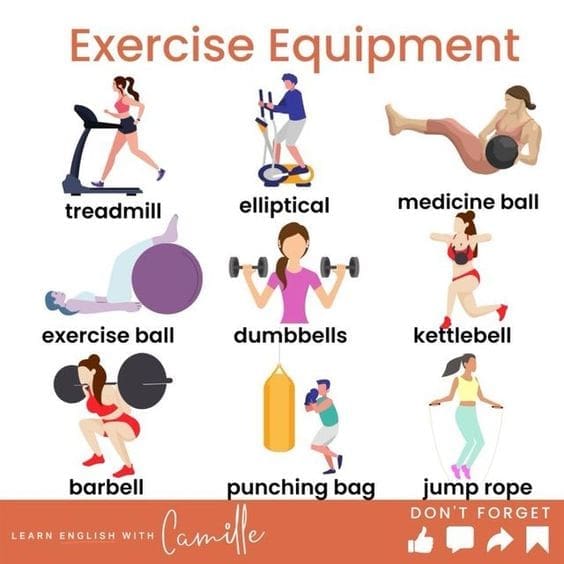
Are you ready to take your workout to the next level? Look no further than this guide on exercise equipment must-haves. From dumbbells to resistance bands, this article will walk you through the essentials for maximizing your performance and achieving your fitness goals. Whether you’re a gym newbie or a seasoned athlete, these gear recommendations are sure to elevate your exercise routine to new heights. Get ready to gear up and unleash your full potential! Cardio Equipment Treadmill One of the most popular cardio equipment options is the treadmill. It offers a convenient way to walk, jog, or run indoors regardless of the weather outside. Treadmills come with various speed and incline settings, allowing you to customize your workout to fit your fitness level and goals. Some treadmills even have features like built-in workout programs and heart rate monitors to help you track and optimize your performance. Whether you’re a beginner or an experienced runner, a treadmill is a versatile piece of equipment that can boost your cardiovascular endurance and help you achieve your fitness goals. Stationary Bike If you prefer low-impact exercise that still gets your heart rate up, a stationary bike is a fantastic option. It provides a comfortable and effective workout that targets your lower body muscles while minimizing joint stress. Stationary bikes often come with adjustable resistance levels and preset workout programs to add variety to your routines and challenge your fitness level. They also offer the convenience of being able to exercise in the comfort of your own home while watching TV or reading a book. Whether you’re looking to improve your endurance, lose weight, or simply maintain an active lifestyle, a stationary bike is a valuable addition to your home gym. Elliptical Machine The elliptical machine offers a smooth and low-impact workout that engages both your upper and lower body muscles. It simulates movements similar to running, walking, and climbing stairs without putting excessive strain on your joints. This makes it an excellent choice for individuals with joint issues or those recovering from injuries. Ellipticals typically have adjustable resistance levels and incline settings, allowing for customizable workouts that can target different muscle groups. With its combination of cardio and strength training, the elliptical machine provides an efficient full-body workout suitable for all fitness levels. Rowing Machine For a full-body workout that combines cardiovascular conditioning and strength training, a rowing machine is a must-have. It engages multiple muscle groups, including your legs, core, back, and arms, providing a comprehensive and efficient workout. Rowing machines offer different resistance options, allowing you to adjust the intensity of your exercise. They also come with various workout programs that simulate different rowing conditions, making your workouts more engaging and challenging. Whether you’re a beginner or an advanced fitness enthusiast, a rowing machine can help improve your endurance, strength, and overall fitness level. Strength Training Equipment Dumbbells Dumbbells are versatile and essential tools for strength training. They come in various weight increments and can be used to target different muscle groups. Whether you want to tone your arms, build leg strength, or work on your core, dumbbells provide countless exercise options. From bicep curls to lunges and shoulder presses, the possibilities are endless. Investing in a set of dumbbells allows you to conveniently incorporate strength training into your workout routine and build lean muscle mass, improve bone density, and increase your metabolism. Barbells Barbells are another fundamental piece of strength training equipment. They consist of a long bar with weights loaded on each end, offering a more challenging workout compared to dumbbells. Barbells are commonly used for exercises such as squats, deadlifts, bench presses, and overhead presses. These compound movements work multiple muscle groups simultaneously, making barbell training an efficient way to build overall strength and improve functional fitness. Whether you’re a beginner or an experienced lifter, incorporating barbell exercises into your routine can help you enhance muscle definition, increase power, and boost athletic performance. Resistance Bands Resistance bands are a versatile and portable alternative to traditional weights. They come in various resistance levels, allowing you to gradually increase the intensity of your workouts. Resistance bands can be used for a wide range of exercises, including bicep curls, squats, lateral walks, and shoulder presses. They provide constant tension throughout the movements, engaging your muscles and improving muscular endurance. Resistance bands are also excellent for stretching and rehabilitation exercises, making them a convenient and effective tool for people of all fitness levels. Kettlebells Kettlebells are compact, cannonball-shaped weights with a handle that offer a unique and dynamic way to perform strength and conditioning exercises. They provide an excellent full-body workout that improves strength, power, and cardiovascular fitness. Kettlebell exercises, such as swings, deadlifts, and snatches, engage multiple muscle groups and require coordination and balance. They challenge your core stability and help improve functional movements in your daily life. Kettlebells come in various weights, making them suitable for beginners and advanced fitness enthusiasts alike. Home Gym Essentials Exercise Mat An exercise mat is an essential item for any home gym. Not only does it provide cushioning and support during floor exercises, but it also offers stability and reduces the risk of injury. Whether you’re doing yoga, Pilates, or bodyweight exercises, an exercise mat provides a comfortable and non-slip surface. It protects your knees, elbows, and back from hard floors, enhancing your overall workout experience. Invest in a high-quality exercise mat to create a safe and comfortable environment for your home workouts. Jump Rope A jump rope is a simple yet effective piece of equipment that can elevate your cardiovascular fitness and coordination. Jumping rope is a high-intensity workout that torches calories, improves cardiovascular endurance, and targets your lower body muscles. It also promotes balance and coordination, making it a fantastic addition to any home gym. Jump ropes are compact and portable, allowing you to take your workouts anywhere. Whether you’re a beginner or an advanced fitness enthusiast, jumping rope is a fun and challenging way to improve your overall fitness level.

Exercise Equipment Must-Haves: Gear Up For Maximum Performance! Read More »

yoga benefits of man

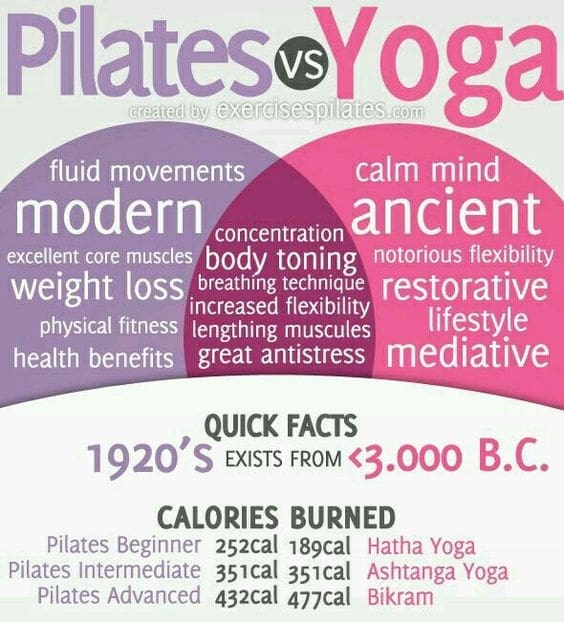
Benefits Of Yoga For Men

Discover the benefits of yoga for men. From increased flexibility to reduced stress, improve your physical performance and overall well-being. Although yoga is often associated with women, more and more men are recognizing the physical and mental benefits that this ancient practice provides. From increased flexibility and strength to improved stress management and mental clarity, yoga offers a holistic approach to health and well-being that is beneficial for men of all ages and fitness levels. Discover how incorporating yoga into your routine can enhance your physical performance, reduce the risk of injuries, and promote overall wellness.   Physical Fitness Strength and Muscle Building Engaging in yoga practices can significantly contribute to enhancing strength and building muscle. Although yoga is often associated with gentle stretching and relaxation, it also includes various poses that require the activation of muscles throughout the body. These poses, known as asanas, challenge and strengthen muscles, promoting overall physical fitness. By regularly practicing yoga, we can develop functional muscles that are not only aesthetically pleasing but also improve our physical performance in daily activities and other sports. Flexibility and Balance Flexibility and balance are crucial components of physical fitness, and yoga excels in improving both aspects. Yoga poses involve stretching and lengthening muscles, tendons, and ligaments, gradually increasing our flexibility over time. Additionally, many yoga poses require balance and stability, which help improve proprioception – the body’s ability to sense its position in space. Enhanced flexibility and balance not only contribute to better physical performance but also reduce the risk of injuries, especially as we age. Improved Endurance Yoga is often perceived as a low-impact exercise, but it can significantly improve endurance and stamina. Holding yoga poses for an extended period challenges our cardiovascular system, gradually increasing our lung capacity and endurance. Through regular practice, we can enhance our ability to perform physical activities for longer periods without experiencing excessive fatigue. This improved endurance can benefit various aspects of our lives, from daily tasks to participating in sports or recreational activities. Weight Management Maintaining a healthy weight is essential for overall physical well-being, and practicing yoga can support weight management efforts. Yoga sessions typically involve a combination of cardiovascular exercises, strength-building poses, and mindful movement that can burn calories and promote weight loss. Moreover, yoga can help regulate hormonal imbalances that may contribute to weight gain. By incorporating yoga into our fitness routine and adopting a balanced diet, we can effectively manage our weight and achieve a healthier body composition. Injury Prevention and Rehabilitation Reduced Risk of Injuries One of the significant benefits of practicing yoga is its potential to reduce the risk of injuries. The controlled and deliberate movements in yoga poses promote body awareness, allowing us to identify potential areas of weakness or imbalance. By addressing these areas through specific poses and exercises, we can strengthen vulnerable muscles and prevent injuries. Additionally, yoga enhances flexibility and range of motion, reducing the likelihood of muscle strains and tears, which are common in activities that require sudden movement or high impact. Faster Recovery If an injury does occur, incorporating yoga into the rehabilitation process can contribute to faster recovery times. Gentle yoga exercises, tailored to the injured area, can aid in restoring flexibility, strength, and function. Moreover, the meditative aspect of yoga promotes relaxation, reducing stress levels and supporting the body’s natural healing processes. By gradually reintroducing yoga postures and movements, we can facilitate a smooth rehabilitation process and return to our regular activities sooner. Improved Posture In today’s sedentary lifestyle, maintaining good posture is becoming increasingly challenging. However, yoga can serve as a powerful tool for improving and maintaining optimal posture. Many yoga poses target the muscles and structures responsible for supporting the spine, such as the core muscles and the back muscles. By strengthening these muscles and practicing proper alignment during yoga sessions, we can correct postural imbalances and develop a healthier posture. Improved posture not only enhances our appearance but also reduces the risk of chronic pain and injuries associated with poor alignment. Stress Reduction and Mental Well-being Stress Relief Amidst the demands and pressures of modern life, managing stress is crucial for our overall well-being. Engaging in regular yoga practice provides an effective way to alleviate stress and promote relaxation. Yoga combines physical movements, breathing techniques, and mindfulness to create a holistic experience that calms the nervous system and reduces stress levels. The focused attention on breath and body during yoga sessions helps to shift our focus away from external stressors, allowing us to find a sense of inner peace and tranquillity. Better Sleep Inadequate sleep can have detrimental effects on our physical and mental health. Incorporating yoga into our daily routine can promote better sleep by improving sleep quality and quantity. The deep stretching and relaxation techniques employed in yoga help release tension in the body, relieving physical discomforts that may interfere with sleep. Additionally, the meditative aspect of yoga helps calm the mind and reduce racing thoughts, facilitating a peaceful and restorative sleep. By practicing yoga regularly, we can establish healthy sleep patterns and wake up feeling refreshed and rejuvenated. Enhanced Focus and Concentration The practice of yoga involves focusing the mind on the present moment, allowing distractions to fade away. This cultivation of mental focus and concentration extends beyond the yoga mat and can positively impact our daily lives. Regular yoga practice enhances our ability to concentrate on tasks, improves mental clarity, and promotes a sense of mindfulness in all aspects of life. By training our minds to be more present and focused, we can increase productivity, make better decisions, and experience a greater sense of fulfillment in our endeavours. Heart Health Reduced Blood Pressure High blood pressure, or hypertension, is a significant risk factor for cardiovascular diseases. However, incorporating yoga into our lifestyle can help reduce blood pressure levels and promote heart health. Numerous studies have shown that practicing yoga regularly can lead to a significant decrease in both systolic and diastolic blood pressure. The combination of physical movement,

Benefits Of Yoga For Men Read More »

strength training 1

10 Effective Strength Training Exercises for Building Lean Muscle

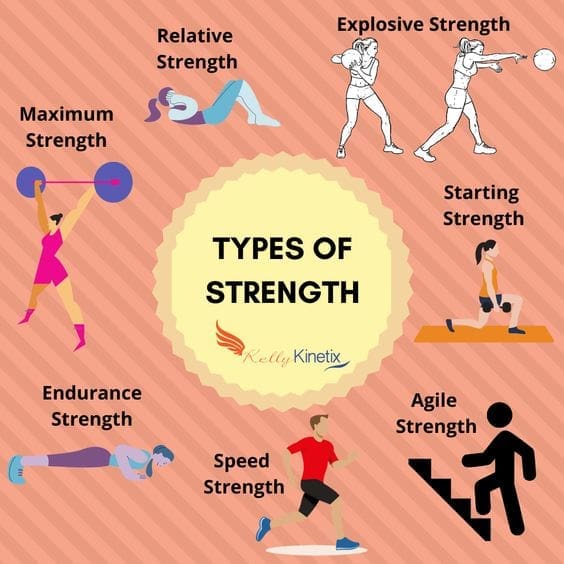
Are you ready to take your fitness journey to the next level? Building lean muscle not only helps you achieve a toned and sculpted physique, but it also boosts your metabolism and enhances your overall strength and performance. But with so many strength training exercises out there, it can be overwhelming to know where to start. That’s why we’ve done the hard work for you. In this article, we’ve compiled a list of the top 10 effective strength training exercises that will help you build lean muscle and transform your body. From squats and deadlifts to push-ups and lunges, these exercises target multiple muscle groups and are suitable for all fitness levels. Whether you’re a beginner or a seasoned gym-goer, our comprehensive guide will provide you with the knowledge and motivation you need to reach your muscle-building goals. Get ready to challenge yourself, push your limits, and achieve the physique you’ve always desired. Let’s dive in and make building lean muscle easy!   Benefits of strength training for muscle building Strength training is not just for bodybuilders or athletes. It offers a wide range of benefits that can improve your overall health and well-being. When it comes to building lean muscle, strength training is essential. Here are some of the key benefits: 1. Increased muscle mass: Strength training stimulates hypertrophy, the growth and increase in size of muscle cells. This leads to an increase in muscle mass, giving you a more defined and toned appearance. 2. Boosted metabolism: Building lean muscle increases your metabolic rate, meaning you burn more calories even at rest. This can be highly beneficial for weight management and fat loss. 3. Improved strength and performance: Strength training exercises target specific muscle groups, making them stronger and more resilient. This translates to improved performance in other physical activities, such as running, jumping, or lifting heavy objects. 4. Enhanced bone density: Strength training is not only good for your muscles but also for your bones. It helps stimulate bone growth and improves bone density, reducing the risk of osteoporosis and fractures. 5. Better posture and balance: Many strength training exercises focus on core muscles, which are essential for maintaining good posture and balance. By strengthening these muscles, you can improve your overall alignment and reduce the risk of injuries.   The science behind building lean muscle Building lean muscle is not just about lifting weights or doing endless repetitions. It requires a solid understanding of the science behind muscle growth. When you perform strength training exercises, you create micro-tears in your muscle fibres. These tears are then repaired during the recovery process, leading to muscle growth and increased strength. To maximize muscle growth, it’s important to follow these principles: 1. Progressive overload: Your muscles need to be consistently challenged in order to grow. This means gradually increasing the intensity, volume, or resistance of your workouts over time. Aim to push yourself beyond your comfort zone and progressively overload your muscles to stimulate growth. 2. Proper form and technique: Performing exercises with proper form and technique is crucial to target the intended muscles and avoid injuries. Focus on mastering the correct movement patterns before increasing the weight or intensity. 3. Rest and recovery: Rest days are just as important as your training days. During rest, your muscles repair and rebuild, leading to muscle growth. Make sure to incorporate rest days into your training program and prioritize quality sleep for optimal recovery. 10 effective strength training exercises for muscle growth Now that you understand the benefits of strength training and the science behind muscle growth, let’s dive into the top 10 effective strength training exercises that will help you build lean muscle. These exercises target multiple muscle groups and can be modified to suit your fitness level. 1. Squats: Squats are a compound exercise that targets the muscles in your lower body, including your quadriceps, hamstrings, and glutes. Start with bodyweight squats and gradually add weight as you progress. 2. Deadlifts: Deadlifts work your entire posterior chain, including your lower back, glutes, hamstrings, and calves. Focus on maintaining a neutral spine and engage your core throughout the movement. 3. Bench Press: The bench press is a classic exercise that primarily targets your chest muscles, as well as your triceps and shoulders. Start with lighter weights and gradually increase the load as you get stronger. 4. Overhead Press: The overhead press targets your shoulder and upper back muscles. It’s important to maintain proper form and avoid arching your back during the movement. 5. Pull-ups: Pull-ups are a challenging exercise that targets your back, biceps, and shoulders. If you’re unable to do a full pull-up, start with assisted pull-ups or inverted rows and gradually progress to full pull-ups. 6. Push-ups: Push-ups are a great compound exercise that targets your chest, triceps, and shoulders. Start with modified push-ups on your knees and gradually progress to full push-ups. 7. Lunges: Lunges are a unilateral exercise that targets your quadriceps, hamstrings, glutes, and calves. Focus on maintaining proper form and keeping your knees aligned with your toes. 8. Plank: Planks are an isometric exercise that targets your core muscles, including your abs, obliques, and lower back. Start with shorter holds and gradually increase the duration as you get stronger. 9. Russian Twists: Russian twists are a great exercise for targeting your obliques and improving rotational strength. Start with bodyweight twists and gradually add weight or resistance as you progress. 10. Calf Raises: Calf raises target your calf muscles and can be performed using bodyweight, dumbbells, or a calf raise machine. Focus on the full range of motion and squeeze your calf muscles at the top of the movement.   Proper form and technique for each exercise To make the most of your strength training exercises and prevent injuries, it’s crucial to perform each exercise with proper form and technique. Here are some tips for each exercise: 1. Squats: Stand with your feet shoulder-width apart, toes slightly turned out. Lower your hips back and down,

10 Effective Strength Training Exercises for Building Lean Muscle Read More »