Mastering the Art of Mindful Eating: A Guide to Nourishing Your Body and Soul
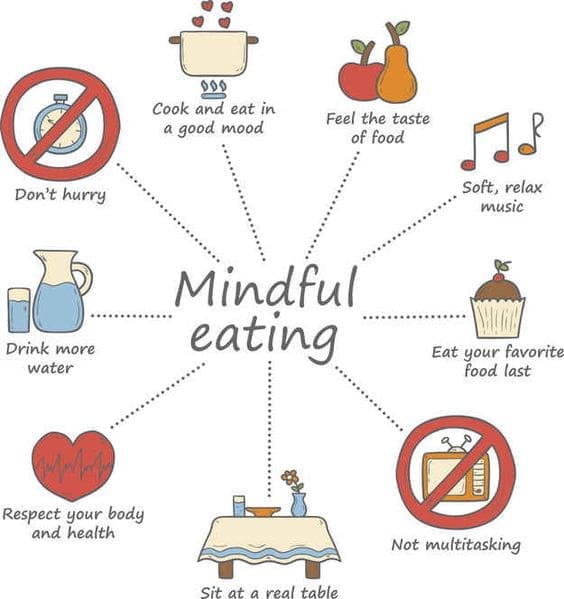
What is mindful eating? Mindful eating seeks to bridge the gap that our rapid, contemporary life has created between us and our nourishment. In the whirlwind of today’s lifestyle, meals often become rushed affairs, devoured on the move or while lost in the glow of screens. This disengagement not only paves the way for overconsumption and digestive woes but also diminishes our conscious connection to the sustenance we intake. Through the art of mindful eating, we endeavour to refocus on the profound act of nourishing ourselves At its core, mindful eating is about cultivating a greater sense of presence and mindfulness during meals. It involves paying attention to the colours, textures, and flavours of our food, as well as the physical sensations and emotions that arise while eating. By engaging all of our senses and fully immersing ourselves in the act of eating, we can develop a deeper appreciation for the nourishment our food provides and make more conscious choices about what and how much we eat. The benefits of mindful eating The practice of mindful eating offers a wide range of benefits for both our physical and mental well-being. One of the primary benefits is improved digestion. By slowing down and fully engaging with our meals, we allow our bodies to properly break down and absorb the nutrients in our food. This can lead to reduced bloating, improved nutrient absorption, and a decrease in digestive issues such as acid reflux or indigestion. Another significant benefit of mindful eating is weight management. When we eat mindfully, we become more attuned to our body’s hunger and fullness cues. This increased awareness allows us to better regulate our food intake and make more conscious choices about portion sizes. As a result, mindful eating can help prevent overeating and promote a healthier relationship with food. In addition to its physical benefits, mindful eating also has a positive impact on our mental and emotional well-being. By slowing down and savoring our meals, we create a space for relaxation and self-care. This can help reduce stress, improve mood, and enhance our overall sense of well-being. Mindful eating also encourages a non-judgmental and compassionate attitude towards ourselves and our bodies, fostering a healthier body image and promoting self-acceptance. Mindful eating and weight loss One of the common misconceptions about mindful eating is that it is solely focused on weight loss. While weight loss can be a natural byproduct of mindful eating, its true purpose is to cultivate a healthier relationship with food and our bodies. By shifting our focus from external factors such as calorie counting or restrictive diets to internal cues like hunger and fullness, we can develop a more intuitive and sustainable approach to eating. When we eat mindfully, we become more aware of our body’s true needs and can distinguish between physical hunger and emotional or environmental triggers. This awareness allows us to make conscious choices about what and how much we eat, without relying on external rules or restrictions. Over time, this intuitive approach to eating can lead to weight loss or weight maintenance, as we are better able to honor our body’s natural signals and find a balance that works for us individually. Mindful eating techniques and strategies To incorporate mindful eating into your daily life, there are several techniques and strategies you can try. One of the most effective practices is to slow down and savor each bite. Take the time to chew your food thoroughly, paying attention to the flavours and textures as you eat. This allows you to fully experience the nourishment and pleasure of eating, while also aiding digestion. Another technique is to eat without distractions. Instead of eating in front of the TV or while scrolling through your phone, create a calm and peaceful environment for your meals. This allows you to fully focus on the act of eating and be present with your food. Additionally, practicing gratitude before and after meals can help cultivate a sense of appreciation for the nourishment you are providing your body. Portion control is also an important aspect of mindful eating. Instead of mindlessly filling your plate, take a moment to assess your hunger levels and portion your food accordingly. Remember to listen to your body’s cues of fullness and stop eating when you are satisfied, rather than when your plate is empty. Tips for incorporating mindful eating into your daily life Incorporating mindful eating into your daily life may seem challenging at first, but with practice and consistency, it can become a natural and intuitive habit. Here are some tips to help you get started: Start small: Begin by incorporating mindful eating into one meal or snack each day. This allows you to focus your attention and energy on that specific eating experience and gradually expand it to other meals. Create a mindful eating ritual: Establish a routine around your meals that promotes mindfulness. This could include setting the table, lighting a candle, or taking a few deep breaths before you begin eating. Practice mindful grocery shopping: Before you even sit down to eat, practice mindfulness at the grocery store. Take your time selecting fresh, nutritious ingredients, and be present with the choices you are making. Engage your senses: Take the time to fully engage your senses while eating. Notice the colours, smells, textures, and flavours of your food. This sensory experience can enhance your enjoyment and appreciation of the meal. Cultivate a non-judgmental attitude: Approach your eating experiences with curiosity and kindness. Avoid labelling foods as “good” or “bad” and instead focus on nourishing your body and soul with a balanced and varied diet. Mindful eating and its impact on mental health In addition to its physical benefits, mindful eating has a profound impact on our mental health. By bringing mindfulness and awareness to our eating experiences, we can develop a healthier relationship with food and our bodies. This can be especially beneficial for individuals who struggle with disordered eating patterns or body image issues. By focusing
Mastering the Art of Mindful Eating: A Guide to Nourishing Your Body and Soul Read More »