
Recognizing the Signs You Need Mindfulness can help you take steps toward improving your mental and emotional well-being. Many people experience constant stress, distraction, or feelings of overwhelm in their daily lives. Mindfulness encourages slowing down and becoming more aware of thoughts and emotions, which can help restore balance and calm.
Signs You Need Mindfulness: When It May Be Time to Slow Down
Understanding the Signs You Need Mindfulness can make it easier to recognize when your mind and body need a break. Feeling constantly stressed, struggling to focus, or reacting quickly to everyday situations can all be signals that mindfulness may help. Taking time to practice mindfulness can support relaxation, improve awareness, and encourage a healthier mental state.
What is Mindfulness?
Mindfulness is the practice of being fully present and engaged in the moment, aware of your thoughts and feelings without judgment. It encourages you to focus on what’s happening right now rather than getting lost in past regrets or future worries. Adopting mindfulness can lead to reduced stress, improved emotional well-being, and a greater sense of peace.
The Science Behind Mindfulness
Studies have shown that mindfulness can positively impact various aspects of mental health. Research indicates that regular mindfulness practice can lead to changes in brain structure, enhancing areas related to focus, memory, and emotional regulation. Understanding these benefits can help you appreciate the importance of paying attention to your mental state.
Signs You Need Mindfulness
Recognizing the signs that you might need a bit more mindfulness is essential for taking the first step toward improvement. Here are some common indicators that mindfulness could be beneficial for you.
1. You Feel Constantly Overwhelmed
If you often feel as though you’re juggling too many tasks and responsibilities, take a moment to reflect. A perpetual sense of overwhelm may mean you need to slow down and focus.
Signs You Need Mindfulness: When It May Be Time to Slow Down
Understanding the Signs You Need Mindfulness can make it easier to recognize when your mind and body need a break. Feeling constantly stressed, struggling to focus, or reacting quickly to everyday situations can all be signals that mindfulness may help. Taking time to practice mindfulness can support relaxation, improve awareness, and encourage a healthier mental state. Can help you regain a sense of control over your thoughts and schedule, allowing you to approach tasks one step at a time.
2. You Are Easily Distracted
Do you find it difficult to concentrate on tasks for a long duration? Constant distractions—whether from your environment or your wandering thoughts—can significantly reduce your productivity. Practicing mindfulness can help sharpen your focus, enabling you to enhance both your work performance and personal interactions.
3. You Experience Frequent Anxiety or Stress
If anxiety and stress have become your daily companions, it might be time to incorporate mindfulness techniques into your routine. Mindfulness encourages you to acknowledge your feelings without judgment, providing you with tools to manage and lessen these overwhelming emotions.
4. Your Sleep Quality is Poor
Struggling to get a good night’s sleep? Poor sleep quality can stem from racing thoughts and stress that invade your mind at night. Mindfulness can help you create a calming bedtime routine to quiet your mind and prepare yourself for restful sleep.
5. You Tend to Ruminate
Do you find yourself stuck in a loop of negative thoughts or past events? Rumination can contribute to feelings of depression and anxiety. Mindfulness helps redirect your thoughts to the present, breaking this cycle and promoting healthier mental habits.
6. You Have Difficulty Managing Emotions
If you often find yourself reacting emotionally to situations, it may be a sign that you need mindfulness. This practice can help you cultivate emotional awareness and regulation, enabling you to respond to challenges with a clear mind.
7. You Are Missing Out on Joyful Moments
When was the last time you truly enjoyed a moment without distractions or worries? Often, we become so absorbed in our busy lives that we forget to appreciate the little things around us. Mindfulness invites you to savor these moments, fostering a deeper enjoyment in daily life.
8. You Feel Disconnected from Others
Do you feel a lack of connection with the people in your life? Mindfulness encourages empathy and enhances your ability to be present in conversations, leading to stronger, more sincere relationships.
9. You Have a Disrupted Routine
If your daily routine is often interrupted by chaos and disorganization, mindfulness may help restore order. A clear and focused mind can allow you to establish a more harmonious routine that aligns with your lifestyle and priorities.
10. You Constantly Compare Yourself to Others
Comparing yourself to others can be detrimental to your self-esteem. If you often find yourself feeling inadequate or envious, mindfulness can help you appreciate your unique journey and foster self-compassion.
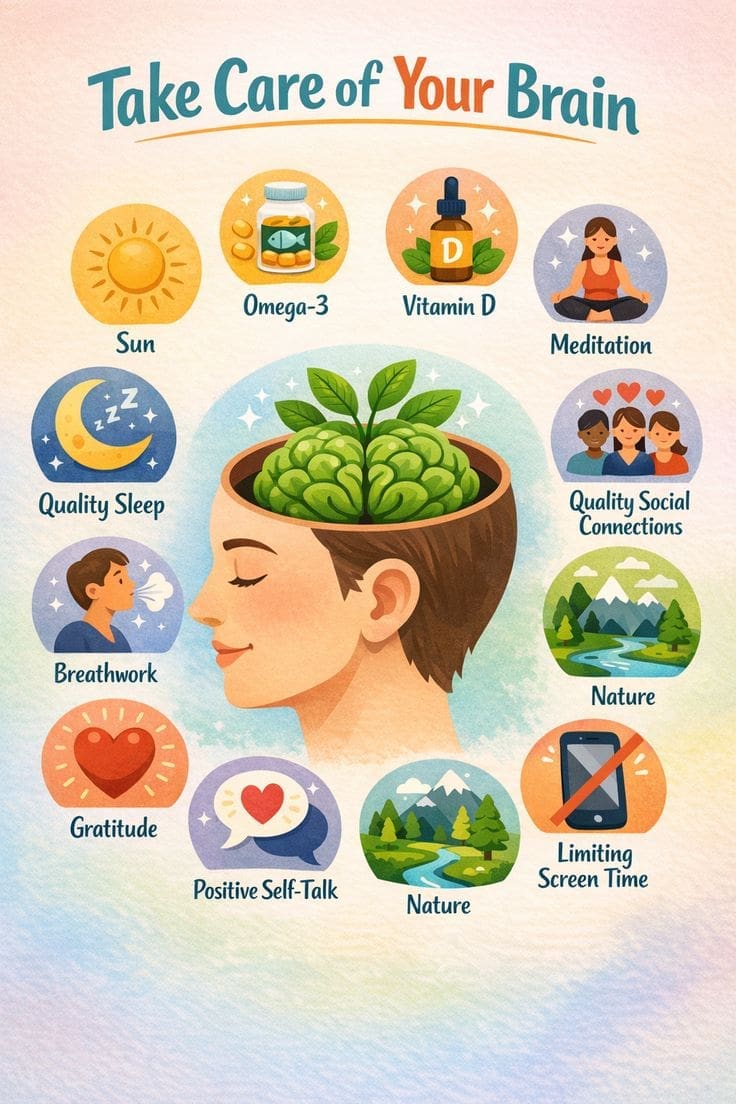
How to Incorporate Mindfulness into Your Life
Recognizing Signs You Need Mindfulness is just the beginning; understanding how to implement it can lead to meaningful changes. Here are practical steps to help you become more mindful.
1. Practice Deep Breathing
Deep breathing is one of the simplest yet most effective mindfulness practices. Take a moment to focus on your breath, inhaling deeply and exhaling fully. This process can center you, reduce stress, and promote relaxation.
| Breathing Technique | Steps |
|---|---|
| Box Breathing | 1. Inhale for 4 counts 2. Hold for 4 counts 3. Exhale for 4 counts 4. Hold for 4 counts |
| 4-7-8 Breathing | 1. Inhale for 4 counts 2. Hold for 7 counts 3. Exhale for 8 counts |
2. Meditate Regularly
Setting aside time for meditation can greatly enhance your mindfulness practice. Even a few minutes each day can cultivate a sense of calm and presence. There are various types of meditation options you could try:
- Guided Meditation: Use apps or online resources to follow along with a guided meditation.
- Mindful Walking: Take a walk and focus entirely on the sensation of your feet hitting the ground and your surroundings.
- Body Scan: Pay attention to different parts of your body in a sequence, acknowledging any tension or relaxation.
3. Limit Distractions
In our hyper-connected world, distractions abound, making it difficult to maintain mindfulness. Consider setting boundaries for technology use, such as designated times for checking emails or social media. Create a distraction-free zone when working or engaging in personal time.
4. Focus on Your Senses
Engage your senses throughout daily activities to increase your mindfulness. Notice the taste of your food, the texture of an item, or the sounds around you. This can bring your attention to the present moment and enrich your experiences.
5. Create a Mindfulness Routine
Establishing a routine centered on mindfulness can help you integrate these practices into your daily life. Consider dedicating specific times to practice mindfulness-related activities, whether that means meditation, journaling, or deep breathing exercises.
The Benefits of Mindfulness
Understanding the benefits of mindfulness can motivate you to incorporate it into your life. Here are some notable advantages you may experience:
1. Reduced Stress and Anxiety
Many people turn to mindfulness to alleviate feelings of stress and anxiety. By promoting relaxation and presence, mindfulness empowers you to manage these emotions more effectively.
2. Enhanced Emotional Regulation
Signs You Need Mindfulness helps cultivate emotional awareness, allowing you to recognize and respond to your feelings constructively. Over time, this can lead to improved emotional regulation in challenging situations.
3. Improved Focus and Concentration
Regular mindfulness practice can improve your ability to focus on tasks at hand. You will find it easier to manage distractions, leading to increased productivity and satisfaction.
4. Better Relationships
Being present and mindful can enhance the quality of your relationships. As you cultivate empathy and connection with others, your interactions become more meaningful and authentic.
5. Increased Self-Awareness
Mindfulness promotes self-exploration and awareness, leading to more profound insights about yourself and your thought patterns. This self-awareness can support personal growth and enhance your decision-making abilities.
6. Greater Resilience
Life is filled with challenges, and cultivating resilience is essential for navigating them. Mindfulness boosts your ability to face adversity with a calm and collected mind, ultimately leading to better outcomes.
Making Mindfulness a Habit
Integrating mindfulness into your daily life doesn’t have to feel overwhelming. Start small and gradually build your routine to cultivate a lasting practice.
Tips for Building Mindfulness as a Habit
- Start with Small Goals: Begin with just a few minutes of mindfulness practice each day and increase the duration as you become more comfortable.
- Set Reminders: Use phone alarms, sticky notes, or other reminders to prompt you to engage in mindfulness practices throughout your day.
- Track Your Progress: Consider keeping a mindfulness journal to reflect on your experiences, challenges, and growth as you develop your practice.
- Practice Self-Compassion: Remember that mindfulness is a skill that takes time to develop. Be gentle with yourself as you learn to integrate it into your life.
When to Seek Additional Help
While mindfulness can be beneficial for many, it might not be the complete answer if you’re grappling with more severe mental health issues. If feelings of anxiety, depression, or stress become overwhelming, consider reaching out to a mental health professional for support. They can help you explore mindfulness techniques alongside other therapeutic options tailored to your needs.
Online Resources for Mindfulness
The internet is filled with valuable resources that can support your journey into mindfulness. Here are some popular websites and apps to help you get started:
| Resource Type | Name | Description |
|---|---|---|
| Meditation Apps | Headspace | Offers guided meditations and mindfulness exercises. |
| Mindfulness Courses | Coursera | Online courses focusing on mindfulness and well-being. |
| Blogs and Articles | Mindful.org | Provides articles, tips, and research on mindfulness in everyday life. |
Conclusion
Recognizing Signs You Need Mindfulness is the first step toward making positive changes in your life. Whether it’s through managing stress, enhancing focus, or improving relationships, mindfulness can provide you with the tools to navigate daily challenges more effectively. By incorporating mindfulness into your routine, you can cultivate a more balanced, present, and fulfilling life. So why wait? Start leaning into mindfulness today and enjoy the myriad benefits it has to offer!
[hfe_template id=’4070′]