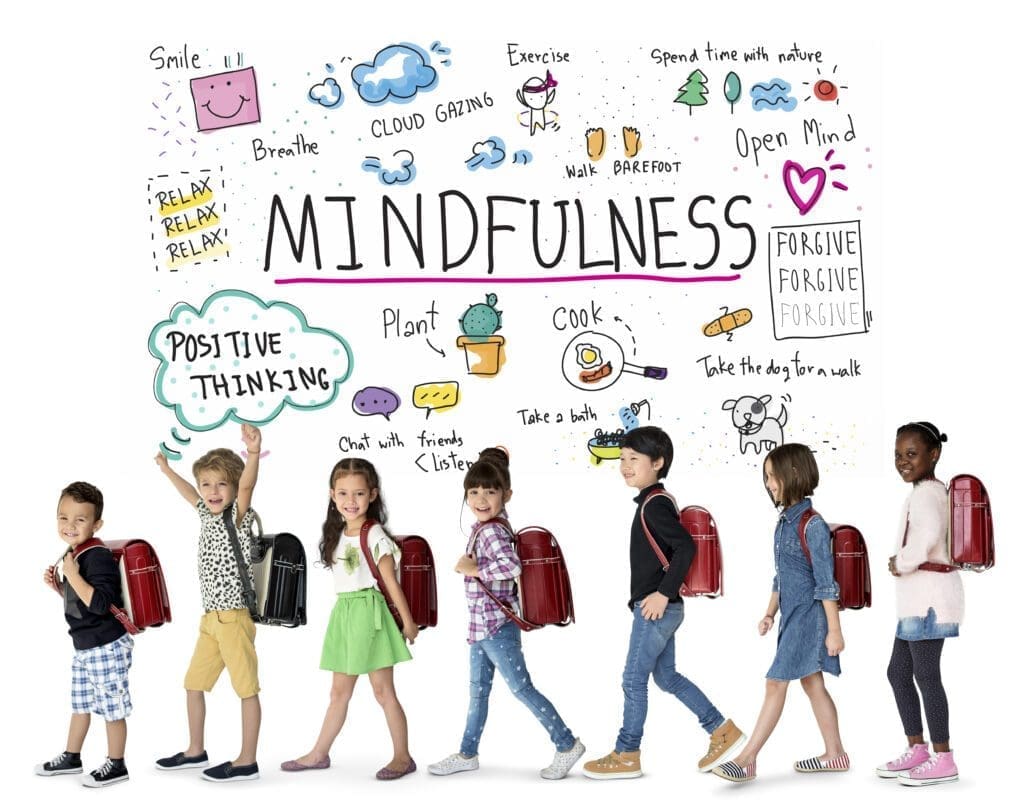
Mindfulness

mindfulness

The Benefits of Mindfulness in Children: Nurturing Mindful Kids

In today’s fast-paced and technology-driven world, it’s becoming increasingly important for children to have the tools to navigate life’s challenges with ease and resilience. That’s where mindfulness comes in. Mindfulness, a practice rooted in ancient traditions, has gained popularity in recent years for its numerous benefits for adults. But did you know that it can also be incredibly beneficial for children? In this article, we will explore the world of mindful kids and how unlocking the benefits of mindfulness can positively impact their lives. From improved focus and emotional regulation to enhanced empathy and self-awareness, mindfulness has the power to equip children with essential life skills that will serve them well into adulthood. So, whether you’re a parent, caregiver, or educator, join us on this journey as we delve into the transformative power of mindfulness in children’s lives and discover practical ways to incorporate it into their daily routines. Get ready to unlock the potential of mindful kids and watch them flourish! The Benefits of Mindfulness in Children Mindfulness offers a wide range of benefits for children, both in their personal and academic lives. One of the key advantages is improved focus and attention span. In today’s digital age, children are constantly bombarded with distractions, making it challenging for them to concentrate on tasks at hand. By practicing mindfulness, children learn to bring their attention back to the present moment, enhancing their ability to focus and ignore distractions. This can lead to improved academic performance and better learning outcomes. Another significant benefit of mindfulness is the development of emotional regulation skills. Children often struggle with managing their emotions, leading to outbursts or difficulty in expressing themselves. Mindfulness helps children become more aware of their emotions, teaching them to observe their feelings without judgment. By cultivating this awareness, children gain the ability to respond rather than react to challenging situations, leading to more controlled and healthier emotional responses. Additionally, mindfulness fosters the development of empathy and compassion in children. By learning to be present and attentive, children become more attuned to the feelings and experiences of others. This heightened sense of empathy enables them to understand and connect with others on a deeper level, promoting positive relationships and a sense of community. The Science Behind Mindfulness in Children The benefits of mindfulness in children are not just anecdotal; they are backed by scientific research. Studies have shown that regular mindfulness practice can lead to structural changes in the brain, particularly in areas associated with attention, emotional regulation, and empathy. MRI scans have revealed increased gray matter density in these regions, indicating improved neural connections and functionality. Furthermore, research has demonstrated the positive impact of mindfulness on stress reduction in children. By practicing mindfulness, children learn to activate their body’s relaxation response, counteracting the effects of stress hormones like cortisol. This can help alleviate anxiety, promote better sleep, and improve overall well-being. The science behind mindfulness in children is still emerging, but the evidence so far suggests that incorporating mindfulness into their lives can have profound and lasting effects on their physical, mental, and emotional health. How to Introduce Mindfulness to Children Introducing mindfulness to children can be a fun and engaging process. Here are some practical ways to get started: 1. Lead by example: Children learn best by observing and imitating. Incorporate mindfulness into your own daily routine, and let them see you practicing it regularly. 2. Start with short sessions: Begin with short mindfulness sessions, gradually increasing the duration as your child becomes more comfortable. Use guided mindfulness apps or videos specifically designed for children to make it more interactive and enjoyable. 3. Make it playful: Engage children’s imagination by turning mindfulness into a game. For example, you can ask them to imagine being a tree, with their feet as roots firmly planted in the ground. 4. Use props: Props like breathing buddies or mindfulness jars can be helpful in teaching children about breath awareness and managing their emotions. Remember to be patient and flexible, as each child’s journey into mindfulness will be unique. Encourage them to embrace the practice at their own pace and provide a safe and non-judgmental space for them to explore their experiences. Mindfulness Exercises for Kids There are various mindfulness exercises that can be adapted for children of different ages. Here are a few examples: 1. Breathing exercises: Teach children to focus on their breath by counting inhales and exhales or by using visualizations like imagining they are blowing bubbles. 2. Body scan: Guide children in paying attention to different parts of their body, starting from their toes and moving up to their head. This exercise helps them develop body awareness and relax their muscles. 3. Gratitude practice: Encourage children to express gratitude by writing or drawing about things they are thankful for each day. This cultivates a positive mindset and appreciation for the present moment. 4. Mindful eating: Teach children to savor their food by engaging their senses. Encourage them to notice the texture, taste, and smell of each bite, fostering a deeper connection with their meals. These exercises can be incorporated into daily routines or used during specific times, such as before bed or after school. The key is to make mindfulness a regular part of their lives, allowing them to reap the full benefits. Mindful Parenting: Incorporating Mindfulness into Daily Routines Mindful parenting involves being present and attentive to our children’s needs and experiences. Here are some ways to incorporate mindfulness into your daily routines as a parent: 1. Morning mindfulness: Begin the day by setting an intention and taking a few moments to connect with your child. This can be done through a short mindfulness practice or by simply engaging in a meaningful conversation. 2. Mealtime mindfulness: Create a mindful eating environment by turning off distractions, sitting together as a family, and encouraging everyone to savor their food mindfully. Use this time to connect and engage in meaningful conversations. 3. Bedtime mindfulness: Establish a calming bedtime routine that includes mindfulness

The Benefits of Mindfulness in Children: Nurturing Mindful Kids Read More »

Achieve Inner Peace: How Mindfulness for Adults can Transform Your Life

Challenge of attaining mindfulness in todays hectic and fast moving world In today’s fast-paced and hectic world, achieving inner peace has become a challenge for many adults. However, there is a powerful tool that can help transform your life and bring you closer to inner peace: mindfulness. Mindfulness is the ability to be fully present and aware of our surroundings without being reactive or overwhelmed. When we practice mindfulness, we can reshape the physical structure of our brain, leading to a more peaceful and balanced state of mind. One way to cultivate mindfulness is through meditation. Meditation is a way to explore and understand our thoughts, sensations, and emotions. By focusing our attention on the present moment and observing it without judgment, we can develop a deeper understanding of ourselves and the world around us. There are various techniques that can be used during meditation, such as body scans, mindful moments, and breath awareness. These techniques help us become more in tune with our bodies and minds, allowing us to let go of stress and find inner peace. Cultivating Mindfulness Through Meditation: Exploring the Path to Inner Harmony Practicing mindfulness and meditation may require time and effort, but the rewards are well worth it. By incorporating these practices into your daily routine, you can experience a range of benefits that can transform your life. One of the benefits is reduced stress. Mindfulness allows us to detach from stressful thoughts and emotions, helping us to approach challenges with a calm and clear mind. This can lead to improved mental and emotional well-being. Furthermore, mindfulness can enhance our relationships with others. When we are fully present in the moment, we are better able to listen and communicate effectively. This can strengthen our connections with loved ones and foster a sense of harmony in our relationships. Additionally, practicing mindfulness can improve our overall sense of happiness and fulfillment. By cultivating self-understanding and wisdom through mindfulness, we can align our actions with our values and live a more meaningful life. Getting started with mindfulness is easier than you might think. There are numerous resources available that can guide you through the process. Whether it’s through books, online courses, or mindfulness apps, you can find a method that suits your preferences and fits into your daily routine. It’s important to remember that mindfulness is a practice that requires consistency and patience. The more you engage in mindfulness and meditation, the more you will reap the benefits and transform your life. Benefits of Mindfulness: Reducing Stress and Cultivating Emotional Well-being In conclusion, mindfulness for adults is a powerful tool that can help you achieve inner peace and transform your life. By practicing mindfulness and meditation, you can develop a deeper understanding of yourself and the world around you, reduce stress, improve relationships, and enhance your overall well-being. Take the time to incorporate mindfulness into your daily routine and watch as it brings balance, peace, and fulfillment to your life. This article has provided you with important tips on how to begin your journey toward mindfulness. Ultimately, mindfulness isn’t about changing who you are. It’s about learning how to live in the moment. By observing your thoughts, feelings, and experiences as they happen, you can gain a more effective understanding of yourself and the world around you. When you do this, you’ll experience a sense of calm, inner peace, and an increased sense of connection with the people in your life.

Achieve Inner Peace: How Mindfulness for Adults can Transform Your Life Read More »

mindfulness

Exploring Mindfulness Practice: Your Path to Balance and Meaning

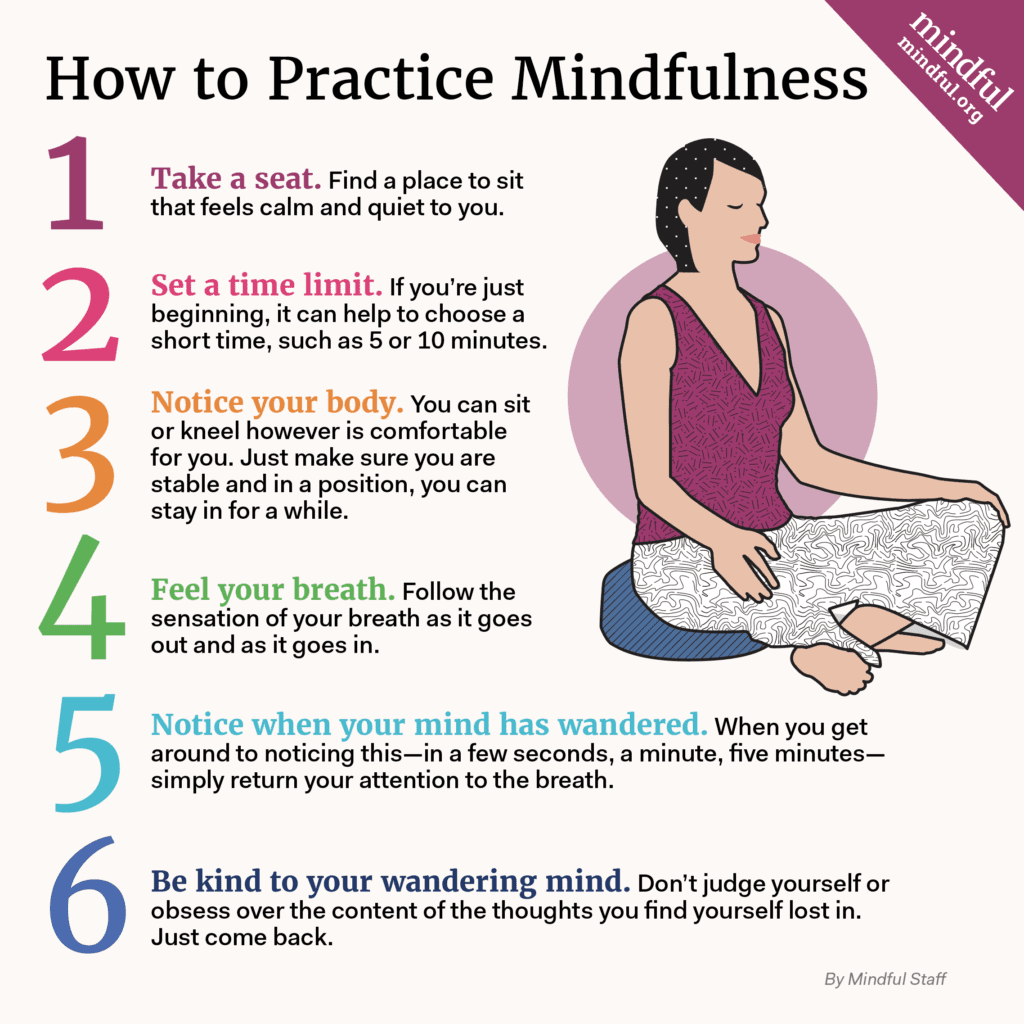
Introduction to Mindfulness Practice In today’s fast-paced and hectic world, finding balance and meaning in our lives has become more important than ever. One powerful tool that can help us achieve this is mindfulness practice. But what exactly is mindfulness practice? Mindfulness practice is the intentional act of bringing our attention to the present moment, without judgment. It involves being fully aware of our thoughts, feelings, bodily sensations, and the surrounding environment. By cultivating mindfulness practice, we can develop a deeper understanding of ourselves and the world around us, leading to a more balanced and meaningful life. What is Mindfulness? Mindfulness is the art of paying attention on purpose. It is about being fully present in the here and now, rather than being lost in thoughts about the past or worries about the future. By directing our attention to the present moment, we can experience life more fully and deeply. Mindfulness is not about trying to change our thoughts or feelings, but rather about accepting them as they are, without judgment. It is about developing a non-reactive and compassionate stance towards ourselves and others. The Benefits of Practicing Mindfulness The practice of mindfulness offers a wide range of benefits for our physical, mental, and emotional well-being. Research has shown that regular mindfulness practice can reduce stress, anxiety, and depression. It can also improve our attention span, cognitive abilities, and overall happiness. By cultivating mindfulness, we can become more aware of our automatic patterns of thinking and behaving, and gain the ability to respond to life’s challenges with greater clarity and wisdom. Mindfulness also enhances our relationships by improving our ability to listen, empathize, and communicate effectively. Mindfulness for Beginners: How to Start Practicing Mindfulness If you’re new to mindfulness, getting started can feel overwhelming. But the good news is that mindfulness is a skill that can be developed with practice. Here are a few simple steps to help you begin your mindfulness journey: Set aside some dedicated time each day for mindfulness practice. Start with just a few minutes and gradually increase the duration as you become more comfortable. Find a quiet and comfortable place where you can sit or lie down without distractions. Close your eyes or keep them open, whatever feels more natural to you. Bring your attention to your breath. Notice the sensation of the breath as it enters and leaves your body. Whenever your mind wanders, gently bring it back to the breath without judgment. Expand your awareness to include other sensations in your body, such as any tension or discomfort. Observe these sensations without trying to change them. Notice any thoughts or emotions that arise, but don’t get caught up in them. Simply observe them as passing phenomena, like clouds in the sky. By practicing these simple steps, you can begin to develop a foundation of mindfulness in your life. Mindfulness Exercises for Everyday Life While dedicated meditation practice is an essential part of mindfulness, it’s also important to bring mindfulness into our everyday activities. Here are a few mindfulness exercises you can incorporate into your daily life: Mindful Eating: Pay attention to the taste, texture, and smell of your food. Chew slowly and savor each bite. Mindful Walking: Notice the sensation of your feet touching the ground with each step. Be aware of the sights, sounds, and smells around you as you walk. Mindful Listening: When someone is speaking to you, give them your full attention. Listen without interrupting or thinking about what you’re going to say next. Mindful Breathing: Throughout the day, take a few moments to pause and bring your attention to your breath. Notice the sensation of the breath as it enters and leaves your body. By integrating these mindfulness exercises into your daily routine, you can bring a greater sense of presence and awareness to each moment. Mindfulness in Plain English: Understanding the Core Principles To deepen your understanding of mindfulness, it can be helpful to explore the core principles behind the practice. Mindfulness is based on several key principles: Non-judgment: Cultivating a non-judgmental attitude towards our experiences allows us to observe them without getting caught up in self-criticism or self-blame. Acceptance: Accepting things as they are, without trying to change them, creates a sense of inner peace and contentment. Beginner’s Mind: Approaching each moment with a sense of curiosity and openness, as if experiencing it for the first time, helps us break free from our preconceived notions and biases. Letting Go: Letting go of attachment to thoughts, emotions, and outcomes allows us to experience greater freedom and ease. By embodying these core principles in our daily lives, we can cultivate a deeper sense of mindfulness and live more fully in the present moment. Mindfulness and Stress Reduction One of the key benefits of mindfulness is its ability to reduce stress. When we practice mindfulness, we become more aware of our stress triggers and learn to respond to them in a more skillful way. By cultivating a non-reactive and compassionate stance towards our stressors, we can break free from the cycle of reactivity and create a sense of calm and ease. Mindfulness also helps us develop a greater capacity to tolerate stress and bounce back from challenging situations. Mindfulness and Emotional Well-being Mindfulness can also have a profound impact on our emotional well-being. By bringing our attention to our thoughts and emotions, we can develop a greater understanding of their underlying causes and patterns. This awareness allows us to respond to our emotions in a more skillful way, rather than reacting impulsively. Mindfulness also helps us cultivate a sense of self-compassion and acceptance, which can lead to greater emotional resilience and happiness. Mindfulness and Improved Focus and Productivity In today’s digital age, distractions are everywhere, making it challenging to stay focused and productive. Mindfulness can help us train our attention and improve our ability to concentrate. By practicing mindfulness, we become more aware of our wandering mind and learn to bring our attention back to the task at hand.

Exploring Mindfulness Practice: Your Path to Balance and Meaning Read More »

walking meditation

The Art of Mindful Walking: How to Find Peace and Clarity with Every Step

In an ever-busy world, the practice of mindful walking offers a much-needed respite. Amidst a barrage of relentless thoughts and daily distractions, this meditative walking technique invites us to ground ourselves in the present. This article will illuminate the nuances of mindful walking, highlighting its manifold benefits and how it stands apart from conventional walking. Additionally, you’ll receive hands-on advice to seamlessly integrate mindful walking into your regular routine. What is Mindful Walking? Mindful walking is the practice of walking with intention and awareness. It involves focusing our attention on the physical sensations of walking – the feeling of our feet touching the ground, the rhythm of our breath, and the movement of our body. By bringing our attention to the present moment, we can cultivate a sense of calm and clarity. The Benefits of Mindful Walking Mindful walking offers a multitude of benefits for both our physical and mental well-being. Firstly, it provides an opportunity to slow down and take a break from the busyness of our lives. As we walk mindfully, we can let go of our worries and anxieties, allowing our minds to become more clear and focused. In addition, mindful walking can help improve our physical health. It promotes better posture and balance, strengthens our muscles, and increases our overall fitness levels. Regular mindful walking has also been shown to reduce the risk of chronic conditions such as heart disease and diabetes. Mindful Walking vs. Regular Walking At first glance, mindful walking may seem similar to regular walking. However, there is a key difference – the level of awareness and intentionality. When we walk mindfully, we are fully present in the moment, paying attention to the sensations of our body and the environment around us. Regular walking, on the other hand, often involves being lost in thought or distracted by external stimuli. Mindful walking is about quality, not quantity. It’s not about how many steps we take, but rather how we take each step. By practicing mindful walking, we can transform a simple act into a meditative experience. How to Practice Mindful Walking Meditation Practicing mindful walking meditation is simple, yet it requires our full commitment and attention. Here’s a step-by-step guide to help you get started: Find a quiet and peaceful place to walk. It could be a park, a beach, or even just a quiet street in your neighbourhood. Stand still for a moment and take a few deep breaths. Feel the ground beneath your feet and become aware of your body. Start walking slowly and deliberately. Pay attention to the sensations in your feet – the pressure, the movement, and the contact with the ground. As you walk, bring your attention to your breath. Notice the rhythm of your breath and how it synchronizes with your steps. If your mind starts to wander, gently bring your attention back to the present moment. Focus on the physical sensations of walking and the surrounding environment around you. Continue walking mindfully for a duration that feels comfortable to you. It could be just a few minutes or even longer. When you’re ready to finish, stand still again and take a moment to reflect on your experience. Notice any changes in your body and mind. Mindful Walking Tips for Beginners If you’re new to mindful walking, here are some tips to help you get started: Start small: Begin with short walks of 10–15 minutes, and gradually increase the duration as you become more comfortable with the practice. Find your rhythm: Walk at a pace that feels natural to you. There’s no need to rush or force yourself to walk faster than you’re comfortable with. Use your senses: Engage all your senses as you walk. Notice the sights, sounds, smells, and textures around you. This will help to anchor you in the present moment. Let go of judgment: Practice non-judgment and acceptance as you walk. Be kind and patient with yourself, and let go of any expectations or self-criticism. Practice regularly: Like any skill, mindful walking requires practice. Try to incorporate it into your daily routine, even if it’s just for a few minutes each day. Mindful Walking for Stress Relief One of the most powerful benefits of mindful walking is its ability to reduce stress and promote relaxation. When we walk mindfully, we activate our parasympathetic nervous system, which is responsible for the “rest and digest” response. This helps to counteract the effects of stress and induces a state of calm and tranquility. To make your mindful walking practice even more effective for stress relief, consider incorporating breathing exercises. As you walk, take slow, deep breaths, and focus on exhaling fully. This will help to release tension and bring a sense of calm to your body and mind. Incorporating Mindfulness into Your Daily Walk Even if you don’t have the time or opportunity to dedicate a specific practice to mindful walking, you can still incorporate mindfulness into your daily walk. Here are some simple techniques to try: Walk with gratitude: As you walk, bring to mind things that you are grateful for. This can be as simple as appreciating the beauty of nature or being thankful for your healthy body. Walk with curiosity: Approach your walk with a sense of curiosity and wonder. Notice the small details of your surroundings and allow yourself to be fully present in the moment. Walk with kindness: Practice acts of kindness as you walk. Smile at strangers, offer a helping hand, or simply send loving-kindness thoughts to those you encounter. By infusing your daily walk with mindfulness, you can transform it into a nourishing and enriching experience. Mindful Walking Techniques for Better Focus and Clarity Mindful walking can be a powerful tool for enhancing focus and clarity. By directing our attention to the present moment, we can train our minds to become more focused and less prone to distraction. Here are some mindful walking techniques to help improve your focus: Count your steps: As you walk, count each step silently

The Art of Mindful Walking: How to Find Peace and Clarity with Every Step Read More »

Balanced Nutrition

Mastering the Art of Mindful Eating: A Guide to Nourishing Your Body and Soul

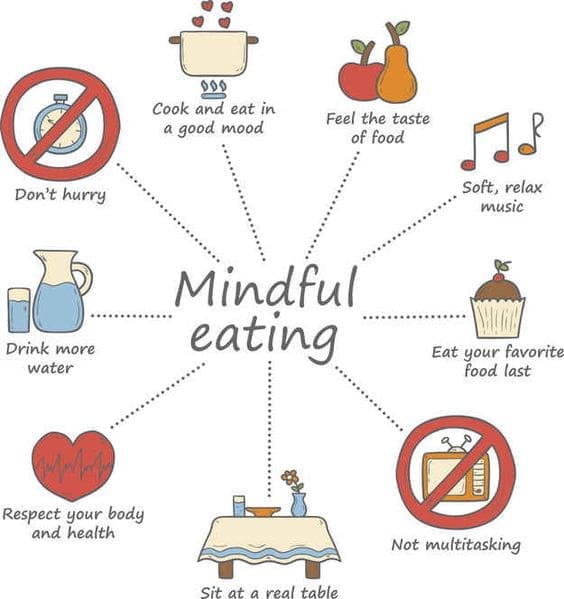
What is mindful eating? Mindful eating seeks to bridge the gap that our rapid, contemporary life has created between us and our nourishment. In the whirlwind of today’s lifestyle, meals often become rushed affairs, devoured on the move or while lost in the glow of screens. This disengagement not only paves the way for overconsumption and digestive woes but also diminishes our conscious connection to the sustenance we intake. Through the art of mindful eating, we endeavour to refocus on the profound act of nourishing ourselves At its core, mindful eating is about cultivating a greater sense of presence and mindfulness during meals. It involves paying attention to the colours, textures, and flavours of our food, as well as the physical sensations and emotions that arise while eating. By engaging all of our senses and fully immersing ourselves in the act of eating, we can develop a deeper appreciation for the nourishment our food provides and make more conscious choices about what and how much we eat. The benefits of mindful eating The practice of mindful eating offers a wide range of benefits for both our physical and mental well-being. One of the primary benefits is improved digestion. By slowing down and fully engaging with our meals, we allow our bodies to properly break down and absorb the nutrients in our food. This can lead to reduced bloating, improved nutrient absorption, and a decrease in digestive issues such as acid reflux or indigestion. Another significant benefit of mindful eating is weight management. When we eat mindfully, we become more attuned to our body’s hunger and fullness cues. This increased awareness allows us to better regulate our food intake and make more conscious choices about portion sizes. As a result, mindful eating can help prevent overeating and promote a healthier relationship with food. In addition to its physical benefits, mindful eating also has a positive impact on our mental and emotional well-being. By slowing down and savoring our meals, we create a space for relaxation and self-care. This can help reduce stress, improve mood, and enhance our overall sense of well-being. Mindful eating also encourages a non-judgmental and compassionate attitude towards ourselves and our bodies, fostering a healthier body image and promoting self-acceptance. Mindful eating and weight loss One of the common misconceptions about mindful eating is that it is solely focused on weight loss. While weight loss can be a natural byproduct of mindful eating, its true purpose is to cultivate a healthier relationship with food and our bodies. By shifting our focus from external factors such as calorie counting or restrictive diets to internal cues like hunger and fullness, we can develop a more intuitive and sustainable approach to eating. When we eat mindfully, we become more aware of our body’s true needs and can distinguish between physical hunger and emotional or environmental triggers. This awareness allows us to make conscious choices about what and how much we eat, without relying on external rules or restrictions. Over time, this intuitive approach to eating can lead to weight loss or weight maintenance, as we are better able to honor our body’s natural signals and find a balance that works for us individually. Mindful eating techniques and strategies To incorporate mindful eating into your daily life, there are several techniques and strategies you can try. One of the most effective practices is to slow down and savor each bite. Take the time to chew your food thoroughly, paying attention to the flavours and textures as you eat. This allows you to fully experience the nourishment and pleasure of eating, while also aiding digestion. Another technique is to eat without distractions. Instead of eating in front of the TV or while scrolling through your phone, create a calm and peaceful environment for your meals. This allows you to fully focus on the act of eating and be present with your food. Additionally, practicing gratitude before and after meals can help cultivate a sense of appreciation for the nourishment you are providing your body. Portion control is also an important aspect of mindful eating. Instead of mindlessly filling your plate, take a moment to assess your hunger levels and portion your food accordingly. Remember to listen to your body’s cues of fullness and stop eating when you are satisfied, rather than when your plate is empty. Tips for incorporating mindful eating into your daily life Incorporating mindful eating into your daily life may seem challenging at first, but with practice and consistency, it can become a natural and intuitive habit. Here are some tips to help you get started: Start small: Begin by incorporating mindful eating into one meal or snack each day. This allows you to focus your attention and energy on that specific eating experience and gradually expand it to other meals. Create a mindful eating ritual: Establish a routine around your meals that promotes mindfulness. This could include setting the table, lighting a candle, or taking a few deep breaths before you begin eating. Practice mindful grocery shopping: Before you even sit down to eat, practice mindfulness at the grocery store. Take your time selecting fresh, nutritious ingredients, and be present with the choices you are making. Engage your senses: Take the time to fully engage your senses while eating. Notice the colours, smells, textures, and flavours of your food. This sensory experience can enhance your enjoyment and appreciation of the meal. Cultivate a non-judgmental attitude: Approach your eating experiences with curiosity and kindness. Avoid labelling foods as “good” or “bad” and instead focus on nourishing your body and soul with a balanced and varied diet. Mindful eating and its impact on mental health In addition to its physical benefits, mindful eating has a profound impact on our mental health. By bringing mindfulness and awareness to our eating experiences, we can develop a healthier relationship with food and our bodies. This can be especially beneficial for individuals who struggle with disordered eating patterns or body image issues. By focusing

Mastering the Art of Mindful Eating: A Guide to Nourishing Your Body and Soul Read More »

How to Practice Mindfulness

The Power of Mindfulness: Benefits for Physical and Mental Well-being

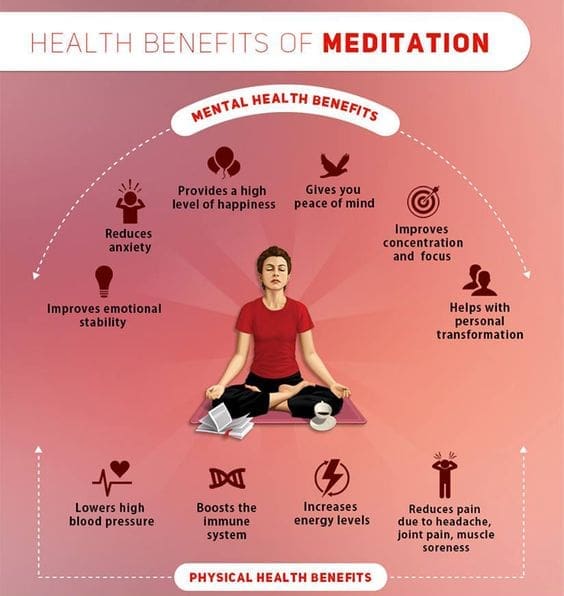
Unlock the Power of Mindfulness to navigate through the chaos of daily life and embrace a path that leads to genuine mental and physical well-being. By integrating mindfulness into our routine, not only do we connect with the present moment, enhancing our daily experiences, but we also unlock a realm where simple joys become the source of our happiness. Let’s explore together how mindfulness fortifies our mental and physical state, guiding us towards a balanced and enriched life Understanding Mindfulness: Mindfulness is the practice of intentionally focusing our attention on the present moment, without judgment. It involves being fully aware of our thoughts, feelings, bodily sensations, and the environment around us. This ancient practice has its roots in Buddhism but has gained significant attention in the scientific community for its profound effects on stress reduction, happiness, and overall health. The Mind-Body Connection: The mind and body are intricately connected, and when one is out of balance, it can impact the other. Mindfulness acts as a bridge, allowing us to cultivate a deeper connection between our thoughts, emotions, and physical sensations. By becoming more attuned to our bodies, we can better understand and address any physical discomfort or imbalances that may arise. The Science Behind Mindfulness: Numerous scientific studies have shown the effectiveness of mindfulness in improving both physical and mental health. One study conducted by Jon Kabat-Zinn, a renowned mindfulness expert, found that individuals who practiced mindfulness experienced significant reductions in symptoms of depression, anxiety, and chronic pain. Another study showed that mindfulness-based interventions were effective in reducing blood pressure and improving heart health. The Benefits of Mindfulness: The benefits of mindfulness are far-reaching and can positively impact various aspects of our lives. Let’s explore some of the remarkable advantages that come with incorporating mindfulness practices into our daily routine. 1. Enhanced Emotional Well-being: Mindfulness strengthens our emotional well-being by increasing our capacity to be fully present and engaged in the present moment. It allows us to savor life’s pleasures as they occur, fostering a greater appreciation for the simple joys that surround us. By practicing mindfulness, we can develop a greater resilience to adversity, reducing worries about the future or regrets about the past. This heightened emotional well-being also helps to form deeper connections with others, fostering more meaningful relationships. 2. Improved Physical Health: Beyond its impact on emotional well-being, mindfulness has been shown to improve physical health in numerous ways. It has been found to alleviate stress, a common precursor to many physical ailments. Regular mindfulness practice has also been linked to a reduction in heart disease risk factors, such as high blood pressure. Additionally, mindfulness can help relieve chronic pain, enhance sleep quality, and alleviate gastrointestinal difficulties. 3. Mental Health Benefits: Mindfulness has gained significant recognition as a valuable tool in the treatment of various mental health conditions. Studies have shown that mindfulness-based interventions are effective in reducing symptoms of depression, anxiety, substance abuse, eating disorders, and obsessive-compulsive disorder. By cultivating a non-judgmental awareness of our thoughts and emotions, mindfulness allows us to develop healthier coping mechanisms and a more positive outlook on life. How Mindfulness Works: To fully understand the benefits of mindfulness, it’s important to explore how it works. Mindfulness helps us accept our experiences, including painful emotions, without reacting to them with aversion or avoidance. By observing our thoughts and emotions without judgment, we can gain a greater perspective on them, allowing us to respond to them more effectively. Combining Mindfulness with Psychotherapy: Mindfulness meditation is often combined with psychotherapy, particularly cognitive-behavioural therapy (CBT). This integration makes sense, as both practices aim to help individuals gain perspective on irrational thoughts and develop healthier cognitive patterns. By incorporating mindfulness into therapy sessions, individuals can learn to cultivate a non-judgmental awareness that supports their mental well-being. Mindfulness Techniques: There are various techniques to practice mindfulness, and the goal of each is to achieve a state of focused relaxation by paying deliberate attention to our thoughts and sensations. Here are some commonly used mindfulness techniques: 1. Basic Mindfulness Meditation: One of the fundamental mindfulness practices is basic mindfulness meditation. Start by sitting quietly and focusing on your natural breathing or repeating a word or mantra silently. Allow thoughts to come and go without judgment, gently returning your attention to your breath or mantra. This practice helps to cultivate a sense of presence and awareness in the present moment. 2. Body Sensations: Another mindfulness technique involves noticing subtle body sensations, such as itching or tingling, without judgment. Take the time to observe each part of your body, from head to toe, paying attention to the physical sensations that arise. 3. Sensory Awareness: Engaging our senses is an effective way to practice mindfulness. Notice the sights, sounds, smells, tastes, and touches in your environment, labeling them without judgment, and allowing them to pass. 4. Emotion Acceptance: Mindfulness teaches us to allow emotions to be present without judgment. Practice naming your emotions, such as “joy,” “anger,” or “frustration,” and accept their presence without trying to suppress or control them. By embracing our emotions, we can develop a healthier relationship with them. 5. Urge Surfing: For those struggling with cravings or addictive behaviours, urge surfing can be a powerful mindfulness technique. Instead of fighting against cravings, mindfully observe how they manifest in your body. Replace the desire for the craving to go away with the knowledge that it will eventually subside. Mindfulness Meditation and Other Practices: Mindfulness can be cultivated through mindfulness meditation, a systematic approach to focusing our attention. While you can learn to meditate on your own through books or audio guides, seeking the support of an instructor or group can be beneficial. They can answer your questions, provide guidance, and help you stay motivated on your mindfulness journey. Getting Started: If you’re new to mindfulness meditation, it’s recommended to start with shorter sessions, gradually increasing the duration over time. Begin by finding a quiet and comfortable space, then follow these steps: Sit on a straight-backed chair or cross-legged

The Power of Mindfulness: Benefits for Physical and Mental Well-being Read More »

Meditation Techniques

The Science-Backed Benefits of Mindfulness: How Being Present Can Transform Your Life

How Being Present Can Transform Your Life Welcome to a journey of self-discovery and transformation. In a world that constantly demands our attention, finding moments of peace and clarity can seem like an impossible task. But what if I told you that the key to unlocking a more fulfilling and meaningful life lies in the simple act of being present? Enter mindfulness – a practice rooted in ancient wisdom and backed by modern science. In this captivating exploration, we will delve into the science-backed benefits of mindfulness and discover how it can profoundly impact our physical and mental well-being. From reducing stress and anxiety to enhancing focus and creativity, mindfulness has the power to reshape our relationship with ourselves and the world around us. So, prepare to embark on a transformative journey as we uncover the secrets of mindfulness and learn how this practice can help us cultivate a deeper sense of joy, peace, and fulfillment in our lives. Let’s embark on this remarkable adventure together! The Science Behind Mindfulness Mindfulness is more than just a passing trend; it is a scientifically proven practice that has gained recognition in the fields of psychology and neuroscience. Research has shown that mindfulness can have a profound impact on our brain’s structure and function. Studies using functional magnetic resonance imaging (fMRI) have revealed that regular mindfulness practice can increase the size of the prefrontal cortex, the region responsible for executive functions such as attention, self-awareness, and emotional regulation. Furthermore, mindfulness has been found to decrease activity in the amygdala, the part of the brain responsible for the fight-or-flight response. This reduction in amygdala activity has been linked to a decrease in stress and anxiety levels. The science behind mindfulness is fascinating, and it provides a strong foundation for understanding the benefits that this practice can offer. Benefits of Mindfulness for Mental Health One of the most significant benefits of mindfulness is its positive impact on mental health. Numerous studies have shown that mindfulness can help reduce symptoms of depression and anxiety. By cultivating present-moment awareness, individuals can gain a greater sense of control over their thoughts and emotions. Mindfulness allows us to observe our thoughts without judgment, which can help break the cycle of rumination and negative self-talk that often accompanies mental health challenges. Moreover, mindfulness has been found to enhance emotional well-being by increasing positive emotions and decreasing negative emotions. This practice can help individuals become more attuned to their emotions, allowing them to respond to challenging situations with greater resilience and flexibility. Additionally, mindfulness has been shown to improve sleep quality, boost self-esteem, and increase overall life satisfaction. The benefits of mindfulness for mental health are wide-ranging and can have a transformative impact on our well-being. Benefits of Mindfulness for Physical Health While mindfulness is primarily associated with mental health, its benefits extend to physical health as well. Research has shown that mindfulness can help reduce blood pressure, lower heart rate, and improve immune function. By reducing stress and anxiety, mindfulness can have a positive impact on our physiological responses, leading to improved overall health. Furthermore, mindfulness has been found to contribute to pain management. Chronic pain can be debilitating and significantly impact one’s quality of life. However, studies have shown that mindfulness-based interventions can help individuals cope with pain and reduce their perception of pain severity. By shifting our attention away from the pain and focusing on the present moment, mindfulness can provide relief and improve our ability to manage pain. In addition to physical health benefits, mindfulness has also been found to support healthy eating habits and weight management. By bringing awareness to our eating behaviours and the sensations of hunger and fullness, mindfulness can help individuals develop a more mindful approach to eating, leading to healthier choices and improved overall well-being. Mindfulness and Stress Reduction Stress has become a prevalent issue in today’s fast-paced world, and finding effective ways to manage it is essential for our well-being. Mindfulness has emerged as a powerful tool for stress reduction. By focusing our attention on the present moment, mindfulness can help us break free from the cycle of worry and rumination that often accompanies stress. Research has shown that mindfulness-based stress reduction programs can significantly reduce perceived stress levels and improve overall resilience. By practicing mindfulness, individuals can become more aware of their stress triggers and develop healthier coping mechanisms. Mindfulness allows us to respond to stressors with greater calmness and clarity, enabling us to navigate challenging situations more effectively. Mindfulness and Emotional Well-being Our emotions play a significant role in our daily lives, influencing our thoughts, behaviours, and overall well-being. Mindfulness can help us cultivate a healthier relationship with our emotions by fostering greater self-awareness and acceptance. By observing our emotions without judgment, we can develop a more compassionate and non-reactive approach to our internal experiences. Studies have shown that mindfulness-based interventions can reduce symptoms of depression and anxiety by promoting emotional regulation and resilience. By becoming more attuned to our emotions, we can better understand their underlying causes and make conscious choices about how to respond to them. Mindfulness allows us to create a space between our emotions and our reactions, giving us the freedom to choose more adaptive and constructive responses. Mindfulness and Improved Cognitive Function In addition to its impact on mental and emotional well-being, mindfulness has been found to enhance cognitive function. Studies have shown that mindfulness practice can improve attention, working memory, and cognitive flexibility. By training our minds to focus on the present moment, mindfulness can help us overcome distractions and improve our ability to concentrate. Research has also demonstrated that mindfulness can enhance creativity. By quieting the mind and cultivating a state of open awareness, mindfulness can expand our capacity for divergent thinking and generate novel ideas. This creative boost can be particularly valuable in problem-solving, innovation, and artistic endeavours. Furthermore, mindfulness has been found to improve decision-making by reducing impulsive and automatic responses. By cultivating present-moment awareness, individuals can make more

The Science-Backed Benefits of Mindfulness: How Being Present Can Transform Your Life Read More »

Benefits of meditation

The Benefits of Mindfulness for Adult Mental Health: From Chaos to Calm

The Benefits of Mindfulness for Adult Mental Health: From Chaos to Calm: In today’s fast-paced world, it’s all too easy to feel overwhelmed by the chaos and demands of daily life. As adults, we often find ourselves juggling multiple responsibilities, experiencing stress, anxiety, and even burnout. But what if there was a way to find calm amidst the chaos? Enter mindfulness, a practice that has been gaining traction in recent years for its ability to improve mental health and overall well-being. By cultivating a moment-to-moment awareness of our thoughts, feelings, and sensations, mindfulness offers a powerful tool for managing stress, reducing anxiety, and enhancing our overall mental health. In this article, we will explore the numerous benefits of mindfulness for adult mental health, from improved focus and resilience to increased self-compassion and emotional regulation. Whether you’re a busy professional, a parent, or simply navigating the ups and downs of life, incorporating mindfulness into your daily routine can help transform the chaos into calm. Understanding mindfulness Mindfulness is the practice of bringing one’s attention to the present moment in a non-judgmental way. It involves being fully engaged and aware of our thoughts, feelings, bodily sensations, and the environment around us. By cultivating a moment-to-moment awareness, mindfulness allows us to observe our experiences without getting caught up in them or reacting impulsively. The impact of stress on adult mental health Stress has become a prevalent issue in our modern society, and it can have a significant impact on our mental health. Chronic stress can lead to a range of mental health problems, including anxiety disorders, depression, and even physical health issues such as cardiovascular disease. The constant pressure and demands we face in our personal and professional lives can leave us feeling overwhelmed and emotionally drained. How mindfulness can help manage stress One of the key benefits of mindfulness is its ability to help manage stress. By practicing mindfulness, we can train our minds to be more present and less reactive to stressful situations. Instead of getting caught up in negative thought patterns or becoming overwhelmed by our emotions, mindfulness allows us to step back and observe our thoughts and feelings with a sense of curiosity and compassion. Research has shown that mindfulness-based interventions can reduce stress, improve psychological well-being, and enhance overall mental health. By incorporating mindfulness into our daily lives, we can learn to respond to stress in a more calm and composed manner, ultimately reducing its negative impact on our mental health. Research and studies on mindfulness and mental health Numerous studies have been conducted to explore the effects of mindfulness on mental health. Research has shown that mindfulness-based interventions can be effective in reducing symptoms of anxiety, depression, and stress. These interventions often involve practices such as meditation, breathing exercises, and body scans. One study published in the Journal of Consulting and Clinical Psychology found that mindfulness-based stress reduction (MBSR) significantly reduced symptoms of anxiety and depression in individuals with generalized anxiety disorder. Another study published in the Journal of Psychiatric Research found that mindfulness-based cognitive therapy (MBCT) was as effective as antidepressant medication in preventing relapse in individuals with recurrent depression. Benefits of mindfulness for adults In addition to managing stress and reducing symptoms of anxiety and depression, mindfulness offers a wide range of benefits for adult mental health. Here are some of the key benefits: 1. Improved focus and attention: Mindfulness practice has been shown to enhance cognitive function, including attention and working memory. By training our minds to be more present, we can improve our ability to concentrate and stay focused on the task at hand. 2. Increased resilience: Mindfulness can help build resilience, allowing us to bounce back from setbacks and challenges more easily. By cultivating a non-judgmental attitude towards our experiences, we can develop a greater sense of emotional flexibility and adaptability. 3. Enhanced self-compassion: Mindfulness encourages self-compassion, the ability to treat ourselves with kindness and understanding. By practicing self-compassion, we can reduce self-criticism and develop a more positive and accepting attitude towards ourselves. 4. Improved emotional regulation: Mindfulness practice can help regulate our emotions by increasing our awareness of them. By observing our emotions without judgment, we can develop a greater sense of emotional balance and respond to challenging situations with greater equanimity. 5. Better relationships: Mindfulness can also improve our relationships with others. By being fully present and attentive in our interactions, we can enhance communication, empathy, and understanding. Incorporating mindfulness into daily life: Incorporating mindfulness into our daily lives doesn’t have to be complicated or time-consuming. Here are some simple ways to cultivate mindfulness: 1. Start with small moments: Take a few minutes each day to bring your attention to the present moment. This can be as simple as focusing on your breath, observing the sensations in your body, or noticing the sounds around you. 2. Practice mindful eating: Pay attention to the taste, texture, and smell of your food. Slow down and savor each bite, being fully present and engaged in the experience of eating. 3. Take mindful breaks: Throughout the day, take short breaks to engage in a brief mindfulness practice. This can involve stretching, breathing exercises, or simply taking a few deep breaths to ground yourself in the present moment. 4. Engage in mindful movement: Activities such as yoga, tai chi, or walking can be excellent opportunities to cultivate mindfulness. Focus on the sensations in your body and the rhythm of your movements as you engage in these activities. Mindful practices for mental health There are various mindful practices that can be beneficial for mental health. Here are a few to consider: 1. Meditation: Meditation involves sitting quietly and focusing your attention on a specific object or your breath. It allows you to observe your thoughts and emotions without judgment, cultivating a sense of calm and clarity. 2. Body scan: A body scan involves systematically bringing your attention to different parts of your body, noticing any sensations or tension that may be present. This practice can

The Benefits of Mindfulness for Adult Mental Health: From Chaos to Calm Read More »

mindful brain tip

Mindful Walking: Embracing the Present Moment with Each Step

Mindful Walking: Embracing the Present Moment with Every Step Mindful walking is a practice that allows us to connect with our bodies, surroundings, and the present moment through the simple act of walking. It involves bringing our attention and awareness to each step, the sensations in our feet, and the environment around us. Mindful walking can be practiced anywhere, whether it’s a park, a city street, or even within the confines of our own home. In this guide, we will explore the principles and benefits of mindful walking and provide practical tips to incorporate this practice into your daily life. 1. The Principles of Mindful Walking: – Intention and Attention: Before you begin walking, set the intention to be fully present and engaged with each step. Direct your attention to the physical sensations of walking and the environment around you. – Slow and Steady: Walk at a comfortable pace that allows you to be aware of the movements of your body. Slow down your steps and avoid rushing. – Sensory Awareness: Tune into the sensations in your feet as they make contact with the ground. Notice the pressure, the movement of muscles, and the shifting of weight with each step. – Observing the Environment: Open your senses to the environment around you. Notice the sights, sounds, smells, and textures of the surroundings without judgment or interpretation. – Non-Judgmental Observation: Approach the experience with a curious and non-judgmental attitude. Be open to whatever arises without labeling it as good or bad. 2. Benefits of Mindful Walking: – Grounding and Calming: Mindful walking helps to ground us in the present moment, providing a sense of stability and calmness. It can be particularly beneficial during times of stress or when we need to find a moment of tranquillity. – Mind-Body Connection: By focusing on the sensations of walking, we strengthen the mind-body connection. This awareness can deepen our understanding of our physical movements, posture, and overall well-being. – Stress Reduction: Engaging in mindful walking can reduce stress levels by redirecting our attention away from worries or anxieties. It allows us to shift our focus to the present moment and cultivate a sense of peace. – Enhanced Awareness: Mindful walking improves our overall awareness and attentiveness. By actively observing the environment and our own bodily sensations, we become more attuned to the present moment. – Connection with Nature: If practicing mindful walking outdoors, it offers an opportunity to connect with nature. This connection can be invigorating, rejuvenating, and provide a sense of awe and appreciation for the natural world. 3. Practical Tips for Mindful Walking: – Find a Suitable Location: Choose a location that allows for a mindful walking practice, whether it’s a quiet park, a tree-lined path, or a quiet street. – Begin with Intention: Before you start walking, take a moment to set your intention to be present and fully engaged with the experience. – Start Slowly: Begin your walk at a slow and deliberate pace, focusing on the physical sensations of each step. – Pay Attention to Your Feet: Bring your awareness to the sensations in your feet as they make contact with the ground. Notice the movement, pressure, and weight transfer with each step. – Engage Your Senses: Expand your awareness to the environment around you. Notice the colors, sounds, smells, and textures present in your surroundings. – Return to the Present: If your mind wanders, gently bring your attention back to the physical sensations of walking and the present moment. – Practice Gratitude: As you walk, cultivate a sense of gratitude for your body’s ability to move and the opportunity to engage in mindful walking. Incorporating mindful walking into your routine can offer a refreshing perspective, bringing you into the present moment and fostering a deeper connection with your body and the world around you. By embracing each step with intention and attention, you can cultivate a sense of peace, enhance your awareness, and experience the simple joy of walking mindfully. [hfe_template id=’4070′]

Mindful Walking: Embracing the Present Moment with Each Step Read More »

mindful eating

Mindful Eating: Nourishing the Body and Fostering a Healthy Food Relationship

Mindful Eating: In our fast-paced and busy lives, it’s easy to fall into mindless eating habits, consuming food without truly savoring or appreciating it. Mindful eating, on the other hand, is a practice that encourages us to slow down, pay attention, and engage our senses while eating. By cultivating awareness and presence during meals, mindful eating offers numerous benefits for our physical health, emotional well-being, and relationship with food. In this guide, we will explore the principles and benefits of mindful eating and provide practical tips to incorporate this practice into your daily life. 1. The Principles of Mindful Eating: – Present-Moment Awareness: Mindful eating involves bringing your full attention to the present moment, focusing on the sensory experience of eating without distractions. Be fully present with the taste, texture, aroma, and appearance of the food. – Non-Judgmental Observation: Approach food without judgment or criticism. Cultivate a curious and accepting attitude toward your eating experience, observing your thoughts, emotions, and physical sensations without attaching labels of good or bad. – Listening to Hunger and Fullness Cues: Tune in to your body’s signals of hunger and fullness. Eat when you are physically hungry and stop when you are comfortably satisfied, honoring your body’s natural cues. – Savoring and Enjoyment: Slow down the pace of eating and savor each bite. Engage your senses and truly enjoy the flavors, textures, and nourishment that food provides. – Conscious Food Choices: Make conscious choices about what you eat, considering nutritional value and how food makes you feel. Choose foods that nourish and energize your body, while also being mindful of portion sizes. 2. Benefits of Mindful Eating: – Enhanced Digestion: Mindful eating promotes optimal digestion by allowing you to fully engage with your food. Taking time to chew thoroughly and eat slowly supports proper digestion and nutrient absorption. – Weight Management: Mindful eating can help with weight management by increasing awareness of hunger and fullness cues, preventing overeating, and reducing emotional or mindless eating. – Improved Relationship with Food: By cultivating a non-judgmental and compassionate attitude towards food, mindful eating helps foster a healthier and more balanced relationship with eating, reducing guilt or shame associated with food choices. – Emotional Well-being: Mindful eating encourages a deeper connection between our emotions and eating habits. It helps us recognize emotional hunger versus physical hunger, allowing us to address emotional needs without relying on food. – Increased Satisfaction: By savoring and fully experiencing each bite, mindful eating enhances the satisfaction we derive from food. This can lead to feeling more satiated and content with smaller portions. – Mind-Body Connection: Mindful eating promotes a deeper mind-body connection. It encourages us to listen to our body’s cues, honor its needs, and nourish ourselves in a way that supports overall well-being. 3. Practical Tips for Mindful Eating: – Slow Down: Take your time when eating. Put down your utensils between bites, chew slowly, and savor the flavours and textures of each mouthful. – Minimize Distractions: Create a calm and focused eating environment by turning off screens, putting away electronic devices, and sitting down at a designated eating area. – Engage Your Senses: Observe the colours, smells, and textures of your food. Take note of the flavours and how they evolve with each bite. – Listen to Your Body: Tune in to your body’s hunger and fullness cues. Eat when you feel physically hungry and stop when you are comfortably satisfied, rather than eating until you are overly full. – Practice Gratitude: Before you begin eating, take a moment to express gratitude for the food on your plate and the nourishment it provides. – Be Mindful of Portion Sizes: Pay attention to portion sizes and serve yourself amounts that align with your hunger and nutritional needs. – Notice Emotional Triggers: Be aware of emotional triggers that may lead to mindless or emotional eating. Take a pause and explore alternative ways to address emotional needs, such as engaging in self-care activities or seeking support. Incorporating mindful eating into your daily life can transform your relationship with food, enhance your overall well-being, and promote a healthier approach to nourishing your body. By practicing present-moment awareness, non-judgment, and conscious food choices, you can cultivate a sustainable and balanced approach to eating that supports your physical and emotional health. [hfe_template id=’4070′]

Mindful Eating: Nourishing the Body and Fostering a Healthy Food Relationship Read More »