
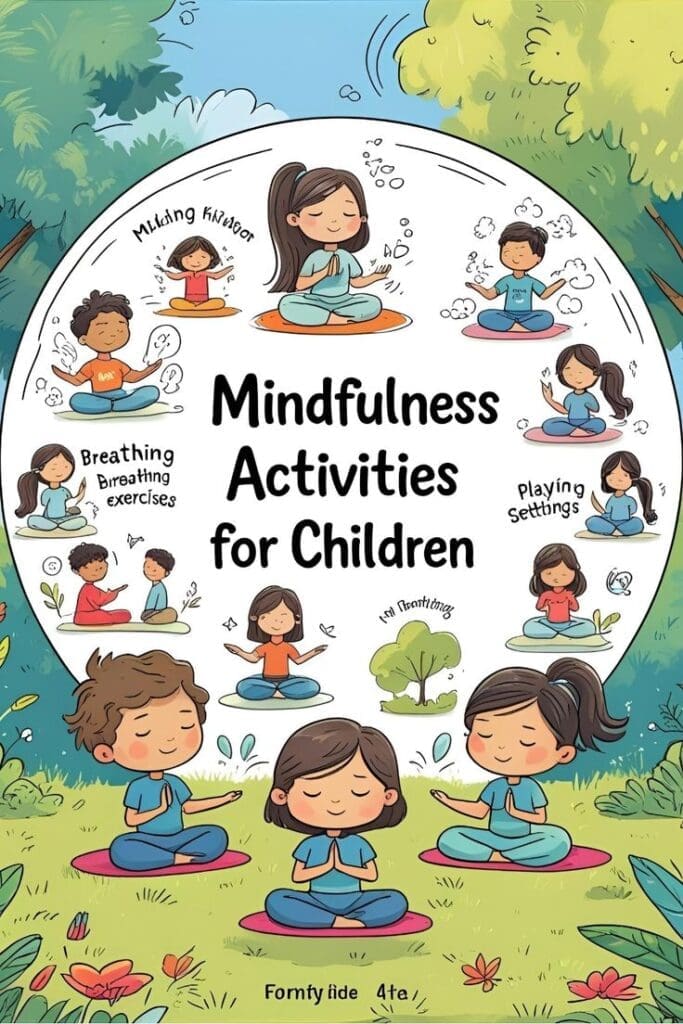
Simple Mindfulness For Kids introduces easy ways children can learn to slow down, relax, and become more aware of their thoughts and feelings. In today’s fast-paced world, children can benefit from small mindfulness practices that help them stay calm and focused. Simple techniques such as breathing exercises, quiet reflection, and paying attention to the present moment can support emotional well-being.
Simple Mindfulness For Kids: Why Mindfulness Helps Children
Practicing Simple Mindfulness For Kids can help children develop better focus and emotional balance. Mindfulness teaches children to notice their thoughts, feelings, and surroundings without feeling overwhelmed. Over time, these small habits can help children manage stress, improve concentration, and build healthier emotional skills.
What is Mindfulness?
Mindfulness is the practice of being present and fully engaged in the moment without judgment. It involves cultivating an awareness of your thoughts, feelings, and surroundings. For kids, this can mean learning to pay attention to what they are doing, feeling, and experiencing right now.
In a world bustling with distractions, teaching kids mindfulness equips them with tools to handle stress and develop a profound inner calm.
Why is Mindfulness Beneficial for Children?
Simple Mindfulness For Kids can have a transformative impact on children’s mental and emotional well-being. Here’s a closer look at some significant benefits:
Improved Focus and Concentration
Children often struggle to focus, especially in a classroom setting. Mindfulness techniques can enhance their ability to concentrate on tasks, leading to better learning outcomes. By practicing mindfulness, kids can learn to direct their attention and reduce internal distractions.
Emotional Regulation
Kids often experience a whirlwind of emotions, and mindfulness helps them identify and understand these feelings. By acknowledging their emotions without judgment, children can learn healthier ways to express and manage them.
Reduced Anxiety and Stress
Daily life can sometimes feel overwhelming for children. Simple Mindfulness For Kids offers tools that allow them to alleviate anxiety and stress. When kids practice being present, it helps them step back from their worries and find a sense of calm.
Enhanced Relationships
Awareness cultivated through mindfulness can lead kids to develop empathy and compassion. This enhanced social awareness can help improve their relationships with peers and family members, fostering a sense of connection and understanding.
Getting Started with Mindfulness for Kids
Introducing mindfulness to your child doesn’t have to be complicated. Here are some simple yet effective techniques to easily incorporate mindfulness into their daily routine:
Mindful Breathing
One of the simplest techniques to introduce is mindful breathing. Here’s how you can practice it together:
- Find a Quiet Space: Sit comfortably in a quiet space together.
- Close Your Eyes: Encourage your child to close their eyes gently or lower their gaze.
- Focus on Breathing: Inhale deeply through the nose for a count of four, hold for a moment, and exhale slowly through the mouth for a count of four.
- Repeat: Do this for a few minutes, guiding them to focus solely on their breath.
This technique helps kids anchor themselves in the present moment.
The Five Senses Exercise
This exercise helps children reconnect with their surroundings by focusing on their five senses.
- Sight: Ask them to look around and identify five things they can see.
- Sound: Encourage them to listen for four sounds in their environment.
- Touch: Guide them to find three things they can touch and describe how they feel.
- Smell: Have them identify two scents they can detect.
- Taste: Finally, have them focus on the taste in their mouth and identify one flavor.
Mindfulness Activities for Kids
Incorporating mindfulness into fun activities can make it enjoyable for kids. Here are some engaging mindfulness activities to try:
Mindful Coloring
Coloring allows children to express their creativity while being present in the moment. Provide them with coloring books or print-outs and encourage them to focus on the colors, patterns, and shapes.
Nature Walks
Taking walks in nature can be a wonderful mindfulness practice. Encourage your child to observe their surroundings, noting different sounds, sights, and smells. Ask them to pay attention to the texture of leaves or the feel of the breeze against their skin.
Yoga for Kids
Yoga is a fantastic way for kids to connect with their bodies and minds. Simple poses can teach balance, strength, and breath awareness. You could consider following child-friendly yoga videos together at home.
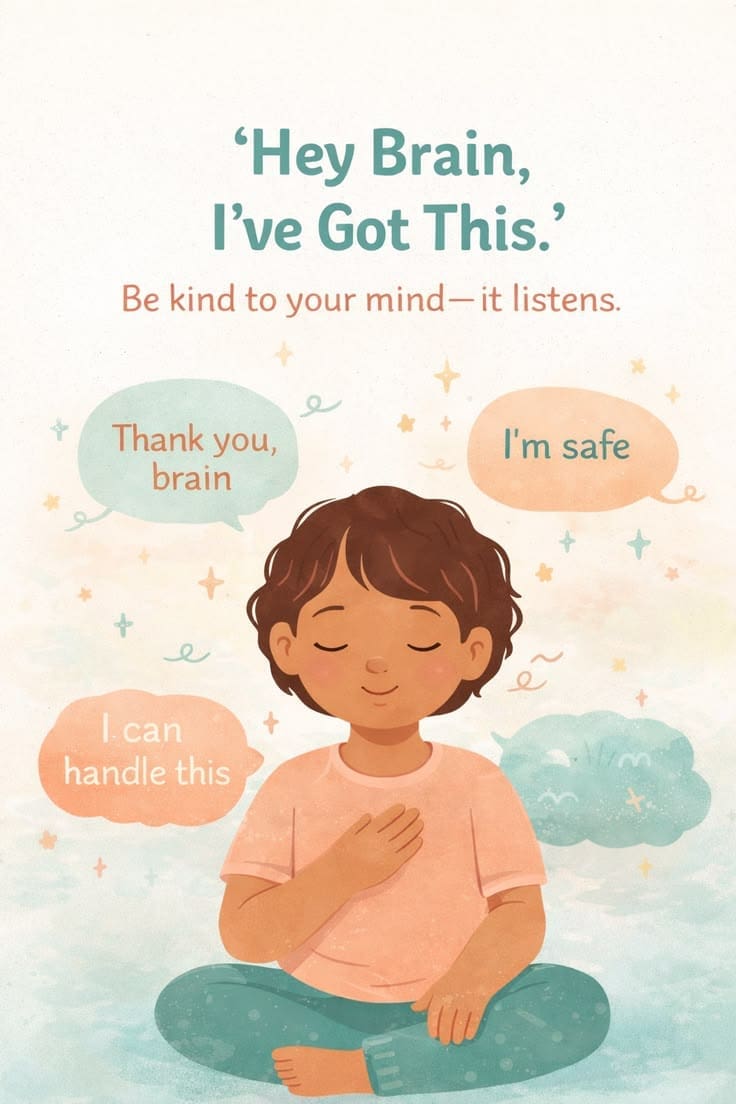
Mindfulness in Daily Routines
Integrating Simple Mindfulness For Kids into daily routines can help establish a consistent practice. Here are some suggestions:
Start the Day Mindfully
Begin each day with a short mindfulness activity, such as a few minutes of deep breathing or a simple gratitude exercise. Encourage your child to think about three things they are thankful for before starting their day.
Mindful Meals
Make mealtime a mindful experience. Encourage your child to eat slowly, savoring each bite. Discuss the textures and flavors of the food. This not only fosters mindfulness but can also promote healthy eating habits.
Wind-Down Time
Before bedtime, encourage a few minutes of calm. A brief meditation or mindful breathing exercise can help them de-stress from the day. This practice can also promote better sleep quality.
Mindfulness Resources for Kids
There are numerous resources available to introduce kids to mindfulness. Books, websites, and apps can provide guidance and structure.
Recommended Books
Consider these books that are engaging and tailored for children:
| Title | Author | Description |
|---|---|---|
| “Breathe Like a Bear” | Kira Willey | A collection of mindfulness exercises for kids. |
| “The Lemonade Hurricane” | Licia Morelli | A story that teaches kids about managing emotions. |
| “Mindful Kids” | Whitney Stewart | Offers 50 activities to help children be present. |
Mindfulness Apps
There are many apps that can guide kids through mindfulness practices:
| App Name | Features |
|---|---|
| “Headspace for Kids” | Offers kid-friendly meditations and animations. |
| “Calm Kids” | Provides sleep stories and mindfulness exercises. |
| “Smiling Mind” | Focuses on age-appropriate mindfulness programs. |
Challenges to Practicing Mindfulness
Teaching mindfulness to kids can come with its own set of challenges. Recognizing these challenges allows you to approach them effectively.
Short Attention Spans
Children have varying attention spans, and getting them to focus on mindfulness practices may be difficult initially. Start with shorter sessions and gradually increase the duration as they become more comfortable with the exercises.
Disinterest
Some children may show disinterest in mindfulness practices. It can help to make these exercises fun and engaging to capture their attention. Mix up the activities to keep it fresh and interesting.
Resistance
Resistance can occur, especially if kids see mindfulness as another task to accomplish. Try to frame mindfulness as a fun and enjoyable way to take a break from a busy day.
Encouraging Mindfulness as a Family
Practicing mindfulness as a family can reinforce the importance of the practice. Here are ways to incorporate it as a family activity:
Family Mindfulness Sessions
Set aside time once a week for family mindfulness activities. You could practice guided meditations, mindful walks, or even shared gratitude exercises together.
Establish Mindfulness Rituals
Create family rituals around mindfulness. For instance, you could share daily gratitude around the dinner table or start a family meditation practice on weekends.
Model Mindfulness
Children learn a lot through observation. By demonstrating your own mindfulness practice, you provide a powerful example. Share your mindfulness experiences and encourage open discussions about feelings and emotions.
The Long-Term Impact of Mindfulness on Children
As children grow, the foundational skills and habits they develop through mindfulness can have lasting effects. Here are some long-term benefits you may observe:
Resilience in Adulthood
Mindfulness strengthens emotional resilience. As children learn to cope with their emotions and challenges in a supportive environment, they build the resolve to handle stress and adversity in their adult lives.
Enhanced Academic Performance
The skills developed through mindfulness—such as improved concentration and emotional regulation—can translate into enhanced academic success in the long run.
Positive Relationships
Children who practice mindfulness tend to cultivate empathy and understanding, which can lead to healthier relationships as they grow. They learn the importance of compassion, not only for themselves but also for others.
Conclusion
Simple Mindfulness For Kids offers an invaluable toolkit for helping children navigate their emotions and experiences in an ever-busy world. By incorporating simple mindfulness practices into your child’s life, you can assist them in building resilience, focus, and emotional intelligence.
Ultimately, teaching mindfulness isn’t just about the techniques; it’s about fostering an environment where children feel safe to explore their thoughts and emotions. By nurturing this practice, you are giving children the gift of mindfulness, an essential skill they can carry with them throughout their lives.
As you start incorporating Simple Mindfulness For Kids into your family routine, remember to keep it fun, engaging, and light-hearted. The goal is not perfection, but rather creating a supportive space where both you and your child can cultivate awareness and kindness toward yourselves and each other.
[hfe_template id=’4070′]