Chakras

Emotional Healing Through Chakra Meditation

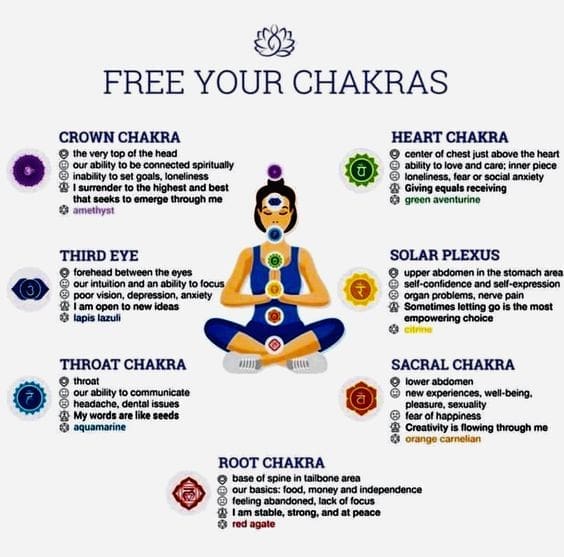
In this article, you will discover the powerful practice of chakra meditation for emotional healing. By focusing on the energy centers within your body, known as chakras, you can release emotional blockages and create a greater sense of balance and well-being. Through gentle and soothing techniques, you will learn how to connect with each chakra, allowing positive energy to flow freely and heal emotional wounds. Whether you’re seeking relief from stress, anxiety, or past traumas, chakra meditation offers a transformative journey towards emotional healing. Understanding Chakras Introduction to Chakras Chakras are energy centers within our bodies that play a vital role in our overall well-being. Derived from ancient Hindu and Buddhist traditions, the concept of chakras encompasses seven main energy centers that are aligned along the spine. Each chakra is associated with specific organs, emotions, and aspects of our lives. Seven Main Chakras The seven main chakras are the Root Chakra, Sacral Chakra, Solar Plexus Chakra, Heart Chakra, Throat Chakra, Third Eye Chakra, and Crown Chakra. Each chakra is linked to a different color, element, and sound, and they are located at various points along the spinal column. Importance of Balance In order for optimal physical, emotional, and spiritual health, it is essential for all of the chakras to be in balance. When a chakra is blocked or imbalanced, it can manifest as physical symptoms, emotional disturbances, and even affect different areas of our lives. Understanding and maintaining the balance of our chakras is key in achieving overall well-being. The Connection Between Chakras and Emotions How Chakras Impact Emotions The chakras have a profound impact on our emotions as they are intimately interconnected. When our chakras are blocked or out of balance, it can affect our emotional state. For example, an imbalanced Root Chakra may lead to feelings of insecurity and fear, while an imbalanced Heart Chakra can hinder our ability to give and receive love. Signs of Imbalanced Chakras Identifying signs of imbalanced chakras can help us understand which areas of our lives may need attention. Some common signs of imbalanced chakras include physical discomfort or illness related to specific organs associated with the chakra, recurring negative emotions, poor communication, and lack of self-expression. Emotional Blockages Emotional blockages often occur when our chakras are imbalanced or blocked. These blockages can prevent the free flow of energy, leading to emotional distress and other related issues. By addressing and clearing these blockages, we can release stored emotions and promote emotional healing. Benefits of Chakra Meditation for Emotional Healing Reduced Stress and Anxiety Chakra meditation is a powerful tool for emotional healing as it helps reduce stress and anxiety. By focusing on specific chakras during meditation, we can identify and release emotional energy that may be causing tension and unease in our lives. Regular practice of chakra meditation can promote a sense of calm and inner peace. Improved Emotional Well-being Through chakra meditation, we can improve our emotional well-being by addressing the imbalances and blockages that may be influencing our emotions. By bringing awareness to our chakras and the associated emotions, we can work towards releasing negativity and cultivating positive emotions such as love, joy, and compassion. Enhanced Self-Awareness Chakra meditation also promotes self-awareness, allowing us to connect with our inner selves on a deeper level. By exploring our emotions and their connection to specific chakras, we can gain valuable insights into our own patterns, triggers, and areas for personal growth. This heightened self-awareness can lead to greater emotional intelligence and a more fulfilling life. Preparing for Chakra Meditation Creating a Calm Environment Before beginning chakra meditation, it is important to create a calm and peaceful environment. Find a quiet space where you won’t be disturbed and remove any distractions. Dim the lights, play soft instrumental music if desired, and ensure the room is at a comfortable temperature. Creating a serene atmosphere will enhance your meditation experience. Comfortable Meditation Position Choose a comfortable meditation position that allows you to relax and focus on your chakras. You can sit cross-legged on a cushion, use a meditation chair, or even lie down if that is more comfortable for you. The key is to maintain a straight posture to ensure the smooth flow of energy. Clearing the Mind Before starting chakra meditation, it is essential to clear your mind of any clutter or distractions. Take a few deep breaths, letting go of any tension or thoughts that may be lingering. Clearing your mind will allow you to fully immerse yourself in the meditation practice and focus on your chakras. Step-by-Step Guide to Chakra Meditation Beginner-Friendly Chakra Meditation Technique To begin chakra meditation, find a comfortable position and close your eyes. Take a few deep breaths to relax your body and mind. Visualize a bright ball of light at the base of your spine, representing your Root Chakra. Imagine this ball of light expanding and glowing with each breath, bringing balance and stability to your chakra. Focus on Each Chakra After grounding yourself with the Root Chakra, slowly move your focus up to the Sacral Chakra, located in your lower abdomen. Visualize an orange ball of light in this area, radiating warmth and creativity. As you continue your meditation, move up to the Solar Plexus Chakra, the center of personal power and confidence. Visualize a yellow ball of light here, empowering you. Visualizations and Affirmations As you progress through each chakra, visualize the associated color and imagine the energy flowing freely, balancing and healing the chakra. You can also repeat affirmations related to the specific chakra, such as “I am safe and secure” for the Root Chakra or “I am worthy of love and joy” for the Heart Chakra. These visualizations and affirmations help amplify the effects of chakra meditation. Root Chakra Meditation for Stability and Grounding Overview of the Root Chakra The Root Chakra, or Muladhara, is the foundation of our chakra system and is responsible for our sense of stability, security, and grounding. Located at the base of the spine, it is associated

Emotional Healing Through Chakra Meditation Read More »
Meditation -

Transcendental Meditation Benefits

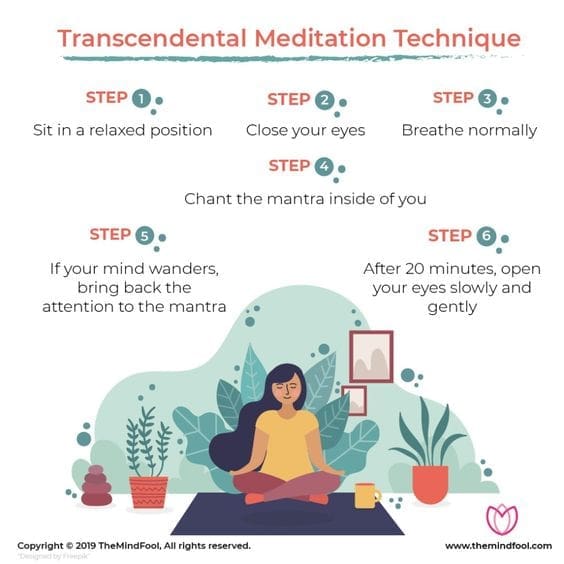
Transcendental Meditation stands as a beacon of relaxation and holistic enhancement for your health. This revered practice, often abbreviated as TM, is lauded for its extensive range of benefits that touch upon the mental, emotional, and physical spheres of your life. It’s a path known for diminishing stress and anxiety while simultaneously fostering focus and creative thinking. Our journey through this article will illuminate the profound effects of Transcendental Meditation, revealing how it can be a transformative element in your daily routine. Get ready to set sail on a voyage towards inner calm and self-enhancement as we delve deep into the myriad boons of TM. Physical Benefits Improved Cardiovascular Health Transcendental meditation has been shown to have a positive impact on cardiovascular health. Regular practice can help lower your resting heart rate and reduce the risk of heart disease. By calming the mind and body, it promotes relaxation and improves blood circulation, thus improving the overall health of your heart. Reduced Blood Pressure High blood pressure is a common health issue that can lead to various complications. Transcendental meditation has been found to be effective in reducing blood pressure levels. By inducing deep relaxation and reducing stress, it helps to lower blood pressure and maintain it within a healthy range. Enhanced Immune System Your immune system plays a crucial role in protecting your body against diseases and infections. Regular practice of transcendental meditation has been shown to boost the functioning of the immune system. It reduces the production of stress hormones in the body, which can weaken the immune system. By decreasing stress levels, this meditation technique strengthens your immune response and promotes overall well-being. Better Sleep Quality Getting a good night’s sleep is essential for your overall health and well-being. Transcendental meditation can help improve sleep quality by reducing anxiety and promoting relaxation. By calming the mind and body, it helps to induce a deep state of rest, making it easier for you to fall asleep and wake up feeling refreshed. Mental Benefits Reduced Stress and Anxiety Stress and anxiety are prevalent in today’s fast-paced world, and they can have a negative impact on your mental and physical health. The regular practice of transcendental meditation provides a valuable tool for managing and reducing stress and anxiety. It allows you to enter a deep state of relaxation, helping to calm the mind and relieve tension. Improved Mental Clarity Do you ever struggle with a foggy mind or lack of mental clarity? Transcendental meditation can help sharpen your mental focus and enhance cognitive function. Regular practice of this technique improves brainwave patterns and increases coherence in the brain, leading to improved mental clarity and sharpness. Enhanced Cognitive Function Cognitive function refers to your brain’s ability to process information, learn, and remember. Transcendental meditation has been shown to enhance cognitive function by improving attention span, memory, and overall mental performance. By reducing mental fatigue and promoting relaxation, this practice allows your brain to function at its optimal level. Increased Creativity Whether you are an artist, writer, or simply looking to tap into your creative side, transcendental meditation can help enhance your creativity. By quieting the mind and allowing thoughts to flow freely, this technique unlocks your creative potential. Regular practice can inspire new ideas, innovative thinking, and artistic expression. Emotional Benefits Increased Emotional Well-being Emotional well-being is an essential aspect of overall happiness and life satisfaction. Transcendental meditation promotes emotional well-being by reducing stress and increasing feelings of inner peace and contentment. It allows you to connect with your emotions and cultivate a positive mindset, leading to greater emotional well-being. Improved Self-esteem Low self-esteem can hinder personal growth and fulfillment. Transcendental meditation can help boost your self-esteem by fostering self-awareness, self-acceptance, and self-confidence. By providing a space for self-reflection and personal growth, this practice enables you to develop a positive self-image and belief in your abilities. Reduced Depression Depression is a common mental health condition that can have a significant impact on your daily life. Transcendental meditation has been shown to be an effective complementary therapy for reducing symptoms of depression. By reducing stress and balancing neurotransmitter levels in the brain, it helps to alleviate depressive feelings and improve overall mood. Enhanced Emotional Intelligence Emotional intelligence refers to the ability to recognize, understand, and manage your own emotions and the emotions of others. Regular practice of transcendental meditation can enhance emotional intelligence by increasing self-awareness and empathy. It allows you to develop a deeper understanding of your emotions and improve your interpersonal relationships. Relationship Benefits Improved Communication Effective communication is essential for healthy and fulfilling relationships. Transcendental meditation can help improve communication skills by reducing stress and enhancing emotional well-being. By promoting a state of calmness and clarity, this practice allows you to express yourself more effectively and listen attentively to others. Enhanced Empathy Empathy is the ability to understand and share the feelings of others. Transcendental meditation has been found to enhance empathy by increasing emotional intelligence and compassion. By improving self-awareness and emotional regulation, it allows you to connect more deeply with the emotions and experiences of those around you. Reduced Relationship Conflict Conflicts are normal in any relationship, but excessive conflict can strain and damage relationships. Transcendental meditation can help reduce relationship conflict by promoting overall emotional well-being and fostering effective communication. By enhancing self-regulation and increasing empathy, it allows you to approach conflicts with a calm and understanding mindset. Increased Relationship Satisfaction A fulfilling and satisfying relationship is essential for your overall well-being. Transcendental meditation can contribute to increased relationship satisfaction by promoting emotional well-being and improving communication skills. By reducing stress and enhancing empathy, this practice strengthens the foundation of your relationships, fostering greater love and connection. Productivity Benefits Enhanced Focus and Concentration In today’s fast-paced world, the ability to stay focused and concentrate is crucial for productivity. Transcendental meditation can enhance focus and concentration by promoting a calm and clear state of mind. By reducing mental distractions and improving mental clarity, it allows you to

Transcendental Meditation Benefits Read More »

neck and shoulder -yoga poses

Easing Neck and Shoulder Strain: 7 Yoga Pose

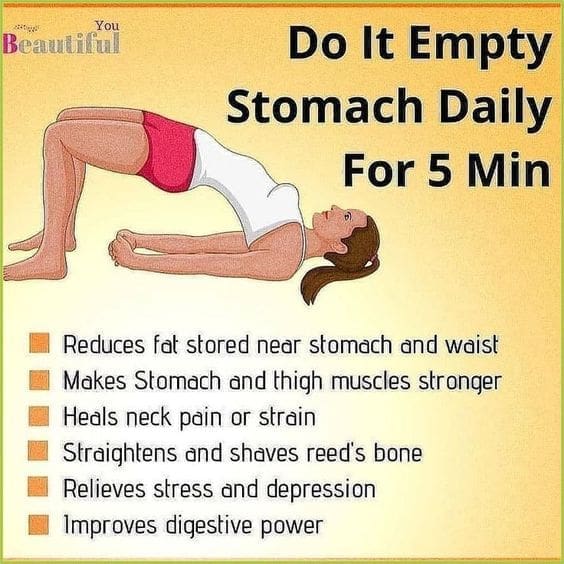
Yoga offers a sanctuary for those burdened by neck and shoulder tension. Join us as we unveil seven potent poses tailored to diminish tightness in these common trouble spots. Perfect for novices and seasoned yogis alike, these movements are easy to integrate into any routine. Prepare your mat, carve out a peaceful corner, and anticipate the dissolution of stress and unease. Wave farewell to stubborn knots and welcome a refreshing wave of calm and comfort. Embark on this journey into the essence of yoga and discover the secret to serenity for your neck and shoulders. Cat-Cow Pose Instructions To practice Cat-Cow pose, start on all fours with your hands beneath your shoulders and knees beneath your hips. As you inhale, arch your spine and lift your head towards the ceiling, allowing your belly to sink towards the floor. This is the Cow pose. As you exhale, round your spine and tuck your chin towards your chest, like an angry cat. Repeat this flow, moving between Cow and Cat poses, for several breaths. Benefits Cat-Cow pose is a gentle way to warm up your spine and release tension in your neck and shoulders. It helps to improve spinal flexibility, relieve stress, and increase blood circulation to the neck and shoulder area. This pose also helps to stretch and strengthen the muscles along your spine, providing relief from any discomfort or tightness in those areas. Thread the Needle Pose Instructions To practice Thread the Needle pose, start on all fours in the tabletop position. Extend your right arm out to the side and then slide it underneath your left arm, allowing your right shoulder and side of the head to rest on the mat. Keep your left hand grounded and reach it forward, feeling a gentle stretch along the side of your upper back. Hold this position for several breaths and then switch sides. Benefits Thread the Needle pose is a great way to release tension in your shoulders and upper back. It helps to open up the chest and increase flexibility in the shoulder joints. This pose also provides a gentle twist to your spine, which can help to relieve any stiffness or tightness in that area. By focusing on deep breathing in this pose, you can further relax your mind and promote a sense of calmness. Child’s Pose Instructions To practice Child’s pose, start by kneeling on the floor. Bring your big toes together and sit back on your heels. Slowly lower your chest towards the mat and reach your arms forward, placing them on the ground in front of you. Allow your forehead to rest on the mat and relax the weight of your body into the pose. You can choose to keep your knees together or spread them slightly wider for a deeper stretch. Take slow, deep breaths in this pose and hold it for as long as feels comfortable. Benefits Child’s pose is a gentle resting pose that helps to release tension in your neck, shoulders, and back. It provides a deep stretch to the muscles of your upper back and promotes relaxation throughout your body. This pose also calms the mind, reduces stress, and can help to relieve anxiety or mental fatigue. Child’s pose is a great way to take a break and find a sense of peace and tranquility during your yoga practice. Eagle Arms Instructions To practice Eagle Arms, start by sitting or standing in a comfortable position. Extend your arms out in front of you at shoulder height. Cross your right arm over your left, bringing the backs of your hands together. Bend your elbows and wrap your forearms around each other, allowing your palms to touch if possible. Lift your elbows slightly and feel a stretch in your upper back and shoulders. Hold this position for a few breaths and then switch sides. Benefits Eagle Arms pose is an effective way to release tension in your shoulders, upper back, and neck. It helps to stretch and strengthen the muscles in those areas, improving flexibility and mobility. This pose also stimulates blood circulation to the shoulder joints, promoting relaxation and reducing any discomfort or stiffness. By practicing Eagle Arms, you can alleviate shoulder and neck pain, while also improving your posture and alignment. Standing Forward Fold Instructions To practice Standing Forward Fold, begin by standing tall with your feet hip-width apart. Take a deep breath in and as you exhale, hinge forward at your hips, folding your upper body over your thighs. Allow your arms to hang down towards the ground or hold onto opposite elbows for a deeper stretch. Relax your head and neck, and let the weight of your torso gently stretch your spine. Hold this pose for several breaths, gradually deepening the fold with each exhale. Benefits Standing Forward Fold is a rejuvenating pose that releases tension in your neck, shoulders, and lower back. It promotes a gentle stretch in your hamstrings, calves, and spine, relieving any tightness or discomfort in those areas. This pose also helps to calm the mind, reduce stress, and improve digestion. Regular practice of Standing Forward Fold can enhance your flexibility, improve posture, and bring a sense of calmness to your body and mind. Bridge Pose Instructions To practice Bridge pose, lie on your back with your knees bent and feet flat on the floor, hip-width apart. Place your arms alongside your body with your palms facing down. As you inhale, press your feet into the ground and lift your hips up towards the ceiling. Keep your thighs parallel and engage your glutes. You can interlace your fingers under your body and roll your shoulders back for a deeper stretch. Hold this pose for several breaths and slowly lower your hips back down to the mat. Benefits Bridge pose is a powerful way to release tension in your neck, shoulders, and lower back. It strengthens and stretches the muscles along your spine, providing relief from any discomfort or tightness in those areas. This pose

Easing Neck and Shoulder Strain: 7 Yoga Pose Read More »

Yoga for Weight Loss

Yoga for Weight Loss: Achieve Your Goals & Unleash Potential

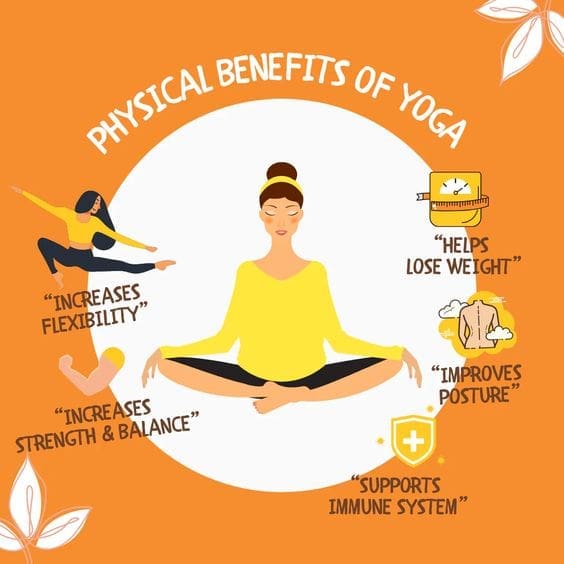
Discover the power of Yoga for Weight Loss and transform your approach to shedding pounds. Yoga, an ancient practice, is not just about enhancing flexibility and strength; it’s a comprehensive tool for weight loss. It integrates physical postures, controlled breathing, and meditation for a multifaceted weight loss strategy, unlocking your body’s full potential. In this comprehensive guide, we delve into how yoga serves as a holistic key to not just achieving your weight loss targets but also rejuvenating both body and mind. The Benefits of Yoga for Weight Loss Are you looking for a holistic approach to weight loss that not only transforms your body but also nourishes your mind and soul? Look no further than yoga! This ancient practice offers a multitude of benefits that can support your weight loss journey in more ways than one. From improved flexibility and strength to increased metabolism and fat burning, yoga has the power to unlock your full potential and help you achieve your weight loss goals. In this article, we will explore the various ways in which yoga can benefit your weight loss journey, including specific poses, styles, breathing techniques, and mindfulness practices. So let’s dive in and discover the incredible world of yoga! 1. Yoga Poses for Weight Loss 1.1. Sun Salutations One of the most popular sequences in yoga, Sun Salutations (Surya Namaskar) are a fantastic way to kickstart your weight loss journey. This dynamic series of poses involves fluid movements that engage the entire body, from the arms and legs to the core. By incorporating Sun Salutations into your daily practice, you can increase your heart rate, build strength, and improve overall flexibility. This combination of cardio and strength training makes it an excellent choice for those looking to burn calories and shed excess weight. 1.2. Warrior Poses Harness your inner strength and unleash your warrior spirit with Warrior Poses (Virabhadrasana). These powerful standing poses work wonders for toning and strengthening the muscles in your legs, hips, and core. By holding these poses and engaging your muscles, you not only build strength but also burn calories. The intensity of these poses helps increase your heart rate, leading to an elevated metabolism and enhanced fat burning. 1.3. Twists and Seated Poses Twists and seated poses are not only great for improving flexibility but also for stimulating digestion and detoxification. Twisting poses like Half Lord of the Fishes (Ardha Matsyendrasana) help wring out toxins from the abdominal organs, aiding in weight loss. Seated poses like Boat Pose (Navasana) engage the core muscles, strengthening your abdominal region and promoting better posture. By incorporating these poses into your practice, you can boost your metabolism and support your weight loss efforts. 1.4. Inversions for Boosting Metabolism Inversions, such as Shoulder Stand (Sarvangasana) and Headstand (Sirsasana), are excellent for boosting metabolism and promoting healthy thyroid function. These poses require you to be upside down, which increases blood flow to the thyroid gland and stimulates its activity. A properly functioning thyroid gland is crucial for regulating metabolism and promoting weight loss. Inversions also help improve circulation and enhance the lymphatic system, supporting detoxification and reducing water retention. 1.5. Core Strengthening Poses A strong core is essential for maintaining good overall health, as well as aiding in weight loss. Core strengthening poses, like Plank Pose (Phalakasana) and Boat Pose (Navasana), target the muscles in your abdomen, back, and pelvis, providing stability and support. By engaging and toning these muscles, you not only improve your posture but also boost your metabolism. A higher metabolism means your body burns calories more efficiently, helping you achieve your weight loss goals. 2. Yoga Styles for Weight Loss 2.1. Power Yoga If you’re looking for a dynamic and challenging yoga style that can help you shed pounds, Power Yoga is the way to go. This vigorous and fast-paced practice incorporates elements of strength training and cardio, making it an excellent choice for weight loss. Power Yoga sequences often involve continuous flowing movements and intense poses, which help raise your heart rate and burn calories. Additionally, the focus on strength and flexibility helps build lean muscle mass, which in turn boosts your metabolism. 2.2. Vinyasa Flow Vinyasa Flow is another popular yoga style that combines movement with breath. In a Vinyasa class, you’ll flow through a series of poses, linking each movement to your breath. This fluid and dynamic practice not only builds strength and flexibility but also increases cardiovascular endurance. The continuous sequencing and transition between poses keep your body engaged and your heart rate elevated, leading to calorie burning and weight loss. 2.3. Ashtanga Yoga Ashtanga Yoga is a powerful and disciplined practice that follows a specific sequence of poses. This rigorous style of yoga incorporates a series of challenging poses that build strength, flexibility, and stamina. The dynamic flow and emphasis on breath help generate heat within the body, leading to increased calorie burn. Regular practice of Ashtanga Yoga can help tone your muscles, improve your metabolism, and support your weight loss efforts. 2.4. Bikram Yoga Bikram Yoga, also known as hot yoga, takes place in a room heated to around 105 degrees Fahrenheit with high humidity. This heated environment promotes flexibility and allows for deeper stretches. The intense heat also elevates your heart rate and metabolism, resulting in increased calorie burn. Bikram Yoga consists of a series of 26 poses, each performed twice, providing a full-body workout. This style of yoga challenges your body and mind, promoting weight loss and overall well-being. 2.5. Hatha Yoga Hatha Yoga is a gentle and beginner-friendly style that focuses on the balance between mind and body. Although it may not be as physically demanding as some other yoga styles, Hatha Yoga can still support weight loss. The slower pace and longer holds in poses help develop strength, balance, and flexibility. Hatha Yoga also promotes relaxation and stress reduction, which can be beneficial for emotional eaters. By incorporating Hatha Yoga into your routine, you can create a balanced and sustainable weight loss

Yoga for Weight Loss: Achieve Your Goals & Unleash Potential Read More »

Heart Health Nutrition

Heart Health Nutrition: Vital Tips

Optimizing your diet with Heart Health Nutrition is key to sustaining a robust cardiovascular system. Our guide underscores the significance of nutrition in heart health, detailing essential dietary selections that bolster cardiovascular protection. Embrace heart-healthy fats and fiber-abundant foods as you uncover actionable advice for nurturing your heart. Proactively enhance your cardiovascular health with dietary adjustments that promise enduring benefits for your heart’s function and resilience. 1. Healthy Fats for a Healthy Heart 1.1 The Importance of Dietary Fat When it comes to heart health, many people assume that all fats are bad. However, this is far from the truth. In fact, dietary fats play a crucial role in maintaining a healthy heart. Fats provide essential nutrients and energy, aid in the absorption of fat-soluble vitamins, and help with cell development and function. The key lies in distinguishing between healthy fats and unhealthy fats. 1.2 Types of Fats to Consume Not all fats are created equal, and it’s important to choose the right kinds of fats to support your heart health. Healthy fats, such as monounsaturated fats and polyunsaturated fats, can actually help lower your risk of heart disease. These fats are found in foods such as avocados, nuts, seeds, and fatty fish. On the other hand, unhealthy fats, such as trans fats and saturated fats, can raise your cholesterol levels and increase your risk of heart disease. It’s best to limit your intake of foods high in these fats, such as fried foods, pastries, and fatty cuts of meat. 1.3 Sources of Healthy Fats Incorporating healthy fats into your diet is easier than you might think. Foods like avocados, olive oil, and nuts are excellent sources of monounsaturated fats. These foods not only add flavor and texture to your meals but also provide heart-healthy benefits. Additionally, including fatty fish like salmon, mackerel, and sardines in your diet can provide a good dose of omega-3 fatty acids, which are known for their heart-protective properties. It’s important to note that while these foods contain healthy fats, portion control is key to maintaining a balanced diet. 1.4 Cooking and Preparation of Healthy Fats When it comes to cooking and preparing healthy fats, there are a few things to keep in mind. First, opt for cooking methods that don’t involve deep-frying or excessive amounts of oil. Grilling, baking, and sautéing with a minimal amount of healthy oils like olive oil are great options. Additionally, it’s important to be mindful of portion sizes. While healthy fats are beneficial for heart health, consuming excessive amounts can still lead to weight gain and other health issues. Remember to enjoy these fats in moderation as part of a well-rounded diet. 2. The Power of Fiber 2.1 Benefits of Dietary Fiber Fiber is a crucial nutrient that plays a significant role in maintaining heart health. Consuming an adequate amount of dietary fiber has been linked to a reduced risk of heart disease, stroke, and high blood pressure. Fiber helps lower cholesterol levels, regulates blood sugar levels, promotes healthy digestion, and contributes to weight management. Including fiber-rich foods in your diet can have a profound impact on your cardiovascular well-being. 2.2 Types of Dietary Fiber There are two main types of dietary fiber: soluble fiber and insoluble fiber. Soluble fiber dissolves in water and forms a gel-like substance in the digestive tract. This type of fiber can help lower cholesterol levels by binding to cholesterol and preventing its absorption. Insoluble fiber, on the other hand, promotes regular bowel movements and prevents constipation. Both types of fiber are important for heart health and can be found in a variety of foods. 2.3 Foods High in Fiber Incorporating fiber-rich foods into your diet is easier than you might think. Fruits, vegetables, whole grains, legumes, nuts, and seeds are all excellent sources of dietary fiber. Some examples of fiber-rich foods include apples, berries, broccoli, quinoa, lentils, almonds, and chia seeds. Adding these foods to your meals and snacks can help increase your fiber intake and provide numerous health benefits, including improved heart health. 2.4 Incorporating Fiber into Your Diet If you’re new to incorporating fiber into your diet, it’s important to do so gradually. Suddenly increasing your fiber intake can cause digestive discomfort, such as bloating and gas. Start by adding small amounts of fiber-rich foods to your meals and gradually increase the portions over time. Additionally, remember to drink plenty of water when consuming fiber, as it helps in the digestion process. Aim to include a variety of fiber-rich foods in your daily meals to ensure you’re getting a good balance of soluble and insoluble fiber. 3. The Role of Omega-3 Fatty Acids 3.1 Benefits of Omega-3 Fatty Acids Omega-3 fatty acids are a type of polyunsaturated fat that is known for its many health benefits, particularly for the heart. These fatty acids have been shown to reduce inflammation, lower triglyceride levels, and improve overall heart health. Consuming omega-3 fatty acids can also help prevent the formation of blood clots and reduce the risk of irregular heartbeats. Incorporating these beneficial fats into your diet can go a long way in protecting your cardiovascular well-being. 3.2 Dietary Sources of Omega-3 Fatty Acids Omega-3 fatty acids are primarily found in fatty fish, such as salmon, mackerel, and sardines. These types of fish are rich in eicosapentaenoic acid (EPA) and docosahexaenoic acid (DHA), two types of omega-3 fatty acids that have been extensively studied for their cardiovascular benefits. If you’re not a fan of fish or are following a vegetarian or vegan diet, there are plant-based sources of omega-3 fatty acids as well. These include flaxseeds, chia seeds, walnuts, and hemp seeds. 3.3 Recommended Daily Intake To reap the heart-healthy benefits of omega-3 fatty acids, it is recommended to consume at least two servings of fatty fish per week. Each serving should be about 3.5 ounces. If you’re obtaining your omega-3 fatty acids from plant-based sources, be mindful that the conversion of these fats in the body may not be as efficient as

Heart Health Nutrition: Vital Tips Read More »

Acro Yoga

10 Essential Yoga Types: Embrace the Diversity

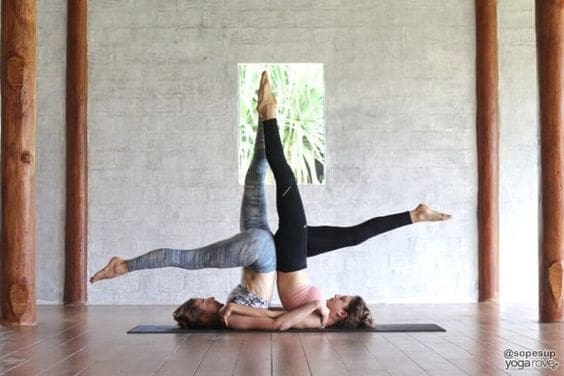
Yoga Types: Are you eager to navigate the world of yoga but uncertain about the starting point? We’ve got you covered! In this piece, we’ll dive deep into the diversity of Yoga Types, presenting ten distinct forms you shouldn’t miss out on today. From the foundational Hatha yoga to the vigorous power yoga, there’s a fit for everyone. Regardless if you’re a novice or a seasoned yogi, this article will guide you through various Yoga Types, enriching your routine and instilling a harmonious balance and tranquility in your life. So, roll out your yoga mat and embark on this enlightening journey through the diverse realm of yoga! 1. Hatha Yoga Introduction to Hatha Yoga Hatha Yoga is one of the most well-known and widely practiced forms of yoga. It originated in ancient India and focuses on physical postures (asanas) and breath control (pranayama). In Sanskrit, “ha” means sun and “tha” means moon, symbolizing the balance of opposing forces within the body. Hatha Yoga aims to create harmony between the mind, body, and spirit through mindful movement and controlled breathing. Benefits of Hatha Yoga Hatha Yoga offers numerous benefits for both the body and mind. Regular practice can improve flexibility, balance, and strength. It also helps to increase body awareness and promote relaxation. Hatha Yoga is a great way to relieve stress and reduce anxiety, as it encourages deep breathing and mindful movements. Additionally, it can improve posture and help prevent injuries by enhancing body alignment. Hatha Yoga Poses Hatha Yoga includes a wide range of poses that vary in difficulty and intensity. Some common poses include Mountain Pose (Tadasana), Downward-Facing Dog (Adho Mukha Svanasana), Warrior 1 (Virabhadrasana 1), and Child’s Pose (Balasana). These poses target different parts of the body, such as the legs, core, and back, providing a full-body workout. Hatha Yoga also incorporates gentle stretches and relaxation poses to release tension and promote a sense of calm. Hatha Yoga Classes Hatha Yoga classes are widely available and suitable for practitioners of all levels, from beginners to advanced yogis. In a typical Hatha Yoga class, you can expect a combination of physical postures, breathing exercises, and meditation. Classes may vary in duration, but they usually run for about 60 to 90 minutes. Hatha Yoga classes are led by experienced instructors who guide students through each pose, ensuring proper alignment and offering modifications when needed. 2. Vinyasa Yoga Introduction to Vinyasa Yoga Vinyasa Yoga, also known as flow yoga, is a dynamic and fast-paced style of yoga that synchronizes breath with movement. It emphasizes continuous transitions between poses, creating a seamless flow of energy throughout the practice. Vinyasa Yoga originated from Hatha Yoga and has gained popularity for its creative sequences and vigorous nature. Benefits of Vinyasa Yoga Vinyasa Yoga offers a multitude of benefits for both the body and mind. The flowing movements help build strength, stamina, and cardiovascular fitness. The breath-focused aspect of Vinyasa Yoga promotes mindfulness and concentration, leading to improved mental clarity and focus. Regular practice can also enhance flexibility, coordination, and body awareness. Vinyasa Yoga Poses Vinyasa Yoga encompasses a wide array of poses, including standing, seated, and balancing poses. Some common poses in Vinyasa Yoga sequences include Sun Salutations (Surya Namaskar), Warrior poses (Virabhadrasana), Plank pose (Phalakasana), and Tree pose (Vrksasana). These poses are often linked together through transitional movements, creating a fluid and dynamic practice. Vinyasa Yoga Classes Vinyasa Yoga classes are energetic and suitable for practitioners of various levels. Each class is unique, as instructors design sequences that cater to different themes, levels of difficulty, and target areas of the body. Classes typically begin with a warm-up followed by a series of dynamic poses, and end with a cool-down period. Vinyasa Yoga classes provide a challenging yet enjoyable experience that leaves practitioners feeling rejuvenated and invigorated. 3. Ashtanga Yoga Introduction to Ashtanga Yoga Ashtanga Yoga, often referred to as “eight-limbed yoga,” is a dynamic and physically demanding form of yoga. It follows a specific sequence of poses that are practiced in a predetermined order. Ashtanga Yoga focuses on synchronizing breath with movement and aims to purify the body and mind through intense physical exertion. Benefits of Ashtanga Yoga Ashtanga Yoga offers a range of benefits for practitioners. The repetitive nature of the practice helps build strength, endurance, and flexibility. It also enhances focus and concentration, as the synchronized breath and movement require full attention. Ashtanga Yoga promotes detoxification of the body through the generation of heat and sweat. Regular practice can lead to improved posture, weight management, and a sense of inner calm. Ashtanga Yoga Poses Ashtanga Yoga follows a set sequence of poses divided into six series. The Primary Series (Yoga Chikitsa) is the first series and focuses on realigning and detoxifying the body. It includes standing poses, forward folds, hip openers, and inversions. The subsequent series introduce more challenging poses and variations to further deepen the practice. Ashtanga Yoga poses require strength, flexibility, and perseverance. Ashtanga Yoga Classes Ashtanga Yoga classes are typically led in a traditional Mysore style, where students practice the Ashtanga sequence at their own pace under the guidance of an experienced teacher. Beginners can start with shorter sessions and gradually increase their practice. Mysore-style classes allow for personalized attention and modifications based on individual abilities. The disciplined and structured nature of Ashtanga Yoga creates a focused and meditative environment. 4. Bikram Yoga Introduction to Bikram Yoga Bikram Yoga, created by Bikram Choudhury, is a style of yoga practiced in a heated room. It consists of a series of 26 poses and two breathing exercises. Bikram Yoga follows a specific sequence and is performed in a room heated to approximately 105 degrees Fahrenheit (40 degrees Celsius) with high humidity. Benefits of Bikram Yoga Bikram Yoga offers various physical and mental benefits. The heat and humidity in the room help warm up the muscles and increase flexibility, allowing for deeper stretches. It also promotes detoxification through sweat, helping to rid the body of toxins. The sequence of

10 Essential Yoga Types: Embrace the Diversity Read More »

Hatha Yoga - Benefits

Exploring Hatha Yoga: 10 Wellness Keys

Have you been exploring the wonders of Hatha Yoga to enhance your mental and physical well-being? You’re in the right place! This guide will delve into ten vital insights to seamlessly integrate Hatha Yoga practices into your day-to-day life. Whether you aim to boost flexibility, maintain equilibrium, diminish stress, or cultivate serenity, these revelations promise to usher you into a realm of unparalleled health and tranquility. So, roll out your yoga mat, seek a serene corner, and prepare to immerse yourself in the transformative world of Hatha Yoga. The Origins of Hatha Yoga Introduction to Hatha Yoga Hatha Yoga is a branch of yoga that focuses on physical postures (asanas), breath control (pranayama), and meditation. It originated in ancient India and has been practiced for thousands of years. Hatha Yoga is often seen as a gentle and accessible form of yoga, suitable for beginners and experienced practitioners alike. Historical Background The roots of Hatha Yoga can be traced back to the 11th century in India, although its principles and practices can be found in the ancient texts known as the Upanishads and the Bhagavad Gita. Hatha Yoga was developed as a means to prepare the body for the spiritual practice of Raja Yoga. It gained popularity in the West during the 20th century when renowned yogis, such as Swami Sivananda and B.K.S. Iyengar, introduced it to the world. Philosophical Roots Hatha Yoga draws inspiration from the philosophical teachings of ancient Indian scriptures, including the Yoga Sutras of Patanjali. The foundation of Hatha Yoga lies in the belief that the body and the mind are interconnected. By working with the body through physical postures and breath control, practitioners can achieve a state of balance, harmony, and self-realization. Benefits of Hatha Yoga Physical Well-being Practicing Hatha Yoga regularly can lead to numerous physical benefits. The asanas (yoga poses) help improve strength, flexibility, and balance. They also promote better posture, relieve tension, and enhance circulation. Hatha Yoga is known to alleviate chronic pain and improve overall physical well-being. Mental and Emotional Health Hatha Yoga not only benefits the body but also has a positive impact on mental and emotional health. The practice promotes relaxation, reduces stress, and calms the mind. Through mindful breathing and meditation, practitioners can gain clarity, improve focus, and develop a sense of inner peace and emotional stability. Spiritual Growth Hatha Yoga provides a pathway for spiritual growth and self-discovery. By cultivating awareness and mindfulness, practitioners can connect with their inner selves and tap into their spiritual essence. The practice of meditation helps quiet the mind, allowing for a deeper understanding of oneself and the world around us. Principles of Hatha Yoga Asanas (Yoga Poses) Asanas are the physical postures practiced in Hatha Yoga. They are designed to strengthen and stretch the body while promoting balance and stability. Asanas help improve flexibility, release tension, and create a sense of physical and mental harmony. Regular practice of asanas can enhance overall well-being and vitality. Pranayama (Breathing Techniques) Pranayama focuses on breath control and regulation. Through various breathing techniques, practitioners can cultivate awareness of the breath and harness its power to calm the mind and invigorate the body. Pranayama helps improves lung capacity, relieves anxiety, and promotes a sense of well-being. Mudras (Hand Gestures) Mudras are symbolic hand gestures used in Hatha Yoga to activate energy channels in the body. By placing the hands in specific positions, practitioners can influence the flow of energy and promote balance and healing. Mudras help deepen concentration, increase vitality, and enhance the overall benefits of the practice. Bandhas (Energy Locks) Bandhas are energetic locks performed during the practice of asanas and pranayama. By engaging specific muscles and controlling the flow of energy, bandhas help redirect and contain vital energy within the body. This can lead to increased physical strength, enhanced mental clarity, and a heightened state of awareness. Secret 1: Importance of Alignment Understanding Proper Body Alignment Proper body alignment is crucial in Hatha Yoga to ensure maximum benefits and prevent injuries. It involves aligning the various parts of the body, such as the head, spine, and limbs, in a way that supports the natural curves and structure of the body. Understanding and practicing proper alignment can optimize the effectiveness of asanas and promote overall body balance. Benefits of Correct Alignment Correct alignment in Hatha Yoga not only reduces the risk of injury but also allows for a deeper and more profound practice. By aligning the body correctly, one can access the full potential of each pose, allowing for better engagement of muscles and improved energy flow. Proper alignment can also enhance the benefits of pranayama and meditation, leading to a more holistic practice. Secret 2: Breath Awareness The Connection Between Breath and Mind In Hatha Yoga, the breath plays a significant role in connecting the body and mind. By bringing focus and awareness to the breath, practitioners can calm the mind, reduce stress, and enter a meditative state. The breath serves as an anchor, helping to center and ground the practitioner in the present moment. Practices for Enhancing Breath Awareness There are various practices in Hatha Yoga that can enhance breath awareness. One such practice is deep diaphragmatic breathing, where the breath is directed into the belly rather than remaining shallow in the chest. Another technique is alternate nostril breathing, which balances the energy flow in the body. By incorporating these practices into your yoga routine, you can deepen your breath awareness and experience the transformative power of the breath. Secret 3: Mindfulness and Meditation Exploring Mindfulness in Hatha Yoga Mindfulness is a state of non-judgmental awareness, where one pays attention to the present moment with acceptance and curiosity. In Hatha Yoga, mindfulness is cultivated through the practice of asanas, pranayama, and meditation. By bringing conscious awareness to each movement, breath, and sensation, practitioners can experience the present moment fully and deepen their connection with themselves. Incorporating Meditation into Your Practice Meditation is an integral part of Hatha Yoga and offers a host of

Exploring Hatha Yoga: 10 Wellness Keys Read More »

Yoga quote

5 Best Hatha Yoga Poses for Beginners

In 2023, if you’re a beginner looking to try out Hatha Yoga and experience its numerous benefits, you’ve come to the right place! This article will guide you through the 5 best Hatha Yoga poses specifically designed for beginners. Whether you’re looking to improve flexibility, enhance relaxation, or find inner peace, these poses are perfect for starting your Hatha Yoga journey. So, roll out your yoga mat, and get ready to explore these simple yet effective poses that will leave you feeling refreshed, energized, and ready to take on the day! 1. Mountain Pose (Tadasana) Benefits of Mountain Pose Mountain Pose, also known as Tadasana, is a foundational standing pose in yoga that provides numerous benefits for both the mind and body. This pose helps improve posture, strengthens the muscles of the legs and feet, and promotes balance and stability. It also helps to increase body awareness, calm the mind, and improve focus and concentration. Mountain Pose is a great starting point for beginners as it sets the foundation for other standing poses in yoga practice. How to Perform Mountain Pose To perform Mountain Pose, start by standing tall with your feet together or hip-width apart. Distribute your weight evenly on both feet and engage the muscles of your legs. Lengthen your spine and lift the crown of your head towards the ceiling. Relax your shoulders, allowing them to roll back and down. Palms can face forward or rest gently by your sides. Take deep, slow breaths and hold the pose for several breaths or as long as comfortable. Modifications for Beginners For beginners, it’s common to struggle with balance and alignment in Mountain Pose. To make this pose more accessible, you can stand with your feet hip-width apart for added stability. Placing a block between your thighs can also help engage the leg muscles and promote proper alignment. If you have difficulty standing for long periods, you can practice Mountain Pose against a wall for support. 2. Tree Pose (Vrikshasana) Benefits of Tree Pose Tree Pose, also known as Vrikshasana, is a standing balance pose that helps improve concentration, focus, and balance. This pose strengthens the muscles of the legs and feet, improves posture, and increases the flexibility of the hips and groin. Tree Pose also promotes a sense of rootedness and stability, both physically and mentally, making it an excellent pose for beginners looking to build strength and stability. How to Perform Tree Pose To perform Tree Pose, start by standing tall with your feet hip-width apart. Shift your weight onto your left foot and lift your right foot, placing the sole of your right foot on your left inner thigh. If your balance is unstable, you can rest your right foot on your left calf or ankle instead. Bring your hands to your heart center or extend them overhead, reaching towards the sky. Find a focal point in front of you to help with balance and hold the pose for several breaths. Repeat on the other side. Modifications for Beginners For beginners, maintaining balance in Tree Pose can be challenging. You can practice the pose with your back against a wall for support or use a chair to hold onto for stability. Another modification is to place the sole of your foot on your inner calf rather than your thigh. As you build strength and balance, gradually work towards placing your foot higher on your thigh. 3. Downward Facing Dog (Adho Mukha Svanasana) Benefits of Downward Facing Dog Downward Facing Dog, also known as Adho Mukha Svanasana, is a popular yoga pose that stretches and strengthens the entire body. This pose lengthens the spine, opens the shoulders and chest, strengthens the arms and legs, and increases flexibility in the hamstrings and calves. Downward Facing Dog also helps to relieve stress, calm the mind, improve digestion, and energize the body, making it an excellent pose for beginners to include in their practice. How to Perform Downward Facing Dog To perform Downward Facing Dog, start on your hands and knees with your wrists under your shoulders and your knees under your hips. Press through your palms, tuck your toes under, and lift your knees off the mat, straightening your legs. Lengthen your spine, reaching your tailbone towards the ceiling, and allow your heels to sink towards the floor. Engage your core and legs, and relax your head and neck. Hold the pose for several breaths. Modifications for Beginners For beginners, tight hamstrings can make it challenging to keep the legs straight in Downward Facing Dog. You can bend your knees slightly to alleviate any discomfort and focus on lengthening your spine. Placing a block under your hands can also help bring the floor closer to you, making the pose more accessible. If you have wrist issues, you can perform the pose on your forearms instead. 4. Warrior II (Virabhadrasana II) Benefits of Warrior II Warrior II, also known as Virabhadrasana II, is a powerful standing pose that strengthens the legs, opens the hips, and improves balance and concentration. This pose energizes the entire body while building strength and endurance. Warrior II also enhances stability and promotes a sense of empowerment and confidence. It is a great pose for beginners to cultivate strength and resilience. How to Perform Warrior II To perform Warrior II, start by standing with your feet wide apart. Turn your right foot out to the side, keeping your left foot slightly turned in. Extend your arms parallel to the floor, with your right arm reaching forward and your left arm reaching backward. Bend your right knee, aligning it over your right ankle, and gaze over your right fingertips. Keep your shoulders relaxed and your core engaged. Hold the pose for several breaths and repeat on the other side. Modifications for Beginners For beginners, maintaining stability and balance in Warrior II can be challenging. You can widen your stance or decrease the depth of your lunge to make the pose more accessible. Placing your hands on

5 Best Hatha Yoga Poses for Beginners Read More »

Massage

Discover The Anti-Aging Secrets For A Youthful And Radiant Body

Are you longing for a youthful and radiant body? Look no further! In this article, you will uncover the most effective anti-aging secrets that will transform your appearance and boost your confidence. From skincare routines to lifestyle changes, we have compiled a comprehensive guide that will help you turn back the clock and unlock the secrets to a more vibrant and timeless version of yourself. Get ready to embark on a journey to rediscover your inner and outer glow! Importance of Anti-Aging Techniques Maintaining a youthful appearance We all want to look and feel younger as we age, and anti-aging techniques play a crucial role in achieving that goal. Maintaining a youthful appearance not only boosts our self-confidence but also helps us feel more vibrant and energetic. By incorporating various anti-aging strategies into our daily routine, we can reduce the signs of aging, such as wrinkles, fine lines, and sagging skin, and maintain a fresh and youthful glow. Improving overall health Anti-aging techniques are not just about appearance; they also have significant impacts on our overall health. Many of these techniques focus on promoting a healthy lifestyle through proper nutrition, regular exercise, and stress management. By adopting these habits, we can improve our cardiovascular health, strengthen our immune system, and maintain optimal organ function. The benefits of anti-aging techniques go beyond our physical appearance; they contribute to a long and healthy life. Boosting self-confidence As we age, it’s natural for our self-confidence to take a hit, especially when we start noticing signs of aging. However, by implementing effective anti-aging techniques, we can regain our confidence and feel more comfortable in our own skin. When we look and feel younger, our self-esteem improves, and we have a more positive outlook on life. Taking proactive steps to combat the signs of aging not only enhances our physical appearance but also boosts our mental and emotional well-being. Healthy Diet and Nutrition Eating nutrient-rich foods A healthy diet is the foundation of any anti-aging regimen. By prioritizing nutrient-rich foods, such as fruits, vegetables, whole grains, and lean proteins, we provide our bodies with essential vitamins, minerals, and antioxidants. These nutrients aid in cell regeneration, improve collagen production, and protect against free radicals. A diet rich in antioxidants can reduce inflammation, boost our immune system, and help prevent age-related diseases, promoting overall vitality and a youthful complexion. Consuming antioxidants Antioxidants are key players in the fight against aging. They help neutralize free radicals, which are unstable molecules that damage cells and accelerate the aging process. Incorporating antioxidant-rich foods into our diet, such as berries, dark chocolate, nuts, and green tea, can provide a protective shield for our cells. Additionally, supplements like vitamin C, vitamin E, and resveratrol can complement our antioxidant intake. By consuming antioxidants regularly, we strengthen our body’s defenses and slow down the aging process. Avoiding processed foods Processed foods, laden with unhealthy fats, sodium, sugar, and artificial additives, can wreak havoc on our bodies and accelerate aging. These foods lack essential nutrients and can lead to inflammation, oxidative stress, and weight gain. By minimizing processed foods in our diet and opting for whole, unprocessed alternatives, we provide our bodies with the necessary fuel for optimal functioning and age gracefully. Choosing natural and nutrient-dense options is a simple yet effective way to support our overall health and slow down the aging process. Exercise and Physical Activity Regular aerobic exercises Engaging in regular aerobic exercises, such as brisk walking, jogging, cycling, or swimming, is instrumental in maintaining a youthful and healthy body. These activities improve our cardiovascular health, increase lung capacity, and boost circulation, delivering vital nutrients and oxygen to our skin cells. Aerobic exercises also stimulate the production of endorphins, which elevate mood, reduce stress, and promote a youthful glow. Aim for at least 150 minutes of moderate-intensity aerobic activity per week to reap these anti-aging benefits. Strength training Strength training is equally vital in our anti-aging journey. By incorporating resistance exercises, such as weightlifting or using resistance bands, we can build and maintain muscle mass, increase bone density, and improve joint stability. As we age, our muscles naturally weaken, leading to a loss of strength and vitality. Through regular strength training sessions, we can counteract this process, sculpt a toned physique, and maintain a vibrant and youthful appearance. Start with light weights and gradually increase the intensity to avoid injury or strain. Yoga and flexibility exercises Incorporating yoga and flexibility exercises into our routine can work wonders for both our physical and mental well-being. Yoga increases flexibility, improves posture, and enhances balance, which tend to decline with age. It promotes relaxation, reduces stress, and boosts our overall sense of well-being. By regularly practicing yoga or other flexibility exercises like Pilates or tai chi, we improve our body’s mobility, alleviate stiffness, and promote a graceful and vibrant body. These exercises also increase mindfulness, promoting a positive mindset and reducing the negative effects of stress on our aging process. Proper Skin Care Routine Cleansing and exfoliating A proper skincare routine is essential for maintaining a youthful and radiant complexion. Cleansing our face daily removes dirt, impurities, and excess oil, preventing clogged pores and breakouts. Choose a gentle cleanser suitable for your skin type to avoid stripping away essential oils. Exfoliation is another crucial step as it helps remove dead skin cells, revealing a fresh layer and promoting cell turnover. Use a gentle exfoliator 1-2 times a week to unclog pores, refine skin texture, and allow better absorption of skincare products. Moisturizing and hydrating Moisturizing is a vital step in any anti-aging skincare routine. As we age, our skin tends to lose moisture and elasticity, leading to the formation of fine lines and wrinkles. Regular use of a moisturizer, preferably one containing hydrating ingredients like hyaluronic acid or ceramides, can help restore and lock in moisture, promoting a plump and youthful complexion. Additionally, incorporating a hydrating serum or face oil into our routine can further boost hydration and enhance our skin’s radiant glow. Protecting

Discover The Anti-Aging Secrets For A Youthful And Radiant Body Read More »

Detox Routine

The Truth About Detox Diets

In “The Truth About Detox Diets: How Proper Nutrition Supports Your Body’s Natural Detoxification,” discover the key to unlocking your body’s natural detoxification process. Learn why popular detox diets may not be as effective as they claim and how proper nutrition can support your body in eliminating toxins. Get ready to uncover the truth behind detox diets and find out how you can nourish your body to achieve optimal health and vitality. Detox Diets: Myths vs. Reality Detox diets have gained popularity in recent years, with many claiming that they can help cleanse your body of toxins and promote weight loss. But what exactly are detox diets, and are they as effective as they claim to be? Let’s separate the myths from the reality. What are detox diets? Detox diets typically involve a short-term, restrictive eating plan that aims to eliminate certain foods and promote the consumption of specific ingredients or beverages. These diets often include fasting, drinking only juices or water, or relying on a limited range of foods. The idea behind detox diets is to help the body eliminate toxins, improve digestion, and jumpstart weight loss. Detox diets and weight loss One of the main reasons people turn to detox diets is to shed those extra pounds. While it’s true that many people may experience weight loss while on a detox diet, it’s important to understand that this weight loss is often temporary and not sustainable in the long term. The initial weight loss seen during a detox diet is often due to water weight and muscle loss, rather than fat loss. The truth about detoxification Detoxification is a natural process that occurs in our bodies every day. Our liver, kidneys, lungs, skin, and digestive system all work together to eliminate toxins and waste products. However, the idea that a detox diet can significantly enhance this process is unfounded. Our bodies are designed to detoxify themselves naturally, and while proper nutrition can support this process, there is no scientific evidence to suggest that detox diets are necessary or beneficial. Understanding Your Body’s Natural Detoxification Process To truly understand the role of detoxification, it’s important to have a clear understanding of how our bodies naturally eliminate toxins. How does the body detoxify? The liver plays a crucial role in detoxification. It filters and metabolizes toxins, converting them into less harmful substances that can be eliminated through urine or bile. Additionally, our kidneys help remove waste products from the blood, while our lungs excrete toxins through respiration. Our skin, the largest organ in the body, also plays a part by eliminating toxins through sweat. Organs involved in detoxification As mentioned earlier, the liver, kidneys, lungs, and skin are the primary organs involved in detoxification. These organs all work together to ensure that harmful substances are eliminated from the body. Supporting the health of these organs through proper nutrition is key to optimizing the detoxification process. Importance of proper nutrition for detoxification Proper nutrition plays a vital role in supporting our body’s natural detoxification process. A diet rich in essential nutrients, antioxidants, and fiber can help nourish and support the organs involved in detoxification. By providing the necessary building blocks, we can ensure that our bodies are functioning optimally in eliminating toxins. The Role of Nutrition in Supporting Detoxification Now that we understand the importance of proper nutrition for detoxification, let’s explore the specific nutrients and foods that can support this process. Nutrients essential for detoxification Certain nutrients play a crucial role in supporting detoxification. These include antioxidants like vitamin C, vitamin E, and beta-carotene, which help neutralize and eliminate free radicals. Other important nutrients include B vitamins, magnesium, zinc, and selenium, which are involved in various enzymatic reactions that support detoxification pathways. Foods that support detoxification Incorporating specific foods into your diet can also help support your body’s natural detoxification processes. Cruciferous vegetables such as broccoli, cabbage, and kale contain sulfur compounds that enhance liver detoxification enzymes. Additionally, foods rich in fiber, such as whole grains, legumes, and fruits, can help promote regular bowel movements and prevent the buildup of toxins. The impact of water intake on detoxification Proper hydration is essential for optimal detoxification. Drinking an adequate amount of water helps flush toxins out of the body through urine and sweat. Additionally, staying hydrated supports the function of our kidneys and liver, promoting their ability to filter and eliminate waste products. Benefits and Pitfalls of Detox Diets While detox diets may offer some potential benefits, it’s important to understand both the advantages and disadvantages before embarking on one. Potential benefits of detox diets Detox diets often involve eliminating processed foods, added sugars, and unhealthy fats, which can contribute to weight gain and negatively impact overall health. By following a detox diet, you may experience improved digestion, increased energy levels, and a greater sense of well-being. Additionally, detox diets can act as a reset, helping individuals break unhealthy eating patterns and develop healthier habits. Criticisms of detox diets Detox diets have faced criticism for their lack of scientific evidence and potential risks. Many detox diets are highly restrictive and may lead to nutrient deficiencies if followed for an extended period. Additionally, rapid weight loss associated with detox diets can result in muscle loss and a decrease in metabolic rate, making it harder to maintain weight loss in the long term. The importance of long-term lifestyle changes While detox diets may offer short-term benefits, it’s important to recognize the importance of long-term lifestyle changes for optimal health and well-being. Incorporating a balanced diet, regular exercise, stress management techniques, and adequate sleep into your daily routine will have a more sustainable and positive impact on your overall health than any temporary detox diet. Proper Nutrition for Optimal Detoxification To support your body’s natural detoxification processes, it’s essential to focus on a balanced diet that includes specific components. A balanced diet for detoxification A balanced diet for optimal detoxification should include a variety of whole foods, such as fruits, vegetables, whole grains,

The Truth About Detox Diets Read More »