
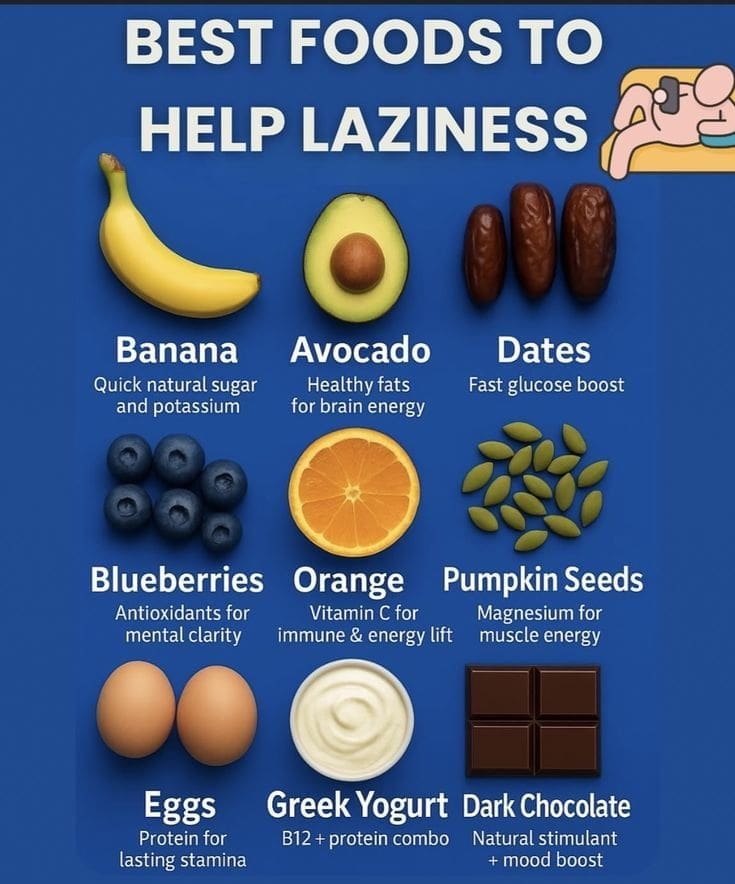
Choosing the right Foods For Energy can help support your body throughout the day and reduce feelings of fatigue. Many people rely on quick fixes like sugary snacks or caffeine, but these often lead to short bursts of energy followed by crashes. A balanced diet that includes nutrient-rich foods can help provide more consistent and sustainable energy.
Incorporating a variety of Foods For Energy into your meals can enhance your overall well-being and keep you energized throughout the day.
Foods For Energy: Why Nutrition Matters for Daily Vitality
Understanding Foods For Energy can help people make better dietary choices that support overall well-being. Foods that contain complex carbohydrates, healthy fats, and protein can provide steady fuel for the body. By focusing on whole and nutritious ingredients, it becomes easier to maintain energy levels and stay active throughout the day.
Some of the best Foods For Energy include whole grains, fruits, and vegetables that provide essential nutrients.
Understanding Energy
Before we jump into the delicious details of energy-boosting foods, it’s essential to understand what energy really means in this context. Your body requires energy to function, and this energy primarily comes from the food you eat. When you consume food, your body breaks it down into smaller components, converting it into energy in the form of glucose. The more balanced and nutritious your diet, the better your energy levels will be.

The Role of Macronutrients
Macronutrients — carbohydrates, proteins, and fats — each play a crucial role in providing energy.
- Carbohydrates: Known as the body’s primary source of energy, these can be found in foods like fruits, vegetables, and whole grains. They get broken down into glucose, which is essential for energy.
- Proteins: While not primarily used for energy, they play a significant part in building and repairing tissues, which can indirectly support energy levels. Sources include meat, dairy, and legumes.
- Fats: These provide a concentrated source of energy and are essential for the absorption of certain vitamins. Healthy fats can be found in avocados, nuts, and olive oil.
Understanding how these macronutrients work together can empower you to choose foods that sustain your energy levels effectively.
Foods That Boost Energy
Exploring various Foods For Energy can lead you to discover new favorites that you can incorporate into your diet.
Now, let’s explore the various foods that are known to provide a significant energy boost.
1. Whole Grains
Whole grains are packed with complex carbohydrates, fiber, and essential nutrients. They are excellent for maintaining energy levels throughout the day.
- Examples: Brown rice, quinoa, oats, and whole grain bread.
Whole grains digest slowly, providing a steady release of glucose into your bloodstream. This gradual increase in energy helps avoid the dreaded energy crash often associated with refined grains.
2. Fruits
Choosing the right Foods For Energy can make a big difference in how you feel every day.
Fruits are not only delicious but also rich in vitamins, minerals, and natural sugars that can provide a quick energy boost.
- Examples: Bananas, apples, oranges, and berries.
Fruits like bananas are particularly good due to their potassium content, which helps in muscle function and energy production. Plus, their natural sugars can give you an immediate lift when you need it.
3. Vegetables
Packed with essential nutrients and fiber, vegetables are critical for overall health and sustained energy levels.
- Examples: Spinach, sweet potatoes, broccoli, and carrots.
Leafy greens such as spinach contain iron, which is vital for energy production in the body. Sweet potatoes are complex carbohydrates that provide lasting energy without causing spikes in blood sugar.
4. Lean Proteins
Incorporating lean proteins and other Foods For Energy can significantly boost your stamina.
Incorporating lean proteins into your diet can help maintain energy levels by keeping you full longer and supporting muscle health.
- Examples: Chicken, turkey, fish, tofu, and legumes.
Fish like salmon is not only a great source of protein but also rich in omega-3 fatty acids, contributing to brain energy and function.
5. Nuts and Seeds
Nuts and seeds are power-packed energy boosters that provide healthy fats, proteins, and a host of essential nutrients.
- Examples: Almonds, walnuts, chia seeds, and flaxseeds.
A handful of nuts can provide sustained energy, while chia seeds are great for hydration and energy due to their high fiber content.
6. Dairy Products
Many people overlook dairy as one of the Foods For Energy that can assist in maintaining energy levels.
Dairy products are excellent sources of protein and calcium, crucial for energy production and muscle function.
- Examples: Yogurt, milk, and cheese.
Greek yogurt, in particular, is rich in protein and can be a great snack option to keep your energy levels stable throughout the day.
7. Dark Chocolate
Yes, you read that right! Dark chocolate can be a delightful and energizing treat thanks to its unique properties.
- Benefits: Contains caffeine and theobromine, which can enhance mood and energy levels.
Opt for dark chocolate with at least 70% cocoa for the best benefits and try to enjoy it in moderation as part of a balanced diet.
8. Eggs
Eggs are a versatile ingredient that can serve as one of the best Foods For Energy in your diet.
Eggs are a nutrient-dense food that provides high-quality protein and essential vitamins and minerals.
- Benefits: They help maintain energy levels by providing amino acids that aid in muscle repair and recovery.
Eggs are versatile and can be enjoyed in many forms, whether scrambled, boiled, or as an ingredient in healthy baked goods.
Energy-Boosting Snacks
If you’re looking for quick ways to recharge during the day, consider some of these energy-boosting snacks:
1. Trail Mix
Trail mix, rich in Foods For Energy, is an easy snack to prepare and take on the go.
Combining nuts, seeds, and dried fruit can create a satisfying snack that provides carbohydrates and healthy fats.
2. Hummus and Vegetables
Hummus made from chickpeas is a protein-rich dip, and when paired with veggies, it offers a crunchy, satisfying snack.
3. Smoothies
A smoothie can be customized with fruits, spinach, yogurt, and protein powder to create a nutrient-rich drink that boosts energy.
4. Rice Cakes with Nut Butter
Rice cakes topped with nut butter deliver complex carbohydrates and healthy fats, providing longer-lasting energy.
The Importance of Hydration
Moreover, pairing hydrating beverages with Foods For Energy ensures you’re getting the most from your meals.
While food plays a significant role in energy levels, hydration cannot be overlooked. Water is essential for every cell in your body, including those responsible for energy production.
Tips for Staying Hydrated
- Carry a water bottle: Having water on hand makes it easier to remember to drink throughout the day.
- Set reminders: You might find it helpful to set reminders on your phone to take a drink.
- Infuse your water: If you find plain water boring, infuse it with fruits or herbs for added flavor.
Staying hydrated ensures that your body functions optimally, supporting energy levels and overall health.
Timing Your Meals for Maximum Energy
The timing of your meals can significantly influence your energy levels. Eating smaller, more frequent meals throughout the day can help keep your energy stable.
By timing your meals with the right Foods For Energy, you can keep your energy levels optimized.
Recommended Meal Plan
Here’s a simple meal plan to illustrate how you could structure your meals and snacks to maintain energy:
Oatmeal is one of the classic Foods For Energy that can kickstart your day.Incorporating apple slices as one of your Foods For Energy can be refreshing and nutritious.
| Time | Meal/Snack | Foods |
|---|---|---|
| 7:30 AM | Breakfast | Oatmeal topped with berries and nuts |
| 10:30 AM | Snack | Greek yogurt with honey |
| 12:30 PM | Lunch | Quinoa salad with vegetables and chicken |
| 3:00 PM | Snack | Apple with almond butter |
| 6:30 PM | Dinner | Baked salmon with sweet potatoes and kale |
| 8:30 PM | Evening Snack | Dark chocolate or a small handful of nuts |
This schedule emphasizes balanced and nutritious foods while allowing you to enjoy regular snacks that can keep your energy from waning in the afternoon.
Maintaining a consistent intake of Foods For Energy can ensure that you feel your best throughout the day.
Foods to Limit for Better Energy
Just as certain foods can boost your energy, some can leave you feeling sluggish. It’s essential to be aware of these foods and limit their intake to maintain high energy levels.
Being aware of these specific Foods For Energy can help you make healthier choices.
1. Sugary Foods
Foods high in sugar can lead to spikes in energy followed by rapid crashes. These include candy, soda, and sugary pastries.
2. Processed Foods
Highly processed foods often lack essential nutrients and can lead to energy dips. Try to stick with whole, unprocessed options whenever possible.
3. Caffeine in Excess
While a little caffeine can provide a boost, too much can lead to jitters and energy crashes. Try to moderate your intake and avoid caffeine late in the day.
Lifestyle Factors Affecting Energy
While food is a significant player in your energy levels, several lifestyle factors can also have an impact.
Ultimately, a combination of good food choices, especially Foods For Energy, can enhance your vitality.
Sleep Quality
Getting enough restful sleep is vital for maintaining energy levels. Quality sleep helps your body repair and rejuvenate, preparing you for the day ahead.
Regular Exercise
Engaging in regular physical activity can boost your energy levels both directly and indirectly. Exercise promotes better sleep, increases stamina, and improves overall health.
Stress Management
High stress can drain your energy quickly. Incorporating stress management techniques like meditation, deep breathing, or yoga can help keep your energy more stable.
Pay attention to how different Foods For Energy affect your body and energy levels.
Listening to Your Body
Finally, it’s essential to tune into your body and its unique needs. Everyone is different, and what works for one person may not work for you. Pay attention to how different foods make you feel in terms of energy and overall well-being.
By focusing on Foods For Energy, you can create a diet that supports your active lifestyle.
By being mindful of your dietary choices and incorporating a variety of energy-boosting foods, you can create a sustainable plan to keep your energy levels high throughout the day. Remember to hydrate, get enough rest, and find ways to manage your stress effectively.
Ultimately, making small changes to your diet and lifestyle can lead to significant improvements in your energy levels and overall quality of life. So next time you’re preparing your meals or planning your snacks, think about how you can incorporate some of these delicious, energy-friendly foods into your routine. Enjoy the process of nourishing your body and feeling your best!
Make it a habit to include various Foods For Energy in your meals and snacks for optimal performance.
[hfe_template id=’4070′]