Meditation Simplified: 5 Steps to Self-Discovery
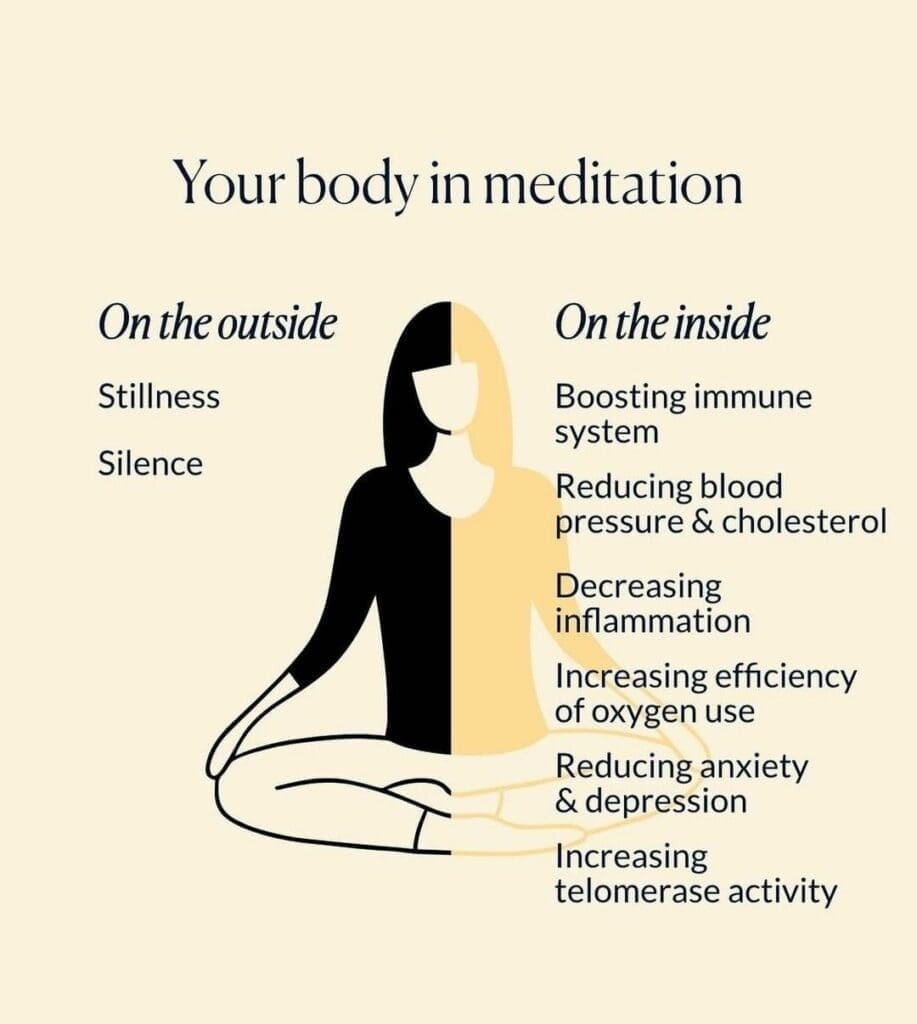
Are you ready to embark on a journey of self-discovery and inner peace through meditation? In today’s fast-paced world, finding moments of stillness and tranquillity can seem like a luxury. However, incorporating meditation into your daily routine can help you cultivate mindfulness, reduce stress, and uncover a deeper sense of self. Whether you’re a beginner or someone looking to deepen your practice, this article offers five simple techniques that make meditation easy and accessible. From guided meditations to breath awareness exercises, these methods can be incorporated into your busy schedule, allowing you to experience the transformative power of meditation. So take a deep breath, relax, and let’s dive into the world of meditation, where a calmer and more cantered version of yourself awaits. Discover the simplicity and profound benefits of these techniques as you embark on a journey of self-discovery and inner peace through the practice of meditation. Benefits of Meditation and Mindfulness Meditation has been practiced for centuries for its numerous physical, mental, and emotional benefits. Incorporating meditation into your daily routine can have a profound impact on your overall well-being. One of the key benefits of meditation is its ability to reduce stress and anxiety. By focusing your attention on the present moment, you can let go of worries about the past or future and find a sense of calm and peace. Moreover, meditation can improve your focus and concentration, allowing you to be more present in all areas of your life. It can also enhance your self-awareness and help you develop a deeper understanding of your thoughts and emotions. By cultivating mindfulness, you can become more attuned to your body and mind, leading to better decision-making and improved relationships. Additionally, meditation has been found to have physical health benefits. It can lower blood pressure, reduce inflammation, and boost the immune system. Regular meditation practice is also associated with improved sleep quality, increased energy levels, and a stronger sense of overall well-being. With all these benefits, it’s no wonder that meditation has gained popularity in recent years as a powerful tool for self-care and personal growth. Different Types of Meditation Techniques Before we delve into the techniques, it’s important to understand that there is no one-size-fits-all approach to meditation. Different techniques work for different individuals, and it’s essential to find what resonates with you. Here are five simple meditation techniques that can help you get started on your mindfulness journey: Technique 1: Mindful Breathing Mindful breathing is one of the simplest and most accessible meditation techniques. It involves focusing your attention on your breath and observing it without judgment. Find a quiet and comfortable place to sit or lie down. Close your eyes and take a few deep breaths, allowing your body to relax. Then, shift your attention to your breath. Notice the sensation of the air entering and leaving your body. Observe the rise and fall of your abdomen or the feeling of the breath passing through your nostrils. Whenever your mind starts to wander, gently bring your attention back to your breath. Practice this technique for a few minutes each day, gradually increasing the duration as you become more comfortable. Technique 2: Body Scan Meditation Body scan meditation is a technique that involves systematically scanning your body and bringing awareness to each part. Find a comfortable position, either sitting or lying down. Close your eyes and begin by bringing your attention to your toes. Notice any sensations you feel, such as warmth or tingling. Slowly move your attention up through your body, paying attention to each area. Notice any tension or discomfort and allow it to release as you continue to scan. This technique helps you become more attuned to your body and can be particularly useful for relieving physical tension and promoting relaxation. Technique 3: Loving-Kindness Meditation Loving-kindness meditation, also known as Metta meditation, is a practice that cultivates feelings of compassion and love towards oneself and others. Find a comfortable position and close your eyes. Begin by directing loving-kindness towards yourself. Repeat phrases such as “May I be happy, may I be healthy, may I live with ease.” Visualize yourself surrounded by love and warmth. After a few minutes, extend these wishes to others, starting with someone you care about, then gradually expanding to include acquaintances, strangers, and even difficult people in your life. This practice helps cultivate a sense of connection and empathy towards yourself and others. Technique 4: Guided Visualization Guided visualization is a technique that uses the power of imagination to create a sense of calm and relaxation. Find a quiet place where you won’t be disturbed, sit or lie down, and close your eyes. You can either use a guided meditation app or listen to a recording that guides you through a visualization exercise. It may involve imagining a peaceful scene, such as a beach or a forest, and engaging your senses by visualizing the sights, sounds, and smells. Allow yourself to immerse in this mental imagery and let go of any tension or worries. Guided visualization is an effective technique for reducing stress and promoting a sense of inner peace. Technique 5: Mantra Meditation Mantra meditation involves repeating a word or phrase, known as a mantra, to focus your mind and cultivate a state of deep relaxation. Choose a word or phrase that resonates with you, such as “peace” or “love.” Find a comfortable position, close your eyes, and begin to repeat the mantra silently or aloud. Allow the mantra to become your focal point, letting go of any other thoughts or distractions. If your mind wanders, gently bring your attention back to the mantra. This technique can help quiet the mind and create a sense of inner stillness. Incorporating Meditation into Your Daily Routine Now that you have learned about different meditation techniques, it’s time to incorporate them into your daily routine. The key to a successful meditation practice is consistency. Start by setting aside a specific time each day for meditation. It can be in the morning
Meditation Simplified: 5 Steps to Self-Discovery Read More »