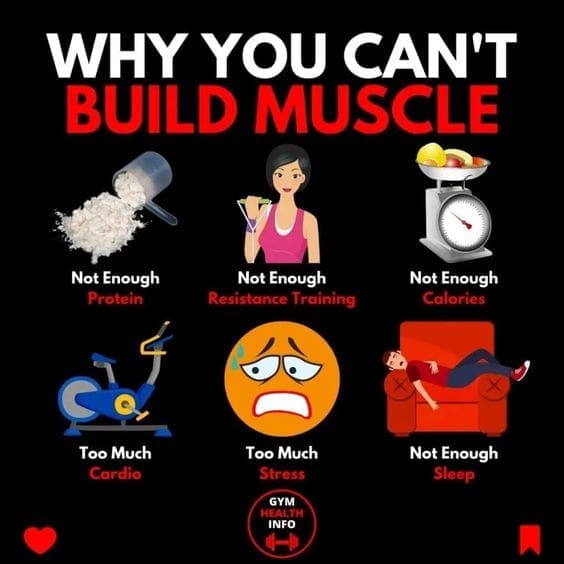
Body

Work out - Build Muscles

10 Workout Hacks for Quick and Visible Results: Get Fit in No Time!

Are you tired of spending hours at the gym with little to show for it? Look no further! In this article, you will discover 10 workout hacks that are guaranteed to give you quick and visible results, allowing you to get fit in no time. Whether you are a beginner or a seasoned fitness enthusiast, these simple yet effective tips will help you maximize your workout potential, increase your energy levels, and achieve your fitness goals faster than ever before. Say goodbye to endless hours of sweating and hello to a fitter, healthier you! 1. Set Specific Goals 1.1 Determine what aspects of fitness you want to improve When it comes to achieving your fitness goals, it’s essential to have a clear understanding of what you want to accomplish. Take some time to reflect on your current fitness level and identify the areas you want to improve. Do you want to build strength, increase endurance, lose weight, or enhance flexibility? By identifying your specific fitness goals, you can create a targeted and effective workout routine. 1.2 Set measurable and realistic goals Once you have determined what aspects of fitness you want to improve, it’s important to set measurable and realistic goals. Setting measurable goals allows you to track your progress and stay motivated. For example, instead of simply saying, “I want to get stronger,” set a goal like, “I want to be able to do 10 push-ups without stopping within two months.” These goals provide you with a clear target to work towards. Additionally, it’s crucial to ensure that your goals are realistic and attainable. Setting unrealistic goals can lead to frustration and disappointment, potentially causing you to give up on your fitness journey altogether. Break your larger goals into smaller milestones that you can achieve along the way. Celebrating these small victories will keep you motivated and encouraged. 1.3 Write down your goals for increased accountability Writing down your fitness goals can significantly increase your accountability and commitment to achieving them. When you put your goals on paper, they become more tangible and concrete. Keep a fitness journal or use a note-taking app to jot down your goals and track your progress. Having a visual reminder of your objectives can help you stay focused and dedicated to your fitness routine. 2. Prioritize Strength Training 2.1 Understand the benefits of strength training Strength training is a fundamental component of any well-rounded fitness routine. It involves exercises that work your muscles against resistance, such as lifting weights or using resistance bands. Engaging in regular strength training offers numerous benefits, including increased muscle strength and endurance, improved bone density, enhanced metabolism, and even improved mood and mental health. 2.2 Include compound exercises for maximum efficiency When prioritizing strength training, it’s important to include compound exercises in your workout routine. Compound exercises are movements that engage multiple muscle groups simultaneously. Examples of compound exercises include squats, deadlifts, push-ups, and pull-ups. These exercises are incredibly efficient as they work multiple muscles at once, allowing you to get more done in less time. 2.3 Incorporate progressive overload to challenge your muscles To continue making progress in your strength training journey, it’s crucial to incorporate progressive overload. Progressive overload involves gradually increasing the demands placed on your muscles over time. This can be achieved by continuously increasing the weight you lift, increasing the number of repetitions or sets, or decreasing rest periods between sets. By challenging your muscles with progressive overload, you encourage them to grow and adapt, leading to increased strength and muscle development. 3. High-Intensity Interval Training (HIIT) 3.1 Learn the concept and benefits of HIIT workouts High-Intensity Interval Training, or HIIT, is a workout method that alternates between short bursts of intense exercise and brief recovery periods. This form of exercise has gained popularity due to its efficiency and effectiveness in burning calories and improving cardiovascular health. HIIT workouts can be adapted to various forms of exercise, such as running, cycling, or bodyweight exercises. The benefits of HIIT workouts extend beyond calorie burn. HIIT has been shown to increase your metabolism, improve heart health, and enhance insulin sensitivity. Additionally, HIIT workouts can be completed in a shorter amount of time compared to traditional steady-state cardio, making them a practical option for those with busy schedules. 3.2 Choose exercises that elevate your heart rate To perform a HIIT workout effectively, it’s important to choose exercises that elevate your heart rate significantly. This can be achieved through exercises like burpees, squat jumps, mountain climbers, or kettlebell swings. These exercises engage multiple muscle groups and require a high level of effort, ensuring that your heart rate remains elevated throughout the workout. 3.3 Alternate between short bursts of intense exercise and recovery periods The key to a successful HIIT workout is the alternation between short bursts of intense exercise and recovery periods. Aim for a work-to-rest ratio of around 2:1, where your intense exercise intervals last for 20-30 seconds, followed by 10-15 seconds of active recovery or complete rest. Repeat this pattern for several rounds, gradually increasing the duration of the workout as your fitness level improves. 4. Engage in Active Rest Days 4.1 Understand the importance of rest and recovery Rest and recovery are crucial components of any fitness routine. It’s during these periods that your body repairs and rebuilds muscles, replenishes energy stores, and reduces the risk of injuries. Neglecting rest and recovery can lead to overtraining, fatigue, and decreased performance. Therefore, it’s important to prioritize active rest days to give your body the time it needs to rest and rejuvenate. 4.2 Incorporate active rest days to keep your body moving Active rest days are days where you engage in low-intensity activities to keep your body moving without putting excessive strain on your muscles. This can include activities like walking, cycling, or engaging in light recreational sports. Active rest days promote blood flow, help with muscle recovery, and can even assist in reducing delayed onset muscle soreness (DOMS). 4.3 Engage in low-impact activities like

10 Workout Hacks for Quick and Visible Results: Get Fit in No Time! Read More »

yoga benefits of man

Benefits Of Yoga For Men

Discover the benefits of yoga for men. From increased flexibility to reduced stress, improve your physical performance and overall well-being. Although yoga is often associated with women, more and more men are recognizing the physical and mental benefits that this ancient practice provides. From increased flexibility and strength to improved stress management and mental clarity, yoga offers a holistic approach to health and well-being that is beneficial for men of all ages and fitness levels. Discover how incorporating yoga into your routine can enhance your physical performance, reduce the risk of injuries, and promote overall wellness.   Physical Fitness Strength and Muscle Building Engaging in yoga practices can significantly contribute to enhancing strength and building muscle. Although yoga is often associated with gentle stretching and relaxation, it also includes various poses that require the activation of muscles throughout the body. These poses, known as asanas, challenge and strengthen muscles, promoting overall physical fitness. By regularly practicing yoga, we can develop functional muscles that are not only aesthetically pleasing but also improve our physical performance in daily activities and other sports. Flexibility and Balance Flexibility and balance are crucial components of physical fitness, and yoga excels in improving both aspects. Yoga poses involve stretching and lengthening muscles, tendons, and ligaments, gradually increasing our flexibility over time. Additionally, many yoga poses require balance and stability, which help improve proprioception – the body’s ability to sense its position in space. Enhanced flexibility and balance not only contribute to better physical performance but also reduce the risk of injuries, especially as we age. Improved Endurance Yoga is often perceived as a low-impact exercise, but it can significantly improve endurance and stamina. Holding yoga poses for an extended period challenges our cardiovascular system, gradually increasing our lung capacity and endurance. Through regular practice, we can enhance our ability to perform physical activities for longer periods without experiencing excessive fatigue. This improved endurance can benefit various aspects of our lives, from daily tasks to participating in sports or recreational activities. Weight Management Maintaining a healthy weight is essential for overall physical well-being, and practicing yoga can support weight management efforts. Yoga sessions typically involve a combination of cardiovascular exercises, strength-building poses, and mindful movement that can burn calories and promote weight loss. Moreover, yoga can help regulate hormonal imbalances that may contribute to weight gain. By incorporating yoga into our fitness routine and adopting a balanced diet, we can effectively manage our weight and achieve a healthier body composition. Injury Prevention and Rehabilitation Reduced Risk of Injuries One of the significant benefits of practicing yoga is its potential to reduce the risk of injuries. The controlled and deliberate movements in yoga poses promote body awareness, allowing us to identify potential areas of weakness or imbalance. By addressing these areas through specific poses and exercises, we can strengthen vulnerable muscles and prevent injuries. Additionally, yoga enhances flexibility and range of motion, reducing the likelihood of muscle strains and tears, which are common in activities that require sudden movement or high impact. Faster Recovery If an injury does occur, incorporating yoga into the rehabilitation process can contribute to faster recovery times. Gentle yoga exercises, tailored to the injured area, can aid in restoring flexibility, strength, and function. Moreover, the meditative aspect of yoga promotes relaxation, reducing stress levels and supporting the body’s natural healing processes. By gradually reintroducing yoga postures and movements, we can facilitate a smooth rehabilitation process and return to our regular activities sooner. Improved Posture In today’s sedentary lifestyle, maintaining good posture is becoming increasingly challenging. However, yoga can serve as a powerful tool for improving and maintaining optimal posture. Many yoga poses target the muscles and structures responsible for supporting the spine, such as the core muscles and the back muscles. By strengthening these muscles and practicing proper alignment during yoga sessions, we can correct postural imbalances and develop a healthier posture. Improved posture not only enhances our appearance but also reduces the risk of chronic pain and injuries associated with poor alignment. Stress Reduction and Mental Well-being Stress Relief Amidst the demands and pressures of modern life, managing stress is crucial for our overall well-being. Engaging in regular yoga practice provides an effective way to alleviate stress and promote relaxation. Yoga combines physical movements, breathing techniques, and mindfulness to create a holistic experience that calms the nervous system and reduces stress levels. The focused attention on breath and body during yoga sessions helps to shift our focus away from external stressors, allowing us to find a sense of inner peace and tranquillity. Better Sleep Inadequate sleep can have detrimental effects on our physical and mental health. Incorporating yoga into our daily routine can promote better sleep by improving sleep quality and quantity. The deep stretching and relaxation techniques employed in yoga help release tension in the body, relieving physical discomforts that may interfere with sleep. Additionally, the meditative aspect of yoga helps calm the mind and reduce racing thoughts, facilitating a peaceful and restorative sleep. By practicing yoga regularly, we can establish healthy sleep patterns and wake up feeling refreshed and rejuvenated. Enhanced Focus and Concentration The practice of yoga involves focusing the mind on the present moment, allowing distractions to fade away. This cultivation of mental focus and concentration extends beyond the yoga mat and can positively impact our daily lives. Regular yoga practice enhances our ability to concentrate on tasks, improves mental clarity, and promotes a sense of mindfulness in all aspects of life. By training our minds to be more present and focused, we can increase productivity, make better decisions, and experience a greater sense of fulfillment in our endeavours. Heart Health Reduced Blood Pressure High blood pressure, or hypertension, is a significant risk factor for cardiovascular diseases. However, incorporating yoga into our lifestyle can help reduce blood pressure levels and promote heart health. Numerous studies have shown that practicing yoga regularly can lead to a significant decrease in both systolic and diastolic blood pressure. The combination of physical movement,

Benefits Of Yoga For Men Read More »

sleep 2

10 Easy Ways to Embrace Healthy Living in Your Daily Routine

Living a healthy lifestyle doesn’t have to be complicated or overwhelming. In fact, it can be as simple as making a few small changes to your daily routine. By incorporating healthy habits into your everyday life, you can improve your overall well-being and set yourself up for long-term success. From nourishing your body with nutritious foods to finding time for exercise and self-care, there are countless ways to prioritize your health and make positive choices. In this article, we will explore 10 simple and practical ways to incorporate healthy living into your daily routine. Whether you are a busy professional or a stay-at-home parent, these tips are designed to be easily integrated into any lifestyle. So, let’s dive in and discover how you can take small steps towards a healthier and happier you. Why is healthy living important? Living a healthy lifestyle is essential for maintaining overall well-being. It not only improves physical health but also has a positive impact on mental and emotional well-being. When you prioritize your health, you are better equipped to handle the challenges that life throws at you. Healthy living can help boost your immune system, increase energy levels, and improve productivity. It can also reduce the risk of chronic diseases such as heart disease, diabetes, and certain types of cancer. Additionally, healthy habits can improve mental clarity, reduce stress and anxiety, and promote better sleep. Overall, incorporating healthy living into your daily routine is crucial for leading a fulfilling and balanced life. Benefits of incorporating healthy habits into your daily routine Incorporating healthy habits into your daily routine offers numerous benefits that can enhance your quality of life. One of the key benefits is increased energy levels. When you nourish your body with nutritious foods and engage in regular exercise, you provide it with the fuel it needs to function optimally. This can result in higher energy levels throughout the day, allowing you to be more productive and focused. Another benefit is improved mental and emotional well-being. Engaging in self-care activities, such as practicing mindfulness or taking time for relaxation, can reduce stress and improve overall mood. Additionally, incorporating healthy habits can boost your immune system, reduce the risk of chronic diseases, and promote a longer and healthier life. By prioritizing your health, you are investing in a happier and more fulfilling future. Start your day right: Morning rituals for a healthy lifestyle The way you start your day sets the tone for the rest of it. By incorporating healthy morning rituals into your daily routine, you can kickstart your day on a positive note. One of the most effective habits to adopt is drinking a glass of water as soon as you wake up. This helps rehydrate your body after a night of sleep and aids in digestion. Another important practice is to eat a balanced breakfast. This provides your body with essential nutrients and energy to fuel your day. You can also incorporate exercise into your morning routine, whether it’s a quick walk, yoga session, or a full workout. Moving your body in the morning not only increases metabolism but also boosts mood and energy levels. Finally, taking a few moments for mindfulness or meditation can help set a calm and focused mindset for the day ahead. By incorporating these simple morning rituals, you can start your day on the right foot and prioritize your health. Move your body: Incorporating exercise into your daily routine Regular exercise is a key component of a healthy lifestyle. It not only helps maintain a healthy weight but also improves cardiovascular health, strengthens muscles, and increases flexibility. Finding ways to incorporate exercise into your daily routine is essential for reaping these benefits. One simple way is to prioritize movement throughout the day. Take the stairs instead of the elevator, go for a walk during your lunch break, or engage in active hobbies such as gardening or dancing. If you prefer structured workouts, find activities that you enjoy and can commit to regularly. This could be joining a gym, participating in group fitness classes, or following online workout videos. Remember, consistency is key when it comes to exercise. Aim for at least 150 minutes of moderate-intensity aerobic activity or 75 minutes of vigorous-intensity aerobic activity each week. By making exercise a non-negotiable part of your daily routine, you can reap the numerous physical and mental benefits it offers. Healthy eating made easy: Tips for meal planning and preparation Eating a nutritious diet is fundamental for a healthy lifestyle. However, with busy schedules and endless food options, it can be challenging to make healthy choices consistently. That’s where meal planning and preparation come in handy. By taking the time to plan your meals and prep ingredients in advance, you can set yourself up for success and make healthy eating more convenient. Start by creating a weekly meal plan that includes a balance of proteins, carbohydrates, healthy fats, and plenty of fruits and vegetables. Make a shopping list based on your meal plan and stick to it when grocery shopping. When you have all the necessary ingredients at hand, it becomes easier to prepare healthy meals at home. Consider batch cooking on weekends or setting aside a specific time each week for meal prep. This way, you can have nutritious meals ready to go, even on busy days. By making healthy eating a priority and incorporating meal planning and preparation into your routine, you can fuel your body with the nutrients it needs to thrive.   Prioritizing self-care: Mental and emotional well-being Taking care of your mental and emotional well-being is just as important as taking care of your physical health. Incorporating self-care activities into your daily routine can reduce stress, improve mood, and enhance overall well-being. One simple self-care practice is setting aside time each day for activities that bring you joy and relaxation. This could be reading a book, practicing a hobby, taking a bath, or spending time in nature. Another important aspect of self-care is

10 Easy Ways to Embrace Healthy Living in Your Daily Routine Read More »

massage is helpful

The Healing Power of Massage Therapy: Enhancing Relaxation and Well-being

Unveiling the Benefits of Massage Therapy for Your Body and Mind   Introduction: Massage therapy is a widely embraced holistic practice that offers numerous benefits for relaxation and overall well-being. Through the skilled manipulation of soft tissues, massage therapists help alleviate tension, reduce stress, and promote physical and mental relaxation. In this article, we will delve into the benefits of massage therapy and explore how this ancient practice can enhance your overall well-being. Stress Relief: Unwinding the Mind and Body One of the primary benefits of massage therapy is its ability to reduce stress levels. The soothing touch of a skilled therapist helps relax the body and mind, releasing tension and promoting a deep sense of calm. As stress melts away, massage therapy can improve your mood, increase energy levels, and enhance overall well-being. Muscle Relaxation: Easing Tension and Enhancing Flexibility Massage therapy specifically targets muscle tension, helping to release tightness and knots that can accumulate due to stress, poor posture, or physical exertion. Through various techniques, such as Swedish massage or deep tissue massage, therapists apply pressure and utilize kneading motions to promote muscle relaxation. This can alleviate muscle soreness, improve flexibility, and enhance circulation, allowing for a greater sense of ease and freedom in movement. Pain Management: A Complementary Approach to Relief For those dealing with chronic pain, massage therapy can be an effective complementary approach to pain management. By reducing muscle tension and promoting relaxation, massage therapy can alleviate discomfort associated with conditions such as back pain, neck pain, headaches, and fibromyalgia. Furthermore, massage stimulates the release of endorphins, natural pain-relieving hormones in the body, offering a welcomed reprieve from persistent pain. Improved Sleep Quality: Drifting into Serenity Regular massage sessions can contribute to better sleep quality. The deeply relaxing nature of massage helps to calm the body and mind, creating an environment conducive to restful sleep. This can be particularly beneficial for individuals who struggle with insomnia or have difficulty achieving a state of deep relaxation necessary for rejuvenating sleep. Enhanced Mood and Mental Well-being: Nurturing Inner Harmony Massage therapy has a profound impact on mental health and well-being. By promoting relaxation and releasing endorphins, massage therapy can reduce symptoms of anxiety and depression, offering a respite from the challenges of daily life. The nurturing touch and peaceful ambiance of a massage session can create a sense of comfort and connection, contributing to an overall uplifted mood and improved mental well-being. Boosted Immune System: Fortifying Your Body’s Defense Massage therapy has been found to have immune-boosting effects. By reducing stress and promoting relaxation, it can enhance immune function and improve the body’s ability to fight off illnesses and infections. A strengthened immune system not only helps protect against common ailments but also supports overall health and vitality. Increased Body Awareness: Tuning In to Your Physical Self Massage therapy promotes body awareness by encouraging individuals to tune into their physical sensations and become more mindful of their bodies. This heightened awareness can help identify areas of tension or discomfort, allowing for proactive self-care and a better understanding of one’s body’s needs. By listening to the body’s signals, individuals can take steps to address imbalances and maintain optimal health. Lowered Blood Pressure: Relaxing the Body, Calming the Heart Regular massage sessions have been associated with reduced blood pressure levels. By inducing relaxation and reducing stress Lowered Blood Pressure: Relaxing the Body, Calming the Heart Regular massage sessions have been associated with reduced blood pressure levels. By inducing relaxation and reducing stress, massage therapy can contribute to a healthier cardiovascular system and help manage hypertension. The soothing touch and tranquil environment of a massage session create an ideal setting for the body to release tension and achieve a state of calm, resulting in lowered blood pressure and improved overall cardiovascular health. Improved Posture and Flexibility: Unleashing Your Body’s Potential Massage therapy can have a positive impact on posture and flexibility. By releasing tension in muscles that contribute to poor alignment, massage therapy helps improve posture and alleviate muscular imbalances. Additionally, it enhances flexibility by loosening tight muscles and improving joint mobility, allowing for a wider range of motion and better physical performance. With improved posture and flexibility, you can move more freely and comfortably throughout your daily activities. Overall Relaxation and Well-being: Embracing a Renewed Sense of Vitality Above all, massage therapy provides an unparalleled sense of relaxation and well-being. The combination of physical touch, a soothing environment, and the skilled techniques of a massage therapist creates an experience that promotes deep relaxation, rejuvenation, and a renewed sense of vitality. Whether you seek massage therapy for stress relief, pain management, or simply to indulge in a moment of self-care, the holistic benefits extend far beyond the massage table, permeating every aspect of your life. Conclusion: Massage therapy offers a wide range of benefits for relaxation and overall well-being. From stress relief and muscle relaxation to pain management and improved sleep quality, massage therapy has the power to enhance both the body and mind. By incorporating regular massage sessions into your wellness routine, you can experience the profound effects of this ancient healing practice and enjoy a more relaxed, balanced, and vibrant life.

The Healing Power of Massage Therapy: Enhancing Relaxation and Well-being Read More »

Balanced Nutrition 3

Building Optimal Health: The Importance of Balanced Nutrition

The Importance of Balanced Nutrition for a Healthy Life Introduction: A balanced and nutritious diet forms the foundation for optimal health and well-being. Providing your body with the essential nutrients it needs is crucial for supporting bodily functions, maintaining energy levels, and preventing chronic diseases. In this article, we will explore the importance of balanced nutrition, discuss key nutrients, and provide practical tips for making healthy food choices. Understanding Balanced Nutrition: Nourishing Your Body Balanced nutrition involves consuming a variety of foods from different food groups in appropriate proportions. This ensures that your body receives all the essential nutrients it needs to function optimally. The key nutrients include carbohydrates, proteins, fats, vitamins, minerals, and water. Carbohydrates for Sustained Energy: Fueling Your Body Carbohydrates are the body’s primary source of energy. Focus on consuming complex carbohydrates from whole grains, fruits, vegetables, and legumes. These provide sustained energy, fiber, vitamins, and minerals. opt for whole grain bread, brown rice, oats, and quinoa as your carbohydrate sources. Quality Proteins: Building Blocks of Life Proteins are the building blocks of the body and are essential for tissue repair, immune function, and hormone production. Choose lean sources of protein such as poultry, fish, beans, lentils, tofu, and Greek yogurt. These foods provide high-quality protein with fewer saturated fats. Incorporate a variety of protein sources into your meals to ensure you meet your daily protein needs. Healthy Fats: Essential for Your Well-being Healthy fats are crucial for hormone production, brain health, and nutrient absorption. Include sources of unsaturated fats such as avocados, nuts, seeds, olive oil, and fatty fish like salmon. These fats are heart-healthy and provide important omega-3 fatty acids. Limit saturated and trans fats found in processed foods and fatty meats to maintain a healthy balance. Essential Vitamins and Minerals: Nutrients for Overall Health3:  Ensure you obtain a variety of vitamins and minerals from your diet. Consume a rainbow of fruits and vegetables to benefit from different phytochemicals and micronutrients. Include sources of calcium (dairy or plant-based milk), iron (leafy greens, lean meats), and vitamin C (citrus fruits, berries) to support overall health. Incorporate a wide range of nutrient-dense foods into your meals to meet your body’s requirements. Hydration: Quenching Your Body’s Thirst Proper hydration is vital for overall well-being. Drink an adequate amount of water throughout the day to maintain bodily functions, support digestion, regulate body temperature, and transport nutrients. Monitor your water intake and adjust based on activity levels and climate. Herbal teas and infused water can also contribute to your hydration needs. Portion Control: Finding Balance in Every Meal Maintaining portion control is important to avoid overeating and promote a balanced diet. Use smaller plates and bowls to help control portion sizes. Fill half of your plate with vegetables, a quarter with lean protein, and the remaining quarter with whole grains or starchy vegetables. This balanced approach ensures you get a variety of nutrients in appropriate amounts. Whole Foods over Processed Foods: Nourishing Your Body with Real Food Choose whole, unprocessed foods over heavily processed options. Processed foods often contain added sugars, unhealthy fats, and artificial additives. Opt for whole grains, fresh fruits and vegetables, lean proteins, and minimally Whole Foods over Processed Foods: Nourishing Your Body with Real Food Choose whole, unprocessed foods over heavily processed options. Processed foods often contain added sugars, unhealthy fats, and artificial additives. Opt for whole grains, fresh fruits and vegetables, lean proteins, and minimally processed foods to maximize your nutrient intake. These foods are rich in vitamins, minerals, fiber, and antioxidants, providing your body with the essential nutrients it needs for optimal health. Mindful Eating: Nurturing a Healthy Relationship with Food Practice mindful eating by paying attention to your body’s hunger and fullness cues. Eat slowly, savoring each bite, and avoid distractions like screens or multitasking. This helps you enjoy your meals, recognize satiety, and prevent overeating. Listen to your body’s signals and choose foods that make you feel nourished and satisfied. Seek Professional Guidance: Personalizing Your Nutritional Needs If you have specific dietary concerns or health conditions, consult with a registered dietitian or healthcare professional. They can provide personalized advice and guidance based on your individual needs, ensuring that you meet your nutritional requirements for optimal health. They can help you create a balanced meal plan, address dietary restrictions or allergies, and offer support in achieving your health goals. Conclusion: Balanced nutrition is crucial for building a foundation of optimal health and well-being. By consuming a variety of nutrient-rich foods, including carbohydrates, proteins, healthy fats, vitamins, minerals, and staying hydrated, you provide your body with the necessary fuel and building blocks for a healthy life. Make informed food choices, practice portion control, and embrace mindful eating to nourish your body and support your overall well-being. Remember, small changes in your eating habits can lead to significant improvements in your health and vitality. [hfe_template id=’4070′]

Building Optimal Health: The Importance of Balanced Nutrition Read More »

Yoga for seniors

Sharp Mind and Body: Benefits of Exercise for Seniors

Regular exercise offers numerous benefits for seniors, positively impacting both their mind and body. Engaging in physical activity has been proven to help older adults maintain mental sharpness while promoting overall physical well-being. By incorporating exercise into their daily routines, seniors can experience improved cognitive function, enhanced cardiovascular health, increased strength and flexibility, and a boosted mood. The multifaceted advantages of exercise make it an essential component of maintaining a vibrant and healthy lifestyle in later years. Physical Benefits of Exercise for Seniors: One of the most obvious benefits of exercise for seniors is improved physical health. Regular exercise can help improve muscle strength, balance, and flexibility, which can help prevent falls and other injuries. This is especially important for seniors, as falls can have serious consequences, such as broken bones or head injuries. Strength training is particularly important for seniors, as it can help prevent muscle loss and maintain bone density. This can help reduce the risk of osteoporosis, a condition in which the bones become weak and brittle. By lifting weights or using resistance bands, seniors can increase their muscle mass and improve their overall strength. In addition to strength training, cardio exercises such as walking, biking, or swimming can help improve cardiovascular health. This can reduce the risk of heart disease, stroke, and other chronic conditions. Seniors who exercise regularly may also experience improved sleep, reduced inflammation, and better digestion. Mental Benefits of Exercise for Seniors: Exercise is not just good for the body – it’s also good for the mind. Research has shown that regular exercise can help improve cognitive function and reduce the risk of dementia. Exercise can also help reduce stress and anxiety, improve mood, and boost overall mental health. One way that exercise can improve cognitive function is by increasing blood flow to the brain. This can help improve memory, attention, and other cognitive abilities. Regular exercise has also been shown to increase the production of brain-derived neurotrophic factor (BDNF), a protein that is essential for the growth and maintenance of brain cells. Exercise can also help reduce the risk of depression and anxiety in seniors. By releasing endorphins and other feel-good chemicals in the brain, exercise can help improve mood and reduce stress. Additionally, exercise can provide a sense of accomplishment and purpose, which can help boost self-esteem and overall well-being. Exercise Recommendations for Seniors: So, what types of exercises are best for seniors? The answer depends on a variety of factors, including overall health, fitness level, and personal preferences. However, there are some general guidelines that can help seniors get started on a fitness journey. The American Heart Association recommends that seniors engage in at least 150 minutes of moderate-intensity aerobic activity per week, or 75 minutes of vigorous-intensity aerobic activity per week. This can include activities such as brisk walking, biking, or swimming. Additionally, seniors should engage in muscle-strengthening activities at least two days per week. When starting an exercise program, it’s important to start slowly and gradually increase intensity. Seniors should also be sure to warm up before exercising and cool down afterward, to prevent injury. Additionally, seniors should listen to their bodies and avoid overexertion. Tips for Seniors to Stay Motivated to Exercise: Starting a new exercise routine can be challenging, but there are some tips that can help seniors stay motivated and on track. One of the most important things is to find an activity that is enjoyable and fits into their lifestyle. Whether it’s taking a dance class, joining a walking group, or practicing yoga, seniors should choose an activity that they look forward to. Another way to stay motivated is to set realistic goals and track progress. Seniors can set goals such as walking a certain distance, lifting a certain weight, or completing a certain number of repetitions. By tracking progress, seniors can see how far they’ve come and stay motivated to continue. It’s also important to find a workout buddy or accountability partner. This can be a friend, family member, or even a personal trainer. Having someone to exercise with can make the experience more enjoyable and provide added motivation. Common Barriers to Exercise for Seniors and How to Overcome Them: There are many barriers that can prevent seniors from exercising regularly. Some of the most common barriers include lack of time, lack of motivation, and physical limitations. However, there are ways to overcome these barriers and make exercise a regular part of daily life. One way to overcome the barrier of lack of time is to break up exercise into smaller increments throughout the day. Seniors can take a 10-minute walk after each meal, or do a few sets of strength exercises during commercial breaks while watching TV. Lack of motivation can be overcome by finding an activity that is enjoyable and setting realistic goals. Additionally, seniors can find an accountability partner or join a group fitness class to stay motivated. Physical limitations can be challenging, but there are many exercises that can be modified to accommodate individual needs. Seniors with mobility issues can try exercises such as chair yoga or resistance band workouts. Seniors with joint pain can try low-impact exercises such as swimming or biking. Exercise Classes and Programs Designed Specifically for Seniors: Many gyms and community centers offer exercise classes and programs that are designed specifically for seniors. These classes often focus on low-impact exercises that are easy on the joints, such as yoga, Pilates, or water aerobics. Additionally, many senior centers offer group fitness classes that are tailored to specific needs, such as balance or strength training. Another option for seniors is to work with a personal trainer who specializes in senior fitness. A personal trainer can create a customized workout program that takes into account individual needs and limitations. The Importance of Consulting with a Healthcare Provider Before Beginning an Exercise Program: Before starting any new exercise program, it’s important for seniors to consult with their healthcare provider. This is especially important for seniors with chronic health

Sharp Mind and Body: Benefits of Exercise for Seniors Read More »

self care 3

The Importance of Self-Care in Building Confidence

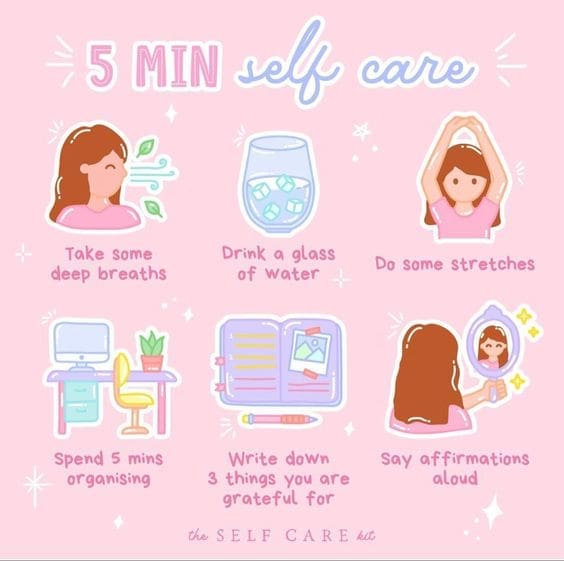
Self-care has become a buzzword in recent years, and for good reason. In today’s fast-paced world, it’s easy to prioritize work and other responsibilities over taking care of ourselves. However, neglecting self-care can have a significant impact on our confidence levels. When we fail to prioritize our physical, emotional, and mental well-being, we may begin to feel overwhelmed, stressed, and burnt out. This can lead to self-doubt, anxiety, and a lack of confidence in our abilities. On the other hand, taking the time to care for ourselves can have a transformative effect on our confidence. By engaging in activities that nourish our minds, bodies, and souls, we can boost our self-esteem and develop a deeper sense of self-worth. In this article, we’ll explore the importance of self-care in building confidence, and provide some practical tips for incorporating self-care into your daily routine. So, sit back, relax, and let’s dive into the world of self-care and confidence-building. What is self-care? Self-care is the practice of taking deliberate actions to enhance our physical, emotional, and mental well-being. It involves engaging in activities that promote self-love, self-compassion, and self-awareness. Self-care can take many forms, including exercise, meditation, journaling, reading, spending time with loved ones, and engaging in hobbies. The key to self-care is to identify activities that nourish and energize us, and to make them a priority in our daily lives. Self-care is not a luxury; it is a fundamental aspect of maintaining our health and well-being. Self-care can be broken down into three main categories: physical, emotional, and mental. Physical self-care involves taking care of our bodies through exercise, nutrition, and rest. Emotional self-care involves managing our emotions and nurturing our relationships. Mental self-care involves engaging in activities that promote mental clarity and well-being, such as meditation and journaling. All three categories are interconnected and equally important for our overall well-being. Why is self-care important for building confidence? Self-care is essential for building confidence because it helps us develop a positive relationship with ourselves. When we prioritize our self-care, we send a message to ourselves that we are valuable and deserving of love and attention. This, in turn, helps us develop a deeper sense of self-worth and self-esteem. When we feel good about ourselves, we are more likely to take risks, set goals, and pursue our dreams. On the other hand, when we neglect our self-care, we send a message to ourselves that we are not important. This can lead to feelings of self-doubt and a lack of confidence in our abilities. The benefits of self-care for mental health Self-care has numerous benefits for our mental health. By engaging in activities that promote self-love and self-compassion, we can reduce feelings of stress, anxiety, and depression. Self-care can also help us develop a greater sense of self-awareness, which can lead to a deeper understanding of our own thoughts, feelings, and behaviors. This can lead to greater emotional stability and resilience in the face of life’s challenges. Additionally, self-care can help us develop a more positive outlook on life, which can lead to a greater sense of well-being and happiness. The connection between self-care and self-esteem. Self-care and self-esteem are closely interconnected. When we prioritize our self-care, we send a message to ourselves that we are valuable and deserving of love and attention. This, in turn, helps us develop a deeper sense of self-worth and self-esteem. When we feel good about ourselves, we are more likely to take risks, set goals, and pursue our dreams. On the other hand, when we neglect our self-care, we send a message to ourselves that we are not important. This can lead to feelings of self-doubt and a lack of confidence in our abilities. Self-care practices to boost confidence There are many self-care practices that can help boost our confidence. Here are a few ideas: – Exercise: Regular exercise can help boost our mood and energy levels, and improve our physical health. This, in turn, can lead to greater confidence in our abilities. – Meditation: Meditation can help reduce feelings of stress and anxiety, and promote greater self-awareness and emotional stability. This can lead to greater confidence in our ability to manage our thoughts and emotions. – Journaling: Journaling can help us process our thoughts and feelings, and develop a greater sense of self-awareness. This can lead to greater confidence in our ability to understand our own thoughts and emotions. – Spending time with loved ones: Spending time with loved ones can help us feel more connected and supported, which can boost our confidence in our ability to navigate life’s challenges. – Engaging in hobbies: Engaging in hobbies can help us develop a sense of mastery and accomplishment, which can boost our confidence in our abilities. Mindfulness and self-care Mindfulness is the practice of being present and fully engaged in the current moment. Mindfulness can be a powerful tool for self-care because it can help us develop a greater sense of self-awareness and emotional stability. By being present in the moment, we can better understand our own thoughts and emotions, and develop greater insight into our own patterns of behavior. This, in turn, can help us make more informed choices about how to care for ourselves and boost our confidence in our ability to manage our own well-being. How to make self-care a daily habit Making self-care a daily habit can be challenging, but it is essential for our overall well-being. Here are a few tips for incorporating self-care into your daily routine: – Prioritize self-care: Make self-care a priority in your daily schedule, and treat it as an essential aspect of your overall health and well-being. – Start small: Begin by incorporating small self-care practices into your daily routine, such as taking a few minutes to meditate or journal. – Be consistent: Consistency is key when it comes to self-care. Try to engage in self-care activities at the same time each day, or on a regular schedule. – Be flexible: Life can be unpredictable, and it’s

The Importance of Self-Care in Building Confidence Read More »

Just a few elements of wellness

Top 10 Wellness Tips for a Balanced and Healthy Lifestyle

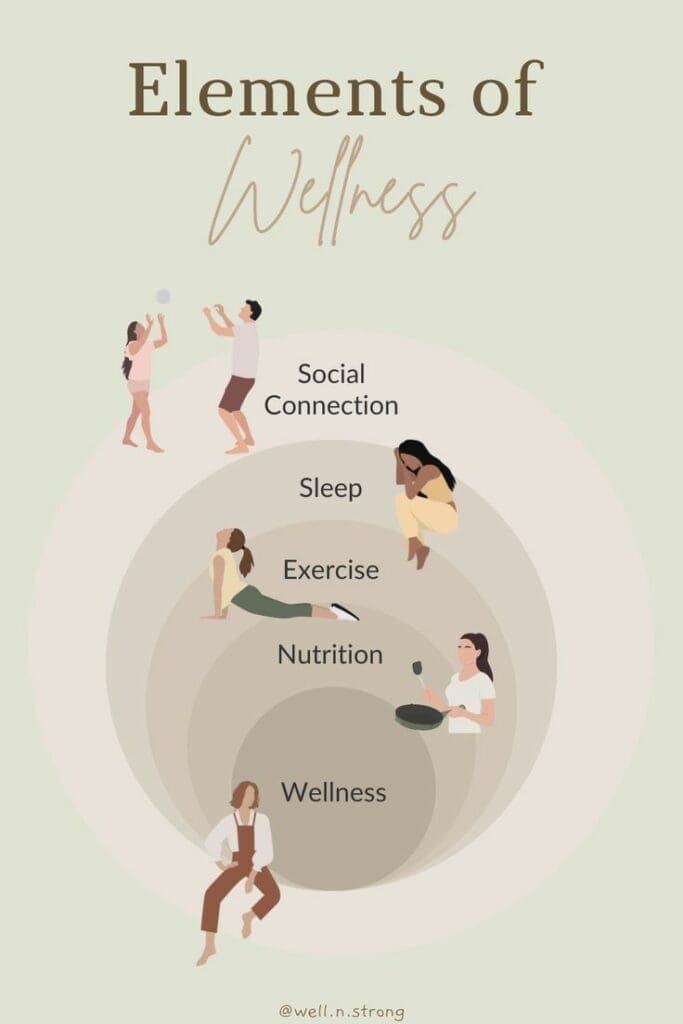
Welcome to a world of wellness where balance and health take center stage. In today’s fast-paced and demanding world, it’s crucial to prioritize our well-being and create a harmonious lifestyle that promotes both physical and mental wellness. Are you ready to embark on a journey towards a more balanced and healthy life? Look no further! In this article, we will explore 10 essential tips to help you achieve just that. From nourishing your body with wholesome foods to finding moments of tranquillity in a chaotic world, we’ll cover it all. So, sit back, relax, and get ready to discover the keys to unlocking a vibrant and fulfilling life. Join us as we delve into the world of wellness and empower ourselves to make positive changes that will have a lasting impact. Let’s dive in and embrace a lifestyle that embraces our well-being and brings us closer to a state of true balance and vitality. The Importance of Wellness in Maintaining a Balanced and Healthy Lifestyle Maintaining a balanced and healthy lifestyle is not just about eating right and exercising regularly. It’s a holistic approach that encompasses all aspects of our well-being, including physical, mental, and emotional health. When we prioritize our wellness, we are better equipped to handle the challenges of daily life, reduce the risk of chronic diseases, and enhance our overall quality of life. One of the key components of wellness is self-care. Taking time for ourselves, nurturing our bodies, and engaging in activities that bring us joy are all essential for maintaining balance. Self-care can take many forms, from indulging in a relaxing bath to practicing meditation or simply spending quality time with loved ones. By making self-care a priority, we can recharge and rejuvenate, allowing us to show up as our best selves in all areas of life. Another important aspect of wellness is stress management. In today’s fast-paced world, stress has become a common occurrence. However, chronic stress can have a detrimental effect on our physical and mental health. Finding healthy ways to manage stress is crucial for maintaining balance and well-being. This can include practices such as deep breathing exercises, yoga, or engaging in hobbies that bring us joy and relaxation. By managing stress effectively, we can improve our overall quality of life and reduce the risk of stress-related illnesses. In addition to self-care and stress management, wellness also involves taking care of our physical health. This includes eating a balanced diet, engaging in regular physical activity, and getting enough sleep. When we fuel our bodies with wholesome foods and stay active, we provide our bodies with the nutrients and energy they need to function optimally. Sleep, on the other hand, is essential for our bodies to rest and repair. By prioritizing these aspects of physical health, we can boost our immune system, improve our cognitive function, and have more energy to tackle the challenges of daily life. Healthy Eating Habits for Overall Well-being A balanced and healthy lifestyle starts with nourishing our bodies with wholesome foods. Healthy eating habits play a crucial role in maintaining optimal well-being and preventing chronic diseases. Here are some essential tips to help you establish healthy eating habits: 1. Focus on whole foods: Incorporate a variety of fruits, vegetables, whole grains, lean proteins, and healthy fats into your diet. These foods are rich in essential nutrients and antioxidants, which support overall health and well-being. 2. Stay hydrated: Drink plenty of water throughout the day to stay hydrated. Water is essential for digestion, nutrient absorption, and detoxification. Aim to drink at least 8 glasses of water per day. 3. Minimize processed foods: Processed foods are often high in added sugars, unhealthy fats, and artificial additives. Limit your intake of processed foods and opt for whole, unprocessed alternatives whenever possible. 4. Practice portion control: Pay attention to portion sizes and listen to your body’s hunger and fullness cues. Avoid overeating and aim for balanced meals that include a variety of nutrients. By adopting these healthy eating habits, you can nourish your body and support overall well-being. The Benefits of Regular Physical Activity Regular physical activity is not only beneficial for maintaining a healthy weight and physical fitness, but it also has numerous other benefits for our overall well-being. Here are some of the key benefits of regular exercise: 1. Improved cardiovascular health: Engaging in regular cardiovascular exercises, such as brisk walking, running, or cycling, can strengthen the heart and improve blood circulation. This can reduce the risk of heart disease and lower blood pressure. 2. Increased energy levels: Regular exercise can boost energy levels by improving blood flow and oxygen delivery to the muscles. It also stimulates the production of endorphins, which are natural mood boosters. 3. Enhanced mental well-being: Exercise has been shown to reduce symptoms of anxiety and depression, improve mood, and increase self-esteem. It can also improve cognitive function and memory. 4. Better sleep quality: Engaging in regular physical activity can improve sleep quality by promoting relaxation and reducing stress. However, it’s important to avoid vigorous exercise close to bedtime, as it can interfere with sleep. 5. Stronger immune system: Regular exercise can boost the immune system, making you less susceptible to common illnesses such as colds and flu. To reap the benefits of regular physical activity, aim for at least 150 minutes of moderate-intensity exercise or 75 minutes of vigorous-intensity exercise per week. Find activities that you enjoy and make them a part of your daily routine. Mental Health and Stress Management Techniques In today’s fast-paced and demanding world, mental health is as important as physical health. Taking care of our mental well-being is crucial for maintaining a balanced and healthy lifestyle. Here are some techniques to promote mental health and effectively manage stress: 1. Practice mindfulness: Mindfulness involves paying attention to the present moment without judgment. It can help reduce stress, enhance self-awareness, and improve overall mental well-being. Try incorporating mindfulness into your daily routine by practicing mindful breathing, eating, or walking. 2. Engage

Top 10 Wellness Tips for a Balanced and Healthy Lifestyle Read More »

intermittent fasting

Unlocking Optimal Nutrition: Surprising Benefits of Intermittent Fasting

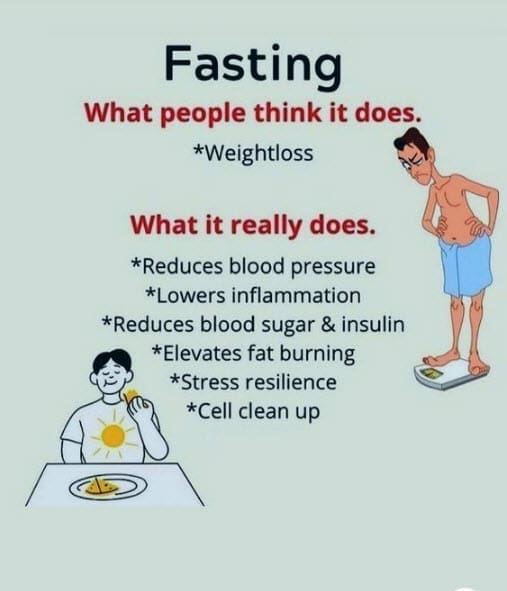
Unlocking Optimal Nutrition: Surprising Benefits of Intermittent Fasting Are you looking for a way to improve your nutritional habits and achieve optimal health? Look no further than intermittent fasting. This increasingly popular eating pattern isn’t just a passing trend; it has been proven to offer a wide range of surprising benefits for your body and mind. Intermittent fasting involves cycling between periods of fasting and eating, and while it may sound daunting at first, the rewards are well worth it. From weight loss and improved insulin sensitivity to increased energy levels and enhanced brain function, intermittent fasting has the potential to revolutionize your approach to nutrition. In this article, we will delve into the science behind intermittent fasting and explore the incredible advantages it can bring to your life. Get ready to discover how this simple yet powerful strategy can unlock a whole new level of wellness and vitality. What is intermittent fasting? Intermittent fasting is an eating pattern that involves cycling between periods of fasting and eating. It has been practiced for centuries in various cultures and has gained popularity in recent years due to its potential health benefits. There are different methods of intermittent fasting, such as the 16/8 method, where you fast for 16 hours and have an 8-hour eating window, or the 5:2 method, where you eat normally for 5 days and restrict calorie intake for 2 days.   The science behind intermittent fasting and its effects on the body. Intermittent fasting works by triggering various cellular and molecular changes in the body. When you fast, your body shifts from using glucose as its primary source of energy to burning stored fat for fuel. This metabolic switch leads to weight loss and improved body composition. Additionally, fasting stimulates autophagy, a process in which your body breaks down and recycles old and damaged cells, promoting cellular repair and rejuvenation. Benefits of intermittent fasting for weight loss One of the main reasons people turn to intermittent fasting is for weight loss. By restricting your eating window, you naturally consume fewer calories, leading to a calorie deficit and subsequent weight loss. Additionally, intermittent fasting can help regulate hormones related to hunger and satiety, such as ghrelin and leptin, making it easier to control your food intake. Intermittent fasting has also been shown to increase the production of human growth hormone (HGH), which aids in fat burning and muscle growth. This can result in improved body composition and a leaner physique. Improving insulin sensitivity through intermittent fasting Insulin is a hormone that plays a crucial role in regulating blood sugar levels. When you eat, your body releases insulin to help transport glucose into your cells for energy. However, in conditions like insulin resistance or type 2 diabetes, the body becomes less responsive to insulin, leading to elevated blood sugar levels. Intermittent fasting has been shown to improve insulin sensitivity, allowing your body to better utilize insulin and regulate blood sugar levels. This can lower the risk of developing insulin resistance and type 2 diabetes, as well as help manage existing conditions. Intermittent fasting for better brain health and focus Intermittent fasting not only benefits the body but also the brain. Studies have shown that fasting can increase the production of a protein called brain-derived neurotrophic factor (BDNF), which promotes the growth of new neurons and enhances brain function. This can improve cognitive function, memory, and focus. Furthermore, intermittent fasting has been linked to a reduced risk of neurodegenerative diseases such as Alzheimer’s and Parkinson’s. By reducing inflammation, promoting cellular repair, and increasing the production of antioxidants, fasting may help protect the brain against age-related decline. Intermittent fasting and its impact on metabolism Contrary to the belief that fasting slows down metabolism, intermittent fasting can actually have a positive effect on metabolic rate. During fasting periods, your body’s metabolic rate may increase as it shifts to burning stored fat for energy. This can lead to greater calorie expenditure and potentially enhance weight loss. Additionally, intermittent fasting has been shown to increase levels of adiponectin, a hormone involved in regulating metabolism. Higher levels of adiponectin have been associated with improved insulin sensitivity, reduced inflammation, and a lower risk of metabolic disorders. How intermittent fasting can improve gut health The health of your gut plays a crucial role in overall well-being. Intermittent fasting can support gut health by promoting a healthy gut microbiome, the community of bacteria living in your digestive system. Studies have shown that fasting can increase the diversity of gut bacteria and promote the growth of beneficial strains. Intermittent fasting also gives your digestive system a break, allowing it to rest and recover. This can reduce inflammation in the gut and improve conditions such as bloating, gas, and indigestion. Intermittent fasting and its role in reducing inflammation Chronic inflammation is a contributing factor to many health conditions, including heart disease, diabetes, and certain cancers. Intermittent fasting has been shown to reduce markers of inflammation in the body, such as C-reactive protein (CRP) and interleukin-6 (IL-6). By reducing inflammation, intermittent fasting may help lower the risk of developing chronic diseases and promote overall health and longevity. Intermittent fasting and its potential anti-aging benefits Aging is a natural process, but certain lifestyle factors can influence the rate at which our bodies age. Intermittent fasting has been associated with potential anti-aging benefits, primarily through its effects on cellular repair and autophagy. Fasting triggers cellular repair processes, helping to remove damaged molecules and promote the regeneration of healthy cells. This can slow down the aging process and potentially extend lifespan. Intermittent fasting tips and best practices If you’re considering trying intermittent fasting, here are some tips to help you get started: 1. Start slowly: Begin with a shorter fasting window and gradually increase it as your body adapts. 2. Stay hydrated: Drink plenty of water during fasting periods to stay hydrated and curb hunger. 3. Choose nutrient-dense foods: Focus on consuming whole, unprocessed foods during your eating window to maximize nutritional intake. 4.

Unlocking Optimal Nutrition: Surprising Benefits of Intermittent Fasting Read More »

strength training 1

10 Effective Strength Training Exercises for Building Lean Muscle

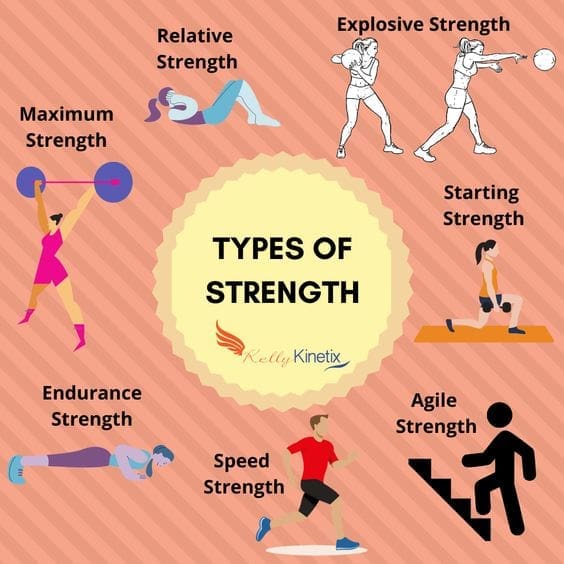
Are you ready to take your fitness journey to the next level? Building lean muscle not only helps you achieve a toned and sculpted physique, but it also boosts your metabolism and enhances your overall strength and performance. But with so many strength training exercises out there, it can be overwhelming to know where to start. That’s why we’ve done the hard work for you. In this article, we’ve compiled a list of the top 10 effective strength training exercises that will help you build lean muscle and transform your body. From squats and deadlifts to push-ups and lunges, these exercises target multiple muscle groups and are suitable for all fitness levels. Whether you’re a beginner or a seasoned gym-goer, our comprehensive guide will provide you with the knowledge and motivation you need to reach your muscle-building goals. Get ready to challenge yourself, push your limits, and achieve the physique you’ve always desired. Let’s dive in and make building lean muscle easy!   Benefits of strength training for muscle building Strength training is not just for bodybuilders or athletes. It offers a wide range of benefits that can improve your overall health and well-being. When it comes to building lean muscle, strength training is essential. Here are some of the key benefits: 1. Increased muscle mass: Strength training stimulates hypertrophy, the growth and increase in size of muscle cells. This leads to an increase in muscle mass, giving you a more defined and toned appearance. 2. Boosted metabolism: Building lean muscle increases your metabolic rate, meaning you burn more calories even at rest. This can be highly beneficial for weight management and fat loss. 3. Improved strength and performance: Strength training exercises target specific muscle groups, making them stronger and more resilient. This translates to improved performance in other physical activities, such as running, jumping, or lifting heavy objects. 4. Enhanced bone density: Strength training is not only good for your muscles but also for your bones. It helps stimulate bone growth and improves bone density, reducing the risk of osteoporosis and fractures. 5. Better posture and balance: Many strength training exercises focus on core muscles, which are essential for maintaining good posture and balance. By strengthening these muscles, you can improve your overall alignment and reduce the risk of injuries.   The science behind building lean muscle Building lean muscle is not just about lifting weights or doing endless repetitions. It requires a solid understanding of the science behind muscle growth. When you perform strength training exercises, you create micro-tears in your muscle fibres. These tears are then repaired during the recovery process, leading to muscle growth and increased strength. To maximize muscle growth, it’s important to follow these principles: 1. Progressive overload: Your muscles need to be consistently challenged in order to grow. This means gradually increasing the intensity, volume, or resistance of your workouts over time. Aim to push yourself beyond your comfort zone and progressively overload your muscles to stimulate growth. 2. Proper form and technique: Performing exercises with proper form and technique is crucial to target the intended muscles and avoid injuries. Focus on mastering the correct movement patterns before increasing the weight or intensity. 3. Rest and recovery: Rest days are just as important as your training days. During rest, your muscles repair and rebuild, leading to muscle growth. Make sure to incorporate rest days into your training program and prioritize quality sleep for optimal recovery. 10 effective strength training exercises for muscle growth Now that you understand the benefits of strength training and the science behind muscle growth, let’s dive into the top 10 effective strength training exercises that will help you build lean muscle. These exercises target multiple muscle groups and can be modified to suit your fitness level. 1. Squats: Squats are a compound exercise that targets the muscles in your lower body, including your quadriceps, hamstrings, and glutes. Start with bodyweight squats and gradually add weight as you progress. 2. Deadlifts: Deadlifts work your entire posterior chain, including your lower back, glutes, hamstrings, and calves. Focus on maintaining a neutral spine and engage your core throughout the movement. 3. Bench Press: The bench press is a classic exercise that primarily targets your chest muscles, as well as your triceps and shoulders. Start with lighter weights and gradually increase the load as you get stronger. 4. Overhead Press: The overhead press targets your shoulder and upper back muscles. It’s important to maintain proper form and avoid arching your back during the movement. 5. Pull-ups: Pull-ups are a challenging exercise that targets your back, biceps, and shoulders. If you’re unable to do a full pull-up, start with assisted pull-ups or inverted rows and gradually progress to full pull-ups. 6. Push-ups: Push-ups are a great compound exercise that targets your chest, triceps, and shoulders. Start with modified push-ups on your knees and gradually progress to full push-ups. 7. Lunges: Lunges are a unilateral exercise that targets your quadriceps, hamstrings, glutes, and calves. Focus on maintaining proper form and keeping your knees aligned with your toes. 8. Plank: Planks are an isometric exercise that targets your core muscles, including your abs, obliques, and lower back. Start with shorter holds and gradually increase the duration as you get stronger. 9. Russian Twists: Russian twists are a great exercise for targeting your obliques and improving rotational strength. Start with bodyweight twists and gradually add weight or resistance as you progress. 10. Calf Raises: Calf raises target your calf muscles and can be performed using bodyweight, dumbbells, or a calf raise machine. Focus on the full range of motion and squeeze your calf muscles at the top of the movement.   Proper form and technique for each exercise To make the most of your strength training exercises and prevent injuries, it’s crucial to perform each exercise with proper form and technique. Here are some tips for each exercise: 1. Squats: Stand with your feet shoulder-width apart, toes slightly turned out. Lower your hips back and down,

10 Effective Strength Training Exercises for Building Lean Muscle Read More »