Yoga

neck and shoulder -yoga poses

Easing Neck and Shoulder Strain: 7 Yoga Pose

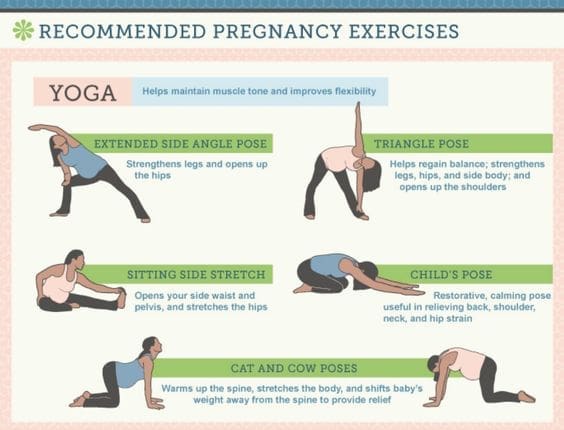
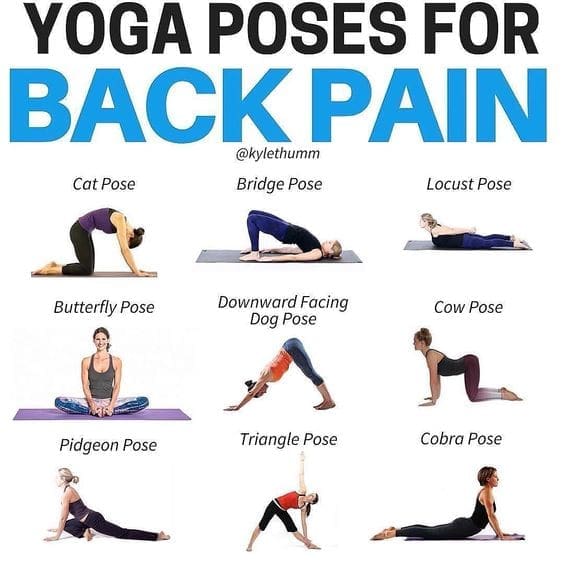
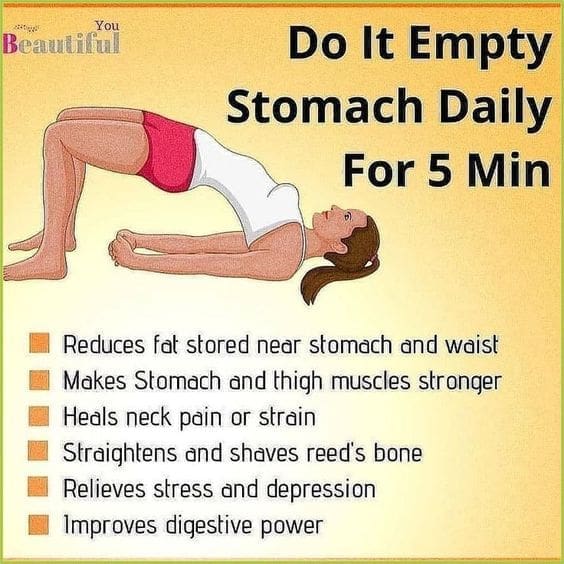
Yoga offers a sanctuary for those burdened by neck and shoulder tension. Join us as we unveil seven potent poses tailored to diminish tightness in these common trouble spots. Perfect for novices and seasoned yogis alike, these movements are easy to integrate into any routine. Prepare your mat, carve out a peaceful corner, and anticipate the dissolution of stress and unease. Wave farewell to stubborn knots and welcome a refreshing wave of calm and comfort. Embark on this journey into the essence of yoga and discover the secret to serenity for your neck and shoulders. Cat-Cow Pose Instructions To practice Cat-Cow pose, start on all fours with your hands beneath your shoulders and knees beneath your hips. As you inhale, arch your spine and lift your head towards the ceiling, allowing your belly to sink towards the floor. This is the Cow pose. As you exhale, round your spine and tuck your chin towards your chest, like an angry cat. Repeat this flow, moving between Cow and Cat poses, for several breaths. Benefits Cat-Cow pose is a gentle way to warm up your spine and release tension in your neck and shoulders. It helps to improve spinal flexibility, relieve stress, and increase blood circulation to the neck and shoulder area. This pose also helps to stretch and strengthen the muscles along your spine, providing relief from any discomfort or tightness in those areas. Thread the Needle Pose Instructions To practice Thread the Needle pose, start on all fours in the tabletop position. Extend your right arm out to the side and then slide it underneath your left arm, allowing your right shoulder and side of the head to rest on the mat. Keep your left hand grounded and reach it forward, feeling a gentle stretch along the side of your upper back. Hold this position for several breaths and then switch sides. Benefits Thread the Needle pose is a great way to release tension in your shoulders and upper back. It helps to open up the chest and increase flexibility in the shoulder joints. This pose also provides a gentle twist to your spine, which can help to relieve any stiffness or tightness in that area. By focusing on deep breathing in this pose, you can further relax your mind and promote a sense of calmness. Child’s Pose Instructions To practice Child’s pose, start by kneeling on the floor. Bring your big toes together and sit back on your heels. Slowly lower your chest towards the mat and reach your arms forward, placing them on the ground in front of you. Allow your forehead to rest on the mat and relax the weight of your body into the pose. You can choose to keep your knees together or spread them slightly wider for a deeper stretch. Take slow, deep breaths in this pose and hold it for as long as feels comfortable. Benefits Child’s pose is a gentle resting pose that helps to release tension in your neck, shoulders, and back. It provides a deep stretch to the muscles of your upper back and promotes relaxation throughout your body. This pose also calms the mind, reduces stress, and can help to relieve anxiety or mental fatigue. Child’s pose is a great way to take a break and find a sense of peace and tranquility during your yoga practice. Eagle Arms Instructions To practice Eagle Arms, start by sitting or standing in a comfortable position. Extend your arms out in front of you at shoulder height. Cross your right arm over your left, bringing the backs of your hands together. Bend your elbows and wrap your forearms around each other, allowing your palms to touch if possible. Lift your elbows slightly and feel a stretch in your upper back and shoulders. Hold this position for a few breaths and then switch sides. Benefits Eagle Arms pose is an effective way to release tension in your shoulders, upper back, and neck. It helps to stretch and strengthen the muscles in those areas, improving flexibility and mobility. This pose also stimulates blood circulation to the shoulder joints, promoting relaxation and reducing any discomfort or stiffness. By practicing Eagle Arms, you can alleviate shoulder and neck pain, while also improving your posture and alignment. Standing Forward Fold Instructions To practice Standing Forward Fold, begin by standing tall with your feet hip-width apart. Take a deep breath in and as you exhale, hinge forward at your hips, folding your upper body over your thighs. Allow your arms to hang down towards the ground or hold onto opposite elbows for a deeper stretch. Relax your head and neck, and let the weight of your torso gently stretch your spine. Hold this pose for several breaths, gradually deepening the fold with each exhale. Benefits Standing Forward Fold is a rejuvenating pose that releases tension in your neck, shoulders, and lower back. It promotes a gentle stretch in your hamstrings, calves, and spine, relieving any tightness or discomfort in those areas. This pose also helps to calm the mind, reduce stress, and improve digestion. Regular practice of Standing Forward Fold can enhance your flexibility, improve posture, and bring a sense of calmness to your body and mind. Bridge Pose Instructions To practice Bridge pose, lie on your back with your knees bent and feet flat on the floor, hip-width apart. Place your arms alongside your body with your palms facing down. As you inhale, press your feet into the ground and lift your hips up towards the ceiling. Keep your thighs parallel and engage your glutes. You can interlace your fingers under your body and roll your shoulders back for a deeper stretch. Hold this pose for several breaths and slowly lower your hips back down to the mat. Benefits Bridge pose is a powerful way to release tension in your neck, shoulders, and lower back. It strengthens and stretches the muscles along your spine, providing relief from any discomfort or tightness in those areas. This pose

Easing Neck and Shoulder Strain: 7 Yoga Pose Read More »

Yoga for Weight Loss

Yoga for Weight Loss: Achieve Your Goals & Unleash Potential

Discover the power of Yoga for Weight Loss and transform your approach to shedding pounds. Yoga, an ancient practice, is not just about enhancing flexibility and strength; it’s a comprehensive tool for weight loss. It integrates physical postures, controlled breathing, and meditation for a multifaceted weight loss strategy, unlocking your body’s full potential. In this comprehensive guide, we delve into how yoga serves as a holistic key to not just achieving your weight loss targets but also rejuvenating both body and mind. The Benefits of Yoga for Weight Loss Are you looking for a holistic approach to weight loss that not only transforms your body but also nourishes your mind and soul? Look no further than yoga! This ancient practice offers a multitude of benefits that can support your weight loss journey in more ways than one. From improved flexibility and strength to increased metabolism and fat burning, yoga has the power to unlock your full potential and help you achieve your weight loss goals. In this article, we will explore the various ways in which yoga can benefit your weight loss journey, including specific poses, styles, breathing techniques, and mindfulness practices. So let’s dive in and discover the incredible world of yoga! 1. Yoga Poses for Weight Loss 1.1. Sun Salutations One of the most popular sequences in yoga, Sun Salutations (Surya Namaskar) are a fantastic way to kickstart your weight loss journey. This dynamic series of poses involves fluid movements that engage the entire body, from the arms and legs to the core. By incorporating Sun Salutations into your daily practice, you can increase your heart rate, build strength, and improve overall flexibility. This combination of cardio and strength training makes it an excellent choice for those looking to burn calories and shed excess weight. 1.2. Warrior Poses Harness your inner strength and unleash your warrior spirit with Warrior Poses (Virabhadrasana). These powerful standing poses work wonders for toning and strengthening the muscles in your legs, hips, and core. By holding these poses and engaging your muscles, you not only build strength but also burn calories. The intensity of these poses helps increase your heart rate, leading to an elevated metabolism and enhanced fat burning. 1.3. Twists and Seated Poses Twists and seated poses are not only great for improving flexibility but also for stimulating digestion and detoxification. Twisting poses like Half Lord of the Fishes (Ardha Matsyendrasana) help wring out toxins from the abdominal organs, aiding in weight loss. Seated poses like Boat Pose (Navasana) engage the core muscles, strengthening your abdominal region and promoting better posture. By incorporating these poses into your practice, you can boost your metabolism and support your weight loss efforts. 1.4. Inversions for Boosting Metabolism Inversions, such as Shoulder Stand (Sarvangasana) and Headstand (Sirsasana), are excellent for boosting metabolism and promoting healthy thyroid function. These poses require you to be upside down, which increases blood flow to the thyroid gland and stimulates its activity. A properly functioning thyroid gland is crucial for regulating metabolism and promoting weight loss. Inversions also help improve circulation and enhance the lymphatic system, supporting detoxification and reducing water retention. 1.5. Core Strengthening Poses A strong core is essential for maintaining good overall health, as well as aiding in weight loss. Core strengthening poses, like Plank Pose (Phalakasana) and Boat Pose (Navasana), target the muscles in your abdomen, back, and pelvis, providing stability and support. By engaging and toning these muscles, you not only improve your posture but also boost your metabolism. A higher metabolism means your body burns calories more efficiently, helping you achieve your weight loss goals. 2. Yoga Styles for Weight Loss 2.1. Power Yoga If you’re looking for a dynamic and challenging yoga style that can help you shed pounds, Power Yoga is the way to go. This vigorous and fast-paced practice incorporates elements of strength training and cardio, making it an excellent choice for weight loss. Power Yoga sequences often involve continuous flowing movements and intense poses, which help raise your heart rate and burn calories. Additionally, the focus on strength and flexibility helps build lean muscle mass, which in turn boosts your metabolism. 2.2. Vinyasa Flow Vinyasa Flow is another popular yoga style that combines movement with breath. In a Vinyasa class, you’ll flow through a series of poses, linking each movement to your breath. This fluid and dynamic practice not only builds strength and flexibility but also increases cardiovascular endurance. The continuous sequencing and transition between poses keep your body engaged and your heart rate elevated, leading to calorie burning and weight loss. 2.3. Ashtanga Yoga Ashtanga Yoga is a powerful and disciplined practice that follows a specific sequence of poses. This rigorous style of yoga incorporates a series of challenging poses that build strength, flexibility, and stamina. The dynamic flow and emphasis on breath help generate heat within the body, leading to increased calorie burn. Regular practice of Ashtanga Yoga can help tone your muscles, improve your metabolism, and support your weight loss efforts. 2.4. Bikram Yoga Bikram Yoga, also known as hot yoga, takes place in a room heated to around 105 degrees Fahrenheit with high humidity. This heated environment promotes flexibility and allows for deeper stretches. The intense heat also elevates your heart rate and metabolism, resulting in increased calorie burn. Bikram Yoga consists of a series of 26 poses, each performed twice, providing a full-body workout. This style of yoga challenges your body and mind, promoting weight loss and overall well-being. 2.5. Hatha Yoga Hatha Yoga is a gentle and beginner-friendly style that focuses on the balance between mind and body. Although it may not be as physically demanding as some other yoga styles, Hatha Yoga can still support weight loss. The slower pace and longer holds in poses help develop strength, balance, and flexibility. Hatha Yoga also promotes relaxation and stress reduction, which can be beneficial for emotional eaters. By incorporating Hatha Yoga into your routine, you can create a balanced and sustainable weight loss

Yoga for Weight Loss: Achieve Your Goals & Unleash Potential Read More »

Acro Yoga

10 Essential Yoga Types: Embrace the Diversity

Yoga Types: Are you eager to navigate the world of yoga but uncertain about the starting point? We’ve got you covered! In this piece, we’ll dive deep into the diversity of Yoga Types, presenting ten distinct forms you shouldn’t miss out on today. From the foundational Hatha yoga to the vigorous power yoga, there’s a fit for everyone. Regardless if you’re a novice or a seasoned yogi, this article will guide you through various Yoga Types, enriching your routine and instilling a harmonious balance and tranquility in your life. So, roll out your yoga mat and embark on this enlightening journey through the diverse realm of yoga! 1. Hatha Yoga Introduction to Hatha Yoga Hatha Yoga is one of the most well-known and widely practiced forms of yoga. It originated in ancient India and focuses on physical postures (asanas) and breath control (pranayama). In Sanskrit, “ha” means sun and “tha” means moon, symbolizing the balance of opposing forces within the body. Hatha Yoga aims to create harmony between the mind, body, and spirit through mindful movement and controlled breathing. Benefits of Hatha Yoga Hatha Yoga offers numerous benefits for both the body and mind. Regular practice can improve flexibility, balance, and strength. It also helps to increase body awareness and promote relaxation. Hatha Yoga is a great way to relieve stress and reduce anxiety, as it encourages deep breathing and mindful movements. Additionally, it can improve posture and help prevent injuries by enhancing body alignment. Hatha Yoga Poses Hatha Yoga includes a wide range of poses that vary in difficulty and intensity. Some common poses include Mountain Pose (Tadasana), Downward-Facing Dog (Adho Mukha Svanasana), Warrior 1 (Virabhadrasana 1), and Child’s Pose (Balasana). These poses target different parts of the body, such as the legs, core, and back, providing a full-body workout. Hatha Yoga also incorporates gentle stretches and relaxation poses to release tension and promote a sense of calm. Hatha Yoga Classes Hatha Yoga classes are widely available and suitable for practitioners of all levels, from beginners to advanced yogis. In a typical Hatha Yoga class, you can expect a combination of physical postures, breathing exercises, and meditation. Classes may vary in duration, but they usually run for about 60 to 90 minutes. Hatha Yoga classes are led by experienced instructors who guide students through each pose, ensuring proper alignment and offering modifications when needed. 2. Vinyasa Yoga Introduction to Vinyasa Yoga Vinyasa Yoga, also known as flow yoga, is a dynamic and fast-paced style of yoga that synchronizes breath with movement. It emphasizes continuous transitions between poses, creating a seamless flow of energy throughout the practice. Vinyasa Yoga originated from Hatha Yoga and has gained popularity for its creative sequences and vigorous nature. Benefits of Vinyasa Yoga Vinyasa Yoga offers a multitude of benefits for both the body and mind. The flowing movements help build strength, stamina, and cardiovascular fitness. The breath-focused aspect of Vinyasa Yoga promotes mindfulness and concentration, leading to improved mental clarity and focus. Regular practice can also enhance flexibility, coordination, and body awareness. Vinyasa Yoga Poses Vinyasa Yoga encompasses a wide array of poses, including standing, seated, and balancing poses. Some common poses in Vinyasa Yoga sequences include Sun Salutations (Surya Namaskar), Warrior poses (Virabhadrasana), Plank pose (Phalakasana), and Tree pose (Vrksasana). These poses are often linked together through transitional movements, creating a fluid and dynamic practice. Vinyasa Yoga Classes Vinyasa Yoga classes are energetic and suitable for practitioners of various levels. Each class is unique, as instructors design sequences that cater to different themes, levels of difficulty, and target areas of the body. Classes typically begin with a warm-up followed by a series of dynamic poses, and end with a cool-down period. Vinyasa Yoga classes provide a challenging yet enjoyable experience that leaves practitioners feeling rejuvenated and invigorated. 3. Ashtanga Yoga Introduction to Ashtanga Yoga Ashtanga Yoga, often referred to as “eight-limbed yoga,” is a dynamic and physically demanding form of yoga. It follows a specific sequence of poses that are practiced in a predetermined order. Ashtanga Yoga focuses on synchronizing breath with movement and aims to purify the body and mind through intense physical exertion. Benefits of Ashtanga Yoga Ashtanga Yoga offers a range of benefits for practitioners. The repetitive nature of the practice helps build strength, endurance, and flexibility. It also enhances focus and concentration, as the synchronized breath and movement require full attention. Ashtanga Yoga promotes detoxification of the body through the generation of heat and sweat. Regular practice can lead to improved posture, weight management, and a sense of inner calm. Ashtanga Yoga Poses Ashtanga Yoga follows a set sequence of poses divided into six series. The Primary Series (Yoga Chikitsa) is the first series and focuses on realigning and detoxifying the body. It includes standing poses, forward folds, hip openers, and inversions. The subsequent series introduce more challenging poses and variations to further deepen the practice. Ashtanga Yoga poses require strength, flexibility, and perseverance. Ashtanga Yoga Classes Ashtanga Yoga classes are typically led in a traditional Mysore style, where students practice the Ashtanga sequence at their own pace under the guidance of an experienced teacher. Beginners can start with shorter sessions and gradually increase their practice. Mysore-style classes allow for personalized attention and modifications based on individual abilities. The disciplined and structured nature of Ashtanga Yoga creates a focused and meditative environment. 4. Bikram Yoga Introduction to Bikram Yoga Bikram Yoga, created by Bikram Choudhury, is a style of yoga practiced in a heated room. It consists of a series of 26 poses and two breathing exercises. Bikram Yoga follows a specific sequence and is performed in a room heated to approximately 105 degrees Fahrenheit (40 degrees Celsius) with high humidity. Benefits of Bikram Yoga Bikram Yoga offers various physical and mental benefits. The heat and humidity in the room help warm up the muscles and increase flexibility, allowing for deeper stretches. It also promotes detoxification through sweat, helping to rid the body of toxins. The sequence of
10 Essential Yoga Types: Embrace the Diversity Read More »