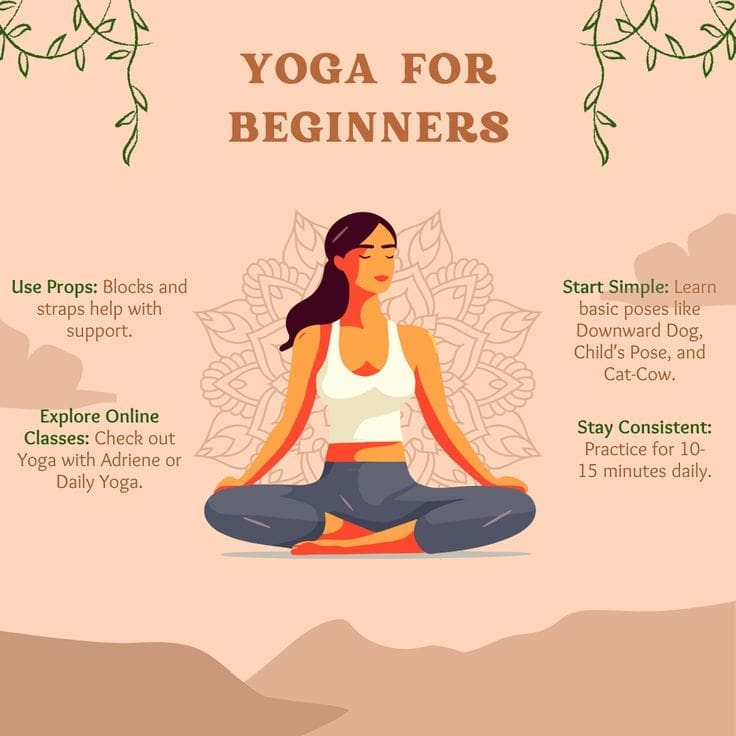
Yoga Poses For Flexibility
Discover essential yoga poses designed to boost your flexibility, enhance comfort, and improve daily movements. Unlock the benefits of a flexible body today!
Yoga Poses For Flexibility Read More »
Discover essential yoga poses designed to boost your flexibility, enhance comfort, and improve daily movements. Unlock the benefits of a flexible body today!
Yoga Poses For Flexibility Read More »
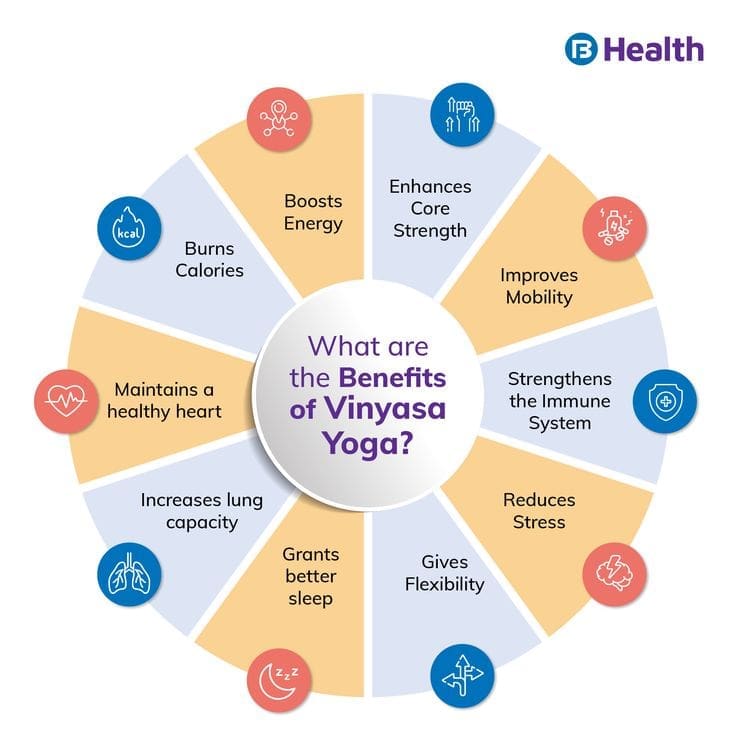
Discover the transformative benefits of Vinyasa Flow Yoga for your body and mind. Enhance flexibility, strength, and mindfulness in this dynamic practice.
Vinyasa Flow Yoga Benefits Read More »
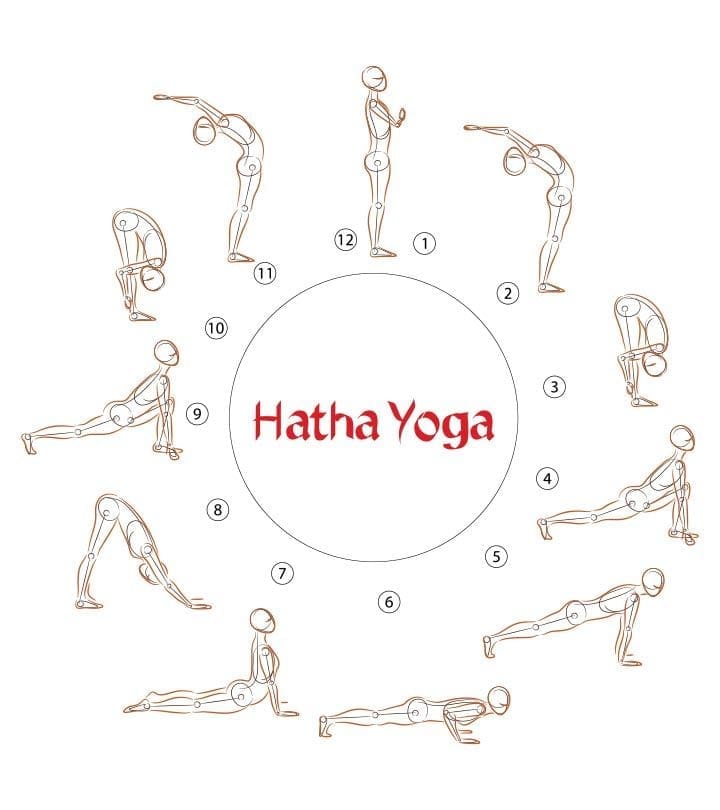
Discover the fundamentals of Hatha Yoga for beginners! Learn postures, breathing techniques, and essential tips to start your journey towards balance and wellness.
Hatha Yoga For Beginners Read More »
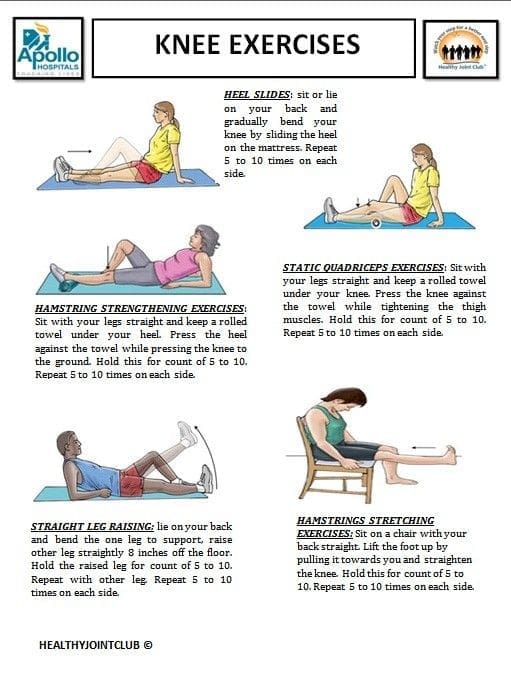
Looking to practice yoga with arthritic knees? Discover the benefits, precautions, modifications, and poses tailored for individuals with knee arthritis.
Can I Do Yoga With Arthritic Knees Read More »
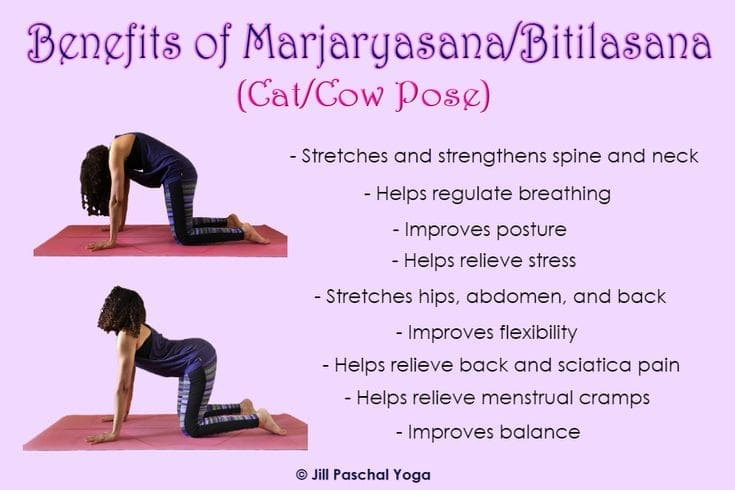
If you’re looking to feel more awake, focused, and energized in the morning, this routine is a perfect place to start. Practicing morning yoga poses is one of the simplest ways to wake up both your body and mind — even if you only have 10 minutes. Below are five easy morning yoga poses that are perfect for beginners. These stretches will help increase circulation, reduce stiffness, and give your day a calm, positive start. Pose 1: Mountain Pose (Tadasana) Why it’s great: This pose builds strong posture, balance, and mental focus. How to do it: – Stand tall with feet hip-width apart. – Ground through your feet and engage your thighs. – Roll your shoulders back and down, arms relaxed by your sides. – Take a few deep breaths here, lifting through the crown of your head. Optional gear: yoga mat Pose 2: Cat-Cow Stretch (Marjaryasana / Bitilasana) Why it’s great: Gently warms up the spine, stretches the back, and improves flexibility. How to do it: – Come to all fours: wrists under shoulders, knees under hips. – Inhale, arch your back, lift your head and tailbone (Cow). – Exhale, round your spine, tuck your chin (Cat). – Flow with your breath for 5–10 rounds. Optional: yoga knee pad or thick mat Pose 3: Pose 3: Downward Facing Dog – A Must-Have in Your Morning Yoga Poses Why it’s great: Boosts circulation, stretches the hamstrings and shoulders, and energizes the whole body. How to do it: – From all fours, tuck your toes and lift your hips up and back. – Keep your knees slightly bent if your hamstrings are tight. – Press your heels toward the floor, lengthen your spine, and breathe deeply. Tip: Add a yoga block under your hands if you need extra support. Pose 4: Low Lunge (Anjaneyasana) Why it’s great: Opens the hips, stretches the legs, and grounds your energy. How to do it: – Step your right foot forward between your hands. – Lower your left knee to the floor and lift your chest. – Reach your arms overhead and hold for 5 deep breaths. – Switch sides. Support your knee with a folded blanket or cushion if needed. Pose 5: Seated Forward Bend (Paschimottanasana) Why it’s great: Calms the nervous system, stretches the back and hamstrings, and encourages introspection. How to do it: – Sit with legs extended in front. – Inhale, lift your arms. Exhale, fold forward from the hips. – Let your hands rest on your legs or feet—no need to force it. – Stay here for 5–10 breaths, letting your spine relax. Optional: Use a yoga strap around your feet to help deepen the stretch gently. (add affiliate link) Final Thoughts These five beginner-friendly morningyoga child poseBeginner’s Yoga yoga poses can help you feel refreshed, relaxed, and ready to take on the day. You don’t need to be flexible or experienced — just consistent. Try doing these poses for a week and notice the shift in your energy and mindset. For more routines and wellness tips, explore our “Yoga for Beginners” section or visit our “Recommended Gear” page to find the tools that support your practice. Want more tips like this? Explore our Yoga for Beginners section or check out our Recommended Gear page for yoga essentials.
5 Morning Yoga Poses to Energize Your Day – Easy Routine for Beginners Read More »
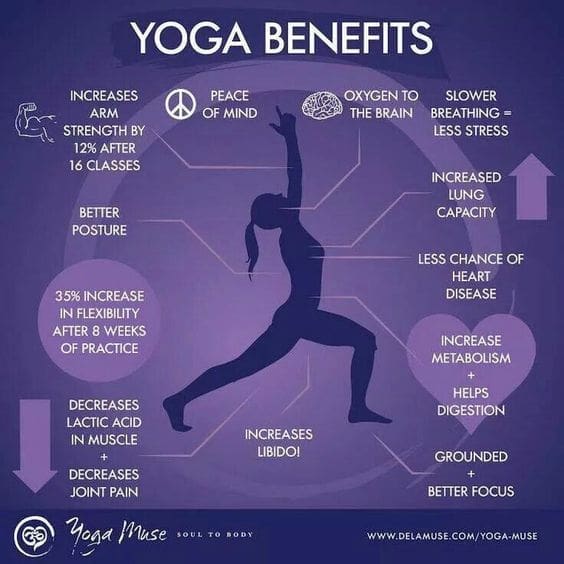
Learn about the amazing health benefits you can get by adding regular yoga practice to your lifestyle. Yoga goes beyond physical exercise; it offers a complete approach to wellness that can change your body, mind, and spirit. Introduction to Regular Yoga Practice Yoga began in India thousands of years ago as an ancient practice. It mixes physical poses, breathing methods, and meditation to boost overall well-being. When you practice yoga , it can affect your physical, mental, and emotional health. This article will show you the top 10 health benefits of making yoga part of your daily routine. Physical Health Benefits of Regular Yoga Practice Increased Flexibility and Better Balance: Yoga poses, or asanas, stretch and lengthen your muscles, which helps you become more flexible. As you practice different postures, you’ll also gain better balance and coordination. This can lower your chances of falling and getting hurt. Stronger and More Toned Body: Yoga includes many poses that challenge and work your muscles making them stronger and more defined. Whether you want to build strength in your upper body lower body, or core, yoga offers a variety of exercises to meet your goals. Better Heart Health: Yoga styles like vinyasa or power yoga can boost your heart rate and make your heart stronger. If you practice often, it can lower your blood pressure, cut down cholesterol, and lead to a healthier heart overall. Mental Health: Perks of Doing Yoga Often Better Focus and Concentration: Yoga makes you pay attention to your breath and stay in the moment. This helps you sharpen your focus and concentration, both during practice and in everyday life. People who have trouble staying focused or those dealing with cognitive issues can benefit from this. Less Stress and Worry: Yoga teaches you to breathe and quiet your mind. This can help you feel calmer and less anxious. As you learn to control your breathing and clear your thoughts, you’ll be better equipped to handle life’s ups and downs. Better Emotional Health: Yoga has an influence on emotional health in a good way. It can help lower signs of depression and boost your mood. Moving your body working on your breath, and meditating together can help control your emotions and make you feel calm inside. More Energy and Feeling Alive: Doing yoga can boost your energy and make you feel more alive. Moving your body breathing , and relaxing all work together to help you feel energized and refreshed all day long. Better Sleep: Yoga’s ability to lower stress and help you relax can also lead to better sleep. If you do gentle yoga, breathing exercises, and meditation before bed, you can set up a routine that helps you sleep more soundly and wake up feeling more rested. Boosted Immune System: Yoga has a connection to better immune function, which can help your body fight illness and infection more . The physical poses, along with the stress-lowering perks of the practice, can play a part in strengthening your immune system. Holistic Well-being: In the end, blending the physical, mental, and emotional gains through regular yoga can result in a deep feeling of overall wellness. By taking on the all-encompassing nature of yoga, you can find more balance and harmony in your life. Conclusion: Get the Health Perks of Doing Yoga Making yoga a part of your routine can open up a whole range of health perks, from better physical shape to improved mental and emotional health. Whether you’ve been doing yoga for years or you’re just starting out, I suggest you dive into the life-changing power of yoga and see how it can boost your overall health and make your life better. [hfe_template id=’4070′]
Health Benefits of Regular Yoga Practice Read More »
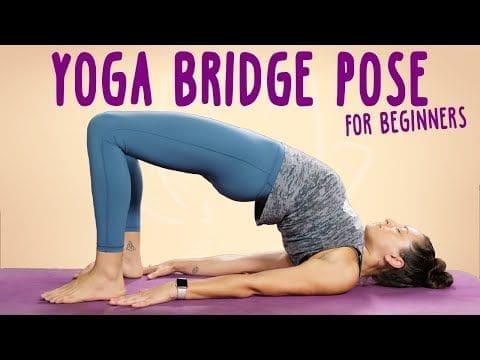
The Yoga Bridge Pose, also known as Setu Bandhasana, is a powerful and versatile posture that offers a wide array of benefits for practitioners of all levels. This article delves into the numerous advantages of incorporating the Yoga Bridge Pose into your regular practice. From strengthening the core muscles and improving spinal flexibility to alleviating back pain and promoting better posture, this pose is a valuable addition to any yoga routine. Moreover, the Yoga Bridge Pose has a profound impact on the nervous system, helping to calm the mind, reduce stress, and induce a state of deep relaxation. By regularly practicing this pose, individuals can experience a transformative effect on their physical, mental, and emotional well-being, ultimately leading to a greater sense of balance and harmony in their lives. Physical Benefits Increases spinal flexibility The Bridge Pose in yoga is a great way to increase spinal flexibility. As we lift our hips off the ground and arch our back, we are stretching and lengthening the entire spine. This movement helps to release tension and stiffness in the back, making it more flexible and mobile. Regular practice of the Bridge Pose can help alleviate back pain and improve overall spinal health. Strengthens the muscles of the back One of the key physical benefits of the Bridge Pose is its ability to strengthen the muscles of the back, including the lower back, upper back, and glutes. As we lift our hips off the ground, we engage these muscles to support the weight of our body. This helps to build strength and stability in the back, reducing the risk of injuries and improving overall posture. Improves posture Poor posture is a common problem that many people face due to the sedentary lifestyle and long hours spent sitting at a desk. The Bridge Pose can help improve posture by strengthening the muscles that support the spine and encouraging a more upright position. By regularly practicing this pose, we can develop better posture habits and alleviate discomfort associated with slouching. Opens up the chest and shoulders The Bridge Pose involves lifting the chest towards the ceiling, which helps to open up the chest and stretch the muscles in the shoulders. This is particularly beneficial for those who spend a lot of time sitting or hunched over a computer, as it counteracts the rounded shoulders and tight chest muscles that often result from these activities. By opening up the chest and shoulders, we can improve our breathing capacity and relieve tension in the upper body. Stretches the hips and thighs The Bridge Pose also provides a deep stretch for the hips and thighs. As we lift the hips and arch the back, we elongate the hip flexors and quadriceps, releasing any tightness or tension in these areas. This can be especially beneficial for individuals who sit for extended periods, as it helps to counteract the hip tightness that often occurs from prolonged sitting. Regular practice of the Bridge Pose can lead to increased flexibility in the hips and thighs, enhancing overall mobility. Enhances core strength The Bridge Pose is not only beneficial for the back and hips but also for the core muscles. As we lift our hips off the ground, we engage the abdominal muscles to maintain stability and control. This helps to strengthen the core and improve overall stability. A strong core is essential for maintaining good posture, preventing injuries, and supporting the spine during daily activities. Mental Benefits Relieves stress and anxiety In addition to its physical benefits, the Bridge Pose also offers numerous mental benefits. When we practice this pose, we engage in deep breathing and focus on our body and breath. This mindful attention helps to calm the mind and relieve stress and anxiety. By taking the time to relax and concentrate on our movements, we can experience a sense of peace and inner calm. Promotes relaxation The Bridge Pose is a deeply relaxing posture that encourages a state of deep relaxation. As we hold the pose, we allow ourselves to surrender to gravity and let go of any tension or stress in the body. This release of tension promotes relaxation and can help alleviate symptoms of fatigue and exhaustion. Practicing the Bridge Pose regularly can become a powerful tool for finding peace and tranquility in our busy lives. Improves concentration and focus The act of practicing the Bridge Pose requires concentration and focus, as we need to pay attention to our body alignment and breath. This focused attention can help sharpen our concentration skills and improve our ability to stay present in the moment. By training our minds to be fully engaged in the present moment, we can enhance our overall mental clarity and focus. Enhances mood and emotional well-being Regular practice of the Bridge Pose has been found to enhance mood and promote emotional well-being. The deep breathing and physical movement involved in this pose stimulate the release of endorphins, which are known as the “feel-good” hormones. As endorphins flood our system, we experience an uplifted mood and a heightened sense of well-being. This makes the Bridge Pose an excellent practice for boosting our overall mental and emotional health. Digestive Benefits Stimulates abdominal organs The Bridge Pose also offers a range of digestive benefits. As we lift our hips and arch the back, we gently massage and stimulate the abdominal organs, including the stomach, intestines, and liver. This gentle massage helps to improve digestion and stimulate the secretion of digestive enzymes. Regular practice of the Bridge Pose can aid in the overall functioning of the digestive system and promote a healthy gut. Boosts digestion and metabolism By stimulating the abdominal organs, the Bridge Pose helps to boost digestion and metabolism. The increased blood flow to the digestive organs promotes efficient nutrient absorption and waste elimination, ensuring proper digestion and a healthy metabolism. This can be particularly beneficial for individuals who suffer from digestive issues such as constipation or indigestion. Relieves constipation and indigestion The Bridge Pose can also
Yoga Bridge Pose (Setu Bandhasana) Read More »
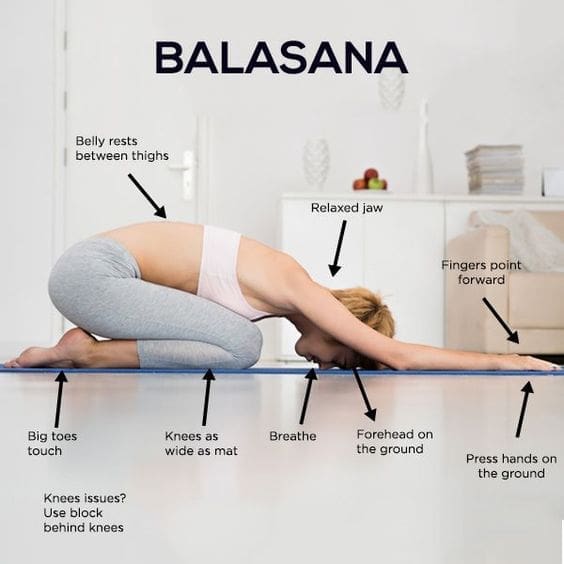
Child’s Pose, also known as Balasana in yoga, is a deeply relaxing and restorative posture that offers numerous benefits for both the mind and body. In this article, we will explore the incredible advantages of incorporating this simple yet powerful pose into your yoga practice. From relieving stress and anxiety to improving digestion and releasing tension in the back, the Benefits Of Yoga Child Pose are vast and encompass a wide range of positive effects that can enhance your overall well-being and inner peace. So, join us as we delve into the transformative potential of Child’s Pose and discover how this pose can contribute to your physical and mental health. Physical Benefits Improves flexibility One of the key physical benefits of the Yoga Child Pose is its ability to improve flexibility. As we stretch our arms forward and lower our torso to the ground, this pose gently stretches the muscles in our back, hips, and thighs. With regular practice, we can gradually increase our flexibility and range of motion, which can be particularly beneficial for individuals who lead a sedentary lifestyle or suffer from muscle stiffness. Strengthens the core The Yoga Child Pose is not only a great stretch, but it also helps to strengthen the core muscles. As we engage our abdominal muscles to support our spine while in this pose, our core muscles are given a gentle workout. Strengthening our core not only improves our posture but also contributes to overall stability and balance. Relieves tension in the back and shoulders Many of us carry tension and stress in our backs and shoulders, especially if we spend long hours sitting at a desk or engaging in repetitive tasks. The Yoga Child Pose provides a gentle and effective way to release tension in these areas. By folding our body forward and resting our forehead on the mat, we allow the muscles in the back and shoulders to relax and unwind, promoting a sense of relief and relaxation. Enhances digestion Regular practice of the Yoga Child Pose can have a positive impact on our digestive system. As we fold forward, the compression of the abdomen stimulates the digestive organs, promoting healthy digestion and elimination. This can be particularly beneficial for individuals who suffer from digestive issues such as bloating or constipation. Boosts circulation The Yoga Child Pose also helps to boost circulation throughout our body. As we fold forward and compress our abdomen, we stimulate blood flow to the digestive organs. Additionally, the stretching and relaxation of the muscles in the back and shoulders promote better blood circulation in these areas. Improved circulation allows for better oxygen and nutrient delivery to our cells, promoting overall health and vitality. Mental Benefits Calms the mind The Yoga Child Pose is known for its ability to calm the mind and create a sense of tranquility. As we fold forward and rest our forehead on the mat, we are encouraged to turn our attention inward and let go of external distractions. This practice of focusing inward helps to still our busy minds and brings a sense of peace and relaxation. Reduces stress and anxiety In today’s fast-paced world, stress and anxiety have become common experiences for many people. The Yoga Child Pose provides a valuable tool for relieving these burdens. By adopting this pose and consciously relaxing our body, we activate the body’s relaxation response, which helps to lower stress hormones and reduce anxiety. The deep breathing associated with this pose also helps to regulate our nervous system and promote a state of calmness. Improves focus and concentration Regular practice of the Yoga Child Pose can enhance our ability to focus and concentrate. By intentionally redirecting our attention inward and letting go of external distractions, we strengthen our ability to stay present and focused in the moment. This increased mental clarity can be beneficial for various aspects of our lives, such as work, study, and daily tasks. Promotes relaxation and better sleep The Yoga Child Pose is a wonderful practice for promoting relaxation and better sleep. By assuming this gentle and nurturing pose, we signal to our body and mind that it is time to enter a state of relaxation. This can be particularly helpful for those who struggle with sleep issues or hold tension in their bodies before bedtime. By incorporating the Yoga Child Pose into a bedtime routine, we can prepare our body and mind for a restful night’s sleep. Increases self-awareness The introspective nature of the Yoga Child Pose promotes self-awareness. As we fold forward and turn our attention inward, we become more attuned to our physical sensations, thoughts, and emotions. This increased self-awareness allows us to understand ourselves on a deeper level and make more conscious choices in our daily lives. By regularly practicing this pose, we cultivate a greater sense of self and develop a stronger connection with our inner world. Emotional Benefits Elevates mood The Yoga Child Pose has the ability to elevate our mood and bring forth a sense of joy and happiness. As we surrender to the nurturing nature of this pose, we create a safe space for ourselves where we can let go of negativity and embrace positive emotions. This practice can be particularly helpful during challenging times or when we need a boost of positivity. Reduces irritability and anger Through its gentle and calming nature, the Yoga Child Pose can help to reduce irritability and anger. By encouraging us to turn inward and find peace within ourselves, we are better able to manage our emotions and respond to challenging situations with a greater sense of ease and compassion. This can positively impact our relationships and overall well-being. Promotes a sense of peace and happiness The tranquility and safety of the Yoga Child Pose promote a sense of peace and happiness. By creating a nurturing environment for ourselves, we allow our minds and bodies to relax and find contentment. This practice can be a powerful tool in finding inner peace and cultivating
Yoga Child Pose (Balasana) Read More »
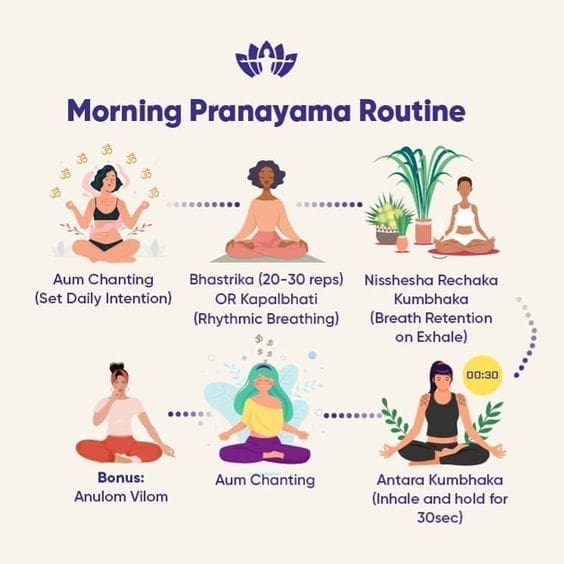
In the high-pressure world of academia, students often find themselves overwhelmed by the demands of their studies and personal lives. Balancing the need to excel academically with the challenges of managing stress and maintaining overall well-being can be a daunting task. However, there is a powerful solution that can help students navigate these difficulties: the practice of yoga and meditation. By incorporating these ancient techniques into their daily routines, students can unlock a host of benefits that extend far beyond the classroom. From reducing stress and anxiety to improving focus, concentration, and memory, yoga and meditation offer a holistic approach to enhancing both mental and physical health. Moreover, these practices can help students cultivate greater self-awareness, emotional resilience, and inner peace, enabling them to tackle the challenges of student life with greater ease and confidence. In the following paragraphs, we will delve deeper into the transformative power of yoga and meditation and explore why these practices are of such vital importance for students in today’s fast-paced world. Reducing Stress Levels Understanding the pressures faced by students As a student, I understand firsthand the pressures and challenges that come with academic life. From juggling multiple assignments and exams to managing extracurricular activities and personal commitments, it’s no surprise that stress levels can soar. The constant pressure to excel and meet expectations can take a toll on our mental and physical well-being. It’s crucial to acknowledge and understand these pressures in order to effectively address and reduce stress levels. The impact of stress on academic performance High levels of stress can significantly impact our academic performance. When we are stressed, our ability to concentrate, retain information, and thrive in our studies is compromised. It becomes difficult to stay focused, absorb new material, and effectively apply what we’ve learned. Stress also affects our sleep patterns, making it harder to recharge and be mentally sharp during classes and exams. By recognizing the detrimental impact that stress can have on our academic performance, we are motivated to find effective ways to reduce it and optimize our learning potential. How yoga and meditation can help in reducing stress Yoga and meditation have been proven to be effective tools in reducing stress levels. Through the practice of yoga, we engage in physical movements that help release tension and promote relaxation. The combination of deep breathing, stretching, and mindful movements helps to calm the nervous system and alleviate stress. Additionally, meditation allows us to quiet the mind, cultivate awareness of our thoughts and emotions, and develop a sense of inner calm and peace. By incorporating yoga and meditation into our daily routine, we can learn how to manage stress more effectively and cultivate a sense of balance and well-being. Specific techniques to manage stress through yoga and meditation There are various techniques within yoga and meditation that can specifically target and manage stress. Some popular yoga poses for stress relief include the Child’s Pose, which helps to calm the mind and release tension in the body, and the Corpse Pose, which promotes deep relaxation. Breathing exercises, such as the 4-7-8 breath, where you inhale for a count of four, hold for a count of seven, and exhale for a count of eight, can also help to calm the nervous system and reduce stress. Additionally, incorporating guided meditations focused on relaxation and stress reduction can further enhance the benefits of yoga and meditation in managing stress. Improving Concentration and Focus Challenges faced by students in maintaining concentration In today’s fast-paced and technology-driven world, staying focused and maintaining concentration has become increasingly challenging for students. The constant distractions from smartphones, social media, and other digital devices make it difficult to stay engaged and focused on tasks at hand. Additionally, the ever-growing workload and demanding academic requirements can overwhelm us and lead to mental fatigue, making it harder to concentrate effectively. The role of yoga and meditation in enhancing focus Yoga and meditation provide valuable techniques to enhance focus and concentration. Through the physical practice of yoga, we learn to cultivate present-moment awareness and train our minds to stay focused on our breath and body movements. This mindfulness aspect of yoga helps to reduce distractions and improve concentration. Similarly, meditation practices, such as focused attention meditation or mindfulness meditation, teach us to anchor our attention to a particular object or sensation, thus strengthening our ability to sustain focus and resist distractions. By regularly practicing yoga and meditation, we can improve our concentration skills and enhance our overall academic performance. Breathing exercises to improve concentration One effective technique to improve concentration is by incorporating specific breathing exercises. Deep breathing exercises, such as the Alternate Nostril Breathing or the Three-Part Breath, help to calm the mind, increase oxygen flow to the brain, and enhance mental clarity. These breathing techniques can be practiced anywhere and anytime, making them easily accessible tools to improve focus and concentration during stressful academic situations. Meditation techniques for heightened focus Meditation techniques, such as the “one-pointed focus” meditation or the “focused attention” meditation, can be incredibly beneficial in improving focus and concentration. During these practices, we choose a single point of focus, such as our breath, a mantra, or a specific sensation, and train our minds to remain fully absorbed in that focal point. By consistently practicing these meditation techniques, we enhance our ability to stay focused, filter out distractions, and sustain our attention for prolonged periods of time. Enhancing Physical Fitness Importance of physical well-being for students It’s no secret that physical well-being plays a crucial role in our overall health and happiness. As students, it’s important for us to prioritize our physical fitness to optimize our academic performance and general well-being. Regular physical activity helps to improve blood circulation, boost energy levels, enhance cognitive function, and reduce the risk of various health conditions. It also serves as a valuable tool to manage stress and promote a positive outlook on life. Yoga asanas for strength, flexibility, and balance Yoga offers a holistic approach to physical fitness, providing
Yoga and Meditation: Essential for Student Success Read More »
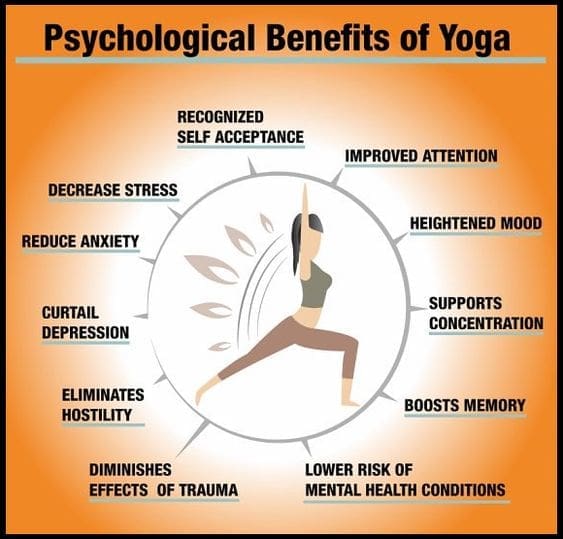
Explore Different Types Of Yoga And Benefits and their advantages. Enhance flexibility, relieve stress, and build strength with diverse yoga practices for well-being.
Different Types Of Yoga And Benefits Read More »