In today’s fast-paced world, the Benefits of Yoga and Pilates are more valuable than ever. These practices improve flexibility, build strength, reduce stress, and boost overall well-being. By combining mindful movement with physical conditioning, yoga and pilates offer a holistic approach to health that supports body, mind, and spirit.
Physical Benefits of Yoga and Pilates
Increased Flexibility
Among the Benefits of Yoga and Pilates, improved flexibility is one of the most recognized, with regular practice enhancing muscles and joints.. Through regular practice, individuals can notice improved range of motion and suppleness in their muscles and joints. This increased flexibility not only allows for better performance in day-to-day activities, but it also reduces the risk of injuries. By elongating the muscles and stretching them in various poses, yoga helps to release tension and tightness, promoting a healthier, more agile body.
Improved Strength
Contrary to popular belief, yoga is not just about flexibility – it also offers significant strength-building benefits. Many yoga poses require individuals to engage and activate various muscles in the body, leading to improved muscular strength. Whether it’s holding a plank pose, balancing in a warrior stance, or flowing through a sequence of sun salutations, practicing yoga regularly can help develop a strong and toned physique.
Enhanced Balance and Coordination
Yoga is a practice that focuses on stability and control, which translates to improved balance and coordination. The various standing, balancing, and inverted poses challenge individuals to find their center of gravity, resulting in enhanced balance over time. Additionally, the mind-body connection cultivated through yoga helps to improve overall coordination, as individuals become more aware of their bodies’ movements, alignment, and positioning.
Promotes Weight Loss
While yoga may not be as high-intensity as some other forms of exercise, it can still be an effective tool for weight loss. Engaging in a regular yoga practice can aid in shedding excess pounds by increasing the heart rate, improving metabolism, and burning calories. Additionally, specific yoga styles such as power yoga and vinyasa flow involve dynamic movements and sequences that can provide a cardiovascular workout, promoting weight loss and overall fitness.
Boosts Metabolism
Yoga has been shown to have a positive impact on the body’s metabolism. Regular practice increases blood circulation and oxygenation throughout the body, stimulating the metabolic rate and facilitating efficient digestion and nutrient absorption. This boost in metabolism not only aids in weight management but also supports overall vitality and well-being.
Improved Cardiovascular Health
Engaging in a regular yoga practice can have a positive effect on cardiovascular health. The deep breathing techniques used in yoga help to oxygenate the blood, improve lung capacity, and enhance overall respiratory function. Additionally, certain yoga postures and sequences can elevate the heart rate and provide a cardiovascular workout, strengthening the heart and promoting a healthy circulatory system.
Mental Benefits of Yoga
Reduces Stress and Anxiety
One of the most well-known mental benefits of yoga is its ability to reduce stress and anxiety levels. The combination of deep breathing, meditation, and physical movement helps to activate the relaxation response in the body, calming the nervous system and reducing the production of stress hormones. Regular practice can significantly decrease feelings of anxiety and promote a sense of calmness and inner peace.
Enhances Focus and Concentration
Through the cultivation of mindfulness and presence, yoga enhances focus and concentration. The practice requires individuals to anchor their attention on the breath, body sensations, and the present moment, training the mind to stay focused and centered. As a result, yoga practitioners often experience improved mental clarity, sharper focus, and enhanced cognitive function beyond the yoga mat.
Promotes Relaxation and Better Sleep
Yoga acts as an effective tool for promoting relaxation and better sleep. The physical movements, breathing exercises, and meditation techniques help to release physical and mental tension, allowing individuals to unwind and prepare for restful sleep. The practice of yoga has been shown to reduce insomnia, improve sleep quality, and enhance overall sleep patterns.
Improves Mood and Self-Confidence
Regular practice of yoga has been linked to improved mood and increased levels of self-confidence. The combination of physical movement, deep breathing, and mindfulness helps to release endorphins, which are known as “feel-good” hormones. These endorphins contribute to a positive mood, uplifted spirits, and a greater sense of self-worth and self-acceptance.
Physical Benefits of Pilates
Develops a Strong Core
One of the foundational principles of pilates is the development of a strong core. Pilates exercises are specifically designed to engage and strengthen the muscles of the abdomen, lower back, and pelvis, collectively known as the core muscles. A strong core not only provides stability and support for the spine but also helps to improve posture, balance, and overall functional movement.
Improves Muscular Strength
Similar to yoga, pilates is an excellent practice for improving muscular strength. The low-impact exercises in pilates target various muscle groups, including the arms, legs, buttocks, and back. By utilizing resistance and controlled movements, individuals can effectively build strength and tone their muscles, leading to a more sculpted and defined physique.
Increases Flexibility
Pilates is known for its emphasis on flexibility and mobility. The exercises in pilates aim to elongate and stretch the muscles, promoting increased flexibility and range of motion. Improved flexibility can enhance joint mobility, reduce the risk of injuries, and contribute to better posture and alignment.
Enhances Posture and Alignment
Posture and alignment are key elements of pilates practice. Through mindful movement and specific exercises, pilates helps individuals develop better postural awareness and correct imbalances in the body. Strengthening the muscles responsible for proper alignment can result in improved posture, reduced strain on the spine, and greater overall body symmetry.
Boosts Endurance and Stamina
Pilates is not just about isolated movements and muscle strength – it also works on improving endurance and stamina. The controlled, flowing movements in pilates require individuals to maintain muscle engagement throughout the exercises, building endurance over time. The focus on deep core activation and breath control also contributes to increased stamina and overall physical resilience.
Promotes Weight Loss
While pilates may not be a high-intensity cardio workout, it can still support weight loss efforts. Regular practice of pilates helps to increase lean muscle mass, which in turn boosts the body’s metabolism and calorie-burning potential. Furthermore, pilates exercises often involve engaging multiple muscle groups simultaneously, resulting in a higher calorie expenditure and promoting overall weight loss.
Mental Benefits of Pilates
Promotes Mind-Body Connection
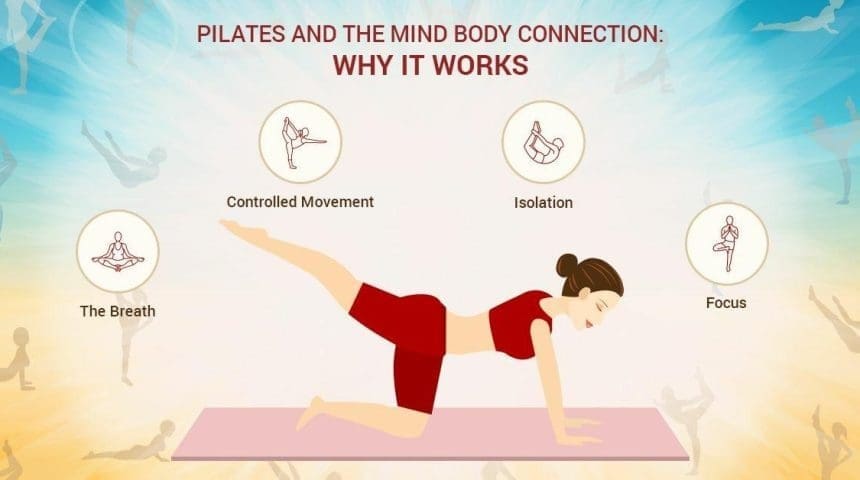
Similar to yoga, pilates promotes a strong mind-body connection. The practice encourages individuals to be present, focused, and aware of their bodies’ movements, sensations, and alignment. This heightened mind-body connection can lead to improved proprioception, better body control, and a greater sense of body awareness in everyday life.
Improves Mental Clarity
The mindful nature of pilates, combined with the concentration required for precise movements, can lead to improved mental clarity and enhanced cognitive function. The practice of pilates involves focusing on the breath, engaging the core, and executing movements with control and precision. This level of mental engagement helps individuals clear their minds, improve concentration, and experience a sense of mental clarity and alertness.
Reduces Stress and Tension
Like yoga, pilates can be a powerful tool for reducing stress and tension in the body and mind. The controlled movements, focus on breath, and emphasis on body awareness help individuals to release physical and mental stress, allowing for greater relaxation and a sense of calm. Regular pilates practice can contribute to improved stress management and overall well-being.
Enhances Relaxation and Mindfulness
Pilates provides an opportunity for individuals to cultivate relaxation and mindfulness. The gentle, rhythmic movements, coupled with conscious breathing, create a harmonious and meditative experience. The practice of pilates serves as a form of moving meditation, allowing practitioners to find stillness in motion, relieve mental busyness, and cultivate a calm and mindful state of being.
Differences Between Yoga and Pilates
Origins and Philosophies
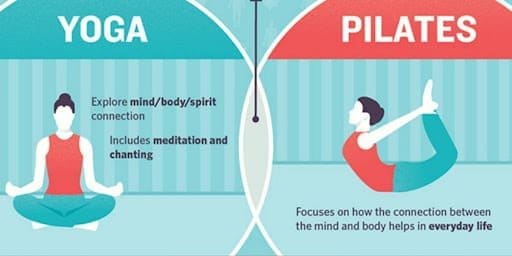
Yoga originated in ancient India thousands of years ago and has deep spiritual and philosophical roots. It is a holistic practice that combines physical postures (asanas), breath control (pranayama), meditation, and ethical principles. Yoga encompasses a wide range of styles and philosophies, including Hatha, Vinyasa, Ashtanga, and Kundalini.
On the other hand, pilates was developed by Joseph Pilates in the early 20th century as a system of exercises aimed at improving physical fitness, particularly for dancers and athletes. While pilates incorporates some mindfulness and body awareness principles, it does not have the same spiritual or philosophical foundation as yoga.
Focus and Primary Goals
The primary focus of yoga is on the union of mind, body, and spirit. It aims to promote overall well-being, balance, and harmony. Yoga practices prioritize flexibility, strength, balance, and relaxation to create a holistic approach to physical and mental health. The goal of yoga is to cultivate self-awareness, inner peace, and a deeper connection with oneself and the world around us.
On the contrary, pilates is primarily focused on physical fitness and conditioning. The emphasis is on developing core strength, improving posture, increasing flexibility, and enhancing muscular strength. The goal of pilates is to develop a strong, balanced body capable of efficient movement and optimal performance in various activities.
Breathing Techniques
Breathing is an essential component in both yoga and pilates, but the emphasis and techniques differ between the two practices. In yoga, specific breathing techniques, such as Ujjayi breathing and alternate nostril breathing, are used to regulate and control the flow of breath, energy, and prana (life force). Breath is often synchronized with movement to create a meditative and flowing practice.
In pilates, the emphasis is on lateral thoracic breathing, where individuals focus on expanding the ribcage laterally and filling the sides of the lungs. This breathing technique complements the precision and control required in pilates exercises, providing stability and support for the core and facilitating optimal movement.
Use of Equipment
Both yoga and pilates can be practiced with or without equipment, but pilates often incorporates specialized equipment, such as reformers, cadillacs, and stability balls. These apparatuses provide resistance, support, and assistance to enhance the effectiveness and versatility of pilates exercises. While equipment may be used in certain styles of yoga, such as aerial or Iyengar, it is not a fundamental aspect of traditional yoga practice.
Flexibility vs. Strength
While both yoga and pilates offer physical benefits, they prioritize different aspects of fitness. Yoga places a strong emphasis on flexibility, with a wide range of poses and movements that aim to improve joint mobility, lengthen muscles, and increase range of motion. Flexibility is seen as a gateway to better overall physical and mental health in yoga practice.
Pilates, on the other hand, focuses on building strength and stability, particularly in the core muscles. The exercises in pilates engage multiple muscle groups, promoting muscle strength, endurance, and toning. While flexibility is still an important component of pilates, it is seen as a means to support and enhance overall strength and stability.
Choosing the Right Practice
When it comes to choosing between yoga and pilates, several factors should be considered:
Individual Preferences and Goals
The choice between yoga and pilates ultimately depends on personal preferences and goals. If someone seeks a practice with a spiritual or philosophical aspect, a focus on flexibility and relaxation, and a holistic approach to well-being, yoga may be the best fit. On the other hand, if someone prioritizes physical fitness, core strength, posture improvement, and muscular toning, pilates may be more suitable.
Overall Fitness Level
Both yoga and pilates can be modified for different fitness levels, but it is important to consider the current fitness level when choosing a practice. Yoga offers various styles and intensities, ranging from gentle and restorative practices to more vigorous and challenging ones. Pilates also provides different levels of exercises, allowing beginners and advanced practitioners to engage in a workout suitable for their abilities.
Injury or Medical Conditions
Individuals with specific injuries or medical conditions should consult with a healthcare professional before starting yoga or pilates. Both practices can be adapted and modified to accommodate physical limitations or restrictions, but it is essential to receive professional guidance and be mindful of any contraindications. For instance, individuals with certain back issues may find yoga therapeutic, while those with joint injuries may benefit from the core strength and stability focus of pilates.
Availability of Classes or Instructors
The availability of classes and instructors also plays a role in choosing the right practice. Yoga and pilates classes can be found in various studios, gyms, and community centers. It may be helpful to attend trial classes or seek recommendations to find experienced and qualified instructors who align with personal preferences and teaching styles.
Combination of Both for Holistic Fitness
It is worth noting that yoga and pilates are not mutually exclusive practices. In fact, they can complement each other and provide a well-rounded fitness regimen. Many individuals find benefit in combining elements of both practices to meet their physical and mental fitness needs. Yoga can contribute to flexibility, mindfulness, and relaxation, while pilates can enhance core strength, muscular toning, and postural alignment. Experimenting with different styles and classes can help determine the ideal combination for a holistic approach to well-being.
Complementary Nature of Yoga and Pilates
Yoga and pilates offer numerous physical and mental benefits, and their practices are complementary in nature. By integrating elements from both disciplines, individuals can experience a well-rounded and comprehensive approach to fitness and overall well-being. Some of the key benefits of combining yoga and pilates include:
Improved Flexibility and Strength
By incorporating yoga into a pilates routine, individuals can enhance both flexibility and strength. Yoga’s emphasis on stretching and lengthening the muscles complements pilates’ focus on strengthening and toning. The combination of these practices results in a balanced body that is both flexible and strong, contributing to improved performance in various physical activities.
Enhanced Body Awareness
The mind-body connection fostered in both yoga and pilates enhances body awareness. By practicing yoga poses that require precise alignment and pilates exercises that engage specific muscle groups, individuals become more attuned to their bodies’ needs and limitations. This heightened body awareness can translate into improved posture, movement efficiency, and reduced risk of injuries.
Increased Overall Fitness
Combining yoga and pilates provides a more comprehensive approach to physical fitness. While yoga focuses on flexibility, relaxation, and spirituality, pilates emphasizes core strength, stability, and physical conditioning. By integrating both practices, individuals can develop a well-rounded fitness regimen that addresses multiple aspects of wellness, including cardiovascular health, muscular strength, flexibility, and mental clarity.
Combination of Relaxation and Mindfulness
Yoga and pilates share common elements of relaxation and mindfulness. Both practices invite individuals to be present and fully engaged in their bodies and breath, promoting a state of calmness and flow. By incorporating yoga’s meditative aspects, such as deep breathing and varying levels of meditation, into pilates sessions, practitioners can enhance relaxation, reduce stress, and cultivate a deeper sense of mindfulness.
Holistic Approach to Well-Being
The holistic nature of yoga and pilates aligns harmoniously, addressing physical, mental, and emotional aspects of well-being. The integration of these practices can contribute to improved quality of life, overall wellness, and a sense of balance and harmony. By nurturing the body, mind, and spirit collectively, individuals can experience a more comprehensive and holistic approach to their health and overall well-being.
Precautions and Considerations
While yoga and pilates are generally safe and beneficial practices, there are some precautions and considerations to keep in mind:
Seeking Professional Guidance
It is always advisable, especially for beginners or individuals with specific conditions, to seek professional guidance before starting a yoga or pilates practice. Certified instructors or healthcare professionals can provide personalized guidance, assess individual needs, and ensure appropriate modifications are made to accommodate any injuries or limitations.
Listening to the Body and Avoiding Injury
It is essential to listen to the body and avoid pushing beyond personal limits. Both yoga and pilates should be practiced mindfully and with awareness of individual capabilities. Straining or forcing the body into positions that are uncomfortable or painful may lead to injury. Practitioners should respect their body’s boundaries and progress gradually, honoring the body’s natural abilities and limitations.
Modifying Poses or Exercises
Yoga and pilates offer a wide variety of poses and exercises that can be modified to suit individual needs. Whether it is using props or modifying poses to accommodate injuries or limited mobility, practitioners should adapt the practice to their personal requirements. It is crucial to work with an experienced instructor who can provide guidance and assist with modifications as needed.
Gradual Progression
Progression in yoga and pilates should be gradual and progressive. It is important to build a strong foundation and gradually increase the intensity and complexity of poses or exercises. Rushing or attempting advanced movements before mastering the basics can increase the risk of injuries and hinder progress. Patience and consistency in practice lead to steady growth and development over time.
Awareness of Limitations
Individuals should be aware of their limitations and practice within their capabilities. Yoga and pilates are not competitions; they are practices of self-exploration and self-improvement. Practitioners should be mindful of any physical or mental limitations and refrain from comparing themselves to others. By honoring and respecting their unique bodies and abilities, individuals can optimize their practice and enjoy the benefits safely.
Common Misconceptions
Yoga and Pilates as Only for Women
One common misconception is that yoga and pilates are only for women. While these practices have gained popularity among women, they are not restricted to a specific gender. Both yoga and pilates offer a wide range of benefits for individuals of all genders, ages, and fitness levels. Men can benefit greatly from the physical and mental aspects of these practices, including improved strength, flexibility, balance, and overall well-being.
Perception of Low-Intensity Workouts
Another misconception is that yoga and pilates are low-intensity workouts. While they may not always involve high-impact movements or heavy weights, both practices can be as challenging and physically demanding as desired. The intensity of both yoga and pilates can be adjusted to meet individual goals and preferences. Dynamic yoga styles such as power yoga or Ashtanga can provide a vigorous workout, while more advanced pilates exercises can significantly challenge muscular strength and endurance.
Misunderstanding About Religious or Spiritual Aspects
Yoga is often associated with spiritual or religious practices, such as Hinduism or Buddhism, due to its historical roots. However, the physical practice of yoga can be enjoyed independently from any religious or spiritual beliefs. Yoga is a holistic practice that encompasses physical movement, breath control, meditation, and life principles. Individuals are free to interpret and approach yoga in a way that resonates with their personal beliefs and values.
Pilates, on the other hand, does not have any explicitly religious or spiritual aspects. It is primarily a physical practice focused on strength, flexibility, and body conditioning.
Conclusion
The benefits of practicing both yoga and pilates are vast and diverse. While yoga offers increased flexibility, improved strength, enhanced balance, and weight loss, pilates develops a strong core, improves muscular strength, increases flexibility, and enhances posture. Both practices have mental benefits, including reduction of stress and anxiety, enhanced focus and concentration, promotion of relaxation and better sleep, and improved mood and self-confidence.
Yoga and pilates differ in their origins, philosophies, focus, and goals. Yoga has a deep spiritual and philosophical foundation, emphasizing the union of mind, body, and spirit, while pilates focuses on physical fitness and conditioning. Breathing techniques, use of equipment, and the balance between flexibility and strength are also distinguishing factors.
When choosing between yoga and pilates, it is essential to consider individual preferences, goals, overall fitness level, any injuries or medical conditions, and availability of classes or instructors. However, both practices can complement each other to provide a well-rounded fitness regimen. Integrating elements from both practices enhances flexibility and strength, increases body awareness, improves overall fitness, combines relaxation and mindfulness, and promotes a holistic approach to well-being.
Precautions and considerations should be taken in practicing yoga and pilates, including seeking professional guidance, listening to the body, modifying poses or exercises, progressing gradually, and being aware of limitations. Common misconceptions, such as yoga and pilates being only for women or low-intensity workouts, should be dispelled, and the understanding of religious or spiritual aspects clarified.
In conclusion, the Benefits of Yoga and Pilates span strength, flexibility, stress reduction, and holistic well-being. Whether practiced alone or together, they provide a balanced approach to health and fitness that supports lasting vitality.