
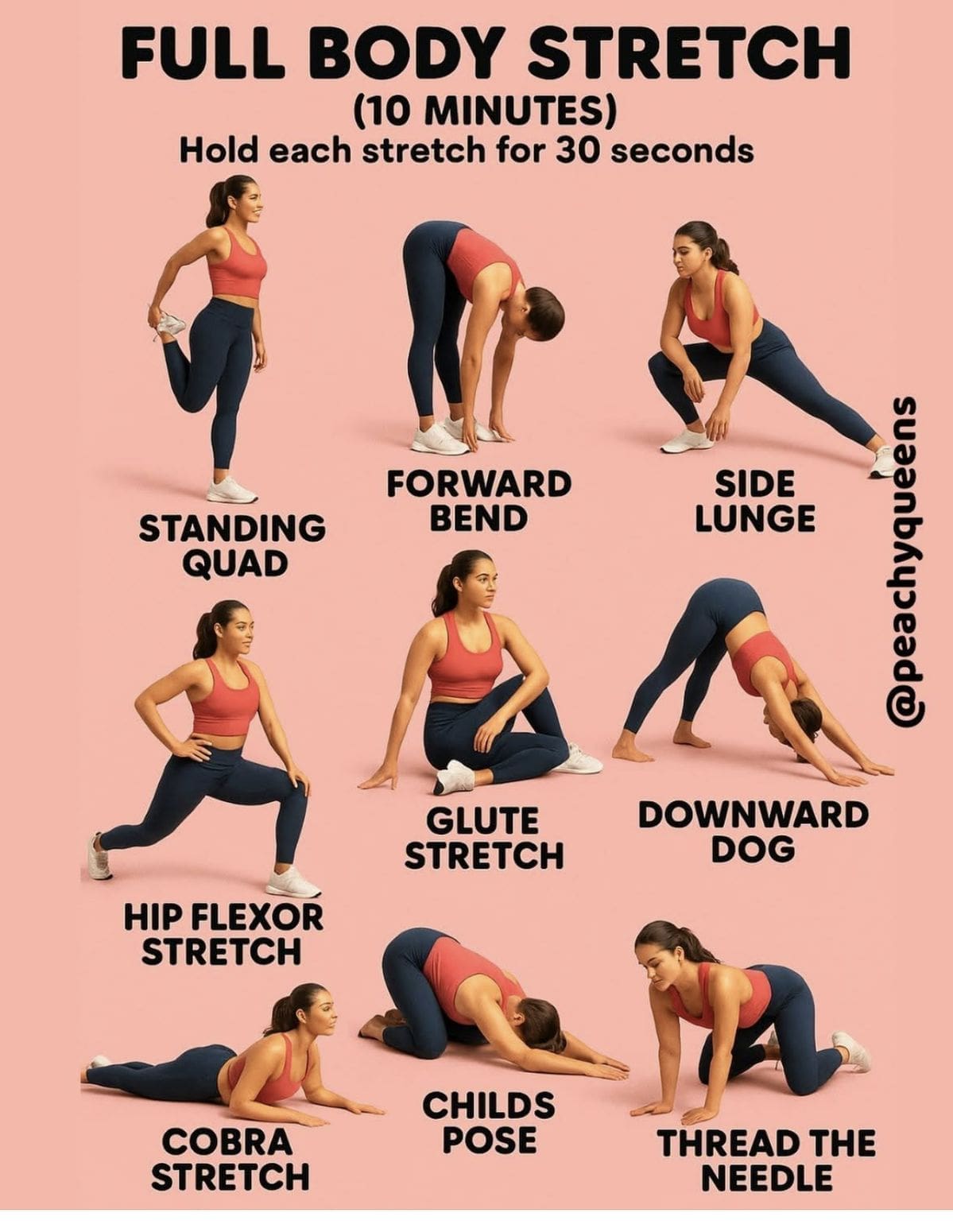
A 10 minute mobility routine can make a big difference in how your body feels and moves throughout the day. Many people experience stiffness, tight hips, or back discomfort due to long hours of sitting, poor posture, or lack of movement. The good news is that improving mobility does not require complicated workouts or expensive equipment. Just ten minutes of focused movement each day can help loosen tight muscles, support joint health, and improve overall flexibility.
Mobility training focuses on controlled movement through a comfortable range of motion. Instead of forcing the body into deep stretches, mobility exercises encourage gentle and consistent movement that helps joints function better. Over time, this improves flexibility, balance, posture, and body awareness.
The key to success with a mobility routine is consistency. Small daily habits often produce better results than occasional intense workouts. A simple ten-minute routine performed regularly can help reduce stiffness, improve circulation, and make everyday movements feel easier and more natural.
Why a 10 Minute Mobility Routine Works
A 10 minute mobility routine works because it prioritizes movement quality rather than intensity. Many people believe they need long workouts to improve flexibility or mobility, but that is not always the case. Short, focused routines performed consistently can be extremely effective.
Mobility exercises help joints move through their natural range of motion. When joints remain inactive for long periods, surrounding muscles tighten and movement becomes restricted. This is why many people experience stiffness in areas like the hips, lower back, shoulders, and ankles.
Regular mobility work gradually restores natural movement patterns. Gentle rotations, stretches, and controlled movements signal the body to relax tight areas and improve coordination between muscles and joints.
Another reason a ten-minute routine works well is that it is easy to maintain. Long workout sessions can feel overwhelming, especially for beginners or people with busy schedules. A short daily routine is much easier to stick with, which means you are more likely to stay consistent over time.
Consistency is what ultimately creates long-term improvements in mobility and flexibility.
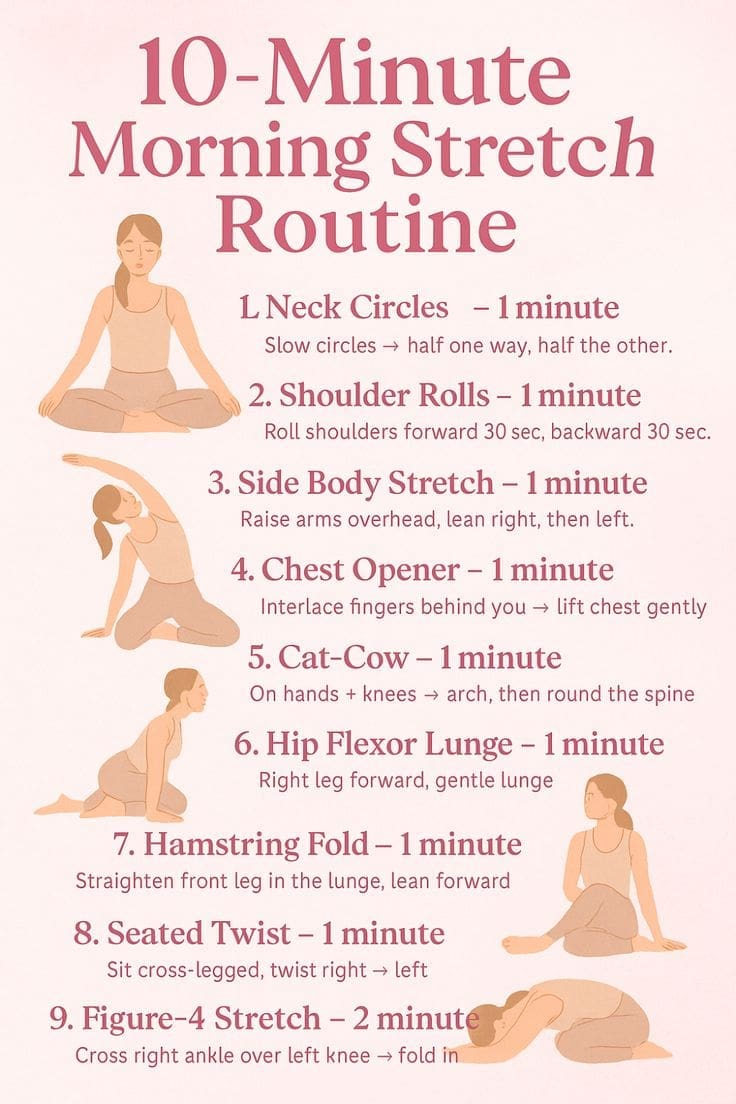
Benefits of a Daily Mobility Routine
A daily 10 minute mobility routine provides several important benefits for both physical health and everyday comfort.
One of the most noticeable benefits is reduced stiffness. Many people feel tightness in their hips, back, or shoulders after sitting for long periods. Gentle movement helps loosen these areas and improve circulation.
Improved posture is another major benefit. Tight muscles often pull the body out of proper alignment. Mobility exercises encourage balanced movement and help restore natural posture.
Mobility routines can also support joint health. Joints rely on regular movement to stay healthy. Controlled exercises help maintain lubrication within the joints, which allows them to move smoothly.
People who practice mobility regularly often notice improvements in flexibility as well. This makes daily activities like bending, reaching, and walking feel easier.
Some additional benefits include:
-
Better balance and coordination
-
Reduced risk of minor injuries
-
Increased body awareness
-
Improved overall movement quality
Even though the routine is short, the cumulative effect over weeks and months can be significant.
Who Should Do a 10 Minute Mobility Routine
A 10 minute mobility routine is suitable for almost everyone. It is particularly helpful for people who spend long hours sitting during the day.
Office workers often experience tight hips, rounded shoulders, and lower back discomfort due to prolonged sitting. A short mobility routine can help counteract these effects by encouraging the body to move in healthier ways.
Beginners who want to start exercising may also benefit from mobility training. Because the exercises are gentle and controlled, they are an excellent introduction to regular movement.
Athletes and active individuals can also use mobility routines as part of their warm-up or recovery process. Improving mobility helps support better performance in other types of exercise.
Older adults may find mobility exercises especially valuable. As people age, joints can become stiffer if they are not regularly used. Simple mobility routines help maintain flexibility and movement capacity.
The routine is also ideal for anyone who:
-
Feels stiff in the morning
-
Experiences tight hips or shoulders
-
Wants to improve flexibility safely
- Prefers short daily habits over long workouts
Simple Principles for Practicing Mobility Safely
When following a 10 minute mobility routine, it is important to focus on quality rather than speed. Moving slowly and with control allows the body to adapt safely.
Breathing should remain relaxed throughout each exercise. Many people unconsciously hold their breath when stretching or moving into unfamiliar positions. Maintaining steady breathing helps muscles stay relaxed and responsive.
Pain should also be avoided. Mobility exercises should create a gentle stretch or movement sensation, but they should never cause sharp discomfort. If something feels painful, it is best to reduce the range of motion or modify the movement.
Another useful principle is to move through a comfortable range of motion rather than forcing flexibility. Over time, the body will gradually adapt and movement will become easier.
Finally, consistency is more important than intensity. A short routine practiced daily will produce better results than an occasional longer session.
Example Structure of a 10 Minute Mobility Routine
A typical 10 minute mobility routine can include several simple movements that target common areas of stiffness.
Many routines begin with gentle breathing and posture alignment to help the body relax and prepare for movement.
Next, hip mobility exercises may be introduced. The hips often become tight from sitting, so controlled movements that encourage hip rotation and extension can be very helpful.
Spinal mobility is another important part of many routines. Gentle movements that encourage spinal rotation or extension help reduce back stiffness and improve posture.
Shoulder mobility exercises may follow. These movements support healthy shoulder function and help counteract the effects of desk work.
Finally, ankle or lower-body movements can improve balance and walking mechanics.
Together, these exercises create a balanced routine that supports overall body movement.
Building a Consistent Mobility Habit
The most effective way to benefit from a 10 minute mobility routine is to make it a regular habit.
Many people find it helpful to perform their routine at the same time each day. Morning routines are popular because they help reduce stiffness after sleep and prepare the body for daily activities.
Others prefer to practice mobility during a break from work or in the evening as a way to relax and release tension.
Keeping the routine simple also increases the likelihood of consistency. If a routine feels complicated or time-consuming, it becomes easier to skip.
Starting with just ten minutes allows the habit to develop naturally. Once the routine becomes part of your daily schedule, maintaining it requires very little effort.
Over time, these small daily sessions can lead to noticeable improvements in flexibility, posture, and overall comfort.
Final Thoughts
A 10 minute mobility routine is one of the simplest ways to improve how your body moves and feels. By dedicating just a few minutes each day to controlled movement and gentle stretching, you can reduce stiffness, support joint health, and improve overall flexibility.
The key is to stay consistent and focus on movement quality rather than intensity. Small daily habits often produce the greatest long-term results.
For those who want a structured step-by-step program, the full routine is explained in Move Better, Live Better – The Simple 10 Minute Daily Mobility Routine to Improve Flexibility, Reduce Stiffness, and Feel Better Every Day, available on Amazon.
[hfe_template id=’4070′]