
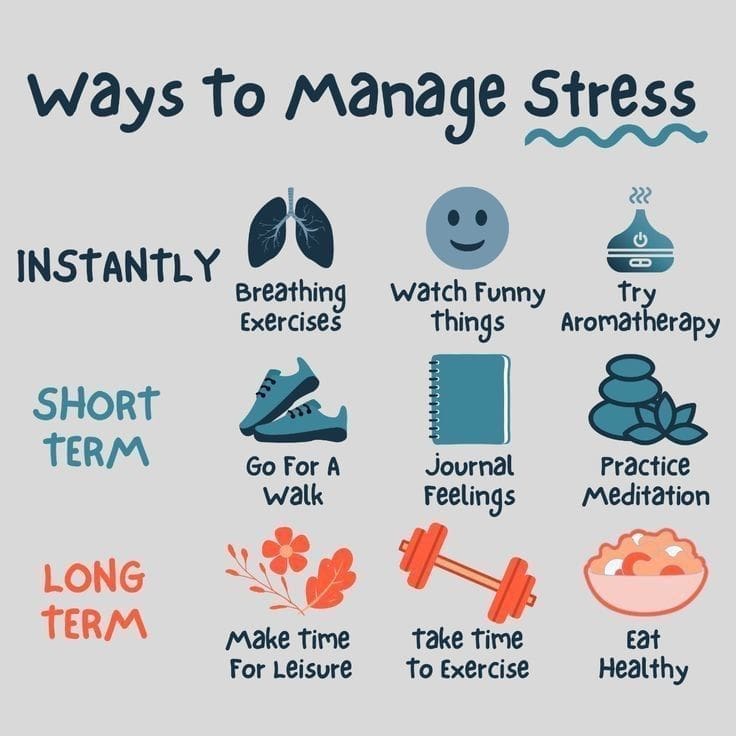
Stress can take a toll on your mind and body, but there are natural ways to find relief. Simple changes like mindful breathing, gentle exercise, and spending time in nature can help you relax and restore balance. These natural stress relief tips are easy to follow and can improve your mood, focus, and overall well-being when practiced regularly.
Understanding Stress
Before you can alleviate stress, it’s essential to understand what it is. Stress is your body’s way of responding to any kind of demand or threat. When under stress, your body goes into “fight or flight” mode, releasing hormones like adrenaline and cortisol. While this response can be beneficial in the short term, chronic stress can have detrimental effects on both your physical and mental health.
The Effects of Chronic Stress
Chronic stress can lead to a multitude of health issues including anxiety, depression, digestive problems, and heart disease. It can also affect your sleep and lead to poor concentration. Understanding these effects underscores the importance of finding effective stress-relief techniques.
Embrace Mindfulness and Meditation
One of the most effective natural stress relief methods is mindfulness and meditation. These practices encourage you to focus on the present moment, reducing anxiety about the past or future.

Practicing Mindfulness
Mindfulness involves being fully present in the moment without judgment. You can practice mindfulness in various ways:
- Mindful Breathing: Focus on your breath, taking slow, deep inhalations and exhalations. This simple technique can ground you and ease tension.
- Body Scanning: Lie down comfortably and mentally scan your body from head to toe, noting any areas of tension. This can help you release physical stress.
Guided Meditation
If you’re new to meditation, guided sessions can be invaluable. You can find these online or via apps. They often involve a narrator guiding you through relaxation exercises, making it easier to focus and calm your mind.
Get Physical: Exercise Regularly
Physical activity is a fantastic way to reduce stress. When you exercise, your body releases endorphins, which are chemicals that promote a sense of well-being.
Types of Exercise
You don’t have to hit the gym to reap the benefits of exercise. There are numerous forms you can try:
| Type of Exercise | Benefits |
|---|---|
| Walking | Low impact, can be done anywhere |
| Yoga | Combines physical movement with mindfulness |
| Dancing | Fun and expressive way to work out |
| Team Sports | Combines exercise with social interaction |
Finding What Works for You
The key is to find an activity you enjoy. When you enjoy your exercise routine, you’re more likely to stick with it and make it a regular part of your life.
Nourish Your Body with Healthy Foods
Believe it or not, your diet can significantly impact your stress levels. Consuming nutritious foods can help your body cope better with stress.
Foods that Help
Here’s a quick list of foods to incorporate into your diet for stress relief:
| Food Category | Examples | Benefits |
|---|---|---|
| Fruits | Berries, bananas, oranges | Rich in vitamins, antioxidants, and fiber |
| Vegetables | Spinach, broccoli, sweet potatoes | Provide essential nutrients and minerals |
| Whole Grains | Quinoa, brown rice, oats | Help maintain steady blood sugar levels |
| Proteins | Fish, nuts, legumes | Boosts energy and mood |
| Herbal Teas | Chamomile, green tea | Can have calming effects on the body |
Stay Hydrated
Don’t overlook the importance of hydration. Dehydration can lead to irritability and fatigue, so make sure you’re drinking enough water throughout the day.
Prioritize Sleep
Sleep and stress are closely connected. When you’re stressed, it can be challenging to get a good night’s sleep, and lack of sleep can increase your stress levels.
Tips for Better Sleep
To improve your sleep quality, consider the following tips:
- Establish a Routine: Go to bed and wake up at the same time every day, even on weekends.
- Create a Sleep-Inducing Environment: Make your bedroom a comfortable space. Consider blackout curtains and keeping the room cool.
- Limit Screen Time: Reduce tech use an hour before bed. The blue light emitted by screens can interfere with your ability to fall asleep.
Connect with Nature
Spending time in nature can be immensely grounding and stress-relieving. Studies have shown that being outdoors can lower cortisol levels and improve mood.
Ways to Connect with Nature
Here are a few simple ways to get outside and enjoy the natural world:
- Go for a Hike: Even a short walk in a park can boost your mood.
- Gardening: Cultivating plants can be a therapeutic way to connect with nature.
- Mindful Nature Walks: Pay attention to the sights, sounds, and smells around you while walking in nature.
Establish a Support System
You don’t have to face stress alone. Strong social connections can help you manage stress more effectively.
Building Your Network
Consider these tips to enhance your support network:
- Reach Out: Don’t shy away from contacting friends and family when you’re feeling stressed. Sometimes, simply talking it out can make a significant difference.
- Ask for Help: If you’re overwhelmed, don’t hesitate to ask for assistance, whether at work or home.
- Join Groups: Look for community organizations, clubs, or online groups that align with your interests.
Limit Your Caffeine and Sugar Intake
While a cup of coffee can provide a quick energy boost, too much caffeine can heighten stress levels and lead to anxiety. The same goes for sugar; although it might give you temporary energy, it’ll often lead to a crash that can affect your mood.

Finding Balance
Try to limit your caffeine intake, especially in the afternoon. You might also consider switching to herbal teas or decaf options.
Practice Deep Breathing Techniques
Deep breathing can help reduce stress by calming the nervous system. It’s an easy technique you can do almost anywhere.
Simple Breathing Exercises
- Box Breathing: Inhale for four counts, hold for four counts, exhale for four counts, and hold for another four counts. Repeat this cycle several times.
- 4-7-8 Breathing: Inhale through the nose for four counts, hold for seven counts, and then exhale through the mouth for eight counts. This technique is excellent for relaxation before sleep.
Seek Professional Help When Needed
Sometimes, despite your best efforts, stress can feel overwhelming. It’s essential to recognize when you might need extra help.
Types of Professional Support
Consider seeking support from various professionals, such as:
- Therapists or Counselors: They can help you unpack your feelings and provide you with coping strategies.
- Life Coaches: If you’re looking for broader life guidance, a coach can help you identify goals and teach stress management techniques.
- Support Groups: Connecting with others who share similar experiences can provide comfort and insight.
Unplug from Technology
In our increasingly digital world, it can be overwhelming to be constantly connected. Taking a break from technology can help alleviate stress.
Digital Detox Tips
- Set Boundaries: Designate specific no-phone times, like during meals or before bed.
- Social Media Breaks: Use tools or apps that help you limit your social media usage if you find it stressful.
- Engage in Offline Activities: Spend time with family or friends without screens. Consider board games, arts and crafts, or just chatting.
Develop a Hobby
Engaging in a leisure activity can be a great way to take your mind off stressors. Hobbies not only provide joy but also serve as an escape from daily pressure.
Here are a Few Hobby Ideas
| Hobby | Benefits |
|---|---|
| Painting/Drawing | Encourages creativity and can be very therapeutic |
| Writing | Excellent for expressing your thoughts and feelings |
| Cooking/Baking | A fun and productive way to spend time |
| Playing Music | Can be uplifting and improve mood |
Laughter as Medicine
Never underestimate the power of good laughter. It can significantly reduce stress and boost your overall mood.
Ways to Incorporate More Laughter
- Watch Funny Shows: Find a series or a movie that makes you laugh out loud.
- Spend Time with Funny Friends: Surround yourself with people who have a good sense of humor.
- Play Games: Engage in games that bring out laughter, whether they’re board games or online activities.
Journaling for Clarity
Writing down your thoughts can be incredibly therapeutic. It helps clarify your feelings and can lead to insightful revelations.
How to Start Journaling
- Set a Routine: Dedicate a specific time of day to jot down your thoughts, whether it’s morning reflections or evening gratitude.
- Use Prompts: If you’re unsure what to write, consider using prompts like “What made me happy today?” or “What are my biggest stressors?”
Conclusion
Stress relief doesn’t have to come from medication or complicated routines. By incorporating these natural strategies into your daily life, you can cultivate a more peaceful existence. Remember, finding what techniques resonate with you might take time. Be patient with yourself! By making small changes, you will likely notice a big difference in how you handle stress.
So, take a moment for yourself today and try out a few of these tips. Your mind and body will thank you!
[hfe_template id=’4070′]