
Yoga for posture is one of the most effective ways to improve alignment, reduce pain, and boost your overall well-being. Good posture doesn’t just affect how you look—it impacts your breathing, mental clarity, and confidence. In this article, you’ll discover how yoga can be your best ally in building body awareness and correcting posture through breath and movement.
Understanding Posture: The Foundation of Good Health
Good posture means aligning your body in a way that maintains balance and support, causing minimal strain on your muscles and ligaments. You might not realize it, but your everyday habits, from how you sit at a desk to how you sleep at night, can greatly affect your posture.
The Importance of Good Posture
Good posture has several key benefits:
- Preventing Pain: Proper alignment can help prevent common pain issues, including back, neck, and shoulder pain.
- Improving Breathing: When your spine is aligned, your diaphragm works more effectively, allowing for deeper and more relaxed breathing.
- Enhancing Mood and Confidence: Studies suggest that standing tall can shape your mental state positively, boosting your confidence and reducing feelings of stress.
By engaging in yoga, you can cultivate awareness of your body’s alignment. With each breath and movement, you will enhance your natural posture.
The Role of Yoga in Improving Posture
Practicing yoga for posture emphasizes alignment, breath, and awareness to build long-term improvements. Yoga is a holistic practice that harmonizes body and mind. It places a heavy focus on awareness, alignment, and breath, all of which contribute to improving your posture.
Yoga Basics for Posture
If you’re just beginning yoga for posture, focusing on alignment and breath is the perfect place to start. To get started with yoga for posture, you’ll want to familiarize yourself with a few essential principles:
- Alignment: Paying attention to how each pose aligns your body correctly.
- Engagement: Activating the key muscle groups that support your spine is vital.
- Breath: Integrating breath with movement promotes flexibility and stability.
Essential Yoga Poses for Better Posture
Now that you understand the basics, let’s get into specific yoga poses that can help improve your posture.
1. Mountain Pose (Tadasana)
This pose is the foundation for many standing poses and the perfect place to begin your journey toward better posture.
How to Perform:
- Stand tall with your feet together or hip-width apart.
- Distribute your weight evenly on your feet.
- Lengthen your spine by reaching the crown of your head toward the ceiling.
- Engage your thighs and lift your chest.
- Hold and focus on your breath for 5-10 breaths.
2. Downward-Facing Dog (Adho Mukha Svanasana)
This well-known pose strengthens the entire body while stretching your back and shoulders, making it great for posture.
How to Perform:
- Start on your hands and knees, with your wrists under your shoulders.
- Spread your fingers wide and tuck your toes under.
- Lift your hips up and back, straightening your legs and forming an inverted “V” shape.
- Keep your head between your arms, aligning your ears with your upper arms.
- Hold for 5-10 breaths.
3. Cobra Pose (Bhujangasana)
Cobra pose opens up your chest and improves spinal flexibility, which is crucial for maintaining good posture.
How to Perform:
- Lie on your stomach, legs extended, and feet hip-width apart.
- Place your palms under your shoulders.
- Press into your hands to lift your chest while keeping your elbows close to your body.
- Draw your shoulder blades back and down.
- Hold for 5 breaths and slowly lower back down.
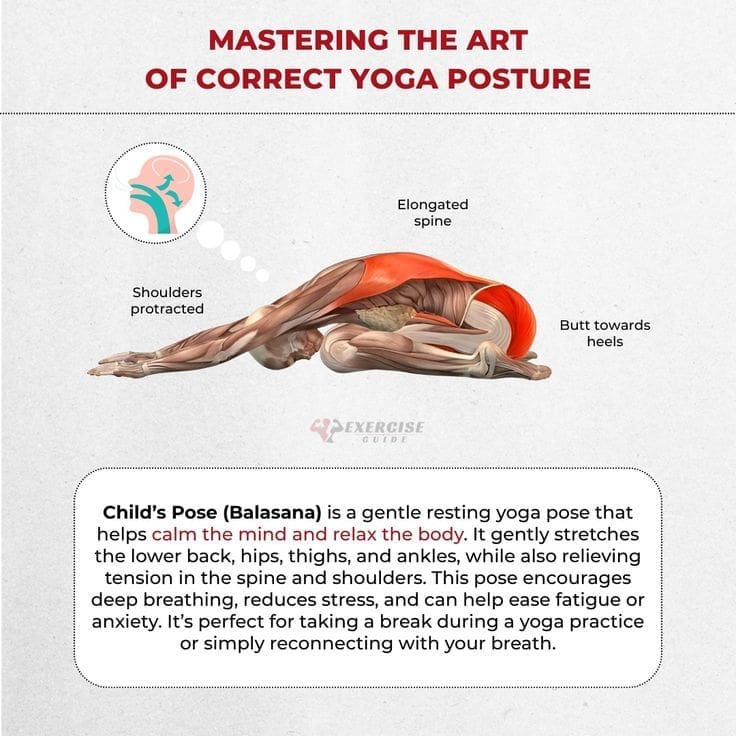
4. Child’s Pose (Balasana)
This restorative pose stretches your back and relaxes your body, helping to release tension.
How to Perform:
- Kneel on the floor and sit back on your heels.
- Extend your arms out in front of you and lower your forehead to the ground.
- Breathe deeply and hold for up to 1 minute.
Breathing Techniques for Better Posture
While yoga poses are instrumental, breathing techniques can enhance your practice and bolster your posture. Let’s look at a couple of effective techniques.
Diaphragmatic Breathing
This technique encourages full oxygen exchange, which is calming and promotes relaxation.
How to Practice:
- Sit or lie down comfortably.
- Place one hand on your chest and the other on your abdomen.
- Inhale deeply through your nose, feeling your abdomen rise.
- Exhale slowly through your mouth, feeling your abdomen lower.
Ujjayi Breathing
This type of breathing, often utilized in yoga, helps create a calm and focused atmosphere.
How to Practice:
- Inhale deeply through your nose.
- Slightly constrict the back of your throat as you exhale, making a soft sound like the ocean.
- Continue this pattern during your practice, maintaining a steady rhythm.
The Connection Between Core Strength and Posture
Having a strong core is essential for maintaining good posture. Your core muscles support your spine and pelvis, helping you stay aligned.
Key Core-Strengthening Poses
- Plank Pose: This pose engages the entire core, ensuring stability and support.
- Boat Pose (Navasana): This strengthens the abdominal muscles and promotes balance.
Creating a Yoga Routine for Posture
A regular yoga for posture routine helps strengthen key muscles and retrain your body’s alignment patterns. A consistent routine can significantly benefit your posture improvement journey. Consider the following tips to create your personalized practice.
Set a Schedule
Determine how many days a week you can realistically commit to your yoga practice. Aim for a minimum of 2-3 times per week.
Duration
Start with shorter sessions, like 20-30 minutes, and gradually increase the length as you become more comfortable.
Mix and Match Poses
Combine various poses to target different areas related to posture, ensuring a well-rounded practice.
Sample Posture-Focused Yoga Routine
| Pose | Duration |
|---|---|
| Mountain Pose | 5 breaths |
| Downward-Facing Dog | 5-10 breaths |
| Cobra Pose | 5 breaths |
| Child’s Pose | 1 minute |
| Plank Pose | 5 breaths |
| Boat Pose | 5 breaths |
Understanding the Mind-Body Connection
Your mental state can influence your posture. Stress and anxiety often lead to slumping or tension, affecting your alignment. Yoga’s focus on breath and mindfulness helps counteract this effect.
Mindfulness Practices in Yoga
Incorporate mindfulness techniques into your yoga practice and daily life:
- Meditation: Spend a few minutes each day focusing on your breath or visualizing good posture.
- Body Scan: During yoga, perform a body scan to identify areas of tension and consciously release them.
Common Posture Mistakes to Avoid
Even seasoned practitioners can fall into habits that hinder good posture. Here are some common pitfalls to watch out for.
Hunching Shoulders
Slouching your shoulders can create tension in your upper body. Always remember to draw your shoulders back and down during poses.
Overarching the Lower Back
While extending through your lower back can feel good, too much can lead to misalignment. Engage your core to maintain stability.
Neglecting the Feet
When standing poses, pay attention to your feet. Ensure they are grounded and evenly spaced to create a solid base.
Tips for Daily Posture Practices
Incorporating good posture habits into your daily routine can strengthen the foundation gained through yoga.
Ergonomics at Work
- Desk Setup: Your chair should support your lower back, and your screen should be at eye level to minimize strain.
- Frequent Breaks: Take breaks every hour to stretch and reset your posture.
Mindful Sitting
Be aware of your body position while sitting. Keep your feet flat on the ground, your back straight, and your shoulders relaxed.
Mobile Device Awareness
When using your phone or tablet, hold the device at eye level to avoid hunching over. This simple change can greatly impact your upper body’s alignment.
Evaluating Your Progress
Tracking your progress can help maintain motivation alongside yoga practice.
Journaling
Keep a journal to record your experiences with yoga, focusing on gains in flexibility, strength, and overall posture.
Self-Assessment
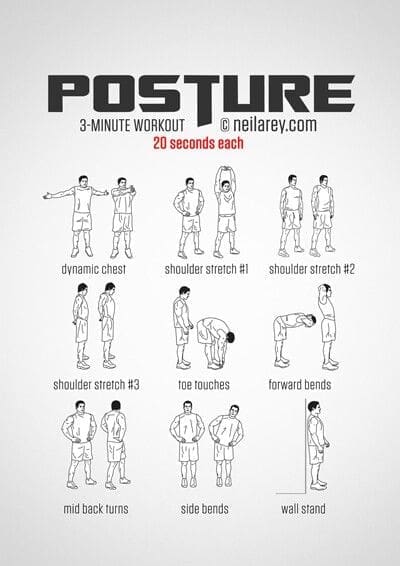
Periodically assess your posture by standing against a wall. Your heels, butt, shoulder blades, and head should touch the wall as a sign of good alignment.
Conclusion: Your Journey to Better Posture
As you continue your journey with yoga for posture, consistency and mindfulness will lead to long-term transformation. As you engage in yoga to improve your posture, remember that patience is key. Change won’t happen overnight, but with consistency and dedication, you will notice positive transformations in your physical and mental well-being. Staying consistent with your yoga for posture practice will help you develop healthy habits both on and off the mat.
Encouraging yourself to develop healthy habits both on the mat and in your everyday life will lead to a stronger, more aligned body. Take your time with each pose, breathe deeply, and enjoy the journey towards better posture. Your body will thank you!
[hfe_template id=’4070′]