Yoga Poses

neck and shoulder -yoga poses

Easing Neck and Shoulder Strain: 7 Yoga Pose

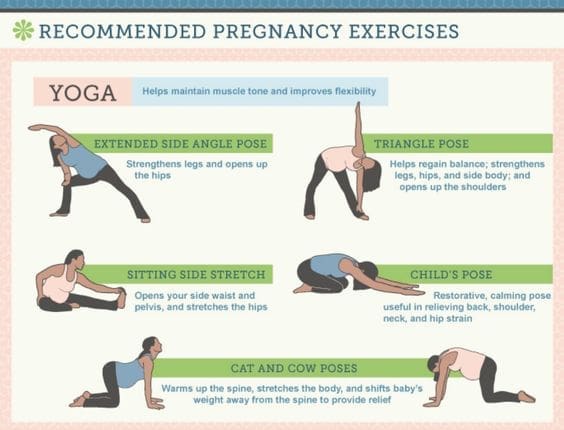
Yoga offers a sanctuary for those burdened by neck and shoulder tension. Join us as we unveil seven potent poses tailored to diminish tightness in these common trouble spots. Perfect for novices and seasoned yogis alike, these movements are easy to integrate into any routine. Prepare your mat, carve out a peaceful corner, and anticipate the dissolution of stress and unease. Wave farewell to stubborn knots and welcome a refreshing wave of calm and comfort. Embark on this journey into the essence of yoga and discover the secret to serenity for your neck and shoulders. Cat-Cow Pose Instructions To practice Cat-Cow pose, start on all fours with your hands beneath your shoulders and knees beneath your hips. As you inhale, arch your spine and lift your head towards the ceiling, allowing your belly to sink towards the floor. This is the Cow pose. As you exhale, round your spine and tuck your chin towards your chest, like an angry cat. Repeat this flow, moving between Cow and Cat poses, for several breaths. Benefits Cat-Cow pose is a gentle way to warm up your spine and release tension in your neck and shoulders. It helps to improve spinal flexibility, relieve stress, and increase blood circulation to the neck and shoulder area. This pose also helps to stretch and strengthen the muscles along your spine, providing relief from any discomfort or tightness in those areas. Thread the Needle Pose Instructions To practice Thread the Needle pose, start on all fours in the tabletop position. Extend your right arm out to the side and then slide it underneath your left arm, allowing your right shoulder and side of the head to rest on the mat. Keep your left hand grounded and reach it forward, feeling a gentle stretch along the side of your upper back. Hold this position for several breaths and then switch sides. Benefits Thread the Needle pose is a great way to release tension in your shoulders and upper back. It helps to open up the chest and increase flexibility in the shoulder joints. This pose also provides a gentle twist to your spine, which can help to relieve any stiffness or tightness in that area. By focusing on deep breathing in this pose, you can further relax your mind and promote a sense of calmness. Child’s Pose Instructions To practice Child’s pose, start by kneeling on the floor. Bring your big toes together and sit back on your heels. Slowly lower your chest towards the mat and reach your arms forward, placing them on the ground in front of you. Allow your forehead to rest on the mat and relax the weight of your body into the pose. You can choose to keep your knees together or spread them slightly wider for a deeper stretch. Take slow, deep breaths in this pose and hold it for as long as feels comfortable. Benefits Child’s pose is a gentle resting pose that helps to release tension in your neck, shoulders, and back. It provides a deep stretch to the muscles of your upper back and promotes relaxation throughout your body. This pose also calms the mind, reduces stress, and can help to relieve anxiety or mental fatigue. Child’s pose is a great way to take a break and find a sense of peace and tranquility during your yoga practice. Eagle Arms Instructions To practice Eagle Arms, start by sitting or standing in a comfortable position. Extend your arms out in front of you at shoulder height. Cross your right arm over your left, bringing the backs of your hands together. Bend your elbows and wrap your forearms around each other, allowing your palms to touch if possible. Lift your elbows slightly and feel a stretch in your upper back and shoulders. Hold this position for a few breaths and then switch sides. Benefits Eagle Arms pose is an effective way to release tension in your shoulders, upper back, and neck. It helps to stretch and strengthen the muscles in those areas, improving flexibility and mobility. This pose also stimulates blood circulation to the shoulder joints, promoting relaxation and reducing any discomfort or stiffness. By practicing Eagle Arms, you can alleviate shoulder and neck pain, while also improving your posture and alignment. Standing Forward Fold Instructions To practice Standing Forward Fold, begin by standing tall with your feet hip-width apart. Take a deep breath in and as you exhale, hinge forward at your hips, folding your upper body over your thighs. Allow your arms to hang down towards the ground or hold onto opposite elbows for a deeper stretch. Relax your head and neck, and let the weight of your torso gently stretch your spine. Hold this pose for several breaths, gradually deepening the fold with each exhale. Benefits Standing Forward Fold is a rejuvenating pose that releases tension in your neck, shoulders, and lower back. It promotes a gentle stretch in your hamstrings, calves, and spine, relieving any tightness or discomfort in those areas. This pose also helps to calm the mind, reduce stress, and improve digestion. Regular practice of Standing Forward Fold can enhance your flexibility, improve posture, and bring a sense of calmness to your body and mind. Bridge Pose Instructions To practice Bridge pose, lie on your back with your knees bent and feet flat on the floor, hip-width apart. Place your arms alongside your body with your palms facing down. As you inhale, press your feet into the ground and lift your hips up towards the ceiling. Keep your thighs parallel and engage your glutes. You can interlace your fingers under your body and roll your shoulders back for a deeper stretch. Hold this pose for several breaths and slowly lower your hips back down to the mat. Benefits Bridge pose is a powerful way to release tension in your neck, shoulders, and lower back. It strengthens and stretches the muscles along your spine, providing relief from any discomfort or tightness in those areas. This pose

Easing Neck and Shoulder Strain: 7 Yoga Pose Read More »

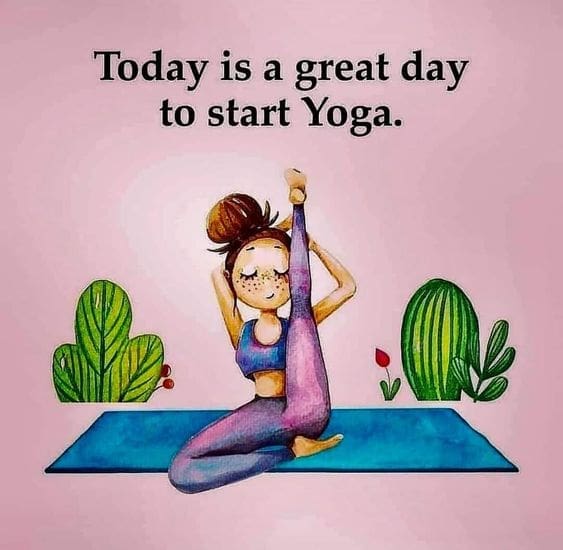
today is great day

How To Improve Yoga Poses: A Comprehensive Guide

Yoga, a practice blending physical, mental, and spiritual elements, continually evolves with each practitioner. One question many have is: “How to improve yoga poses?” Delving into this matter reveals numerous methods to elevate the practice. The Foundation of Every Pose At the core of improving any yoga pose is the establishment of a solid foundation. This foundation is not merely about the parts of your body that touch the ground but also encompasses the preparatory poses that lead up to more complex asanas.     Alignment is Key One primary answer to “How To Improve Yoga Poses” is proper alignment. Ensuring your body is correctly aligned in every pose prevents unnecessary strain and potential injuries. Breath and Movement Synchronization Breathing is integral to mastering how to improve yoga poses. By synchronizing your breath with movements, poses deepen, focus sharpens, and relaxation intensifies. Harness the Power of Drishti (Focused Gaze) Drishti, or a focused gaze, is a potent tool when exploring how to improve yoga poses. It anchors movement, heightens balance, and enhances the practice’s meditative aspect. Employ the Use of Props To further understand how to improve yoga poses, consider props. Blocks, straps, and bolsters can facilitate correct alignment, deepen stretches, or render poses more accessible. Mindfulness and Intention An essential element in the quest of how to improve yoga poses is mindfulness. Being present and setting a clear intention can profoundly transform your practice. Seek Expert Guidance Joining specialized workshops or working with experienced instructors can provide tailored feedback, aiding in the refinement of poses. Regular Practice and Patience Improvement comes with consistent practice. Being patient with your body and acknowledging its progress is vital. Customize Your Practice Remember, every body is unique. What works for one person might not work for another. Understand your body’s needs and limitations and tailor your practice accordingly. Listen to Your Body Yoga is about uniting the mind and body. Pay attention to the signals your body sends. Pushing too hard can be counterproductive. The Role of Meditation and Visualization Meditation and visualization can aid in understanding poses at a deeper level. Visualize yourself in a pose to understand its dynamics even before practicing it physically. The Anatomy of Yoga Having a basic understanding of human anatomy can significantly benefit your practice. It can guide alignment, engagement, and relaxation in poses. The Importance of a Warm-Up Just like any other physical activity, a proper warm-up is essential in yoga. It prepares the body and mind for more intense postures and sequences. Post-Practice Cool Down and Rest Finishing with poses that relax and restore the body, like Savasana, is as crucial as the practice itself. It aids recovery and assimilation. Feedback and Self-Reflection Taking time to self-reflect after practice or seeking feedback can provide insights into areas of improvement. Advanced Techniques and Modifications As you progress, exploring advanced techniques and modifications can add depth to your practice and challenge your limits. Staying Updated with Trends and Research The world of yoga is ever-evolving. Staying updated with the latest research and trends can provide new insights and techniques to incorporate into your practice. Diet and Hydration What you consume plays a role in your yoga practice. A balanced diet and proper hydration support energy levels and muscle function. Rest and Recovery Allowing the body time to rest and recover after intense sessions ensures muscle recovery and reduces the risk of injury. Setting Personal Goals Having clear, achievable goals can guide your practice and provide motivation. Understanding the Philosophy Behind Poses Beyond the physical, understanding the philosophy and intention behind poses can add a deeper layer of meaning to your practice. Commit to Lifelong Learning Yoga is a lifelong journey. Continual learning and staying curious will keep the practice fresh and inspiring. FAQs Why is alignment essential in how to improve yoga poses? Proper alignment ensures safe positioning in each pose, maximizing benefits and minimizing injury risks.. How often should one practice to truly grasp how to improve yoga poses? While individual needs vary, a frequency of 3-5 times weekly can lead to marked improvements. Can props be used in any pose? Props can be utilized in many poses to aid alignment, deepen the stretch, or make the pose more accessible. Is breathing essential in improving poses? Absolutely! Breath acts as a bridge between the mind and body, enhancing focus and aiding in deeper engagement of poses. Do advanced yoga poses mean a better practice? Not necessarily. The depth of your practice is more about mindfulness, alignment, and intention rather than the complexity of poses. How can meditation help in understanding poses? Meditation promotes mindfulness and awareness, helping in understanding the depth of a pose. Conclusion Embarking on the journey of “How To Improve Yoga Poses” is about more than just physical refinement; it’s a dance of the mind, body, and spirit. With patience, practice, and the right techniques, you can continually elevate your yoga experience, tapping into its profound benefits for holistic well-being [hfe_template id=’4070′]

How To Improve Yoga Poses: A Comprehensive Guide Read More »

Yoga poses

Exploring the Profound Benefits of Yoga Poses for Your Well-Being

Embark on a journey of well-being as we delve into the diverse world of yoga poses. Discover the ancient roots of yoga, explore a wide range of poses, and uncover the multitude of mental and physical benefits they offer. Primarily, regular engagement with yoga postures serves as a catalyst for enhanced physical well-being and heightened flexibility. As we stretch our bodies and hold these diverse poses, our musculature undergoes fortification and toning, thereby amplifying our range of motion and fostering an improved stance. Moreover, yoga has been scientifically proven to alleviate stress and induce relaxation by activating the body’s innate relaxation response. By directing our focus towards controlled breathing and complete presence in the moment during yoga, individuals stand to benefit from reduced anxiety levels and a general elevation in mental well-being. Furthermore, the recurrent practice of yoga postures contributes to enhanced equilibrium, coordination, and an elevated sense of bodily awareness, particularly advantageous for the elderly demographic. In summation, the incorporation of yoga postures into one’s daily regimen brings forth a plethora of physical, mental, and emotional advantages. From the augmentation of flexibility and physical vigor to stress mitigation and an amplified sense of relaxation, the benefits of routine yoga practice are extensive and far-reaching. Why not embark on this journey and personally experience the constructive impact of yoga poses?   Elevated Flexibility and Expanded Range of Motion Yoga has garnered renown for its aptitude in augmenting flexibility. Through consistent practice, we gradually expand our range of motion and become more limber. Flexibility, in essence, signifies the capacity of our muscles and joints to traverse their complete spectrum without impedance or discomfort. This augmented flexibility not only facilitates seamless execution of yoga poses but also heightens our overall physical dexterity in activities, be it sports or everyday motions. Flexibility assumes a pivotal role in injury prevention, as taut muscles and joints are predisposed to strains and sprains. By incorporating yoga poses into our fitness routines, we incrementally elongate and stretch our musculature, liberating pent-up tension and nurturing elasticity. This newfound flexibility transcends the confines of our physicality, fostering an open-minded disposition and adaptability in our daily encounters. Expanded Range of Motion The practice of yoga further enriches our range of motion. Range of motion denotes the extent or breadth of joint mobility in various directions. Through consistent engagement in yoga poses that concentrate on extension and mobilization of joints, we embark on a journey towards augmenting our range of motion and attaining a heightened freedom of movement. An improved range of motion inherently enhances our comprehensive physical functionality. It enables us to perform day-to-day tasks with greater efficiency, such as reaching for objects, bending, or executing body twists. Furthermore, an extended range of motion within our joints bolsters our athletic prowess, positioning us for excellence in activities that hinge on flexibility and agility. Amplified Muscular Strength and Tone Yoga’s attributes extend beyond flexibility, delving into the realm of muscular strength. Despite the perception of yoga as a gentle form of exercise, many yoga poses necessitate considerable strength and simultaneous engagement of multiple muscle groups. Regular practice begets the development of lean muscle mass and an overall enhancement of physical vigor. Yoga poses often entail isometric contractions, a scenario where muscles contract without substantial movement. This modality of muscle engagement fosters strength by resisting opposing forces within our bodies. Sustaining poses and transitioning between various postures demand strength and stability, with a particular emphasis on the core, arms, legs, and back musculature. Elevated Muscle Tone In tandem with strength, yoga fosters enhanced muscle tone. Muscle tone denotes the firmness or tension present in our muscles during periods of rest. Consistent practice of yoga poses triggers an active challenge to our muscles, compelling them to attain a leaner and more sculpted state. This elevated muscle tone extends benefits beyond the superficial, enhancing not only our physical appearance but also underpinning better posture and overall bodily alignment. As we forge stronger and more toned muscles, we gain mastery over our bodily motions. This heightened muscle tone amplifies our performance in activities necessitating stability and equilibrium, such as walking, running, or participating in various sports. Furthermore, toned musculature serves as a safeguard, mitigating unwarranted stress and tension on our joints, consequently lowering the risk of injuries. Stress Reduction and Anxiety Mitigation Diminished Stress Levels One of the most renowned facets of yoga is its aptitude in diminishing stress levels. Life frequently inundates us with challenges and responsibilities, often resulting in elevated stress levels. Through yoga, we unearth a sanctuary that provides respite from the daily stresses, fostering serenity and relaxation. Yoga melds physical movements with deep breathing and mental concentration, culminating in a holistic practice that champions mindfulness. As we immerse ourselves in yoga poses and focus on our breath, we redirect our attention away from concerns and anxieties, thus culminating in a state of tranquillity. This mindfulness-driven approach decelerates the tempo of our racing thoughts, ushering us into the present moment, thereby affording respite from anxiety-inducing thought patterns. Moreover, the physical manoeuvres and gentle stretches intrinsic to yoga induce a calming effect on our nervous system. These actions activate the parasympathetic nervous system, which is responsible for the body’s “rest and digest” response, thereby curtailing stress levels and fostering an overarching sense of well-being. Reduced Anxiety In concert with stress mitigation, yoga acts as a salve for anxiety. Anxiety often manifests as an excess of apprehension, fear, and restlessness. The tranquilizing aura of yoga serves to alleviate these symptoms by orchestrating regulation of the body’s stress response, consequently kindling a sense of tranquillity. Yoga’s deep-breathing techniques galvanize the body’s relaxation response, effectively counteracting the “fight or flight” response associated with anxiety. This methodical, focused breathing restores equilibrium to our nervous system, placating our minds and assuaging anxiety. Empirical studies underscore the substantial reduction of anxiety levels and enhancement of anxiety disorder symptoms stemming from regular yoga practice. By assimilating yoga into our daily routines, we nurture a sense of serenity and ease

Exploring the Profound Benefits of Yoga Poses for Your Well-Being Read More »

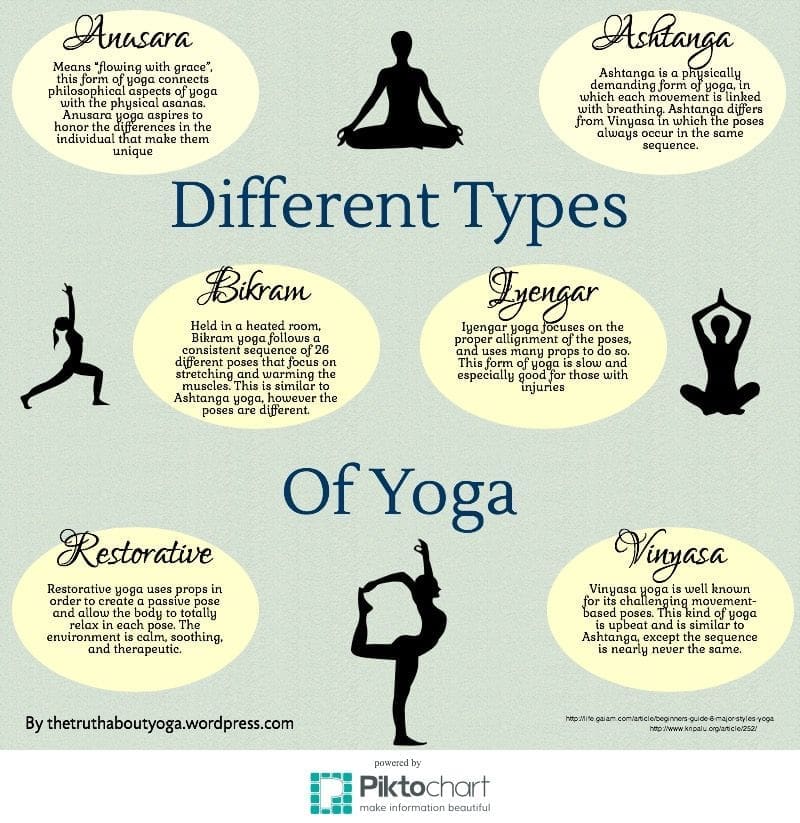
Different types pf Yoga

Beginner’s Guide to Essential Yoga Poses: A Comprehensive Overview

Are you new to yoga and feeling overwhelmed by the number of poses out there? Don’t worry, it’s natural to feel that way. Yoga can seem complicated, with its various types of poses and odd-sounding names, but it doesn’t have to be. In fact, you might have already done a yoga pose without even realizing it. In this comprehensive guide, we will take you through the essential yoga poses for beginners, helping you build your practice from the ground up. Whether you’re looking to build strength, flexibility, or simply find some inner peace, these poses will help you achieve your goals. So, grab a mat, set aside some time, and let’s get started!   Understanding Yoga Poses Before we dive into the essential yoga poses for beginners, let’s take a moment to understand the different types of poses in yoga. Standing Poses Standing poses are often done first in a yoga class to warm up the body and build heat. In vinyasa/flow style yoga, standing poses are strung together to form long sequences. In Hatha classes, you may do the standing poses individually with rest between each pose. These poses help build strength in your legs, improve balance, and increase flexibility in your hips and spine. Balancing Poses Balancing poses are essential for building core strength, which is necessary for many of yoga’s more advanced postures. While they may seem difficult at first, you will find that you can improve markedly with regular practice. These poses also help improve your focus and concentration. Backbends Backbends are essential for spinal health and longevity. As a beginner, you will generally begin with gentle spine flexion and extension, eventually moving to deeper bends. These poses help improve your posture, open up your chest and shoulders, and increase flexibility in your spine. Seated Poses Seated stretches often focus on stretching the hips and hamstrings and are usually done toward the end of a yoga class after the body is warm. Placing a folded blanket or a block under your seat is an excellent way to make yourself more comfortable in these postures. These poses help improve flexibility in your hips, hamstrings, and lower back. Resting or Supine Poses It’s essential to get to know your resting poses, especially child’s pose, which you are encouraged to do whenever you need a break during a yoga session. These resting poses continue the hip and hamstring work of the seated poses and provide gentle back-bending, twisting, and inversion. They also help calm your mind and relieve stress.   Essential Yoga Poses for Beginners Now that we’ve covered the different types of poses in yoga, let’s dive into the essential yoga poses for beginners. Remember, you don’t have to learn all of these poses at once. Take your time, and focus on mastering one pose at a time. Mountain Pose (Tadasana) Mountain pose is the foundation for all standing poses in yoga. It helps improve your posture, balance, and focus. To do this pose, stand tall with your feet together, arms at your sides, and palms facing forward. Engage your leg muscles, lift your kneecaps, and draw your shoulder blades down your back. Take a deep breath in and exhale slowly. Downward-Facing Dog (Adho Mukha Svanasana) Downward-facing dog is one of the most recognizable yoga poses. It helps stretch your hamstrings, calves, and spine, while also strengthening your arms and shoulders. To do this pose, start on your hands and knees, with your hands slightly in front of your shoulders. Lift your hips up and back, straightening your arms and legs, and creating an inverted V-shape with your body. Press your hands and feet into the mat and take a few deep breaths. Tree Pose (Vrksasana) Tree pose is a balancing pose that helps improve your focus and concentration. It also strengthens your legs, ankles, and core. To do this pose, stand tall with your feet together, and lift one foot off the ground. Place the sole of your foot on the inside of your opposite thigh, and press your foot and thigh into each other. Bring your hands to your heart center, and take a few deep breaths. Repeat on the other side. Warrior II (Virabhadrasana II) Warrior II is a standing pose that helps strengthen your legs, while also opening up your hips and chest. To do this pose, start in mountain pose, and step your left foot back about 3-4 feet. Turn your left foot out to a 90-degree angle, and bend your right knee. Extend your arms out to the sides, and gaze over your right fingertips. Take a few deep breaths, and repeat on the other side. Triangle Pose (Trikonasana) Triangle pose is a standing pose that helps stretch your hamstrings, hips, and spine. It also helps strengthen your legs and core. To do this pose, start in warrior II, and straighten your right leg. Reach your right hand forward, and place it on your shin, ankle, or the floor. Extend your left arm up toward the ceiling, and gaze up at your left hand. Take a few deep breaths, and repeat on the other side. Cobra Pose (Bhujangasana) Cobra pose is a backbend that helps strengthen your back muscles, while also stretching your chest and shoulders. To do this pose, lie on your stomach with your hands under your shoulders. Press your hands into the mat, and lift your chest off the ground. Keep your elbows close to your sides, and gaze forward. Take a few deep breaths, and release back down to the ground. Child’s Pose (Balasana) Child’s pose is a resting pose that helps calm your mind and relieve stress. It also gently stretches your hips, thighs, and ankles. To do this pose, start on your hands and knees, and bring your hips back toward your heels. Stretch your arms out in front of you, and rest your forehead on the ground. Take a few deep breaths, and release. Seated Forward Fold (Paschimottanasana) Seated forward fold is a seated
Beginner’s Guide to Essential Yoga Poses: A Comprehensive Overview Read More »