Meditation Techniques

Chakras

Emotional Healing Through Chakra Meditation

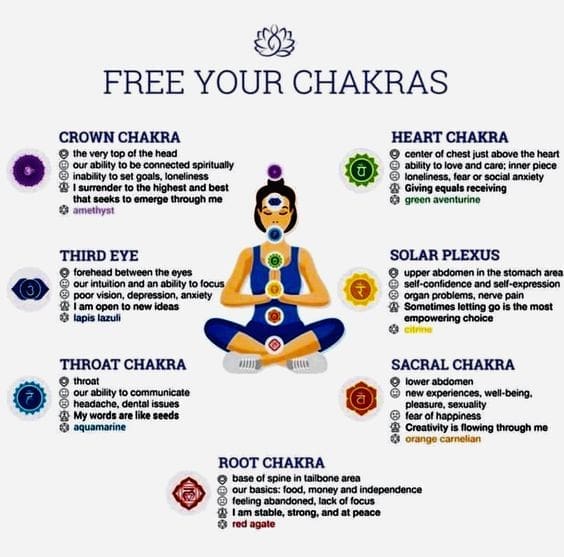
In this article, you will discover the powerful practice of chakra meditation for emotional healing. By focusing on the energy centers within your body, known as chakras, you can release emotional blockages and create a greater sense of balance and well-being. Through gentle and soothing techniques, you will learn how to connect with each chakra, allowing positive energy to flow freely and heal emotional wounds. Whether you’re seeking relief from stress, anxiety, or past traumas, chakra meditation offers a transformative journey towards emotional healing. Understanding Chakras Introduction to Chakras Chakras are energy centers within our bodies that play a vital role in our overall well-being. Derived from ancient Hindu and Buddhist traditions, the concept of chakras encompasses seven main energy centers that are aligned along the spine. Each chakra is associated with specific organs, emotions, and aspects of our lives. Seven Main Chakras The seven main chakras are the Root Chakra, Sacral Chakra, Solar Plexus Chakra, Heart Chakra, Throat Chakra, Third Eye Chakra, and Crown Chakra. Each chakra is linked to a different color, element, and sound, and they are located at various points along the spinal column. Importance of Balance In order for optimal physical, emotional, and spiritual health, it is essential for all of the chakras to be in balance. When a chakra is blocked or imbalanced, it can manifest as physical symptoms, emotional disturbances, and even affect different areas of our lives. Understanding and maintaining the balance of our chakras is key in achieving overall well-being. The Connection Between Chakras and Emotions How Chakras Impact Emotions The chakras have a profound impact on our emotions as they are intimately interconnected. When our chakras are blocked or out of balance, it can affect our emotional state. For example, an imbalanced Root Chakra may lead to feelings of insecurity and fear, while an imbalanced Heart Chakra can hinder our ability to give and receive love. Signs of Imbalanced Chakras Identifying signs of imbalanced chakras can help us understand which areas of our lives may need attention. Some common signs of imbalanced chakras include physical discomfort or illness related to specific organs associated with the chakra, recurring negative emotions, poor communication, and lack of self-expression. Emotional Blockages Emotional blockages often occur when our chakras are imbalanced or blocked. These blockages can prevent the free flow of energy, leading to emotional distress and other related issues. By addressing and clearing these blockages, we can release stored emotions and promote emotional healing. Benefits of Chakra Meditation for Emotional Healing Reduced Stress and Anxiety Chakra meditation is a powerful tool for emotional healing as it helps reduce stress and anxiety. By focusing on specific chakras during meditation, we can identify and release emotional energy that may be causing tension and unease in our lives. Regular practice of chakra meditation can promote a sense of calm and inner peace. Improved Emotional Well-being Through chakra meditation, we can improve our emotional well-being by addressing the imbalances and blockages that may be influencing our emotions. By bringing awareness to our chakras and the associated emotions, we can work towards releasing negativity and cultivating positive emotions such as love, joy, and compassion. Enhanced Self-Awareness Chakra meditation also promotes self-awareness, allowing us to connect with our inner selves on a deeper level. By exploring our emotions and their connection to specific chakras, we can gain valuable insights into our own patterns, triggers, and areas for personal growth. This heightened self-awareness can lead to greater emotional intelligence and a more fulfilling life. Preparing for Chakra Meditation Creating a Calm Environment Before beginning chakra meditation, it is important to create a calm and peaceful environment. Find a quiet space where you won’t be disturbed and remove any distractions. Dim the lights, play soft instrumental music if desired, and ensure the room is at a comfortable temperature. Creating a serene atmosphere will enhance your meditation experience. Comfortable Meditation Position Choose a comfortable meditation position that allows you to relax and focus on your chakras. You can sit cross-legged on a cushion, use a meditation chair, or even lie down if that is more comfortable for you. The key is to maintain a straight posture to ensure the smooth flow of energy. Clearing the Mind Before starting chakra meditation, it is essential to clear your mind of any clutter or distractions. Take a few deep breaths, letting go of any tension or thoughts that may be lingering. Clearing your mind will allow you to fully immerse yourself in the meditation practice and focus on your chakras. Step-by-Step Guide to Chakra Meditation Beginner-Friendly Chakra Meditation Technique To begin chakra meditation, find a comfortable position and close your eyes. Take a few deep breaths to relax your body and mind. Visualize a bright ball of light at the base of your spine, representing your Root Chakra. Imagine this ball of light expanding and glowing with each breath, bringing balance and stability to your chakra. Focus on Each Chakra After grounding yourself with the Root Chakra, slowly move your focus up to the Sacral Chakra, located in your lower abdomen. Visualize an orange ball of light in this area, radiating warmth and creativity. As you continue your meditation, move up to the Solar Plexus Chakra, the center of personal power and confidence. Visualize a yellow ball of light here, empowering you. Visualizations and Affirmations As you progress through each chakra, visualize the associated color and imagine the energy flowing freely, balancing and healing the chakra. You can also repeat affirmations related to the specific chakra, such as “I am safe and secure” for the Root Chakra or “I am worthy of love and joy” for the Heart Chakra. These visualizations and affirmations help amplify the effects of chakra meditation. Root Chakra Meditation for Stability and Grounding Overview of the Root Chakra The Root Chakra, or Muladhara, is the foundation of our chakra system and is responsible for our sense of stability, security, and grounding. Located at the base of the spine, it is associated

Emotional Healing Through Chakra Meditation Read More »
Meditation -

Transcendental Meditation Benefits

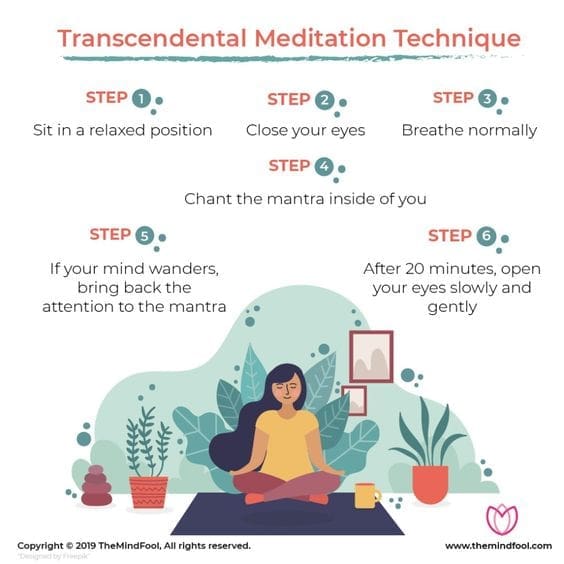
Transcendental Meditation stands as a beacon of relaxation and holistic enhancement for your health. This revered practice, often abbreviated as TM, is lauded for its extensive range of benefits that touch upon the mental, emotional, and physical spheres of your life. It’s a path known for diminishing stress and anxiety while simultaneously fostering focus and creative thinking. Our journey through this article will illuminate the profound effects of Transcendental Meditation, revealing how it can be a transformative element in your daily routine. Get ready to set sail on a voyage towards inner calm and self-enhancement as we delve deep into the myriad boons of TM. Physical Benefits Improved Cardiovascular Health Transcendental meditation has been shown to have a positive impact on cardiovascular health. Regular practice can help lower your resting heart rate and reduce the risk of heart disease. By calming the mind and body, it promotes relaxation and improves blood circulation, thus improving the overall health of your heart. Reduced Blood Pressure High blood pressure is a common health issue that can lead to various complications. Transcendental meditation has been found to be effective in reducing blood pressure levels. By inducing deep relaxation and reducing stress, it helps to lower blood pressure and maintain it within a healthy range. Enhanced Immune System Your immune system plays a crucial role in protecting your body against diseases and infections. Regular practice of transcendental meditation has been shown to boost the functioning of the immune system. It reduces the production of stress hormones in the body, which can weaken the immune system. By decreasing stress levels, this meditation technique strengthens your immune response and promotes overall well-being. Better Sleep Quality Getting a good night’s sleep is essential for your overall health and well-being. Transcendental meditation can help improve sleep quality by reducing anxiety and promoting relaxation. By calming the mind and body, it helps to induce a deep state of rest, making it easier for you to fall asleep and wake up feeling refreshed. Mental Benefits Reduced Stress and Anxiety Stress and anxiety are prevalent in today’s fast-paced world, and they can have a negative impact on your mental and physical health. The regular practice of transcendental meditation provides a valuable tool for managing and reducing stress and anxiety. It allows you to enter a deep state of relaxation, helping to calm the mind and relieve tension. Improved Mental Clarity Do you ever struggle with a foggy mind or lack of mental clarity? Transcendental meditation can help sharpen your mental focus and enhance cognitive function. Regular practice of this technique improves brainwave patterns and increases coherence in the brain, leading to improved mental clarity and sharpness. Enhanced Cognitive Function Cognitive function refers to your brain’s ability to process information, learn, and remember. Transcendental meditation has been shown to enhance cognitive function by improving attention span, memory, and overall mental performance. By reducing mental fatigue and promoting relaxation, this practice allows your brain to function at its optimal level. Increased Creativity Whether you are an artist, writer, or simply looking to tap into your creative side, transcendental meditation can help enhance your creativity. By quieting the mind and allowing thoughts to flow freely, this technique unlocks your creative potential. Regular practice can inspire new ideas, innovative thinking, and artistic expression. Emotional Benefits Increased Emotional Well-being Emotional well-being is an essential aspect of overall happiness and life satisfaction. Transcendental meditation promotes emotional well-being by reducing stress and increasing feelings of inner peace and contentment. It allows you to connect with your emotions and cultivate a positive mindset, leading to greater emotional well-being. Improved Self-esteem Low self-esteem can hinder personal growth and fulfillment. Transcendental meditation can help boost your self-esteem by fostering self-awareness, self-acceptance, and self-confidence. By providing a space for self-reflection and personal growth, this practice enables you to develop a positive self-image and belief in your abilities. Reduced Depression Depression is a common mental health condition that can have a significant impact on your daily life. Transcendental meditation has been shown to be an effective complementary therapy for reducing symptoms of depression. By reducing stress and balancing neurotransmitter levels in the brain, it helps to alleviate depressive feelings and improve overall mood. Enhanced Emotional Intelligence Emotional intelligence refers to the ability to recognize, understand, and manage your own emotions and the emotions of others. Regular practice of transcendental meditation can enhance emotional intelligence by increasing self-awareness and empathy. It allows you to develop a deeper understanding of your emotions and improve your interpersonal relationships. Relationship Benefits Improved Communication Effective communication is essential for healthy and fulfilling relationships. Transcendental meditation can help improve communication skills by reducing stress and enhancing emotional well-being. By promoting a state of calmness and clarity, this practice allows you to express yourself more effectively and listen attentively to others. Enhanced Empathy Empathy is the ability to understand and share the feelings of others. Transcendental meditation has been found to enhance empathy by increasing emotional intelligence and compassion. By improving self-awareness and emotional regulation, it allows you to connect more deeply with the emotions and experiences of those around you. Reduced Relationship Conflict Conflicts are normal in any relationship, but excessive conflict can strain and damage relationships. Transcendental meditation can help reduce relationship conflict by promoting overall emotional well-being and fostering effective communication. By enhancing self-regulation and increasing empathy, it allows you to approach conflicts with a calm and understanding mindset. Increased Relationship Satisfaction A fulfilling and satisfying relationship is essential for your overall well-being. Transcendental meditation can contribute to increased relationship satisfaction by promoting emotional well-being and improving communication skills. By reducing stress and enhancing empathy, this practice strengthens the foundation of your relationships, fostering greater love and connection. Productivity Benefits Enhanced Focus and Concentration In today’s fast-paced world, the ability to stay focused and concentrate is crucial for productivity. Transcendental meditation can enhance focus and concentration by promoting a calm and clear state of mind. By reducing mental distractions and improving mental clarity, it allows you to

Transcendental Meditation Benefits Read More »

What is reiki

Benefits Of Reiki Meditation

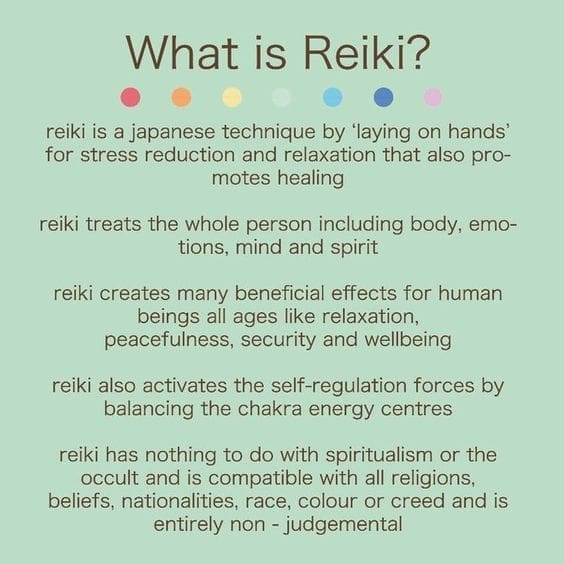
Discover the transformative journey of heightened self-awareness and comprehensive well-being through the profound Benefits Of Reiki Meditation. In a world driven by ceaseless action and digital overdrive, our mental, physical, and spiritual well-being often takes a back seat. A Glimpse into Reiki Meditation Every once in a while, we stumble upon practices that transform us, and Reiki Meditation is one of them. Its promise goes beyond mere relaxation; it’s a commitment to holistic wellness, marrying meditation and energy healing. Tracing Back the Roots of Reiki The Legacy of Dr. Mikao Usui The Japanese culture, with its profound philosophies and traditions, gifted the world with Reiki through Dr. Mikao Usui. After his spiritual enlightenment on Mount Kurama, he formulated the Reiki system, emphasizing the importance of balanced life force energy. Reiki’s Journey Westward Like many treasures from the East, Reiki found its way westward. As its wisdom spread across continents, it integrated with various cultures, remaining steadfast to its core principles yet evolving with each interpretation. The Pillars of Reiki The Quintessential Principles   Reiki, though rooted in energy healing, thrives on its principles. These are not mere words but life philosophies: 1. Today, I’ll navigate away from anger. 2. I shall remain unperturbed by worry. 3. I choose gratitude as my constant. 4. Integrity shall mold my decisions. 5. I vow to radiate kindness. The Spiritual Significance Embedded in these principles is the spiritual ethos of Reiki. They urge us to rise above the ephemeral, focusing on soul growth, universal love, and collective consciousness. The Reiki Healing Tapestry Harnessing the Cosmos If the universe were a grand symphony, Reiki would be the maestro orchestrating it. Practitioners believe in tapping into this universal life force, channelling it to heal and rejuvenate. Dynamics of Reiki Techniques Symbols and their Vibrations The symbols in Reiki are much like ancient runes – each bearing unique significance. They aren’t just designs but energy reservoirs, aiding specific healing processes. The Art of Hand Positions Beyond symbols, the practitioner’s hands play a pivotal role. Depending on the recipient’s needs, hands are positioned over various body parts, acting as conduits for energy flow. The Ritual of Attunement Much like tuning an instrument, attunement in Reiki harmonizes a person with universal energies. This process, often sacred and transformative, is essential for anyone venturing into the world of Reiki healing. Unveiling the Boons of Reiki Meditation Embracing Mental Serenity Among the most cherished gifts of Reiki is the mental tranquillity it offers. Regular practitioners often report improved focus, reduced anxiety, and enhanced cognitive functions. Physical Revitalization But Reiki doesn’t stop at the mind. Its ripples are felt physically. From bolstering the immune system to aiding cellular repair and reducing inflammation, the physical benefits are palpable. Emotional Equilibrium The emotional realm isn’t untouched. By balancing energy centers or chakras, Reiki ushers in emotional stability, reducing bouts of anger, sadness, and emotional exhaustion. Spiritual Ascension At its heart, Reiki is a spiritual endeavour. Regular practitioners often narrate experiences of heightened intuition, deeper universal connections, and an evolved sense of purpose. Building Resilience In a constantly changing world, resilience is invaluable. Reiki equips its practitioners with the emotional and mental strength to weather life’s storms with grace. Reiki: Beyond the Sessions Integrating Reiki into daily life amplifies its benefits. Whether it’s starting the day with a gratitude ritual, using Reiki symbols for self-healing, or meditating with Reiki music, the possibilities are boundless. Final Reflections Reiki Meditation, with its profound depth, offers a sanctuary in a chaotic world. It’s a commitment, a journey, and for many, a way of life. In embracing its principles and practices, we don’t just heal; we evolve. FAQs 1. How does Reiki differ from traditional meditation? While meditation centers on mindfulness, Reiki integrates it with energy healing. 2. Is Reiki rooted in a specific religious doctrine? No. Reiki is universal, transcending religious boundaries. 3. How often should one undergo Reiki healing for optimal benefits? While personal needs vary, regular sessions, especially during emotional or physical distress, can be beneficial. 4. Can one practice Reiki on oneself? Absolutely. With proper training, self-healing through Reiki is possible and recommended. 5. Are there prerequisites to becoming a Reiki practitioner? An open mind and heart, along with atonements from a certified Reiki Master, pave the way. [hfe_template id=’4070′]

Benefits Of Reiki Meditation Read More »

AUM

Meditation Simplified: 5 Steps to Self-Discovery

Are you ready to embark on a journey of self-discovery and inner peace through meditation? In today’s fast-paced world, finding moments of stillness and tranquillity can seem like a luxury. However, incorporating meditation into your daily routine can help you cultivate mindfulness, reduce stress, and uncover a deeper sense of self. Whether you’re a beginner or someone looking to deepen your practice, this article offers five simple techniques that make meditation easy and accessible. From guided meditations to breath awareness exercises, these methods can be incorporated into your busy schedule, allowing you to experience the transformative power of meditation. So take a deep breath, relax, and let’s dive into the world of meditation, where a calmer and more cantered version of yourself awaits. Discover the simplicity and profound benefits of these techniques as you embark on a journey of self-discovery and inner peace through the practice of meditation. Benefits of Meditation and Mindfulness Meditation has been practiced for centuries for its numerous physical, mental, and emotional benefits. Incorporating meditation into your daily routine can have a profound impact on your overall well-being. One of the key benefits of meditation is its ability to reduce stress and anxiety. By focusing your attention on the present moment, you can let go of worries about the past or future and find a sense of calm and peace. Moreover, meditation can improve your focus and concentration, allowing you to be more present in all areas of your life. It can also enhance your self-awareness and help you develop a deeper understanding of your thoughts and emotions. By cultivating mindfulness, you can become more attuned to your body and mind, leading to better decision-making and improved relationships. Additionally, meditation has been found to have physical health benefits. It can lower blood pressure, reduce inflammation, and boost the immune system. Regular meditation practice is also associated with improved sleep quality, increased energy levels, and a stronger sense of overall well-being. With all these benefits, it’s no wonder that meditation has gained popularity in recent years as a powerful tool for self-care and personal growth. Different Types of Meditation Techniques Before we delve into the techniques, it’s important to understand that there is no one-size-fits-all approach to meditation. Different techniques work for different individuals, and it’s essential to find what resonates with you. Here are five simple meditation techniques that can help you get started on your mindfulness journey: Technique 1: Mindful Breathing Mindful breathing is one of the simplest and most accessible meditation techniques. It involves focusing your attention on your breath and observing it without judgment. Find a quiet and comfortable place to sit or lie down. Close your eyes and take a few deep breaths, allowing your body to relax. Then, shift your attention to your breath. Notice the sensation of the air entering and leaving your body. Observe the rise and fall of your abdomen or the feeling of the breath passing through your nostrils. Whenever your mind starts to wander, gently bring your attention back to your breath. Practice this technique for a few minutes each day, gradually increasing the duration as you become more comfortable. Technique 2: Body Scan Meditation Body scan meditation is a technique that involves systematically scanning your body and bringing awareness to each part. Find a comfortable position, either sitting or lying down. Close your eyes and begin by bringing your attention to your toes. Notice any sensations you feel, such as warmth or tingling. Slowly move your attention up through your body, paying attention to each area. Notice any tension or discomfort and allow it to release as you continue to scan. This technique helps you become more attuned to your body and can be particularly useful for relieving physical tension and promoting relaxation. Technique 3: Loving-Kindness Meditation Loving-kindness meditation, also known as Metta meditation, is a practice that cultivates feelings of compassion and love towards oneself and others. Find a comfortable position and close your eyes. Begin by directing loving-kindness towards yourself. Repeat phrases such as “May I be happy, may I be healthy, may I live with ease.” Visualize yourself surrounded by love and warmth. After a few minutes, extend these wishes to others, starting with someone you care about, then gradually expanding to include acquaintances, strangers, and even difficult people in your life. This practice helps cultivate a sense of connection and empathy towards yourself and others. Technique 4: Guided Visualization Guided visualization is a technique that uses the power of imagination to create a sense of calm and relaxation. Find a quiet place where you won’t be disturbed, sit or lie down, and close your eyes. You can either use a guided meditation app or listen to a recording that guides you through a visualization exercise. It may involve imagining a peaceful scene, such as a beach or a forest, and engaging your senses by visualizing the sights, sounds, and smells. Allow yourself to immerse in this mental imagery and let go of any tension or worries. Guided visualization is an effective technique for reducing stress and promoting a sense of inner peace. Technique 5: Mantra Meditation Mantra meditation involves repeating a word or phrase, known as a mantra, to focus your mind and cultivate a state of deep relaxation. Choose a word or phrase that resonates with you, such as “peace” or “love.” Find a comfortable position, close your eyes, and begin to repeat the mantra silently or aloud. Allow the mantra to become your focal point, letting go of any other thoughts or distractions. If your mind wanders, gently bring your attention back to the mantra. This technique can help quiet the mind and create a sense of inner stillness. Incorporating Meditation into Your Daily Routine Now that you have learned about different meditation techniques, it’s time to incorporate them into your daily routine. The key to a successful meditation practice is consistency. Start by setting aside a specific time each day for meditation. It can be in the morning

Meditation Simplified: 5 Steps to Self-Discovery Read More »