
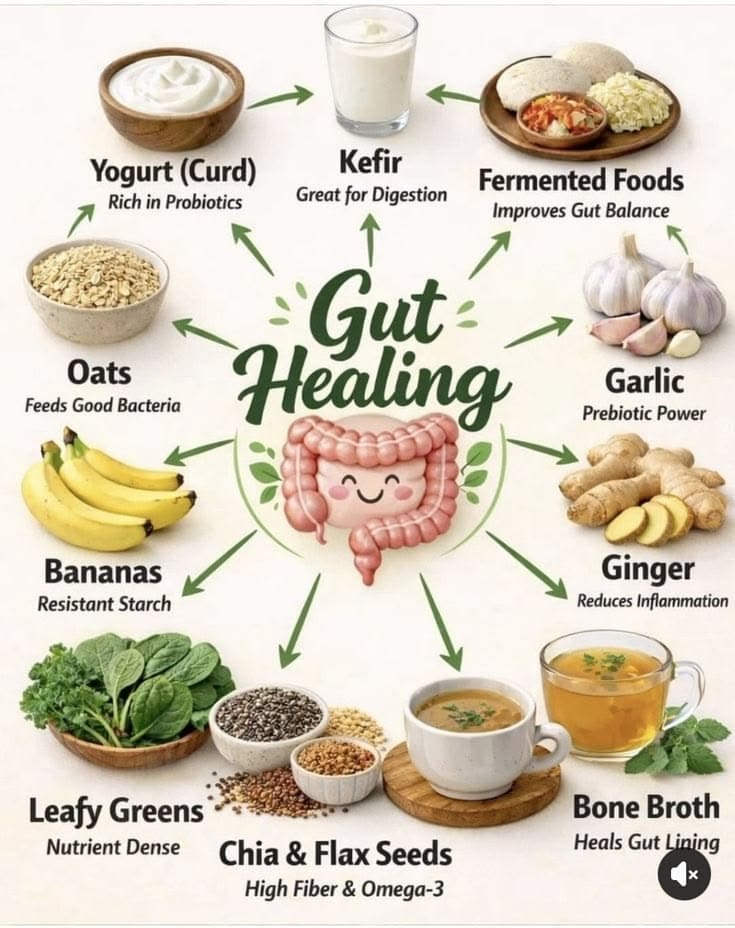
Choosing the right Gut Health Foods can help support digestion and overall wellness. The gut plays an important role in many body functions, including nutrient absorption and immune support. Eating foods that promote a healthy balance of gut bacteria may help improve digestion and contribute to better long-term health.
Gut Health Foods: Why Nutrition Supports Digestive Health
Understanding Gut Health Foods can help people make better choices for maintaining a healthy digestive system. Foods rich in fiber, probiotics, and natural nutrients can support beneficial gut bacteria and improve digestion. Including these foods as part of a balanced diet may help promote better gut health and overall well-being.
Understanding Gut Health
Gut Health Foods refers to the balance of microorganisms living in your digestive tract. These include both good and bad bacteria, as well as other microorganisms like fungi and viruses. The way you take care of your gut can influence not just digestion, but also immunity, mood, and even your skin.
Why Gut Health Matters
A healthy gut supports digestion and the absorption of nutrients, helps to strengthen the immune system, and plays a role in regulating your mood through the gut-brain connection. If your gut is off balance, you may experience various issues, from bloating and discomfort to fatigue and anxiety. Prioritizing gut health can lead to a happier, healthier life.
Essential Nutrients for a Healthy Gut
To maintain gut health, you need to focus on consuming essential nutrients that support the growth of good bacteria. The following key nutrients are important for keeping your digestive system balanced:
Fiber
Fiber is crucial for digestive health. It acts as a food source for beneficial gut bacteria, helping them thrive. High-fiber foods also promote regular bowel movements and can help prevent constipation.
Types of Fiber
| Type of Fiber | Sources | Benefits |
|---|---|---|
| Soluble | Oats, apples, beans | Helps lower cholesterol levels |
| Insoluble | Whole grains, nuts, vegetables | Promotes regularity and digestive health |
Probiotics
Probiotics are live bacteria that provide health benefits when consumed in adequate amounts. They help maintain the natural balance of gut flora.
Sources of Probiotics
| Food | Description |
|---|---|
| Yogurt | A creamy accompaniment rich in beneficial bacteria |
| Kefir | A fermented dairy product, thinner than yogurt |
| Sauerkraut | Fermented cabbage loaded with probiotics |
| Kimchi | A spicy Korean dish made from fermented vegetables |
| Miso | A fermented soybean paste commonly used in soups |
Prebiotics
Prebiotics are specific types of fiber that serve as food for probiotics. They help to nourish and boost the growth of beneficial bacteria in the gut.
Sources of Prebiotics
| Food | Description |
|---|---|
| Bananas | Rich in inulin, a type of prebiotic fiber |
| Garlic | Promotes good bacteria growth |
| Onions | Support overall gut health |
| Asparagus | A crunchy vegetable that’s high in fiber |
Top Gut Health Foods to Include in Your Diet
A balanced diet filled with a variety of gut-friendly foods can help you maintain a healthy digestive system. Below are some of the finest options to consider.
Fermented Foods
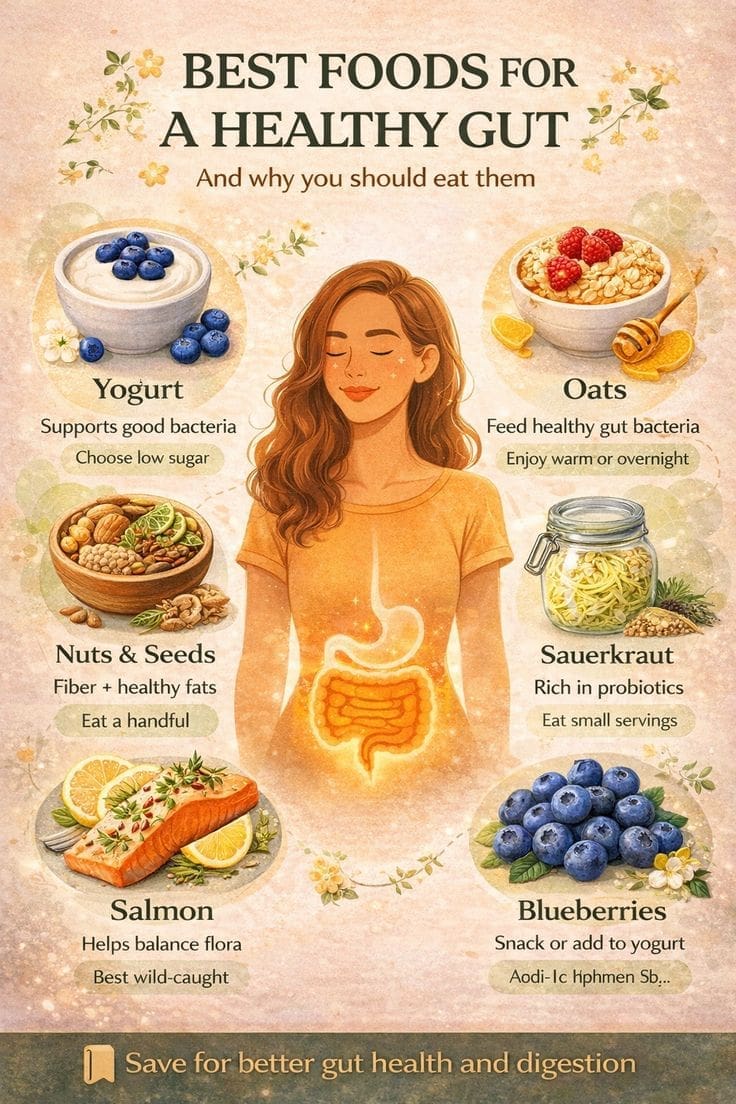
Fermented foods have naturally occurring probiotics, making them excellent for your gut. Including these in your meals can enhance digestion.
- Yogurt: This creamy delight can be a breakfast staple or a fantastic snack.
- Kefir: Smooth and tangy, it can be enjoyed on its own or added to smoothies.
- Kimchi: Spice things up with this Korean staple, full of flavor and good bacteria.
- Sauerkraut: This tangy, fermented cabbage is a great addition to sandwiches or salads.
Fiber-Rich Foods
Including a variety of fiber-rich foods in your diet helps promote healthy gut bacteria and regular bowel movements.
- Beans and Lentils: They add substantial fiber to your meals. Try adding them to soups or making hearty salads.
- Whole Grains: Foods like brown rice, quinoa, and oats are excellent sources of fiber. Consider swapping white rice for brown rice in your dishes.
- Fruits and Vegetables: Berries, apples, and carrots are packed with fiber. Enjoy them as snacks or blend them into smoothies.
Bone Broth
Bone broth is an easy-to-digest source of nutrients. Made by simmering animal bones, it can support gut health and is also good for your joints.
- How to Use: Enjoy bone broth as a comforting warm drink or use it as a base for soups and stews.
Nuts and Seeds
These crunchy snacks are loaded with fiber, healthy fats, and protein. They can be eaten raw, roasted, or added to your meals and snacks.
- Chia Seeds: Rich in omega-3 fatty acids, add them to smoothies or make chia pudding.
- Almonds: A fantastic snack or topping for yogurt, almonds provide healthy fats and fiber.
Leafy Greens
Leafy greens such as spinach, kale, and collard greens are fantastic for gut health. They are low in calories and high in vitamins, minerals, and fiber.
- How to Use: Use them in salads, smoothies, or sautéed as a side dish to your meals.
Omega-3 Fatty Acids
Omega-3 fatty acids play a role in reducing inflammation, which is beneficial for your gut. They can be found in fish and some plant-based sources.
| Food | Description |
|---|---|
| Fatty Fish | Salmon, sardines, and mackerel are all excellent sources. |
| Flaxseeds | Sprinkle on oatmeal or blend into smoothies. |
| Walnuts | Eat as a snack or add to salads. |
Dark Chocolate
Good news for chocolate lovers! Dark chocolate, particularly those with a high cocoa content, is rich in antioxidants and prebiotics. Consuming it in moderation can also benefit gut health.
- How to Use: Enjoy a square of dark chocolate for a guilt-free dessert option.
The Role of Hydration in Gut Health
Staying hydrated is essential for your overall health, including your gut. Water helps break down food, allowing nutrients to be absorbed effectively. Hydration also helps prevent constipation and keeps the digestive tract lubricated.
Tips for Staying Hydrated
- Drink Water Throughout the Day: Keep a reusable water bottle handy to remind yourself.
- Include Hydrating Foods: Fruits like watermelons and cucumbers are excellent hydration sources.
- Limit Sugary Drinks: Reducing sodas and sugary beverages is beneficial for both hydration and gut health.
Lifestyle Factors Affecting Gut Health
While diet plays a crucial role, several lifestyle factors also influence gut health. Being aware of these factors can help you make positive changes.
Stress Management
Prolonged stress can wreak havoc on your gut health. When you’re stressed, your body produces more cortisol, which can lead to digestive issues.
Stress Reduction Techniques
- Meditation: Practicing mindfulness can help you reduce stress levels and improve overall well-being.
- Exercise: Engaging in regular physical activity not only boosts your mood but also promotes gut health.
- Adequate Sleep: Aim for 7-9 hours of quality sleep each night to help your body recover and maintain a healthy balance.
Avoiding Processed Foods
Processed foods often contain additives, preservatives, and artificial ingredients that may upset the balance of gut bacteria. Making a conscious effort to limit these foods can benefit your gut health.
Helpful Alternatives
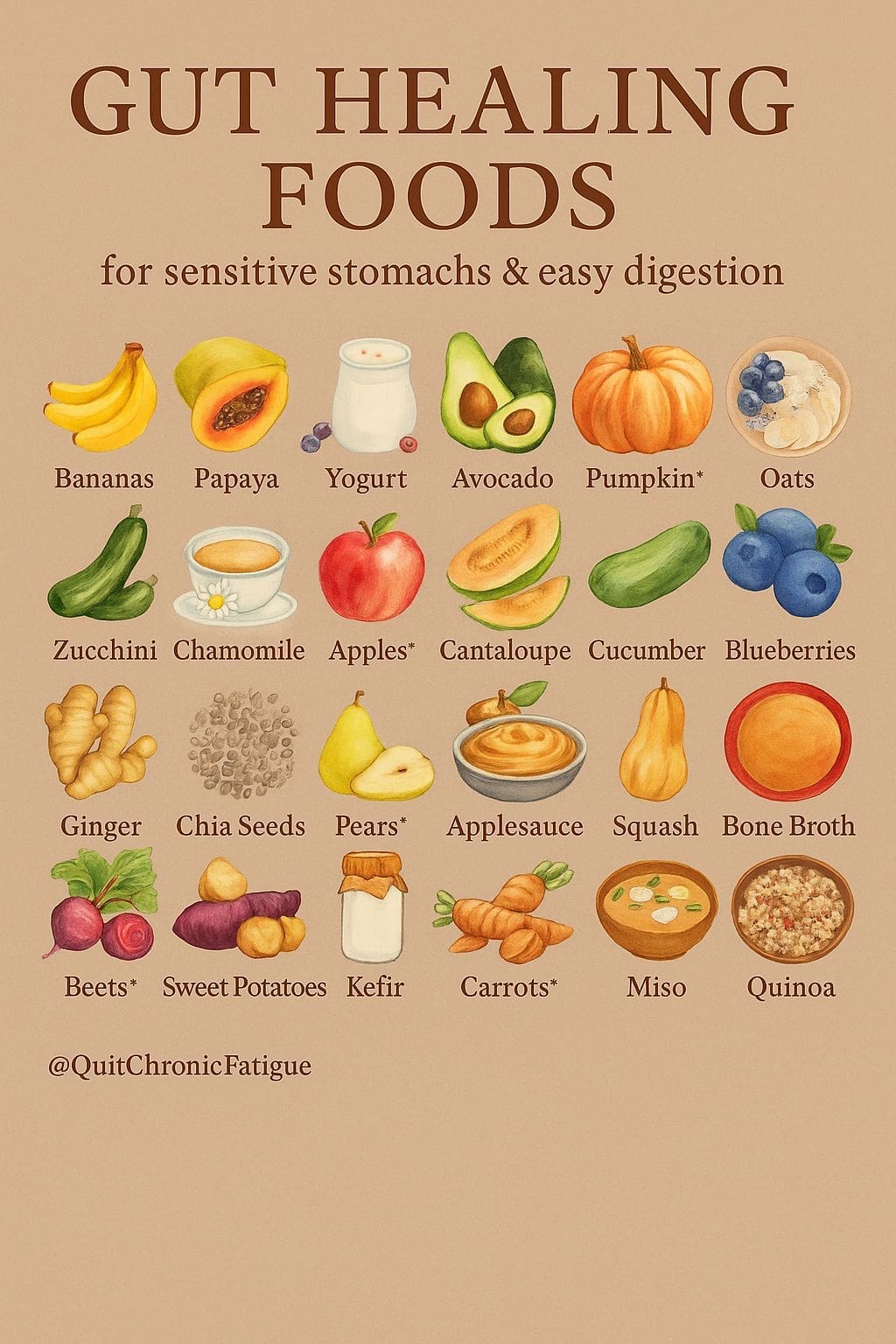
- Choose Whole Foods: Opt for fruits, vegetables, and whole grains whenever possible.
- Cook at Home: Preparing meals at home allows you to control the ingredients, making it easier to adhere to gut-friendly recipes.
Gut Health and Personalization
Everyone’s gut is unique, and what works for one person might not work for another. It’s essential to listen to your body and personalize your diet based on how different foods make you feel.
Keeping a Food Journal
By maintaining a food journal, you can track what you eat and how you feel afterward. This exercise can help you identify potential triggers or foods that support your gut health.
- Steps to Follow:
- Note what you eat daily.
- Record any digestive symptoms or feelings of well-being.
- Identify trends in your diet and adjust accordingly.
Conclusion
Taking steps to maintain your gut health can lead to significant improvements in your overall well-being. By incorporating Gut Health Foods into your meals, managing stress, and paying attention to your body’s signals, you can create a balanced diet that supports your digestive health. Remember, your gut is a vital part of your body, and nurturing it can result in a happier, healthier you. Now, why not give some of these delicious gut health foods a try? You might just surprise yourself with how much better you feel!